
How Does Homeowners Insurance Apply to Conversation Pits and Sunken Rooms?
Recessed seating is "on the rise” again


Recessed seating is "on the rise” again
A conversation pit is a permanent structural modification to your home, which means it can affect your homeowners insurance in several distinct ways. Understanding these coverage implications before you build, or before you buy a home that already has one, is worth a few minutes of your time.
 TL;DR
TL;DR
Almost certainly yes. A conversation pit is a structural alteration that increases the replacement cost of your home. When you make a significant renovation, particularly one costing anywhere between $5,000 and $100,000 as estimates in this article suggest, you should notify your homeowners insurance provider. Failing to update your dwelling coverage limit after a major renovation could leave you underinsured if you ever need to file a claim for structural damage.
On a basic level, a conversation pit is simply, per Merriam-Webster, “a usually sunken area (as in a living room) with intimate seating that facilitates conversation.” In a real way, a conversation pit forces you and your guests to get down a whole different level-several feet lower, to be exact.
Popularized by Instagram accounts and a seemingly endless parade of trend pieces, the conversation pit can require dedication and significant amounts of cash to pull off. In many cases-if you’re sadly not dedicated or rich enough for “the real thing”-you may be able to simulate the vibe of a conversation pit, without actually digging a huge hole in the ground.
The short answer is: Probably not. It seems slightly uncommon to go through all the hassle of building a new conversation pit in an existing house that doesn’t have one, simply due to the structural and engineering requirements. “Remodeling to include this recessed feature usually isn’t practical,” advises Bob Vila, “due to the need to alter the home’s weight-bearing structure.”
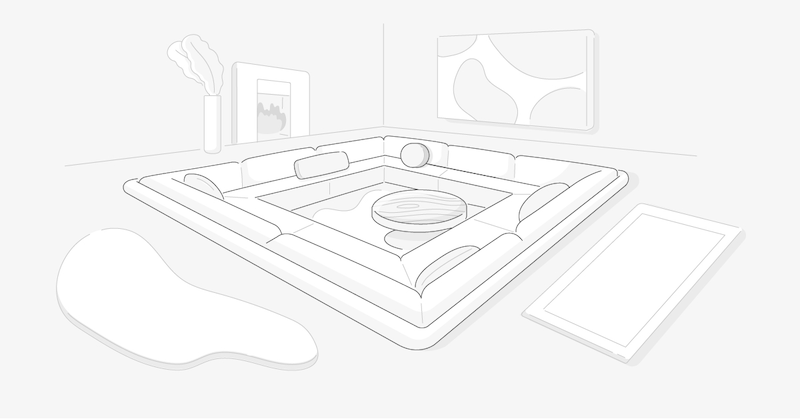
Certain types of properties would make a conversation pit a real folly.
Conversation pits, Vila notes, are “best-suited to homes with concrete slab or crawl space foundation. Because the recessed area of the floor would reduce headroom in a basement, rendering it useless for general living purposes, sunken spaces are rarely found in homes with basements.”
“Digging into the concrete foundation would be hugely prohibitive,” says Palm Springs-based interior designer Christopher Kennedy. “In California, keep in mind that we are in earthquake country. In areas of the country where you have a raised foundation, it might be a bit simpler, though it would need structural reinforcement, as you would be cutting through floor joists.”
Don’t despair. There are plenty of home renovations and makeovers you can pursue instead, whether your budget is modest or basically non-existent.
Two types of coverage are most relevant here:
Medical payments coverage (sometimes called MedPay or Coverage F in standard homeowners policies) can help pay for a guest’s medical bills if they’re accidentally injured on your property, regardless of fault. This is exactly the kind of coverage that applies when a guest steps down into a sunken seating area and twists an ankle, or misses the edge in low lighting and takes a tumble. That’s the coverage we mentioned in Gus’s unfortunate karaoke situation above.
Second, if the injured guest decides to sue you, your policy’s personal liability coverage (Coverage E) kicks in. Personal liability coverage pays for legal defense costs and any damages you’re found legally responsible for, up to your policy limit. Standard homeowners policies typically include $100,000 in personal liability coverage, though higher limits are available and often worth considering for homes with features that carry a higher injury risk.
Insurers evaluate properties for hazardous conditions during underwriting. A sunken living room or conversation pit, particularly one that lacks adequate lighting, guardrails, or clear visual delineation, could potentially be flagged as an increased liability risk. If you’re building a conversation pit, it’s worth discussing the design with your insurance provider in advance. Features like good ambient lighting, contrasting flooring materials at the step-down edge, and clearly defined entry points can reduce the risk of accidental falls and may reduce your liability exposure.
When purchasing a new policy or renewing an existing one, insurers may ask about structural features of your home that affect risk. While a conversation pit isn’t universally listed as a disclosure requirement, any structural renovation that materially changes your home’s replacement cost or risk profile should be communicated to your insurer. When in doubt, call your insurance provider before you break ground.
Standard homeowners insurance policies have limitations during active construction. If you’re undertaking a significant renovation like excavating your living room floor, ask your insurer about a dwelling under construction endorsement or a separate builder’s risk policy to make sure you’re protected during the build.
Yes, if the damage is caused by a covered peril. If a burst pipe, fire, or windstorm damages the sunken structure of your conversation pit, your dwelling coverage would help pay for repairs since it’s a permanent part of your home’s structure. Damage from gradual wear and tear, settling, or poor construction workmanship wouldn’t be covered under a standard policy.
It’s unlikely you’d be denied outright, but a conversation pit could affect your underwriting assessment. Insurers evaluate features that increase the likelihood of a liability claim, and a sunken room with poor lighting or no visual delineation at the edge could be flagged as an elevated risk. Being upfront with your insurer about the feature, and demonstrating that it’s well-lit and clearly defined, is the best approach.
Renting your home on a short-term basis through Airbnb or a similar platform changes your risk profile in ways that a standard homeowners policy may not fully cover. If a short-term guest is injured in your conversation pit during a rental stay, your standard policy may not respond to that claim since many homeowners policies exclude rental activity. You’d want to add a short-term rental endorsement or a separate vacation rental policy to make sure you’re covered for guest injuries during hosted stays.
A few quick words, because we <3 our lawyers: This post is general in nature, and any statement in it doesn’t alter the terms, conditions, exclusions, or limitations of the policies issued, which differ according to your state of residence. You’re encouraged to discuss your specific circumstances with your own professional advisors. The purpose of this post is merely to provide you with info and insights you can use to make such discussions more productive! Naturally, all comments by, or references to, third parties represent their own views, and Lemonade assumes no responsibility for them. Coverage may not be available in all states. Please note that statements about coverages, policy management, claims processes, Giveback, and customer support apply to policies underwritten by Lemonade Insurance Company or Metromile Insurance Company, a Lemonade company, sold by Lemonade Insurance Agency, LLC. The statements do not apply to policies underwritten by other carriers.
Share


Please note: Lemonade articles and other editorial content are meant for educational purposes only, and should not be relied upon instead of professional legal, insurance or financial advice. The content of these educational articles does not alter the terms, conditions, exclusions, or limitations of policies issued by Lemonade, which differ according to your state of residence. While we regularly review previously published content to ensure it is accurate and up-to-date, there may be instances in which legal conditions or policy details have changed since publication. Any hypothetical examples used in Lemonade editorial content are purely expositional. Hypothetical examples do not alter or bind Lemonade to any application of your insurance policy to the particular facts and circumstances of any actual claim.