
Understanding Blindness in Dogs
Causes, treatment options, and how to help your dog thrive after vision loss.

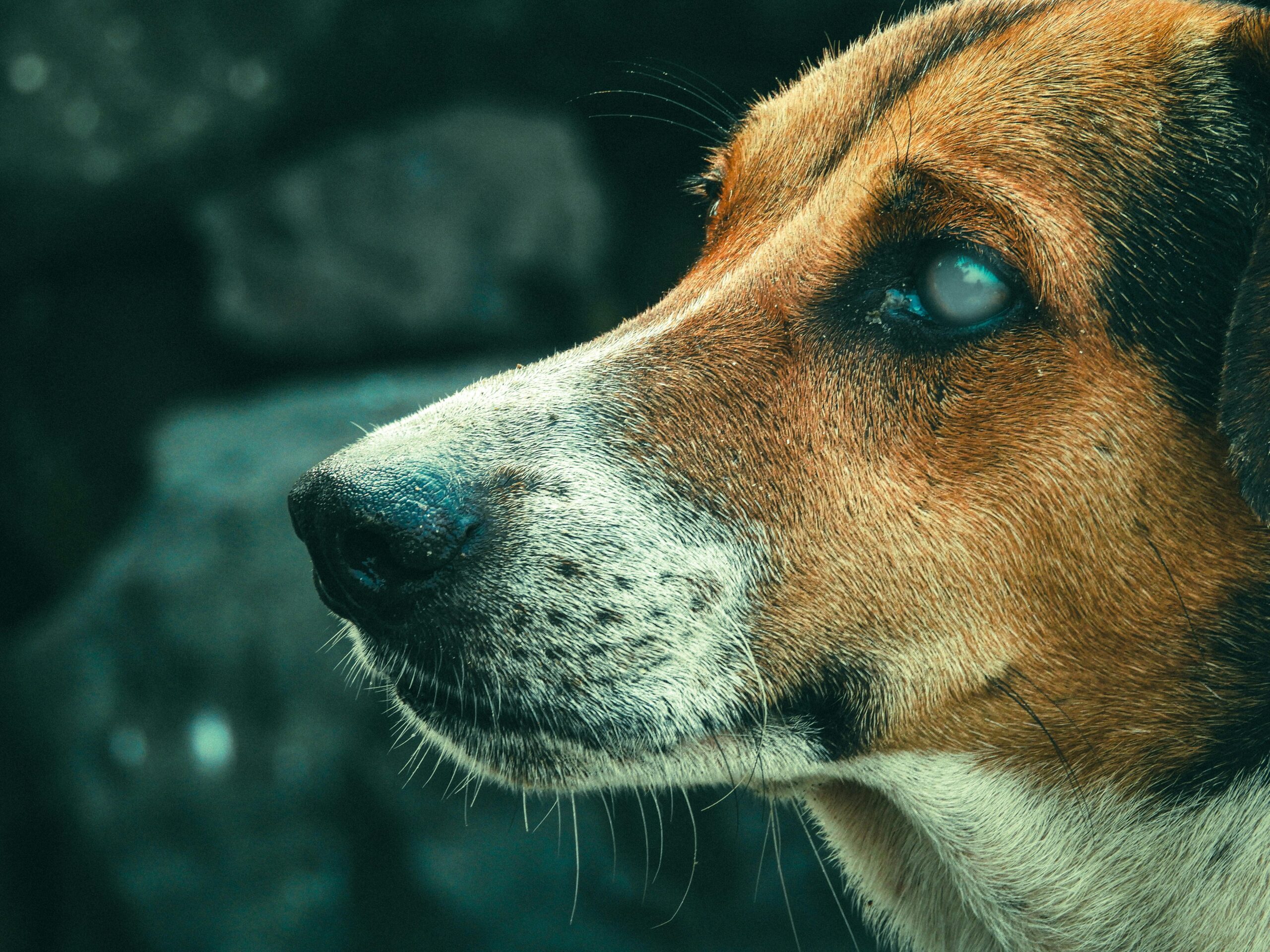
Causes, treatment options, and how to help your dog thrive after vision loss.
Noticing your dog bump into furniture or showing hesitancy with stairs might leave you wondering if they’re losing their sight. Blindness in dogs, a loss of vision in one or both eyes, can happen gradually or suddenly and it’s understandably a concerning situation for any pet parent.
The good news? Dogs are incredibly adaptable and can still live happy, full lives even without their sight.
 TL;DR
TL;DR
Vision loss in dogs can happen for several reasons, ranging from age-related changes to sudden medical emergencies. Here are common culprits behind blindness in dogs:
Recognizing the signs of blindness early is key in helping your dog adjust. Here’s what to look out for:
If you’re seeing any of these signs, it’s time to schedule a vet visit to pinpoint what’s going on.
When you visit your vet, they’ll start with a full eye exam and medical history. They may test your dog’s reflexes by gauging their reaction to light (pupillary light reflex) or an approaching object (menace response). Depending on what they find, your vet might layer in these diagnostic tools:
These tests help pinpoint the root cause and guide the best treatment path, if available.
Once your vet identifies the cause of blindness, treatment will depend on what’s behind the vision loss:
Adapting to life with a blind dog might sound daunting, but with a few changes, your furry friend can continue to thrive:
Your dog’s sense of smell and hearing will become their new guides. Give them time, patience, and plenty of love as they adjust.
Managing the costs of eye exams, diagnostics, and potential surgeries can add up quickly. The good news is that Lemonade pet insurance covers illnesses and accidents, including treatment for eye conditions like cataracts or glaucoma. However, pre-existing conditions aren’t covered, so it’s wise to get coverage early to give your pet the best care possible.
It’s tough to watch your dog navigate vision loss, but knowing the signs, causes, and care tips can make a world of difference. Remember, dogs are incredibly resilient and can lead happy, tail-wagging lives even without their sight. If you’re concerned or have questions, reach out to your vet sooner rather than later, they’re your best ally through this journey.
It depends on the cause. Conditions like cataracts can often be reversed with surgery, but others, like PRA or SARDS, are permanent.
Use consistent furniture placement, scent-marking, verbal cues, and maintain a predictable daily routine.
Cocker Spaniels, Siberian Huskies, and Beagles are prone to glaucoma; Labs and Goldens are at risk for PRA; Dachshunds and Pugs can develop SARDS.
A few quick words, because we <3 our lawyers: This post is general in nature, and any statement in it doesn’t alter the terms, conditions, exclusions, or limitations of the policies issued, which differ according to your state of residence. You’re encouraged to discuss your specific circumstances with your own professional advisors. The purpose of this post is merely to provide you with info and insights you can use to make such discussions more productive! Naturally, all comments by, or references to, third parties represent their own views, and Lemonade assumes no responsibility for them. Coverage may not be available in all states. Please note that statements about coverages, policy management, claims processes, Giveback, and customer support apply to policies underwritten by Lemonade Insurance Company or Metromile Insurance Company, a Lemonade company, sold by Lemonade Insurance Agency, LLC. The statements do not apply to policies underwritten by other carriers.
Please note: Lemonade articles and other editorial content are meant for educational purposes only, and should not be relied upon instead of professional legal, insurance or financial advice. The content of these educational articles does not alter the terms, conditions, exclusions, or limitations of policies issued by Lemonade, which differ according to your state of residence. While we regularly review previously published content to ensure it is accurate and up-to-date, there may be instances in which legal conditions or policy details have changed since publication. Any hypothetical examples used in Lemonade editorial content are purely expositional. Hypothetical examples do not alter or bind Lemonade to any application of your insurance policy to the particular facts and circumstances of any actual claim.