

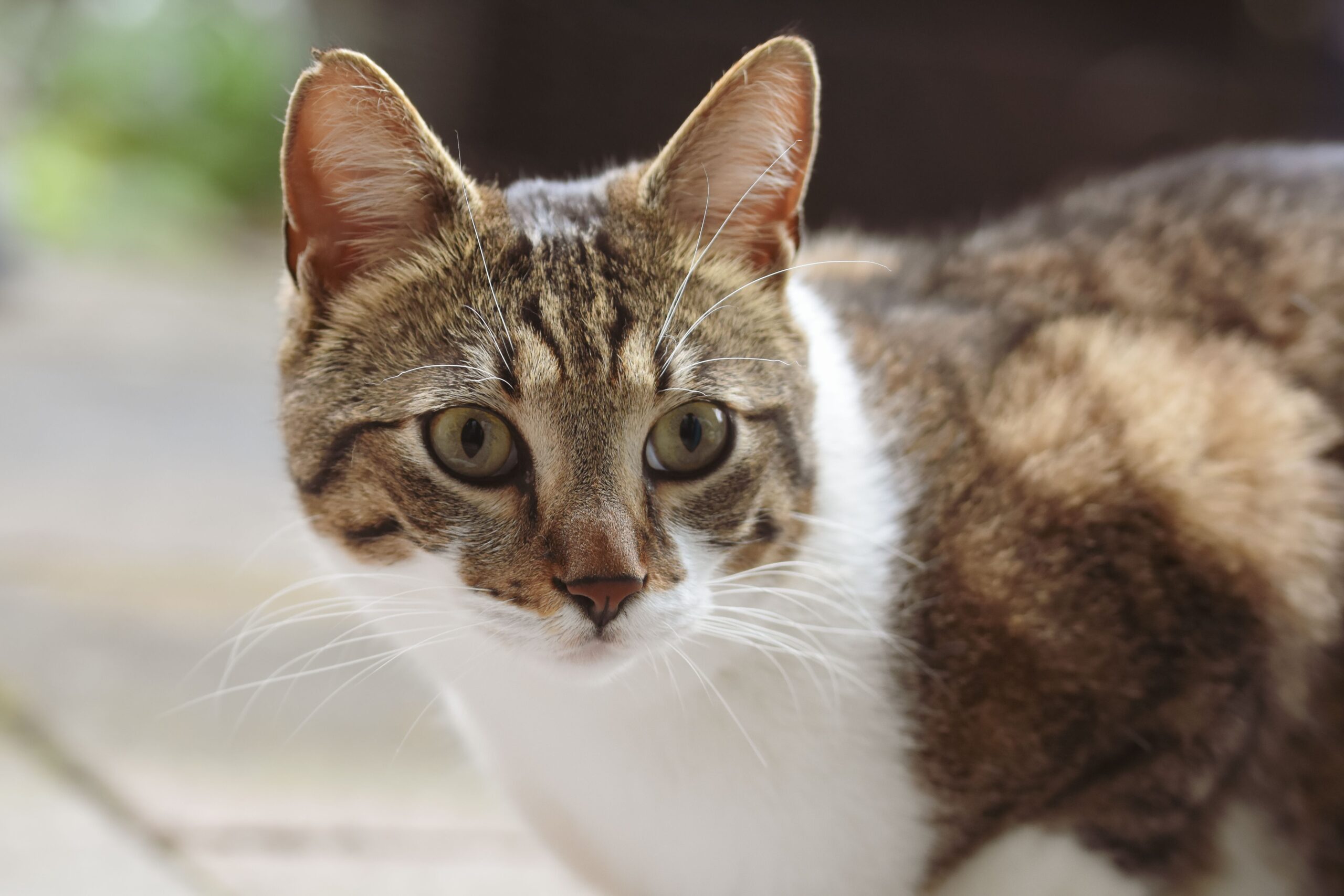
If your cat is sneezing, drooling, or has sores in their mouth, feline calicivirus (FCV) might be the culprit. It’s one of the most common viruses in cats, and it causes everything from a mild upper respiratory infection to painful mouth ulcers. Most cats recover fine with supportive care, but knowing what to look for and how it spreads can make a real difference.
 TL;DR
TL;DR
- Feline calicivirus (FCV) is a leading cause of upper respiratory infections and mouth ulcers in cats. Most cases are mild and manageable with supportive care.
- Symptoms include sneezing, runny nose, drooling, and painful sores in the mouth. A rarer form called limping syndrome causes sudden joint pain and lameness.
- FCV spreads easily through direct contact, shared bowls, and sneezes. Recovered cats can become long-term carriers and shed the virus without looking sick.
- The core FCV vaccine doesn’t fully block infection, but it significantly reduces severity.
- FCV treatment is covered under Lemonade Pet illness coverage, as long as it’s not pre-existing and develops after the applicable illness waiting period has passed.
Symptoms of calicivirus in cats
FCV can look a lot like a bad cold at first, but the hallmark sign that sets it apart from other respiratory viruses is mouth ulcers. These are small, painful sores that form on the tongue, gums, or roof of the mouth, and they can make eating really uncomfortable for your cat.
Other common symptoms include:
- Sneezing and nasal discharge
- Drooling more than usual
- Eye discharge or conjunctivitis (red, irritated eyes)
- Reduced appetite or reluctance to eat
- Lethargy and general low energy
- Fever
Some cats also develop a condition called limping syndrome, where sudden joint inflammation causes lameness in one or more legs. It sounds alarming, but it tends to resolve on its own within a few days. In rare cases, a more severe form called virulent systemic calicivirus (VS-FCV) can develop, causing swelling of the face and legs, skin lesions, and organ problems. VS-FCV is uncommon, but it can be life-threatening and requires urgent veterinary care.
How calicivirus spreads and the carrier problem
FCV is highly contagious between cats. Here’s how it spreads and what makes it especially tricky to contain:
How it spreads:
- Direct contact with an infected cat
- Shared food and water bowls
- Sneezes that send virus particles into the air
- Contaminated hands, clothing, or equipment
How long it survives: FCV can survive on surfaces for up to two weeks in most conditions, and potentially longer in some environments. This makes it easy to carry the virus between cats without realizing it, especially in multi-cat households and shelters.
The carrier problem: Cats who recover from FCV can become long-term carriers, continuing to shed the virus in their saliva and nasal secretions for months or even years, even when they look and feel completely healthy. If you have multiple cats at home, this is worth knowing, especially when introducing a new cat to the household.
Can it spread to humans or other pets? No. Calicivirus in cats is not contagious to humans or other species like dogs. It only affects cats.
Calicivirus vs. herpesvirus: the two culprits behind cat colds
FCV and feline herpesvirus (FHV-1) are the two main viruses behind upper respiratory infections in cats, and they get lumped together a lot. Here’s how they tend to differ:
| Calicivirus (FCV) | Herpesvirus (FHV-1) | |
|---|---|---|
| Mouth sores | Common, hallmark sign | Less common |
| Eye involvement | Milder | More significant; corneal ulcers possible |
| Nasal congestion | Moderate | More pronounced |
| Limping syndrome | Occasional | Not associated |
| Long-term carriers | Yes | Yes, with stress-related flare-ups |
| Severe rare form | VS-FCV (systemic illness) | Not applicable |
Your vet can run tests to confirm which virus is involved, though many cases are managed based on symptoms alone.
Diagnosis and treatment
Your vet will usually start with a physical exam. The presence of mouth ulcers combined with respiratory symptoms is a strong indicator of FCV. To confirm, they may swab the mouth or throat and send the sample to a lab for PCR testing, a test that looks for the virus’s genetic material directly. That said, a lot of cats are treated without a confirmed diagnosis because the supportive care approach is the same either way.
There’s no antiviral drug that directly kills FCV, so treatment focuses on keeping your cat comfortable while their immune system does the work. Your vet may recommend:
- Appetite stimulants or soft, warm food to encourage eating despite mouth pain
- Fluids, either at home or through an IV if your cat is dehydrated
- Antibiotics if there’s a secondary bacterial infection alongside the virus
- Anti-inflammatory medication to reduce fever and joint discomfort
- Eye drops or nasal drops if discharge is significant
Most cats with mild to moderate FCV recover within one to three weeks. More severe cases, particularly VS-FCV, may require hospitalization. Once recovered, cats can remain carriers, so follow-up with your vet on managing risk around other cats in your home.
Prevention and the calicivirus vaccine
The FCV vaccine is a core vaccine, meaning it’s recommended for virtually all cats regardless of lifestyle. It’s typically combined with the herpesvirus and panleukopenia vaccines in a single shot called the FVRCP. Kittens get a series of shots starting around 6 to 8 weeks of age, with boosters continuing into adulthood.
The honest caveat: the vaccine doesn’t guarantee full protection. Because FCV mutates frequently, vaccinated cats can still get infected. But vaccination significantly reduces the severity of illness, lowers the chance of serious complications, and can shorten recovery time. It’s still very much worth doing.
Beyond vaccination, reducing exposure is key, especially in multi-cat homes or if your cat goes outside:
- Use separate food and water bowls for each cat
- Keep new cats isolated for a couple of weeks before introductions
- Wash your hands after handling any cat showing signs of illness
Does pet insurance cover calicivirus in cats?
Vet visits and supportive care for FCV can add up, particularly if your cat needs fluids, antibiotics, or follow-up appointments.
FCV treatment is covered under Lemonade Pet illness coverage, as long as it’s not pre-existing and develops after the applicable illness waiting period has passed. If you add a Preventative Care package, it can also help offset the cost of core vaccines like the FVRCP. Pre-existing conditions aren’t covered, so the earlier you enroll, the better protected your cat will be.
Before we go
Calicivirus is one of those conditions that can feel scary when you’re reading about it at midnight, but the reality for most cats is that it’s manageable. Supportive care works, and the core vaccine gives your cat a real advantage. The harder cases, like VS-FCV, are rare, but they’re a good reminder of why having coverage in place before something happens matters.
Frequently Asked Questions
How long does calicivirus last in cats?
Most cats with mild to moderate FCV recover within one to three weeks with proper supportive care. Cats with more severe cases may take longer, and some cats become long-term carriers who shed the virus even after they’ve recovered.
Is calicivirus in cats contagious to humans?
No. Feline calicivirus only affects cats. It cannot be transmitted to humans or other animals like dogs.
What causes limping in cats with calicivirus?
Some strains of FCV cause limping syndrome, where the virus triggers temporary joint inflammation. It usually resolves on its own within a few days and doesn’t tend to cause lasting damage.
Can a vaccinated cat still get calicivirus?
Yes, though it’s less likely to be severe. The FCV core vaccine doesn’t guarantee complete protection because the virus mutates often, but it significantly reduces the risk of serious illness.
How is calicivirus different from herpesvirus in cats?
Calicivirus tends to cause mouth ulcers and sometimes limping, while herpesvirus more often affects the eyes and nasal passages. Both cause upper respiratory symptoms, and both can create long-term carriers, but your vet can run tests to tell them apart.
A few quick words, because we <3 our lawyers: This post is general in nature, and any statement in it doesn’t alter the terms, conditions, exclusions, or limitations of the policies issued, which differ according to your state of residence. You’re encouraged to discuss your specific circumstances with your own professional advisors. The purpose of this post is merely to provide you with info and insights you can use to make such discussions more productive! Naturally, all comments by, or references to, third parties represent their own views, and Lemonade assumes no responsibility for them. Coverage may not be available in all states. Please note that statements about coverages, policy management, claims processes, Giveback, and customer support apply to policies underwritten by Lemonade Insurance Company or Metromile Insurance Company, a Lemonade company, sold by Lemonade Insurance Agency, LLC. The statements do not apply to policies underwritten by other carriers.