
Does Your Cat Have Tooth Resorption?
Dropping food, drooling, jaw chattering. Here's what tooth resorption looks like in cats.

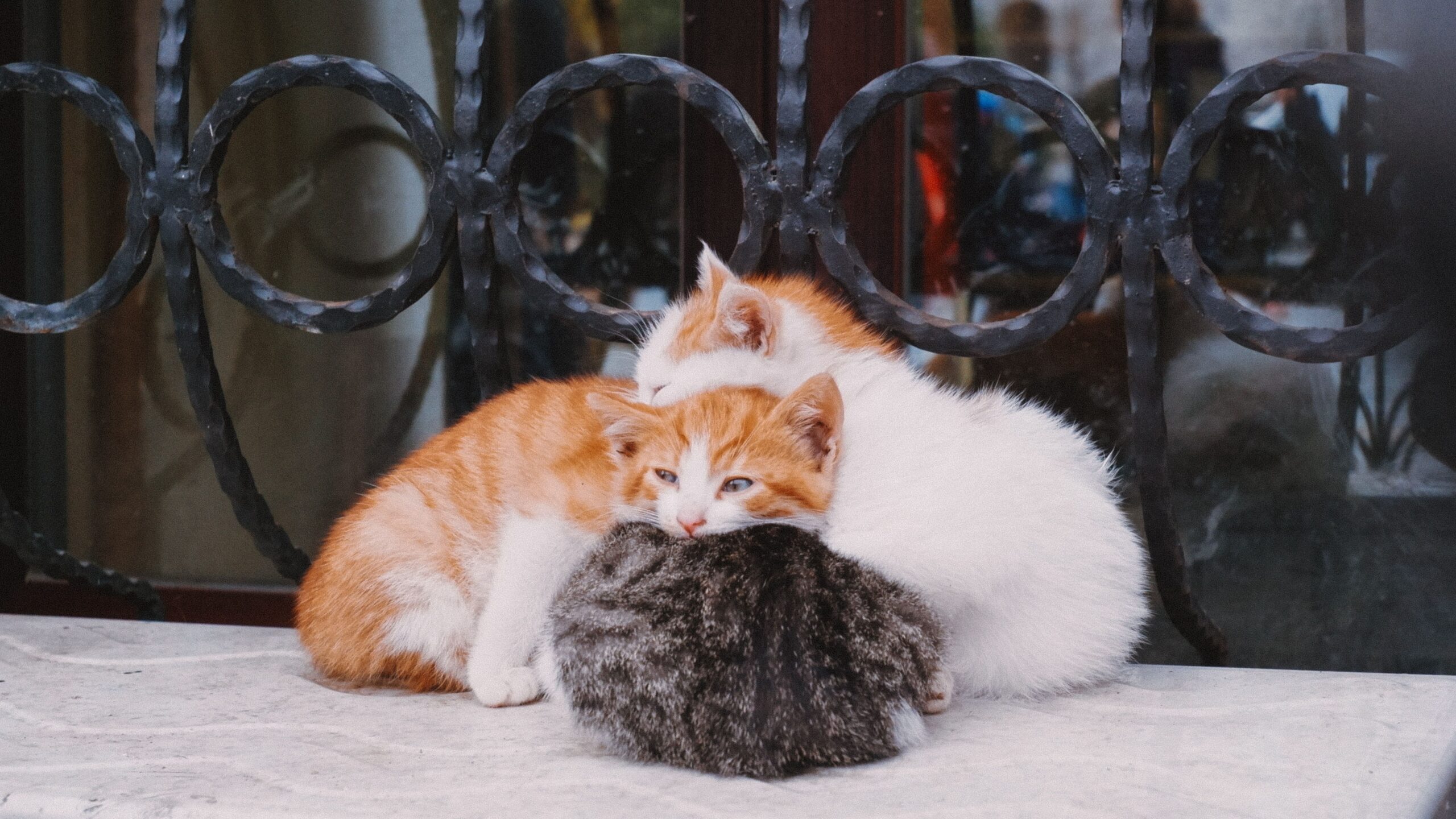
Dropping food, drooling, jaw chattering. Here's what tooth resorption looks like in cats.
If your cat has been dropping food, drooling, or chattering their jaw while eating, tooth resorption might be what’s going on. Here’s what’s happening: your cat’s body is essentially breaking down its own teeth from the inside out. It’s not a cavity caused by bacteria. It’s the tooth destroying itself, and it’s one of the most common dental problems vets see in cats. It’s treatable, but it almost always requires anesthesia, dental X-rays, and in most cases, extraction. Here’s what you need to know.
 TL;DR
TL;DR
Tooth resorption happens when cells in your cat’s body, the same type of cells that dissolve baby teeth in kittens to make way for adult ones, get triggered in the wrong place at the wrong time. Instead of doing a useful job, they start breaking down healthy adult teeth from the inside out, targeting the hard layer beneath the enamel and working their way through the root, the crown, or both.
You might hear your vet refer to it as a feline odontoclastic resorptive lesion (FORL), a resorptive lesion, or a cervical line lesion. These are all different names for the same problem. The small teeth on your cat’s lower jaw tend to be affected most often, but any tooth can develop a lesion.
As for why it happens, the honest answer is that nobody knows for certain. It’s not caused by diet, poor hygiene, or anything you could have done differently. It’s just something that happens in cats, and it happens surprisingly often. Estimates suggest anywhere from 20 to 60 percent of adult cats develop tooth resorption at some point in their lives.
The tricky thing about feline tooth resorption is that cats are experts at hiding pain. You might not notice anything until the condition is already advanced. Still, some cats do show signs:
If you’re seeing any of these, a vet visit is worth scheduling sooner rather than later. And if your cat seems totally fine? That’s not a reason to skip dental checkups. Many resorptive lesions are completely silent until a vet finds them.
Not all tooth resorption is the same, and the type your cat has actually changes what treatment looks like. Here’s how vets classify it:
Both types are also graded on a scale from Stage 1 to Stage 5, based on how much of the tooth has been destroyed. Stage 1 is early, with only minor enamel loss and little your cat would notice. Stage 5 means the tooth is almost entirely gone, with just a small remnant left at the gumline. By Stage 3 or 4, the sensitive inner layer of the tooth is exposed and the tooth is almost certainly causing real discomfort, even if your cat isn’t showing it.
Here’s something important to understand: tooth resorption cannot be properly diagnosed or staged without anesthesia and full-mouth dental X-rays. A vet can spot obvious lesions during a routine exam, but what’s visible above the gumline tells only part of the story. The real damage is often happening below the surface, in the root and surrounding bone.
Under anesthesia, your vet can probe each tooth carefully, take X-rays of the entire mouth, and get a clear picture of which teeth are affected and how severely. This is also when they check for related issues like periodontal disease, which can show up alongside tooth resorption and complicate treatment.
Skipping the anesthesia dental cleaning to “wait and see” isn’t a safe option. Left untreated, tooth resorption progresses. The tooth doesn’t stabilize on its own, and the pain doesn’t go away.
There’s no filling, no medication, and no way to reverse tooth resorption once it starts. The treatment choices are extraction or, for Type 2 cases, crown amputation. Neither sounds pleasant, but both are very well-tolerated by cats, and most feel significantly better afterward.
Tooth extraction means removing the entire tooth, root and all. This is the standard approach for Type 1 resorption and any case where the root is still intact. It’s the most common outcome of a tooth resorption diagnosis.
Crown amputation is a different approach reserved specifically for Type 2 cases, where the root has already begun fusing with the jawbone. Rather than forcing out a root that’s integrating with the bone, the vet removes the crown and leaves the root to be naturally absorbed by the body over time. It’s a well-established technique, but it’s not appropriate for every Type 2 case. The specifics of your cat’s case are what determine whether it’s on the table.
After treatment, the recovery is usually smoother than owners expect. Many cats seem noticeably more comfortable and energetic within just a few days, which says a lot about how much chronic dental pain they were quietly carrying. Your vet will likely recommend a soft-food diet for a week or two while things heal, but most cats bounce back quickly.
Yes, but the right coverage depends on which dental add-on you have. A base accident and illness policy alone won’t cover dental illness, so if you want protection against tooth resorption treatment costs, adding dental coverage is worth thinking about sooner rather than later.
Lemonade offers two dental coverage options depending on your location:
Dental Care add-on: The most comprehensive option. Covers dental illness treatment and routine cleanings, has no deductible, and covers pre-existing dental conditions. Only available to add while your cat is between 0 and 3 years old.
Dental Illness add-on: Covers treatments, diagnostics, and medications related to dental illness, including extractions and crown amputation procedures related to tooth resorption. Doesn’t include routine cleanings on its own. To cover routine dental cleanings, pair this with the Preventative+ add-on. Pre-existing dental conditions are not covered, and a deductible applies.
Given that tooth resorption affects anywhere from 20 to 60 percent of adult cats, having the right dental coverage in place before any signs appear is one of the smarter things you can do for your cat’s long-term care.
Tooth resorption is hard to prevent, but it’s very manageable when caught early. Regular vet checkups, and at least one dental exam under anesthesia if your vet recommends it, are the best tools you have. If your cat is already showing signs like jaw chattering, drooling, or trouble eating, don’t wait. The sooner a vet can look at what’s happening below the gumline, the better the outcome for your cat. And if you haven’t looked into pet insurance yet, now’s a good time to explore what a Lemonade Pet policy could cover before any issues come up.
Not really. Because the cause of feline tooth resorption is still unknown (idiopathic), there’s no proven way to prevent it. Regular dental exams and X-rays under anesthesia are the best way to catch it early before it becomes more painful or complicated.
The tooth continues to break down, the pain increases, and surrounding bone and tissue can be affected. Cats are very good at hiding pain, but untreated tooth resorption is a chronic, progressive condition that significantly impacts quality of life.
Watch for jaw chattering, drooling, dropping food, chewing on one side, or pulling away from food. That said, many cats with advanced resorption show no obvious signs at all. A vet exam is the only reliable way to know what’s going on.
A few quick words, because we <3 our lawyers: This post is general in nature, and any statement in it doesn’t alter the terms, conditions, exclusions, or limitations of the policies issued, which differ according to your state of residence. You’re encouraged to discuss your specific circumstances with your own professional advisors. The purpose of this post is merely to provide you with info and insights you can use to make such discussions more productive! Naturally, all comments by, or references to, third parties represent their own views, and Lemonade assumes no responsibility for them. Coverage may not be available in all states. Please note that statements about coverages, policy management, claims processes, Giveback, and customer support apply to policies underwritten by Lemonade Insurance Company or Metromile Insurance Company, a Lemonade company, sold by Lemonade Insurance Agency, LLC. The statements do not apply to policies underwritten by other carriers.
Please note: Lemonade articles and other editorial content are meant for educational purposes only, and should not be relied upon instead of professional legal, insurance or financial advice. The content of these educational articles does not alter the terms, conditions, exclusions, or limitations of policies issued by Lemonade, which differ according to your state of residence. While we regularly review previously published content to ensure it is accurate and up-to-date, there may be instances in which legal conditions or policy details have changed since publication. Any hypothetical examples used in Lemonade editorial content are purely expositional. Hypothetical examples do not alter or bind Lemonade to any application of your insurance policy to the particular facts and circumstances of any actual claim.