
Is That Cloudy Spot on Your Cat's Eye Corneal Dystrophy?
Rare, inherited, and usually painless. Here's what corneal dystrophy in cats actually means.

Rare, inherited, and usually painless. Here's what corneal dystrophy in cats actually means.
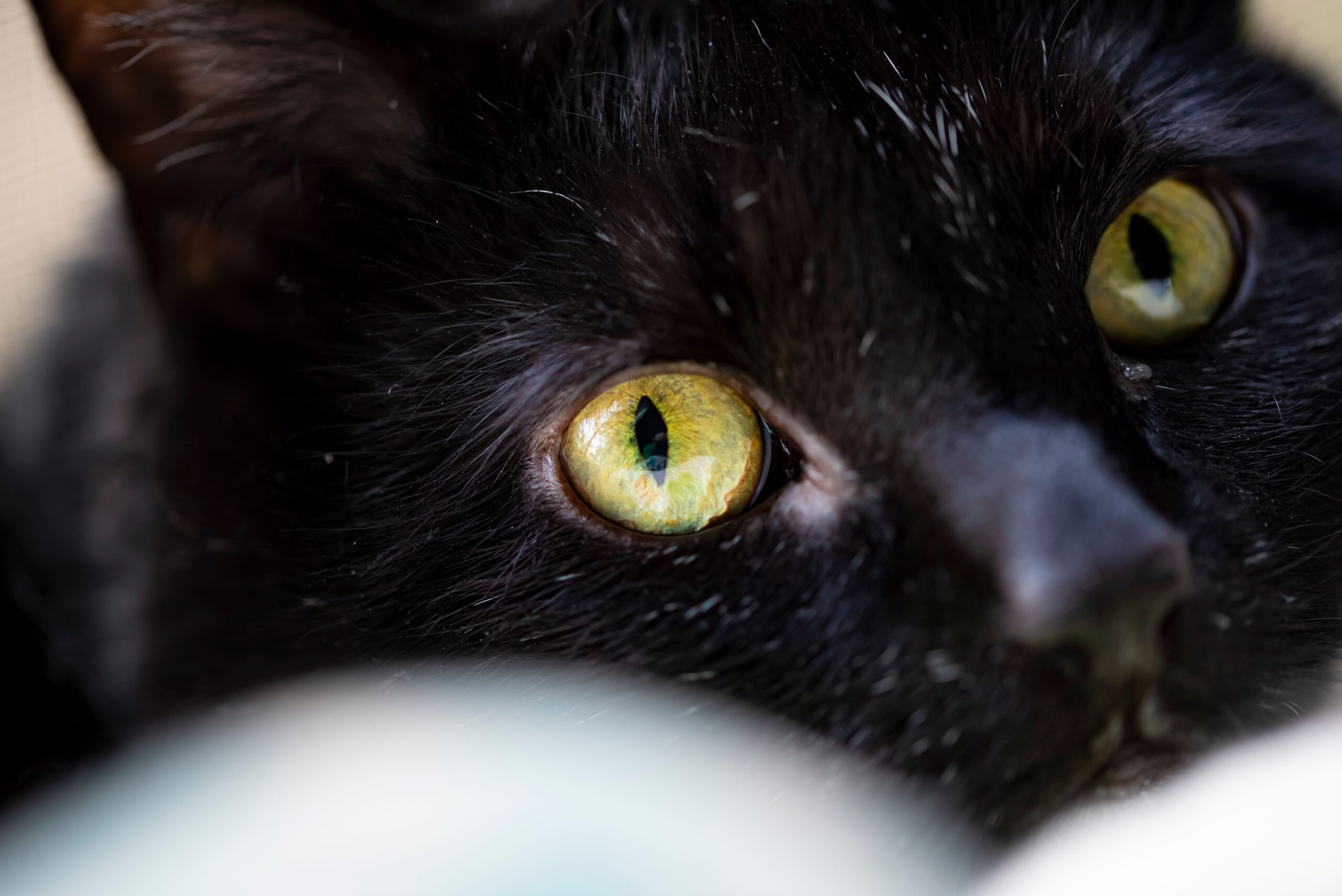
That cloudy or white spot on your cat’s eye might look alarming, but if your vet suspects corneal dystrophy, it’s actually one of the less worrying things a cloudy eye can signal. Corneal dystrophy is a rare, inherited condition where abnormal material builds up in the cornea, the clear outer layer of the eye. It’s not caused by injury or infection, it’s usually painless, and it rarely threatens your cat’s vision in any serious way. Here’s what you need to know.
 TL;DR
TL;DR
Corneal dystrophy is categorized by which layer of the cornea is affected, and that distinction matters because each type behaves a little differently. Here’s what you need to know about each one:
Epithelial corneal dystrophy is rarely reported in cats. It affects the outermost surface of the cornea, and you might notice small grayish or whitish spots on the eye. It can occasionally cause mild discomfort or lead to surface erosions, but serious complications are uncommon. For most cats, it’s more of a cosmetic finding than a medical concern.
Stromal corneal dystrophy is a well-documented form in cats. The stroma is the thick middle layer of the cornea, and when dystrophy develops here, it typically shows up as a white, crystalline, or hazy deposit near the center of the eye. The good news is that stromal dystrophy is usually painless, rarely affects vision, and tends to stay stable over time rather than getting progressively worse.
This is the one to take most seriously. The endothelium is the innermost layer of the cornea, and its job is to pump fluid out and keep the cornea clear. When it’s not working properly, the cornea starts to swell and cloud over, which can eventually lead to corneal ulcers and more significant vision problems.
Most cats with corneal dystrophy don’t show obvious signs of discomfort, which is part of why it often gets noticed during a routine vet visit rather than because something seems wrong. That said, here’s what you might observe at home:
If your cat is squinting, pawing at their eye, or seems sensitive to light, get to a vet sooner rather than later. Those signs can point to a corneal ulcer, which needs prompt treatment.
A cloudy eye doesn’t automatically mean corneal dystrophy. A few different conditions can look similar at first glance, and telling them apart matters because the treatment approach is completely different. Here’s a quick comparison:
Your vet can tell these apart with a thorough eye exam, often using a slit lamp (a specialized microscope that lets them examine the cornea layer by layer) and a fluorescein dye test to check for ulcers.
Your vet will start with a full eye exam. If they want a closer look, they’ll use a slit lamp, which works like a microscope for the eye and lets them see exactly which layer of the cornea is affected. They’ll likely also apply fluorescein dye to the eye’s surface to check for corneal ulcers. The dye is completely safe, and any ulcer will glow green under a special light, making it easy to spot.
Honestly, a lot of cats with corneal dystrophy don’t need treatment at all, just regular monitoring. Your vet may recommend:
There’s no cure for the underlying inherited condition, but with good monitoring and care, most cats live comfortably with it.
Yes, corneal dystrophy can be eligible for coverage under a Lemonade accident and illness policy, as long as the condition isn’t pre-existing. That means your cat shouldn’t be showing any signs or symptoms of corneal disease before your policy starts or during your waiting period.
Eye exams, slit lamp evaluations, fluorescein dye tests, medications, and any necessary procedures add up quickly. Having coverage in place before anything shows up is what makes it actually useful when you need it. If your cat is young and healthy right now, this is the right time to look into it.
A cloudy spot on your cat’s eye is worth a vet visit, but it’s not a reason to panic. For most cats, corneal dystrophy won’t get in the way of a normal, comfortable life. Get it properly diagnosed, build a monitoring plan with your vet, and take it from there. If you haven’t enrolled in pet insurance yet, it’s worth doing before any symptoms show up, so you’re covered if anything develops down the road.
Please note: Lemonade articles and other editorial content are meant for educational purposes only, and should not be relied upon instead of professional legal, insurance or financial advice. The content of these educational articles does not alter the terms, conditions, exclusions, or limitations of policies issued by Lemonade, which differ according to your state of residence. While we regularly review previously published content to ensure it is accurate and up-to-date, there may be instances in which legal conditions or policy details have changed since publication. Any hypothetical examples used in Lemonade editorial content are purely expositional. Hypothetical examples do not alter or bind Lemonade to any application of your insurance policy to the particular facts and circumstances of any actual claim.