
My Dog Has a Lump on Their Ear, What Is It?
Ear hematomas in dogs: causes, treatment, and recovery.

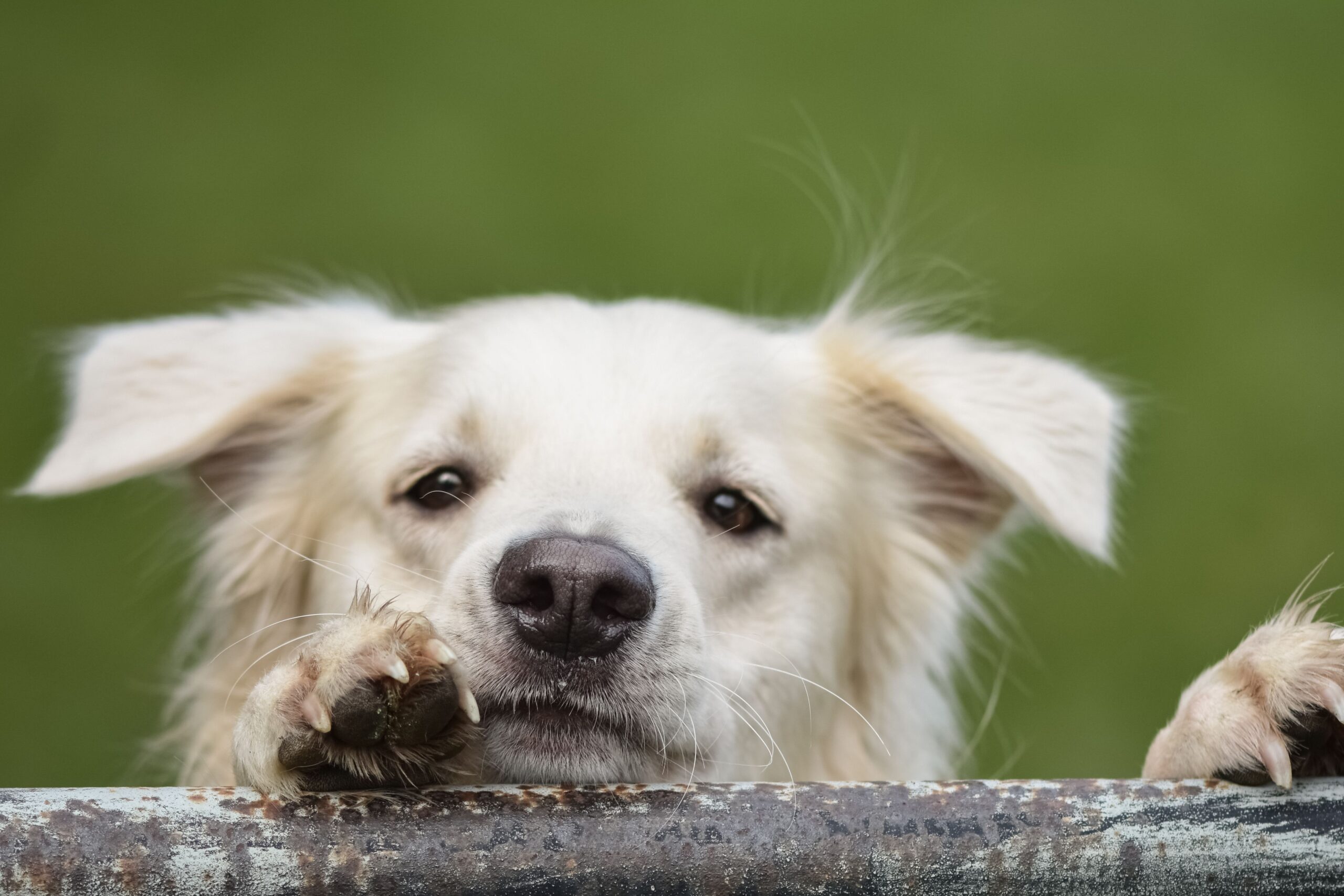
Ear hematomas in dogs: causes, treatment, and recovery.
You’re petting your dog’s ear and something feels off. There’s a soft, squishy, balloon-like lump on the ear flap that wasn’t there yesterday. It’s warm, a little puffy, and your dog is not thrilled when you touch it.
What you’re probably looking at is an ear hematoma – a pocket of blood that collects between the skin and the cartilage of your dog’s ear flap. It’s not a tumor, it’s not contagious, and it’s very treatable. But it does need a vet’s attention, and sooner is better than later.
 TL;DR
TL;DR
An ear hematoma (also called an aural hematoma) forms when a blood vessel in the ear flap ruptures and blood pools in the space between the skin and cartilage. The ear flap, medically called the pinna, fills up like a small, warm balloon.
It usually happens because your dog has been shaking their head or scratching at their ear repeatedly and hard. That repeated trauma is what breaks the blood vessel. The hematoma itself is a symptom, not the root problem. Something has been making your dog shake or scratch in the first place.
The most frequent triggers are:
Because the hematoma is a consequence of something else, treating just the swelling without addressing the underlying cause almost always leads to recurrence. Your vet will look at both.
A soft, fluid-filled swelling on the ear flap
Usually the first thing you’ll notice, warm to the touch and often appearing suddenly. On its own, this is a “call your vet today” situation, not a middle-of-the-night emergency visit.
The ear droops or sits at an odd angle
The weight of the swelling can change how the ear hangs. If you notice this alongside the lump, it confirms something is going on that needs attention.
Head shaking or pawing at the ear
A sign that whatever caused the hematoma is still bothering your dog. This is also a clue to the underlying cause.
Visible discomfort when the ear is touched
Your dog pulling away, whining, or tensing when you touch the ear tells you it’s painful, and another reason not to wait on a vet appointment.
Signs of an ear infection inside the ear canal
Odor, discharge, or redness inside the ear canal alongside the swelling strongly suggests an infection is the root cause.o a vet the same day.
It’s not typically a life-threatening emergency, so it won’t kill your dog the way a toxin or a severe injury might. But it is painful, and it can cause permanent damage if left untreated for too long. The short answer:
Call your vet and book an appointment today if:
Go to urgent or emergency care if:
A hematoma isn’t typically life-threatening, but it is painful and can cause permanent damage if left too long. Don’t wait a week to see if it resolves on its own.
The blood inside the ear flap will eventually clot and harden into scar tissue. As that happens, the ear cartilage shrinks and wrinkles, resulting in what’s called cauliflower ear. The deformity is permanent and irreversible, and in some cases can lead to hearing loss.
There’s no safe home treatment. Draining it yourself risks infection, and the blood will refill the pocket without proper management. Leave the draining to your vet.
Your vet will assess the size of the hematoma, how long it’s been there, your dog’s overall health, and what’s driving it. Then they’ll recommend one of a few approaches.
Your vet uses a needle to drain the blood from the pocket. It’s quick, requires no anesthesia, and gives immediate relief. The downside is a high recurrence rate. Without something to keep the ear flap layers pressed together while they heal, the space fills back up. Often used as a temporary measure or for small, early hematomas.
Rough cost: $50 to $150 per session.
After draining, your vet may inject a corticosteroid (an anti-inflammatory medication) into the ear flap to reduce swelling and help the tissue layers stick back together. Oral steroids can be used alongside aspiration or as a standalone approach in milder cases. This avoids surgery but may need repeating, and isn’t always effective for larger hematomas.
Rough cost: $100 to $300 including aspiration and medication.
The most definitive option. Your vet makes an incision in the ear flap, drains the blood, and places sutures through both sides to tack the skin against the cartilage. This prevents refilling and gives the tissue time to heal together. Requires general anesthesia and a recovery period, but has the lowest recurrence rate.
Rough cost: $300 to $800 or more depending on location and hematoma size.
Regardless of which treatment your vet recommends, they’ll also address the underlying cause, whether that’s an ear infection treated with prescription drops, ear mites cleared with a topical treatment, or allergies managed with dietary changes or medication. Without fixing the root problem, the hematoma is likely to come back.
Every dog and every hematoma is different, so your vet will make the final call. But here’s a plain-language comparison to help you walk into that appointment informed.
Regardless of which treatment path your vet recommends, they’ll also address the underlying cause, whether that’s an ear infection treated with prescription ear drops, ear mites cleared with a topical treatment, or allergies managed with dietary changes or medication. Without fixing the root problem, the hematoma is likely to come back.
If your dog had surgery, recovery typically takes three to four weeks. During that time:
Some mild thickening of the ear flap is normal even after a successful repair. Full cauliflower ear, where the ear becomes significantly deformed, is what early treatment is working to prevent.
Treatment for a dog ear hematoma, including diagnosis, aspiration, steroid injections, or surgery, can add up faster than you’d expect.
If your dog develops an ear hematoma after your Lemonade Pet policy is active, a base accident and illness policy may help cover the costs of diagnosis and treatment, as long as the condition isn’t pre-existing. That includes the underlying conditions that cause hematomas, like chronic ear infections or allergies, subject to the same pre-existing condition rules.
The key is being enrolled before a problem develops. If your dog already has a history of ear infections or a known hematoma, those conditions may be considered pre-existing and excluded from coverage. Getting covered while your dog is healthy keeps your options open.
Finding a squishy lump on your dog’s ear is the kind of thing that sends you straight to Google at an odd hour. The reassuring part: a dog ear hematoma is very manageable, and your vet has good options. The important part: don’t wait it out, don’t try to drain it yourself, and don’t skip treating whatever caused all that head shaking in the first place. Catch it early, treat it properly, and your dog has every chance of a full, comfortable recovery.
Technically it can reabsorb over time, but it won’t heal cleanly. Without treatment, the blood clots and hardens into scar tissue, causing permanent cauliflower-ear deformity. Most vets recommend treating it rather than waiting, both for your dog’s comfort and to preserve the ear’s shape.
A dog ear hematoma left untreated causes ongoing pain and, as the blood clots and scars, leads to permanent thickening and wrinkling of the ear flap known as cauliflower ear. The underlying cause, like an ear infection, will also continue to worsen without treatment.
If the swelling ruptures on its own, the fluid may drain but the pocket will likely refill, and there’s now an open wound that can get infected. Contact your vet right away if this happens so they can clean and properly manage the site.
Surgical drainage with sutures typically costs between $300 and $800 or more, depending on your location, the size of the hematoma, and your vet’s fees. Aspiration with steroid injection tends to run $100 to $300. A Lemonade Pet accident and illness policy may help offset these costs if the condition isn’t pre-existing.
The key is treating and managing the underlying cause. If your dog is prone to ear infections, allergies, or ear mites, staying on top of routine ear checks and following your vet’s prevention plan is the most effective way to reduce the risk of recurrence.
A few quick words, because we <3 our lawyers: This post is general in nature, and any statement in it doesn’t alter the terms, conditions, exclusions, or limitations of the policies issued, which differ according to your state of residence. You’re encouraged to discuss your specific circumstances with your own professional advisors. The purpose of this post is merely to provide you with info and insights you can use to make such discussions more productive! Naturally, all comments by, or references to, third parties represent their own views, and Lemonade assumes no responsibility for them. Coverage may not be available in all states. Please note that statements about coverages, policy management, claims processes, Giveback, and customer support apply to policies underwritten by Lemonade Insurance Company or Metromile Insurance Company, a Lemonade company, sold by Lemonade Insurance Agency, LLC. The statements do not apply to policies underwritten by other carriers.
Please note: Lemonade articles and other editorial content are meant for educational purposes only, and should not be relied upon instead of professional legal, insurance or financial advice. The content of these educational articles does not alter the terms, conditions, exclusions, or limitations of policies issued by Lemonade, which differ according to your state of residence. While we regularly review previously published content to ensure it is accurate and up-to-date, there may be instances in which legal conditions or policy details have changed since publication. Any hypothetical examples used in Lemonade editorial content are purely expositional. Hypothetical examples do not alter or bind Lemonade to any application of your insurance policy to the particular facts and circumstances of any actual claim.