
Is Your Cat's Eye Problem Actually Entropion?
Squinting, tearing, and discharge that keeps coming back. It might not be an infection.

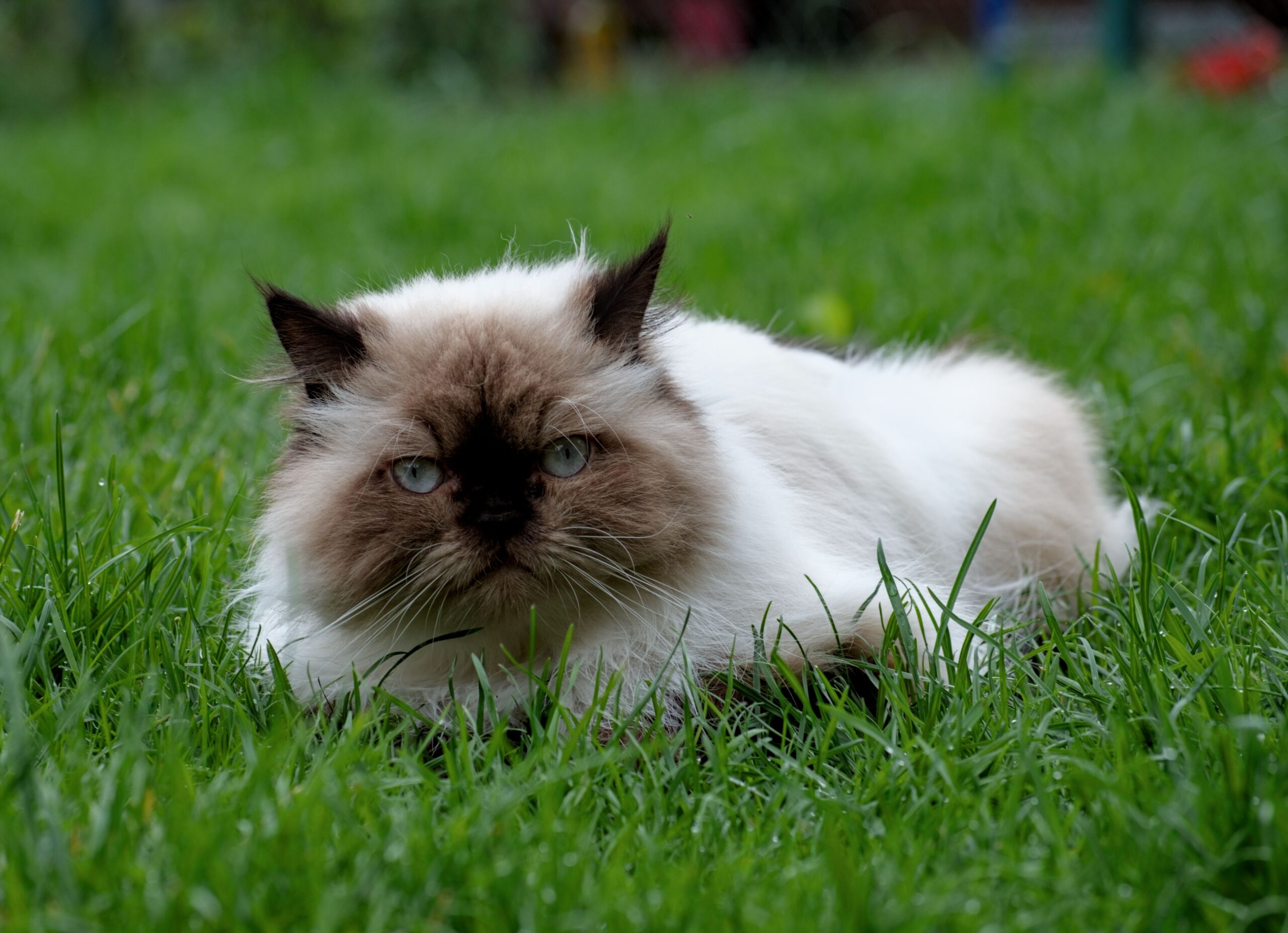
Squinting, tearing, and discharge that keeps coming back. It might not be an infection.
If your cat has been squinting, tearing up, or dealing with eye discharge that keeps coming back despite treatment, the eyelid itself might be what’s going on. Entropion is a condition where the eyelid rolls inward, causing fur or lashes to rub directly against the surface of the eye. That constant friction is painful, and left untreated, it can cause lasting damage to the cornea.
The good news? It’s very treatable once it’s properly identified.
 TL;DR
TL;DR
You’re not going to see a rolled eyelid at first glance. What you’ll notice is how your cat is acting. Feline entropion symptoms tend to show up as:
One-sided symptoms are a red flag. If only one eye is affected and it keeps coming back, that’s worth investigating beyond a standard eye infection.
There’s more than one reason a cat’s eyelid can start rolling inward, and the type matters because it changes what treatment looks like.
| Type | What’s happening | Who it affects |
|---|---|---|
| Spastic entropion | The most common type. An existing eye problem like a corneal ulcer, conjunctivitis, or feline herpesvirus causes the eyelid muscles to spasm and pull the lid inward. Treat the underlying cause and the entropion often resolves on its own. | Any cat with an underlying eye condition |
| Anatomical (breed-related) entropion | A structural issue, not triggered by another condition. Flat-faced breeds are built in a way that naturally predisposes them to eyelid rolling. | Persians, Himalayans, British Shorthairs |
| Congenital entropion | Some cats are simply born with it. It can show up in kittens before their eyes fully open and usually requires early intervention to prevent lasting corneal damage. | Kittens, any breed |
| Age-related (involutional) entropion | As cats age, loss of muscle tone and fat around the eye socket can cause the eyeball to sink slightly, pulling the lower lid inward with it. | Senior cats |
Spastic entropion is frequently misdiagnosed as conjunctivitis (eye inflammation, often called “pink eye”) or a corneal ulcer (a painful scratch or sore on the eye’s surface) that just won’t heal.
The pattern tends to look like this: a cat gets antibiotic eye drops, the eye improves a little, then flares again. The owner comes back. More drops. Same cycle. What hasn’t been checked is whether the eyelid itself is part of the problem.
Here are the red flags that suggest entropion rather than a simple infection:
If this sounds familiar, don’t hesitate to bring it up at your next vet visit. It’s a reasonable question and worth asking.
Diagnosing entropion is pretty straightforward, and none of the tests involved are invasive. Most can happen during a standard vet visit. Here’s what to expect:
Treatment depends on what type of entropion your cat has and how old they are. Here’s how each scenario typically plays out:
The first step is treating whatever triggered the eyelid spasm in the first place. If feline herpesvirus, a corneal ulcer, or conjunctivitis is the culprit, resolving that often resolves the entropion too. In the meantime, temporary tacking sutures, which are small stitches that hold the lid in the correct position while healing happens, can give the eye some much-needed relief.
This type usually needs surgery to fix properly. The most common procedure is called the Hotz-Celsus procedure, where a small strip of skin is removed from the eyelid to pull it back into the right position. It’s a precise surgery that’s typically performed by a veterinary ophthalmologist, a vet who specializes in eye conditions.
For older cats who may not be the best candidates for surgery, hyaluronic acid eyelid injections offer a less invasive alternative. A small amount of filler is injected near the eyelid to restore volume and gently push the lid back into place. It’s not a permanent fix, but it can provide meaningful relief and buy your cat a lot more comfort.
Cat entropion surgery typically runs between $1,000 to $3,000 or more, depending on the severity, whether a specialist is involved, and your location. Add in diagnostics, pre-surgical bloodwork, anesthesia, and post-op medications, and the total climbs quickly. It’s not something most people budget for until they’re already in the middle of it.
A Lemonade accident and illness policy can help cover eligible costs related to entropion, including diagnostics and surgery, as long as the condition isn’t pre-existing. That means your cat shouldn’t be showing any signs or symptoms of entropion before your policy starts or during your waiting period. If you have a Persian, Himalayan, or another brachycephalic breed, getting coverage in place before any eye issues develop is especially worth thinking about early.
A squinting, watery, or discharge-filled eye that keeps coming back despite treatment is worth investigating beyond a standard infection. Entropion is painful, and the longer it goes unaddressed, the greater the risk of lasting corneal damage. If something feels off about your cat’s eye, trust that instinct and bring it up with your vet.
And whatever breed you have, getting coverage in place while your cat is healthy just makes sense.
Spastic entropion sometimes resolves once the underlying cause (like a corneal ulcer or conjunctivitis) is treated. Structural, congenital, and age-related entropion generally don’t go away without intervention, and delaying treatment risks permanent eye damage.
Brachycephalic breeds with flat faces, like Persian cats and Himalayans, are most at risk due to their facial structure. Maine Coons and other large breeds may be more prone to age-related entropion as they get older.
Most cats recover within two to four weeks after the Hotz-Celsus procedure. Your cat will need to wear an e-collar during that time, and follow-up vet visits are needed to confirm the eyelid is healing correctly.
Lemonade Pet can cover diagnostics and surgery for conditions that aren’t pre-existing. If your cat shows eye symptoms before you enroll and before you pass your waiting periods, entropion may be excluded. Enrolling early, before symptoms appear, gives you the best chance of coverage when you need it.
A few quick words, because we <3 our lawyers: This post is general in nature, and any statement in it doesn’t alter the terms, conditions, exclusions, or limitations of the policies issued, which differ according to your state of residence. You’re encouraged to discuss your specific circumstances with your own professional advisors. The purpose of this post is merely to provide you with info and insights you can use to make such discussions more productive! Naturally, all comments by, or references to, third parties represent their own views, and Lemonade assumes no responsibility for them. Coverage may not be available in all states. Please note that statements about coverages, policy management, claims processes, Giveback, and customer support apply to policies underwritten by Lemonade Insurance Company or Metromile Insurance Company, a Lemonade company, sold by Lemonade Insurance Agency, LLC. The statements do not apply to policies underwritten by other carriers.
Please note: Lemonade articles and other editorial content are meant for educational purposes only, and should not be relied upon instead of professional legal, insurance or financial advice. The content of these educational articles does not alter the terms, conditions, exclusions, or limitations of policies issued by Lemonade, which differ according to your state of residence. While we regularly review previously published content to ensure it is accurate and up-to-date, there may be instances in which legal conditions or policy details have changed since publication. Any hypothetical examples used in Lemonade editorial content are purely expositional. Hypothetical examples do not alter or bind Lemonade to any application of your insurance policy to the particular facts and circumstances of any actual claim.