
Understanding EPI in Dogs
What exocrine pancreatic insufficiency is, why it happens, and what consistent management looks like day to day.

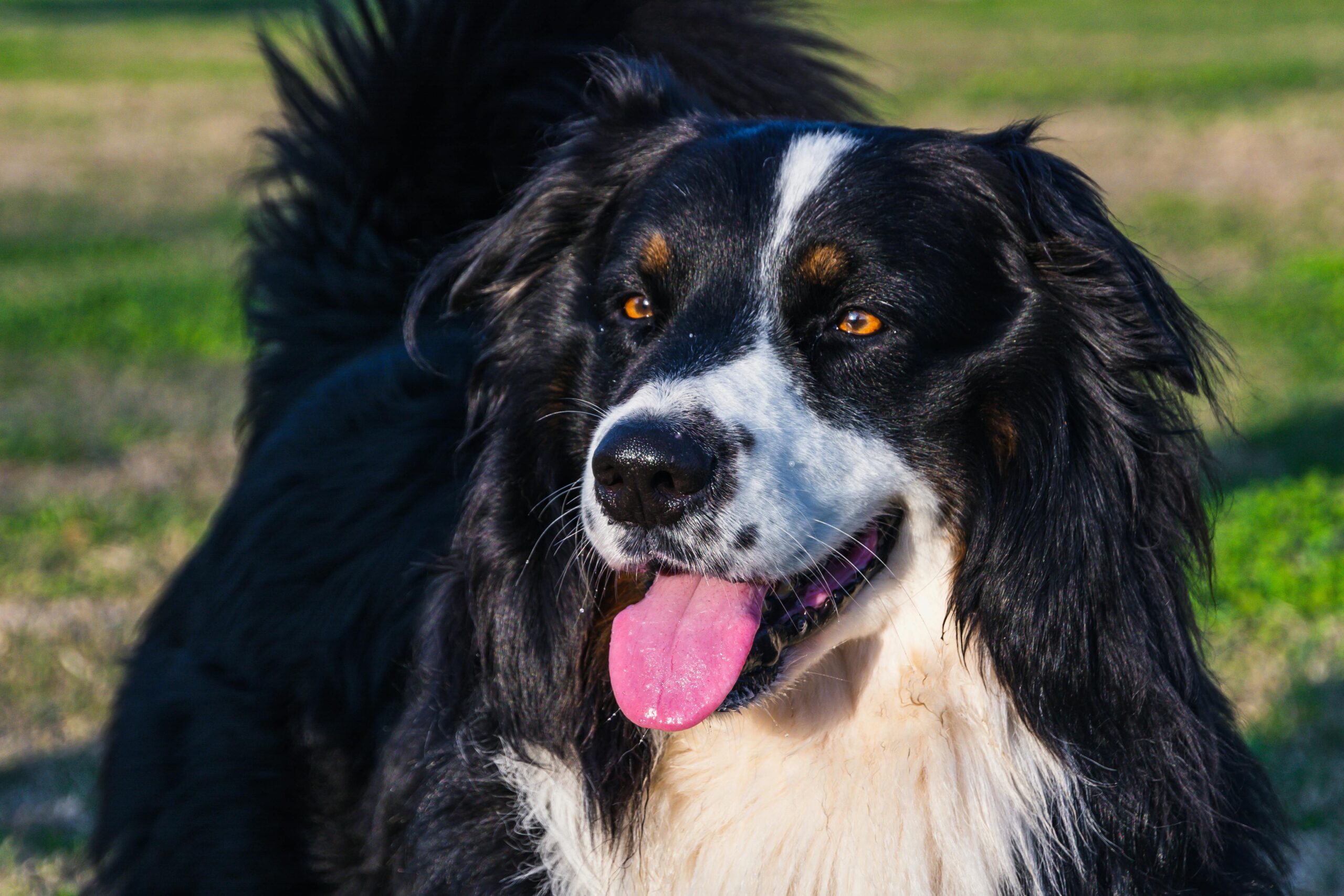
What exocrine pancreatic insufficiency is, why it happens, and what consistent management looks like day to day.
If your dog is eating more than usual but still losing weight, or their stools look greasy, pale, or smell particularly foul, it could point to a condition called exocrine pancreatic insufficiency, or EPI. It happens when the pancreas stops producing enough digestive enzymes, which means food passes through without being properly broken down or absorbed. Your dog can eat plenty and still be malnourished.
It’s a serious condition, but it’s also one of the more manageable chronic conditions in dogs. Most dogs on the right treatment do very well.
 TL;DR
TL;DR
The pancreas has two jobs. One is producing insulin to regulate blood sugar. The other is producing digestive enzymes that break down fats, proteins, and carbohydrates in the small intestine so the body can absorb them. EPI affects that second job.
When the pancreas can’t produce enough of those enzymes, food moves through the digestive system largely undigested. The body doesn’t get the nutrients it needs, no matter how much the dog eats. Over time, this leads to significant malnutrition and weight loss.
The most common cause is a condition called pancreatic acinar atrophy (PAA), where the cells responsible for producing digestive enzymes are gradually destroyed. This is believed to have an immune-mediated component, meaning the immune system plays a role in the destruction, though the full mechanism isn’t completely understood.
The second most common cause is chronic pancreatitis: repeated bouts of pancreatic inflammation that, over time, destroy enough enzyme-producing tissue to cause EPI. In rare cases, pancreatic cancer or previous pancreatic surgery can also be responsible.
Certain breeds are more prone to EPI, particularly German Shepherds, who account for the majority of cases. Rough Collies, Chow Chows, and Cavalier King Charles Spaniels are also documented as more susceptible.
The symptoms of EPI tend to develop gradually and can look like several other conditions, which is part of why it sometimes goes undiagnosed for a while. Here’s what to watch for:
If you’re noticing several of these together, contact your vet. The combination is distinctive enough that a vet will likely want to test for EPI specifically.
To confirm EPI, your vet will likely recommend a TLI test (Trypsin-like Immunoreactivity). This blood test measures the levels of an enzyme precursor produced by the pancreas, and low results point to EPI. Your vet might also check your dog’s cobalamin (B12) and folate levels since deficiencies are common with EPI and require targeted treatment.
Don’t be surprised if they ask for further tests like stool analysis or imaging to rule out other conditions with similar symptoms like inflammatory bowel disease (IBD).
Treatment for EPI centers on replacing the digestive enzymes the pancreas isn’t producing, and addressing any nutritional deficiencies or complications that have developed alongside it.
The foundation of treatment is a powdered pancreatic enzyme supplement, typically derived from porcine (pig) pancreas, mixed into your dog’s food at every meal. This replaces the enzymes the pancreas isn’t producing and allows food to be broken down and absorbed properly. This is a lifelong treatment, not a short course. Most dogs show noticeable improvement within a few weeks of starting, though getting back to a healthy weight and full coat condition can take several months.
If your dog’s B12 levels are low, supplementation is an important part of treatment. B12 can be given by injection or, in many cases, as an oral supplement. Your vet will determine the right approach and frequency based on your dog’s levels and how they respond to treatment.
Diet plays a supporting role. A highly digestible diet is generally recommended, but the ideal approach varies from dog to dog. Some do well on prescription digestive diets, others on raw food. Your vet is the best guide here, since what works depends on your individual dog’s response.
Dogs with EPI often develop small intestinal bacterial overgrowth (SIBO), a condition where bacteria in the small intestine multiply beyond normal levels, further interfering with digestion and nutrient absorption. When this is present, antibiotics like tylosin or metronidazole may be prescribed. Whether and how long antibiotics are needed varies by dog, and many improve with enzyme supplementation alone once EPI is well-controlled.
EPI is a lifelong condition, but the prognosis with proper management is excellent. Most dogs return to a healthy weight, regain their energy, and do well long-term. The key is consistency: enzyme supplementation at every meal, regular vet check-ins to monitor B12 levels and adjust dosing as needed, and staying attentive to any changes in symptoms.
There’s no cure for EPI, but it’s also not a condition that has to significantly limit your dog’s quality of life. Many dogs with EPI are managed well for years.
Yes, EPI is covered under Lemonade Pet’s base accident and illness policy, as long as it isn’t pre-existing. That includes eligible treatment costs like enzyme supplements, B12 injections, and other medications your vet recommends as part of managing the condition.
Since EPI is a lifelong condition, it also means regular vet visits over time: check-ins to monitor your dog’s weight, digestion, and overall response to treatment. The Visit Fee add-on can help cover the exam fees tied to those appointments, so the ongoing cost of staying on top of things doesn’t add up quietly in the background.
Getting a policy in place before any symptoms appear is the move that gives you the most to work with. Once your dog shows signs of EPI, it’s considered pre-existing and won’t be eligible for coverage.
It’s tough to hear your dog has a chronic condition, but remember: EPI is manageable. With the right care, your dog can still enjoy a vibrant, active life full of tail wags and adventures. Your vet is your best ally here, and having insurance can make it easier to focus on your dog’s care instead of costs.
No, EPI is a lifelong condition, but it can be effectively managed with enzyme replacement and proper care.
EPI is more common in breeds like German Shepherds and Rough Collies but can occur in any dog.
Most dogs show improvement in weight and energy within a few weeks of starting enzyme therapy.
A few quick words, because we <3 our lawyers: This post is general in nature, and any statement in it doesn’t alter the terms, conditions, exclusions, or limitations of the policies issued, which differ according to your state of residence. You’re encouraged to discuss your specific circumstances with your own professional advisors. The purpose of this post is merely to provide you with info and insights you can use to make such discussions more productive! Naturally, all comments by, or references to, third parties represent their own views, and Lemonade assumes no responsibility for them. Coverage may not be available in all states. Please note that statements about coverages, policy management, claims processes, Giveback, and customer support apply to policies underwritten by Lemonade Insurance Company or Metromile Insurance Company, a Lemonade company, sold by Lemonade Insurance Agency, LLC. The statements do not apply to policies underwritten by other carriers.
Please note: Lemonade articles and other editorial content are meant for educational purposes only, and should not be relied upon instead of professional legal, insurance or financial advice. The content of these educational articles does not alter the terms, conditions, exclusions, or limitations of policies issued by Lemonade, which differ according to your state of residence. While we regularly review previously published content to ensure it is accurate and up-to-date, there may be instances in which legal conditions or policy details have changed since publication. Any hypothetical examples used in Lemonade editorial content are purely expositional. Hypothetical examples do not alter or bind Lemonade to any application of your insurance policy to the particular facts and circumstances of any actual claim.