
What Is Gastroparesis In Dogs?
A stomach that empties too slowly. Here's what gastroparesis means for your dog and what management looks like.

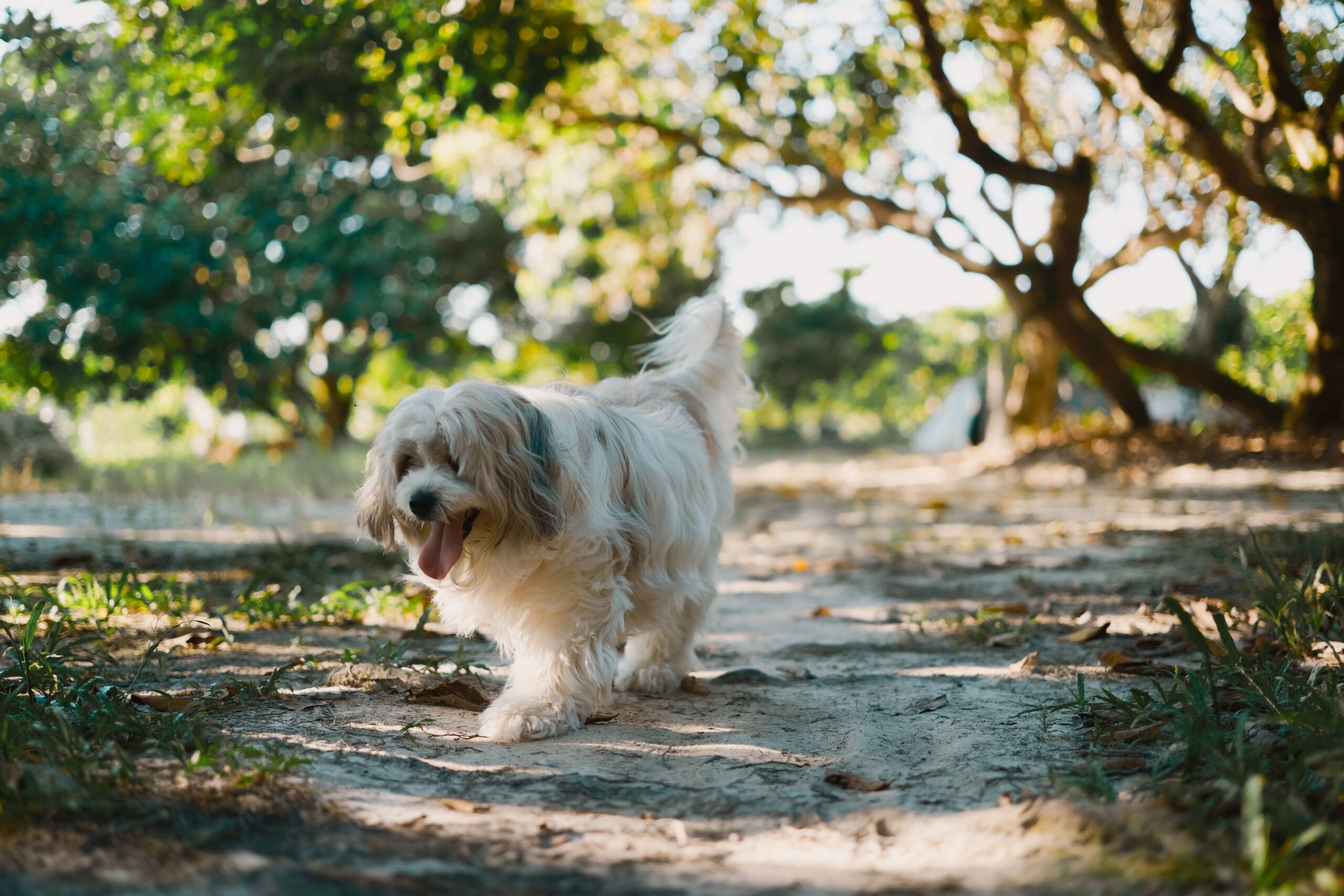
A stomach that empties too slowly. Here's what gastroparesis means for your dog and what management looks like.
If your dog vomits food hours after eating, looks bloated and uncomfortable after meals, or has been turning their nose up at the bowl lately, you might have come across the term gastroparesis. Here’s what it actually means in plain terms: your dog’s stomach isn’t doing its job of moving food along the way it should. Instead of food passing through normally, it sits in the stomach far longer than it should, which causes a whole chain of problems, from nausea and vomiting to gradual weight loss over time.
It’s not a common condition, and it’s usually a sign that something else is going on rather than a problem on its own. Knowing what to look for, and what your vet will do about it, makes a real difference when you’re trying to figure out next steps.
 TL;DR
TL;DR
The most telling sign is vomiting food that still looks completely undigested, sometimes two to eight hours after your dog ate it. That’s the stomach holding onto a meal it should have moved on from hours ago. Here’s what else to watch for:
These signs can look a lot like other digestive problems, which is why getting the right diagnosis matters before jumping to conclusions about what’s causing it.
Sometimes there’s a clear reason why the stomach has slowed down. Other times, no cause is ever found, and it’s simply labeled idiopathic gastroparesis. Here are the most common triggers:
There’s no single test that confirms this condition. Your vet will start by making sure there’s no physical blockage, since that needs to be dealt with before anything else. That usually means X-rays or an ultrasound to get a look at the stomach.
If the stomach looks clear, the next step is often a gastric emptying study. Your dog eats food or swallows a small amount of a special substance that shows up on imaging, and then your vet takes pictures at different time points to see how quickly the stomach is actually clearing. Think of it as watching the stomach in slow motion.
Bloodwork and urine tests help rule out metabolic causes, and in some cases the vet may use a small camera to look directly inside the stomach and check for inflammation or other changes.
If there’s a specific cause, that gets treated first. A blockage means surgery or removal. A medication side effect means adjusting the prescription. A metabolic condition means managing the underlying disease.
On top of that, almost every dog with gastroparesis needs two things: the right food routine and medication to help the stomach move.
These are called prokinetics, and they help the stomach muscles work more normally so food actually moves through instead of sitting still. Two commonly used options in dogs are metoclopramide and cisapride. Your vet will choose the right one based on your dog’s situation. These are prescription medications with specific dosing, so don’t try to source them independently.
The way you feed your dog day to day makes a real difference. Here’s what to focus on:
| What to do | Why it helps |
|---|---|
| Switch to a low-fat diet | Fat naturally slows how fast the stomach empties. For a dog already struggling, high-fat meals make symptoms significantly worse. |
| Feed smaller, more frequent meals | Three to five small meals instead of one or two large ones reduces how hard the stomach has to work at any given time. |
| Try softer or wetter food | Liquids and soft food move out of the stomach faster than dry kibble. Adding warm water to kibble or switching to wet food can help. |
| Keep a symptom diary | Write down what your dog ate, when, and when they vomited or seemed nauseous. Patterns help your vet fine-tune the plan. |
| Time meals around medication | Ask your vet whether your dog should eat 30 minutes after their prokinetic dose for best results. |
Yes, gastroparesis is eligible for coverage under a Lemonade Pet accident and illness policy, when the condition isn’t pre-existing. That means your dog shouldn’t be showing any signs or symptoms before your policy starts or during your waiting period.
Getting to a diagnosis can involve imaging, specialized emptying studies, bloodwork, and follow-up visits, all before ongoing medication is factored in. Getting coverage in place while your dog is healthy is what makes it actually useful when the bills start arriving.
Gastroparesis is a frustrating condition to manage, but the right combination of diet changes, medication, and consistent vet care can make a real difference in your dog’s day-to-day comfort. If your dog has been vomiting undigested food long after eating or seems uncomfortable after every meal, that’s worth a vet visit sooner rather than later. And if they’re healthy right now, now is a good time to make sure you have coverage in place before something comes up.
The most recognizable sign is vomiting or regurgitating food that looks largely undigested, often several hours after the meal. It may look like the food barely changed since it was eaten, which happens because it was sitting in the stomach instead of being processed normally.
A low-fat diet served in small, frequent meals is the standard approach. Soft or wet food tends to empty from the stomach more easily than dry kibble. Your vet can recommend a specific diet based on your dog’s overall health and any underlying conditions.
A gastric outflow obstruction is a physical blockage, like a foreign object or tumor, that prevents food from leaving the stomach. Gastroparesis is a motility problem, meaning the stomach muscles aren’t contracting properly. Both cause similar symptoms, which is why imaging is an important first step in diagnosis.
Yes. Certain medications, including opioid pain relievers and some others, can slow stomach motility as a side effect. If your dog developed symptoms after starting a new medication, let your vet know right away so they can evaluate whether the drug may be a contributing factor.
A few quick words, because we <3 our lawyers: This post is general in nature, and any statement in it doesn’t alter the terms, conditions, exclusions, or limitations of the policies issued, which differ according to your state of residence. You’re encouraged to discuss your specific circumstances with your own professional advisors. The purpose of this post is merely to provide you with info and insights you can use to make such discussions more productive! Naturally, all comments by, or references to, third parties represent their own views, and Lemonade assumes no responsibility for them. Coverage may not be available in all states. Please note that statements about coverages, policy management, claims processes, Giveback, and customer support apply to policies underwritten by Lemonade Insurance Company or Metromile Insurance Company, a Lemonade company, sold by Lemonade Insurance Agency, LLC. The statements do not apply to policies underwritten by other carriers.
Please note: Lemonade articles and other editorial content are meant for educational purposes only, and should not be relied upon instead of professional legal, insurance or financial advice. The content of these educational articles does not alter the terms, conditions, exclusions, or limitations of policies issued by Lemonade, which differ according to your state of residence. While we regularly review previously published content to ensure it is accurate and up-to-date, there may be instances in which legal conditions or policy details have changed since publication. Any hypothetical examples used in Lemonade editorial content are purely expositional. Hypothetical examples do not alter or bind Lemonade to any application of your insurance policy to the particular facts and circumstances of any actual claim.