
Why Does My Dog Keep Gagging and Licking Their Lips?
Acid reflux in dogs: signs, causes, and treatment.

Acid reflux in dogs: signs, causes, and treatment.
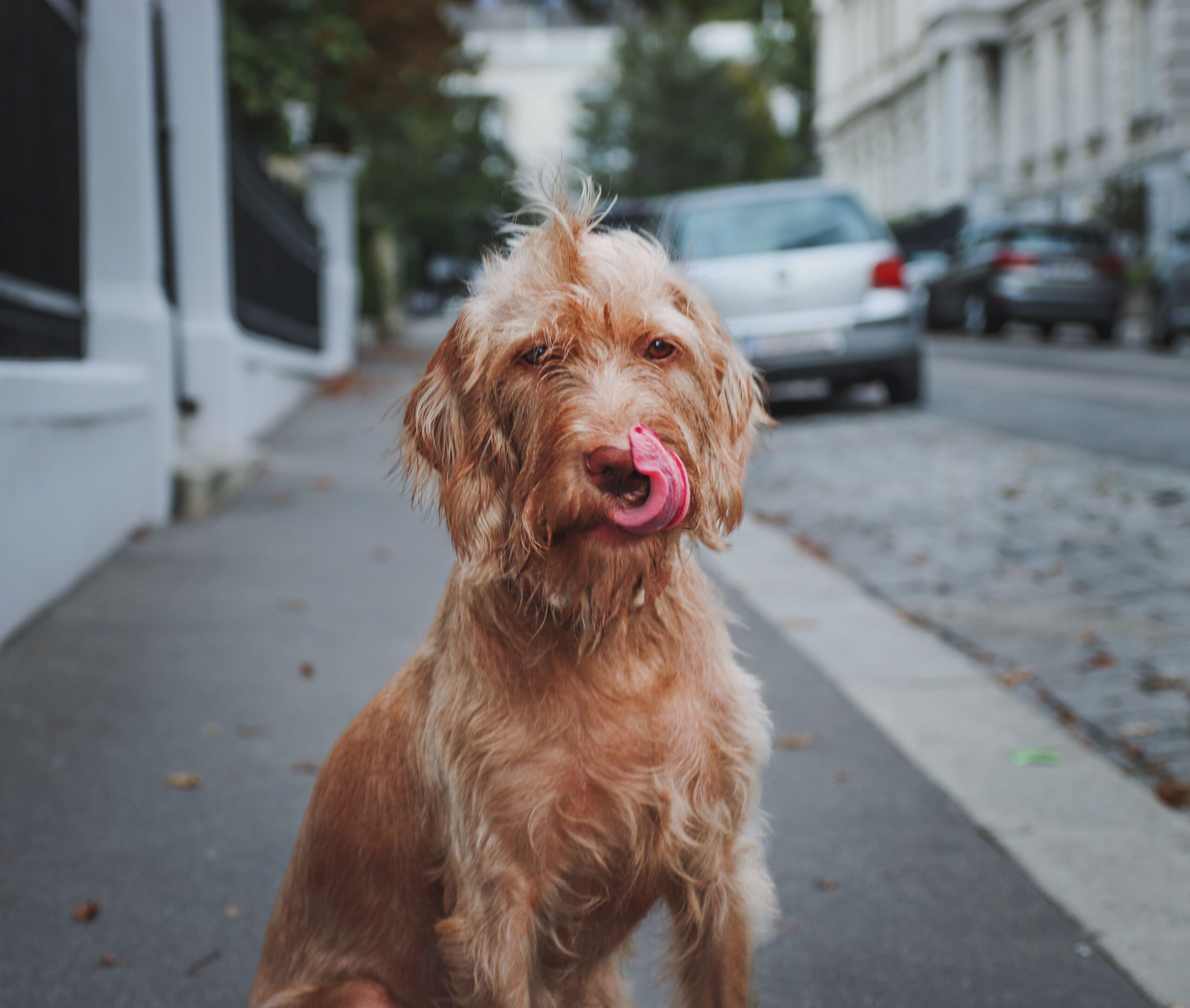
If your dog has been lip-licking obsessively, gagging after meals, or bringing up food without warning, you’re probably already deep in a late-night Google spiral. Acid reflux in dogs is more common than most people realize, and while it’s not always an emergency, it’s also not something to brush off.
 TL;DR
TL;DR
Acid reflux happens when stomach acid flows backward up into the esophagus, the tube that connects the mouth to the stomach, irritating and sometimes damaging the lining along the way. The medical term is gastroesophageal reflux disease, or GERD.
In healthy dogs, a muscle at the bottom of the esophagus called the lower esophageal sphincter acts like a one-way valve, keeping stomach contents moving in the right direction. When that valve relaxes or weakens at the wrong moment, acid gets through. It can be a one-off thing triggered by something like anesthesia or a high-fat meal, or it can become a chronic problem that needs real management.
Acid reflux isn’t a disease on its own. It’s a symptom, and figuring out what’s causing it shapes everything about how it gets treated.
Symptoms vary from dog to dog, and some are easy to miss. Here’s what to watch for:
These two look similar but they’re not the same, and telling them apart helps your vet narrow down what’s going on.
Vomiting is an active process. Your dog will heave, their abdomen will contract, and they may drool or pace beforehand. What comes up usually looks digested or partially digested and often smells bad.
Regurgitation is passive. It happens suddenly, often without warning, and the material looks undigested (think: tube-shaped food that came back up whole). There’s no heaving involved. Regurgitation points more directly to an esophageal or reflux issue, while vomiting has a longer list of possible causes.
There’s no single cause. Reflux in dogs usually comes from one of these:
Monitor closely and call your vet soon if:
Call your vet and aim to be seen within 24 hours if:
Go to emergency care now if:
That last set of signs can indicate aspiration pneumonia (more on that below), which is a genuine emergency. Don’t wait for a regular appointment.
Most articles about dog acid reflux treat it like one thing. It’s not.
Primary reflux is when the reflux itself is the problem. The lower esophageal sphincter is weak or dysfunctional, and acid backs up without another underlying condition driving it. This is what most people picture when they think of GERD.
Secondary reflux is when something else is causing it. Pancreatitis, food allergies, IBD, stress, a hiatal hernia, or a gut microbiome imbalance can all create conditions for acid to flow the wrong direction. In these cases, treating only the reflux symptoms with antacids or prokinetics without addressing the root cause is a bit like mopping the floor while the faucet is still running. Your dog might feel better temporarily, but the problem keeps coming back.
This is exactly why diagnostics matter. If your vet suspects secondary reflux, they’ll want to investigate further before settling on a treatment plan.
There’s no single test that confirms reflux on its own. Your vet will usually build a picture from several sources:
Your vet will tailor treatment to your dog’s specific situation, but here’s what the options generally look like:
A low-fat diet is almost always part of the plan. High-fat foods slow gastric emptying, meaning food sits in the stomach longer and creates more opportunity for acid to backflow. Your vet may recommend a prescription food or a specific diet. Feeding smaller, more frequent meals rather than one or two large ones can also reduce pressure on the lower esophageal sphincter.
Rarely needed, but if your dog has a hiatal hernia causing persistent, severe reflux, surgical correction may be the most effective long-term solution. This is a conversation for a veterinary surgeon if medical management isn’t working.
When stomach contents are regurgitated and accidentally inhaled into the lungs, it causes aspiration pneumonia, a serious bacterial infection of the lung tissue. It’s a real risk in dogs with chronic, untreated reflux.
Signs that your dog may have developed aspiration pneumonia include rapid or labored breathing, persistent coughing, lethargy, and fever. This is an emergency. Aspiration pneumonia requires hospitalization, IV antibiotics, and sometimes oxygen support. Treatment costs often run into several thousand dollars, and more in severe cases.
This is one of the clearest reasons not to wait and see when reflux symptoms are persistent. The longer the esophagus is exposed to acid without treatment, the higher the risk of this complication developing.
If your dog has had one episode of regurgitation and seems totally fine otherwise, you can monitor them closely. But call your vet if:
And if your dog is showing signs of breathing difficulty alongside regurgitation, go straight to an emergency vet. Don’t wait for a regular appointment.
For most dogs, the prognosis is good. Primary reflux often responds well to medication and dietary changes, and many dogs manage it long-term without major complications. Secondary reflux depends heavily on what’s causing it. Treat the underlying condition effectively, and the reflux often improves significantly.
Dogs with hiatal hernias or brachycephalic anatomy may need more intensive, ongoing management. Dogs who develop aspiration pneumonia face a more serious road, but with prompt treatment, many recover fully.
How your dog does depends a lot on how quickly the problem is caught and how consistently it’s managed. That’s not meant to alarm you. It’s a good reason to take those lip-licking episodes seriously.
Diagnostics and treatment for acid reflux can add up fast, especially if your dog needs an endoscopy, prescription medications, or emergency care for aspiration pneumonia.
If your dog develops acid reflux after your Lemonade Pet policy is active, a base accident and illness policy can help cover eligible costs including vet visits, diagnostics like endoscopy, and prescription medications, as long as the condition isn’t pre-existing and develops after the 14-day illness waiting period has passed. It’s worth knowing that complications arising from a pre-existing condition are also excluded, so getting coverage in place while your dog is healthy is what makes it genuinely useful.
Once a condition is diagnosed or shows symptoms, it may be considered pre-existing and excluded from coverage going forward. Some curable conditions may regain eligibility after 12 months without symptoms or treatment. Your policy details are the best place to confirm what applies to your dog’s situation.
Watching your dog gag, lick their lips compulsively, or bring up food is genuinely unsettling. The good news is that acid reflux in dogs is manageable in most cases, especially when it’s caught before complications develop. Work with your vet to figure out whether it’s primary reflux or something driving it from underneath, make the dietary adjustments they recommend, and keep a close eye on things.
Occasional regurgitation or lip-licking after a fatty meal might not be a big deal, but if symptoms are frequent, your dog is losing weight, or you see blood or breathing changes, that warrants a vet visit. A vet can run tests to rule out more serious conditions like pancreatitis, IBD, or aspiration pneumonia.
Omeprazole is sometimes used in dogs, but the dose, formulation, and whether it’s appropriate for your dog specifically should always be determined by your vet. Human medications aren’t always safe or effective for dogs at the same doses, so don’t self-medicate without guidance.
A low-fat, easily digestible diet is usually the starting point. Smaller, more frequent meals help reduce pressure on the lower esophageal sphincter. Your vet may recommend a specific prescription diet depending on what’s driving the reflux.
Yes. Flat-faced (brachycephalic) breeds like French Bulldogs, Pugs, and English Bulldogs are significantly more prone to acid reflux due to their anatomy. Dogs with congenital hiatal hernias are also at higher risk.
Costs vary widely. A vet visit with basic bloodwork might run $150–$400. An endoscopy can cost $800–$2,000 or more. If aspiration pneumonia develops, hospitalization can exceed $3,000–$5,000. Medications like omeprazole or sucralfate are generally more affordable on an ongoing basis.
A few quick words, because we <3 our lawyers: This post is general in nature, and any statement in it doesn’t alter the terms, conditions, exclusions, or limitations of the policies issued, which differ according to your state of residence. You’re encouraged to discuss your specific circumstances with your own professional advisors. The purpose of this post is merely to provide you with info and insights you can use to make such discussions more productive! Naturally, all comments by, or references to, third parties represent their own views, and Lemonade assumes no responsibility for them. Coverage may not be available in all states. Please note that statements about coverages, policy management, claims processes, Giveback, and customer support apply to policies underwritten by Lemonade Insurance Company or Metromile Insurance Company, a Lemonade company, sold by Lemonade Insurance Agency, LLC. The statements do not apply to policies underwritten by other carriers.
Please note: Lemonade articles and other editorial content are meant for educational purposes only, and should not be relied upon instead of professional legal, insurance or financial advice. The content of these educational articles does not alter the terms, conditions, exclusions, or limitations of policies issued by Lemonade, which differ according to your state of residence. While we regularly review previously published content to ensure it is accurate and up-to-date, there may be instances in which legal conditions or policy details have changed since publication. Any hypothetical examples used in Lemonade editorial content are purely expositional. Hypothetical examples do not alter or bind Lemonade to any application of your insurance policy to the particular facts and circumstances of any actual claim.