
GDV Symptoms in Dogs
What gastric dilatation-volvulus is, how to recognize it fast, and why getting to a vet immediately is the only option.

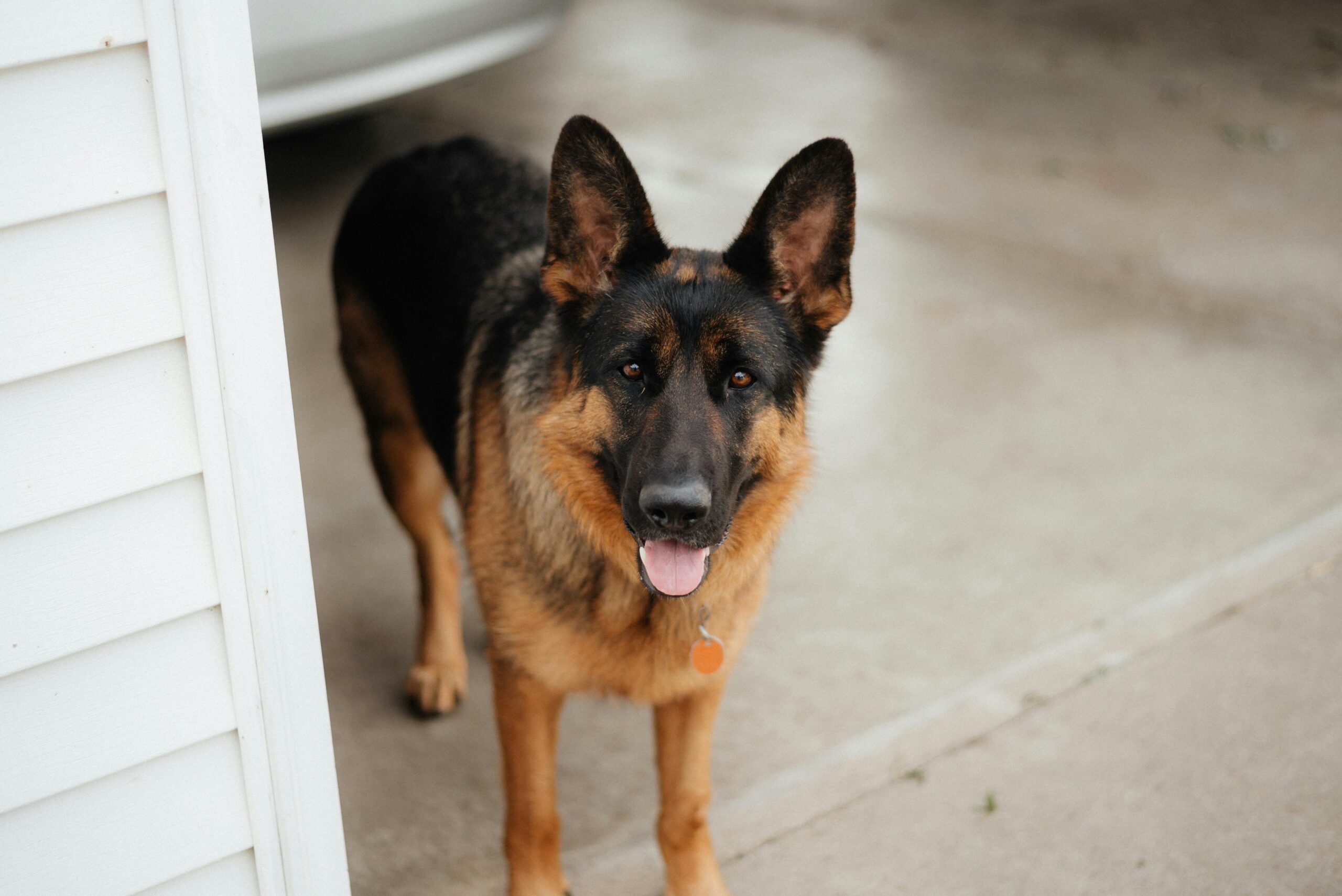
What gastric dilatation-volvulus is, how to recognize it fast, and why getting to a vet immediately is the only option.
If your dog’s belly looks swollen, they’re retching without bringing anything up, or they seem suddenly weak or distressed, this could be a medical emergency. Gastric dilatation-volvulus (GDV), often called bloat, is one of the most serious conditions a dog can develop, and it can become fatal within hours. This article will help you understand what’s happening, what to watch for, and what to do.
 TL;DR
TL;DR
GDV has two components, and understanding both helps explain why it’s so dangerous.
The first is gastric dilatation: the stomach fills with gas, food, or fluid and expands. On its own, this is serious and needs veterinary attention.
The second, and more critical, is volvulus: the swollen stomach rotates and twists on itself. When this happens, both ends of the stomach become blocked, trapping everything inside. More critically, the blood supply to the stomach and surrounding organs gets cut off. Without blood flow, tissue begins to die. This is what makes GDV a surgical emergency.
Even with prompt surgery, mortality rates range from 10 to 33%, depending on how quickly treatment begins and how much damage has already occurred. Without surgery, survival is not possible.
Time is the critical factor with GDV. The sooner you recognize these signs, the better your dog’s chances. Here’s what to look for:
If you’re seeing any combination of these signs, don’t wait for them to worsen or resolve on their own. Get to a vet or emergency clinic right away.
The exact mechanism behind GDV isn’t fully understood, but several risk factors have been identified:
Certain breeds face significantly higher risk:
If your dog is one of these breeds, it’s worth having a specific conversation with your vet about GDV risk and prevention.
Your vet will begin with a physical exam and move quickly. Diagnosis typically involves:
Speed here is everything. The diagnostic process is kept as brief as possible to get your dog into surgery as quickly as can be managed.
There is no home treatment for GDV. The only path forward is emergency veterinary care.
Before surgery, your vet will work to stabilize your dog, typically with IV fluids to support blood pressure and circulation, and gastric decompression, which involves relieving the pressure in the stomach by releasing the trapped gas. This stabilization buys critical time before the operating room.
Surgery involves two main steps:
Surgery costs typically range from $3,000 to $10,000, depending on location, the complexity of the case, and what’s found during the procedure.
GDV can’t always be prevented, but there are steps that can meaningfully lower the risk:
For high-risk breeds, talk to your vet about a prophylactic gastropexy: a preventive surgery that attaches the stomach to the abdominal wall before any GDV occurs. Many vets can perform this at the same time as a spay or neuter procedure, which reduces the overall cost and recovery time.
Yes, GDV and its treatment are covered under Lemonade Pet’s base accident and illness policy, as long as the condition isn’t pre-existing. Given that treatment often means emergency surgery, that coverage can make a significant difference when you’re already dealing with a stressful situation.
If you have a large or deep-chested breed that’s prone to GDV, it’s also worth knowing that some dogs undergo a preventative procedure called stomach tacking, or gastropexy, to reduce the risk of the stomach flipping in the first place. In select states, Lemonade’s Routine Vet Care Plus add-on can help cover a portion of that preventative procedure. It’s not available everywhere, so it’s worth checking whether your state is eligible when you get a quote.
As always, the earlier you get a policy in place the better. GDV can happen without warning, and once a related condition is on your dog’s record, it’s typically considered pre-existing. If your dog is healthy now, that’s the time to act.
GDV is serious, and reading about it can feel heavy, especially if you have a breed that’s at higher risk. The most useful thing this article can do is make sure you know what to look for and what to do, because acting quickly is genuinely what determines the outcome. If something seems wrong with your dog, trust that instinct and get to a vet. You don’t need to be certain it’s GDV to make that call.
Unproductive retching (trying to vomit but nothing comes out) is often the first sign.
No, but deep-chested breeds like Great Danes and German Shepherds are at higher risk.
It can range from $3,000 to $10,000, depending on your location and the severity.
A few quick words, because we <3 our lawyers: This post is general in nature, and any statement in it doesn’t alter the terms, conditions, exclusions, or limitations of the policies issued, which differ according to your state of residence. You’re encouraged to discuss your specific circumstances with your own professional advisors. The purpose of this post is merely to provide you with info and insights you can use to make such discussions more productive! Naturally, all comments by, or references to, third parties represent their own views, and Lemonade assumes no responsibility for them. Coverage may not be available in all states. Please note that statements about coverages, policy management, claims processes, Giveback, and customer support apply to policies underwritten by Lemonade Insurance Company or Metromile Insurance Company, a Lemonade company, sold by Lemonade Insurance Agency, LLC. The statements do not apply to policies underwritten by other carriers.
Please note: Lemonade articles and other editorial content are meant for educational purposes only, and should not be relied upon instead of professional legal, insurance or financial advice. The content of these educational articles does not alter the terms, conditions, exclusions, or limitations of policies issued by Lemonade, which differ according to your state of residence. While we regularly review previously published content to ensure it is accurate and up-to-date, there may be instances in which legal conditions or policy details have changed since publication. Any hypothetical examples used in Lemonade editorial content are purely expositional. Hypothetical examples do not alter or bind Lemonade to any application of your insurance policy to the particular facts and circumstances of any actual claim.