
What is glomerulonephritis in dogs?
Often silent early on, glomerulonephritis can progress quickly. Here's what to watch for and how it's managed.

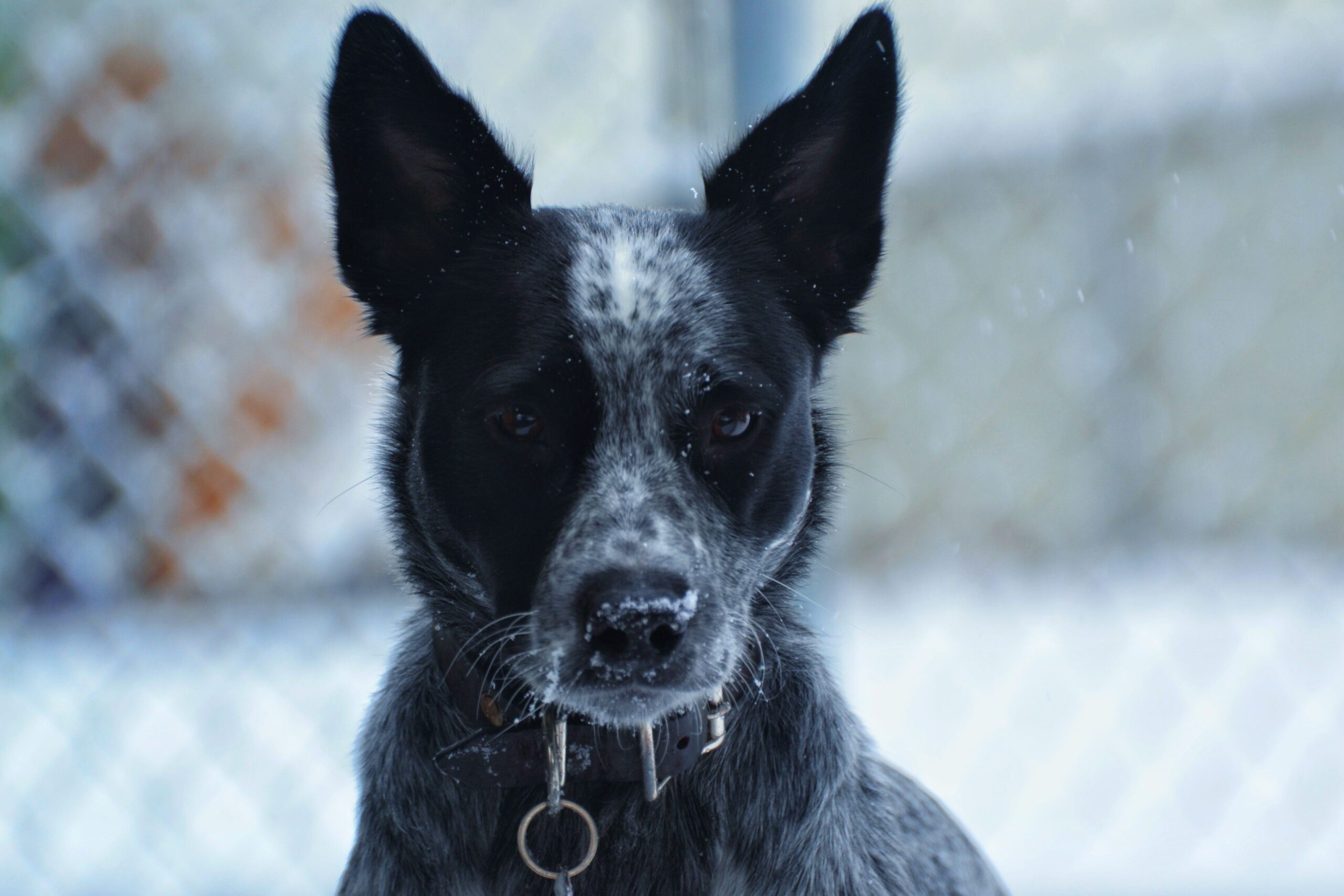
Often silent early on, glomerulonephritis can progress quickly. Here's what to watch for and how it's managed.
If your vet just told you there’s protein in your dog’s urine, or used the word glomerulonephritis, it’s okay to feel overwhelmed. Here’s what’s actually happening in plain terms.
Your dog’s kidneys contain millions of tiny filters called glomeruli. Their job is to clean waste from the blood while keeping important proteins where they belong, inside the bloodstream. When those filters become inflamed or scarred, they develop holes, and protein that should stay in the blood starts leaking into the urine instead. That protein loss, if left unchecked, can snowball into serious kidney disease. Here’s what you need to know.
 TL;DR
TL;DR
Most cases are immune-mediated, meaning the immune system plays a role. Bundles of antibodies and the things they’re fighting get deposited in the kidney’s filters and trigger inflammation. The underlying trigger can be:
Some breeds, including Bernese Mountain Dogs, Soft Coated Wheaten Terriers, and Cocker Spaniels, have a genetic predisposition to glomerular disease, so breed history matters too.
Early glomerulonephritis often has no visible symptoms at all. Your dog might seem completely normal while protein is quietly leaking from their kidneys. That’s exactly why routine urine testing matters so much.
As the condition progresses, or when protein loss becomes severe enough to cause widespread effects, you may start to notice:
If you see sudden breathing difficulty or your dog seems unable to use a limb normally, get to a vet immediately. Blood clots are one of the most dangerous complications of this condition.
The first clue is usually protein showing up in a routine urinalysis. From there, diagnosis involves a few more steps:
| Test | What it’s looking for |
|---|---|
| UPC ratio (urine protein:creatinine ratio) | Quantifies exactly how much protein is leaking. A ratio above 0.5 in dogs is considered abnormal. |
| Bloodwork | Checks kidney values, blood protein levels, and looks for underlying causes like infections or inflammation |
| Blood pressure measurement | High blood pressure is both a cause and a consequence of glomerular disease |
| Infectious disease testing | Especially for tick-borne diseases if your dog has been exposed |
| Kidney biopsy | A tiny tissue sample taken to look at the filters under a microscope. Confirms the diagnosis and guides treatment, though not always required. |
Treatment depends heavily on the underlying cause, and your vet will likely take a layered approach:
Prognosis depends a lot on how much kidney function remains at diagnosis and whether an underlying cause can be found and treated. Some dogs do well for years with management. Others progress more quickly to chronic kidney disease. Honest conversations with your vet about your dog’s specific situation are key.
Because glomerulonephritis is often silent in the early stages, catching it before serious damage occurs comes down to proactive testing and knowing what to watch for.
A standard urinalysis can flag protein in the urine, but the UPC ratio tells you how much is leaking. Ask your vet to run one if your dog is middle-aged or older, is a breed with known kidney risk, has had a tick-borne disease, or if routine screening flags any protein at all. It’s a simple urine test that can catch glomerular disease months or years before a dog shows obvious symptoms.
If your dog is already on a renal diet and medications like benazepril, consistency matters enormously. Skipping doses or switching foods without vet guidance can set back progress. Keep up with scheduled recheck appointments, because UPC ratios and kidney values need to be monitored regularly. Fresh water, low-stress routines, and avoiding medications that stress the kidneys are all part of the picture.
Yes, glomerulonephritis is eligible for coverage under a Lemonade Pet accident and illness policy, as long as the condition isn’t pre-existing. That means your dog shouldn’t be showing any signs or symptoms before your policy starts or during your waiting period.
The diagnostic workup alone can run into hundreds of dollars, between UPC testing, bloodwork, blood pressure monitoring, infectious disease panels, and potentially a kidney biopsy. Then add ongoing medications, prescription renal diets, and regular rechecks, and you’re looking at a condition that’s expensive to manage long-term. Getting coverage in place while your dog is healthy is what makes it actually useful when you need it.
A glomerulonephritis diagnosis is a lot to take in, but understanding what’s happening, catching it early with the UPC ratio, and sticking with a treatment plan that addresses the root cause all make a real difference. Keep that communication open with your vet, ask questions, and don’t wait on routine kidney screening if your dog is at risk. And if your dog is currently healthy, now is the right time to get coverage in place before a diagnosis changes things.
Glomerulonephritis dog life expectancy varies widely. Dogs caught early with a treatable underlying cause can live for years with good management. Dogs already in advanced chronic kidney disease at diagnosis have a more guarded outlook. Your vet can give you a realistic picture based on your dog’s specific kidney values and UPC ratio.
Protein in urine (proteinuria) means the kidney’s filters are letting protein escape into the urine instead of keeping it in the bloodstream. A small amount can be normal, but persistent or significant proteinuria, measured by the urine protein:creatinine (UPC) ratio, warrants further investigation for glomerular disease or other kidney conditions.
Yes. Tick-borne diseases like Lyme disease and ehrlichiosis are among the most common infectious triggers for immune-mediated glomerulonephritis in dogs. Treating the tick-borne infection is an important part of managing the kidney damage it causes.
Benazepril is an ACE inhibitor that lowers blood pressure inside the kidney’s filtering units. This directly reduces how much protein leaks into the urine and helps slow the progression of glomerular disease and chronic kidney disease in dogs.
Not always. A biopsy, where the vet takes a small sample of kidney tissue to examine under a microscope, gives the most definitive diagnosis and helps guide treatment. But depending on your dog’s condition and stability, your vet may manage the disease based on UPC ratio and other tests without performing a biopsy.
A few quick words, because we <3 our lawyers: This post is general in nature, and any statement in it doesn’t alter the terms, conditions, exclusions, or limitations of the policies issued, which differ according to your state of residence. You’re encouraged to discuss your specific circumstances with your own professional advisors. The purpose of this post is merely to provide you with info and insights you can use to make such discussions more productive! Naturally, all comments by, or references to, third parties represent their own views, and Lemonade assumes no responsibility for them. Coverage may not be available in all states. Please note that statements about coverages, policy management, claims processes, Giveback, and customer support apply to policies underwritten by Lemonade Insurance Company or Metromile Insurance Company, a Lemonade company, sold by Lemonade Insurance Agency, LLC. The statements do not apply to policies underwritten by other carriers.
Please note: Lemonade articles and other editorial content are meant for educational purposes only, and should not be relied upon instead of professional legal, insurance or financial advice. The content of these educational articles does not alter the terms, conditions, exclusions, or limitations of policies issued by Lemonade, which differ according to your state of residence. While we regularly review previously published content to ensure it is accurate and up-to-date, there may be instances in which legal conditions or policy details have changed since publication. Any hypothetical examples used in Lemonade editorial content are purely expositional. Hypothetical examples do not alter or bind Lemonade to any application of your insurance policy to the particular facts and circumstances of any actual claim.