
Does My Dog Have High Cholesterol?
Hyperlipidemia in dogs: causes, symptoms, and treatment.

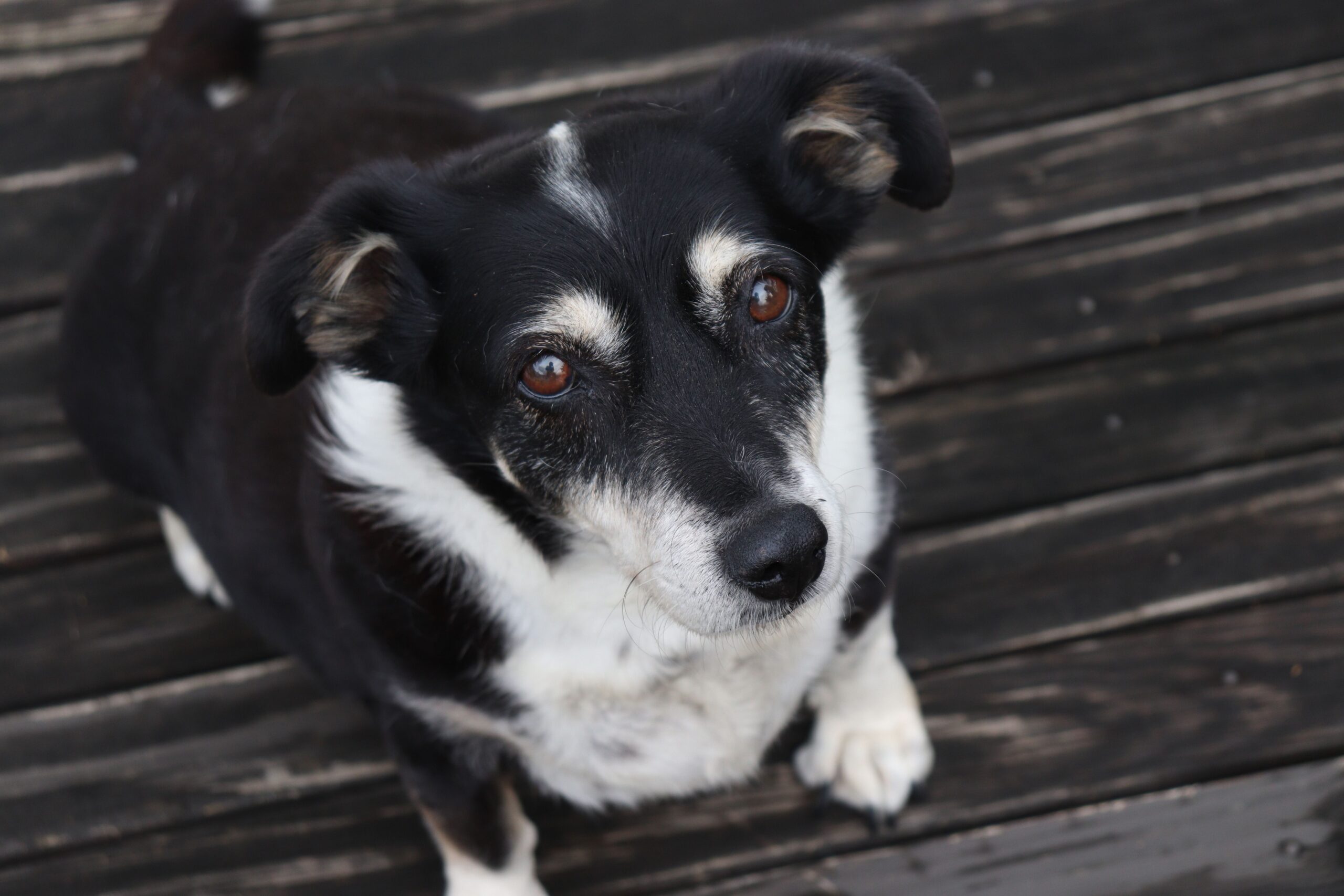
Hyperlipidemia in dogs: causes, symptoms, and treatment.
Your dog just had routine blood work done, and the vet mentioned that their cholesterol is elevated. Before your mind jumps to heart attacks and statins, take a breath. High cholesterol in dogs, called hyperlipidemia (meaning too many fats circulating in the bloodstream), works very differently than it does in humans. It rarely causes the same cardiac risks, most dogs show zero symptoms, and in many cases it’s a sign of something else going on that’s very treatable.
Here’s what that blood work result actually means, what causes it, and what you and your vet can do about it.
 TL;DR
TL;DR
Hyperlipidemia simply means there are elevated levels of fats (lipids) in your dog’s blood. That includes cholesterol and triglycerides, which are another type of fat the body uses for energy. A normal dog cholesterol level generally falls below about 270 to 300 mg/dL, and triglycerides typically stay under 150 mg/dL. When those numbers climb significantly above that range, it gets flagged on a blood panel.
One important caveat: if your dog ate a meal before the blood draw, the numbers can look artificially high. Your vet will usually recommend a fasting lipid profile (blood work done after 12 hours without food) to confirm the result before moving forward with any diagnosis.
Most dogs with high cholesterol look and act completely normal. That’s what makes it easy to miss without routine lab work. When symptoms do appear, they’re usually a sign that levels have been elevated for a while or have climbed very high.
Most dogs with hyperlipidemia won’t show any of these signs. The condition is typically caught on routine blood work, which is exactly why annual wellness visits matter.
There are two main categories: high cholesterol that’s caused by an underlying disease (called secondary hyperlipidemia), and high cholesterol that’s inherited (called primary or genetic hyperlipidemia). The vast majority of cases fall into the first category.
Some dogs are simply born with a tendency to produce or retain more fat in their blood, regardless of diet or health status. Breeds with a known genetic predisposition to hyperlipidemia include:
If your dog is one of these breeds, ask your vet about screening for cholesterol and triglyceride levels as part of routine annual care, even if they seem perfectly healthy.
This is usually not an emergency. Hyperlipidemia is most often discovered incidentally on routine bloodwork in a dog that seems perfectly healthy. If that’s your situation, a regular vet appointment to discuss results and next steps is all you need.
See a vet within 24 hours if:
Go to emergency care now if:
This is the part most people don’t hear clearly enough. When a dog’s cholesterol is elevated because of hypothyroidism or diabetes, the high cholesterol is a symptom, not the disease. If your vet only puts your dog on a low-fat diet without investigating what’s driving the numbers up, the underlying condition will keep progressing quietly.
Think of it like a check engine light. You can put a piece of tape over the dashboard, but the engine is still the problem. Treating the cholesterol alone without treating the hypothyroidism, diabetes, or Cushing’s disease underneath it is the equivalent of that tape.
This is why your vet will likely recommend additional testing after an elevated lipid panel. Tests might include:
Once the underlying cause is identified and treated, cholesterol levels often normalize on their own. That’s why this follow-up step isn’t optional. It’s the whole point.
Treatment depends on what’s causing the elevated levels. But across most cases, there are a few common approaches your vet may recommend.
A low-fat, high-fiber dog food is usually the first step. Fiber helps slow fat absorption in the gut and supports healthier lipid levels over time. Your vet may recommend a prescription diet, especially for breeds like Miniature Schnauzers who tend to need lifelong dietary management. For many dogs, this is a permanent change, not a short-term fix. It’s worth knowing that prescription or therapeutic diet food is not covered under a base pet insurance policy – that’s an out-of-pocket cost to factor into your budget.
Extra body weight raises lipid levels. Regular, moderate exercise helps improve how the body processes fat. Your vet can help you figure out a realistic target weight and activity level for your dog’s age and breed.
Fish oil, specifically omega-3 fatty acids, has been shown to help reduce triglyceride levels in dogs, including in Miniature Schnauzers with primary hyperlipidemia. Your vet can recommend an appropriate dose based on your dog’s size. Check with your vet before using a human supplement, since dosing and formulation matter.
Cholesterol-lowering medications (sometimes called fibrates, such as fenofibrate, a class of drugs that reduce fat production in the liver) are occasionally used in dogs when diet and supplements aren’t enough, especially in primary genetic cases. They’re not as commonly prescribed as they are in humans, but they’re an option when needed.
If hypothyroidism is driving the numbers, thyroid hormone replacement medication usually brings cholesterol back into a normal range within a few months. If it’s diabetes or Cushing’s disease, managing those conditions directly is what moves the needle. This is the most important treatment decision your vet will make.
Managing hyperlipidemia in dogs is typically a lifelong commitment, not a one-time fix. Expect:
Most dogs with well-managed hyperlipidemia live full, normal lives. The key is staying on top of follow-up care so small changes don’t go unnoticed.
It depends on what’s driving it. Hyperlipidemia itself is rarely the billable item – the costs come from diagnosing and treating the
underlying condition. If your dog develops hypothyroidism, Cushing’s disease, diabetes, or pancreatitis after your Lemonade Pet policy is active, a base accident and illness policy can help cover those diagnostics and treatments, as long as the condition isn’t pre-existing and develops after the 14-day illness waiting period.
A few things that aren’t covered under the base policy: prescription or therapeutic diet food (a common part of managing hyperlipidemia) and routine wellness blood work. The latter can be covered with a Preventative Care add-on.
If your dog is a breed predisposed to high cholesterol, like a Miniature Schnauzer or Beagle, the best time to enroll is before
any symptoms show up. Once a condition is diagnosed, it may be considered pre-existing and excluded from coverage going forward.
A high cholesterol result on your dog’s blood work isn’t a reason to panic, but it is a reason to act. The numbers themselves are rarely the whole story. What matters most is figuring out what’s driving them up, because in most cases, that’s where the real treatment begins. Work closely with your vet, follow through on the recommended diagnostics, and if dietary changes are prescribed, stick with them for the long haul. Your dog is counting on that consistency more than any single medication.
A healthy dog cholesterol level is generally below 300 mg/dL, and normal triglyceride levels typically fall under 150 mg/dL. These numbers can vary slightly by lab, so your vet will interpret them alongside other factors like whether your dog fasted before the blood draw.
Yes. A high-fat meal within 12 hours of a blood draw can cause temporarily elevated lipid levels that look like hyperlipidemia. That’s why vets typically recommend a fasting blood panel to confirm the diagnosis before moving forward.
Yes. Miniature Schnauzers have a well-documented genetic predisposition to elevated triglycerides and high cholesterol. It’s one of the most common health issues in the breed, and many Schnauzers require lifelong low-fat dietary management.
High cholesterol in dogs doesn’t carry the same heart disease risk it does in humans. However, severely elevated levels can cause pancreatitis, corneal lipid deposits, xanthomas (fatty skin lumps), and in extreme cases, neurological symptoms like seizures. The bigger concern is usually the underlying condition causing it.
Your vet may recommend a prescription low-fat, high-fiber diet. In general, that means avoiding high-fat proteins, limiting treats, and cutting out table scraps entirely. Don’t switch your dog’s diet without checking with your vet first, since the right food depends on what’s causing the elevated levels.
A few quick words, because we <3 our lawyers: This post is general in nature, and any statement in it doesn’t alter the terms, conditions, exclusions, or limitations of the policies issued, which differ according to your state of residence. You’re encouraged to discuss your specific circumstances with your own professional advisors. The purpose of this post is merely to provide you with info and insights you can use to make such discussions more productive! Naturally, all comments by, or references to, third parties represent their own views, and Lemonade assumes no responsibility for them. Coverage may not be available in all states. Please note that statements about coverages, policy management, claims processes, Giveback, and customer support apply to policies underwritten by Lemonade Insurance Company or Metromile Insurance Company, a Lemonade company, sold by Lemonade Insurance Agency, LLC. The statements do not apply to policies underwritten by other carriers.
Please note: Lemonade articles and other editorial content are meant for educational purposes only, and should not be relied upon instead of professional legal, insurance or financial advice. The content of these educational articles does not alter the terms, conditions, exclusions, or limitations of policies issued by Lemonade, which differ according to your state of residence. While we regularly review previously published content to ensure it is accurate and up-to-date, there may be instances in which legal conditions or policy details have changed since publication. Any hypothetical examples used in Lemonade editorial content are purely expositional. Hypothetical examples do not alter or bind Lemonade to any application of your insurance policy to the particular facts and circumstances of any actual claim.