
Does Your Puppy Have Hypertrophic Osteodystrophy?
Swollen legs, high fever, and sudden limping. Here's what HOD looks like in large breed puppies and how to help.

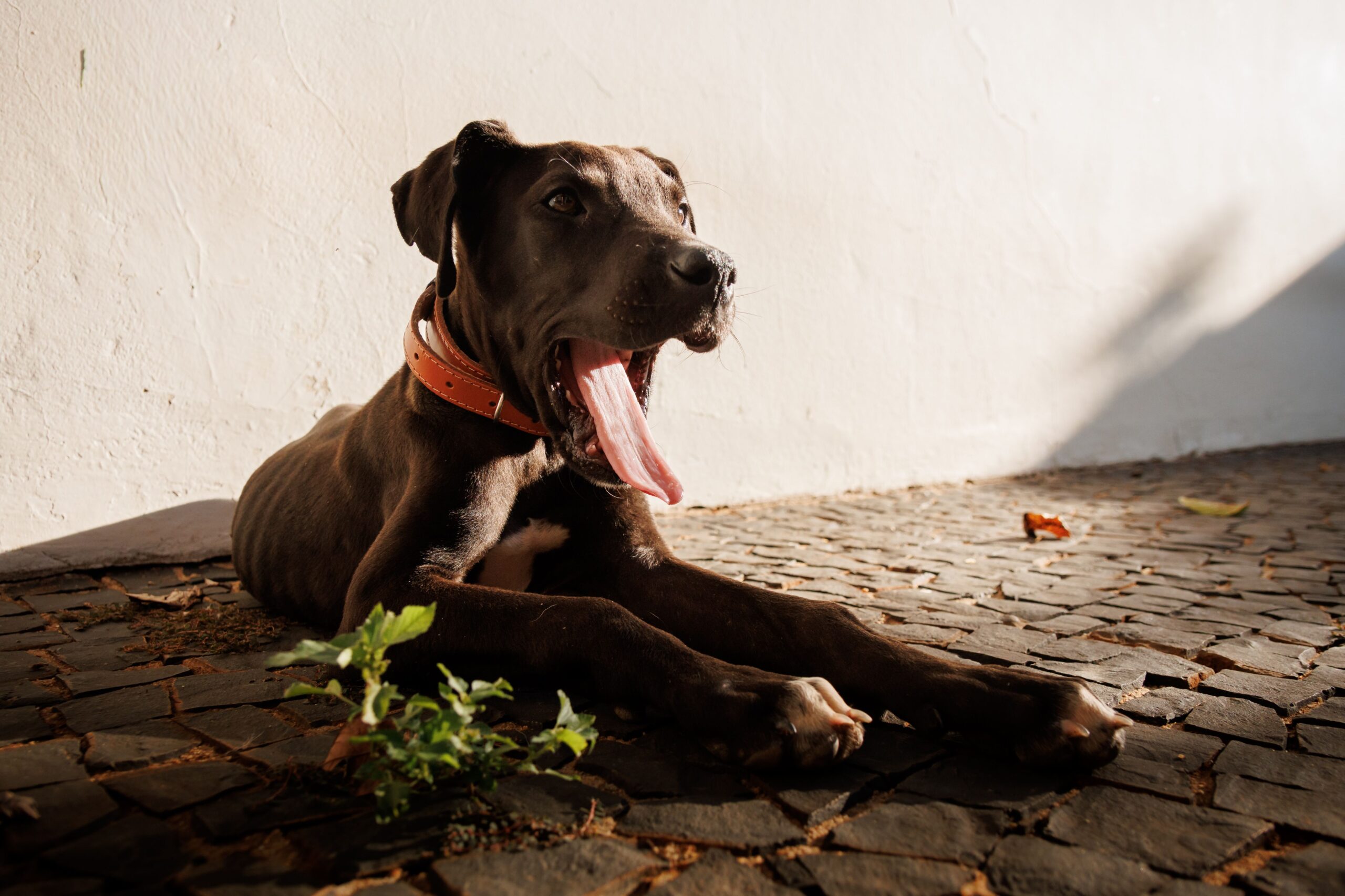
Swollen legs, high fever, and sudden limping. Here's what HOD looks like in large breed puppies and how to help.
If your large-breed puppy is suddenly limping, running a fever, and flinching when you touch their legs, you’re right to be worried. One of the conditions that can cause exactly that is hypertrophic osteodystrophy, or HOD, a painful bone disease that affects fast-growing puppies during their most intense growth phases. It’s hard to watch, but here’s the reassuring part: most puppies get through it. HOD is often self-limiting, meaning it tends to resolve on its own as the puppy matures. Understanding what’s happening and how to help makes a real difference.
 TL;DR
TL;DR
HOD symptoms tend to come on suddenly and can look pretty alarming. You’re not imagining it. Your puppy is in real pain. Here’s what to watch for:
Symptoms can come in waves. A few days of misery, followed by a period of seeming almost normal, then another flare. Some puppies have one mild episode and that’s it. Others have repeated, severe ones that need active management each time.
The honest answer is that we don’t have one definitive cause. What we do know is that several factors seem to contribute.
Rapid growth is the biggest risk factor. HOD almost exclusively affects large and giant breed puppies during their fastest growth phases. Genetics play a clear role too. Great Danes, Weimaraners, Irish Setters, Boxers, and other giant breeds are significantly overrepresented in HOD cases. Diet is another piece of the puzzle. Overfeeding or supplementing calcium can push puppies to grow faster than their bones can handle, which stresses the developing bone tissue.
The common thread is that something disrupts normal bone development at the zone just behind the growth plate, where new bone is actively forming. That disruption causes inflammation, pain, and swelling.
If you bring your puppy in with swollen, painful legs and a fever, your vet will start with X-rays of the affected limbs. HOD shows up on X-rays as a distinctive dark line running parallel to the growth plate in the long bones, a finding sometimes called the “double physis” sign. This reflects bone breakdown in the area just behind the growth plate and is one of the clearest diagnostic indicators of the condition.
Your vet will also want to rule out panosteitis, another painful bone condition in young large breed dogs that causes shifting leg lameness. The two can look similar from the outside, but X-rays help tell them apart. Bloodwork may also be recommended to check for infection or other underlying issues, especially if the fever is significant.
There’s no single cure for HOD, but there’s a lot that can be done to keep your puppy comfortable while their bones mature through the rough patch.
Your vet will likely prescribe NSAIDs (non-steroidal anti-inflammatory drugs) like meloxicam or carprofen for pain relief and inflammation. Never use human NSAIDs like ibuprofen. They’re toxic to dogs. For more severe cases, a short course of corticosteroids can bring inflammation down faster. Rest and restricted activity during flares are essential, and your vet may recommend reviewing your puppy’s diet and switching to a large breed puppy formula if you’re not already using one.
Most puppies respond well to treatment and come through HOD without lasting bone damage. In rare, severe cases, chronic HOD can lead to bone deformity, which is why getting on top of flares early matters.
During an active flare, your puppy needs comfort and calm. Here’s what actually helps:
Give them a thick, soft surface to rest on. Orthopedic foam or a well-padded dog bed makes a real difference. Hard floors make swollen legs worse. Keep food and water close by so they don’t have to walk far to reach them. Limit stairs, jumping, and rough play entirely. Short, calm bathroom trips only. Monitor their temperature at home. A rectal temperature above 104°F warrants a call to your vet or emergency clinic.
It’s natural to want to give your puppy extra nutrients when they’re hurting. But over-supplementing calcium or pushing rapid weight gain through high-calorie food is one of the things that can make bone development worse, not better. Large breed puppy formulas are specifically designed to promote steady, controlled growth, which is exactly what HOD-prone breeds need. If you’ve been giving calcium supplements or a food not labeled for large breeds, talk to your vet about making a switch. Don’t add supplements without guidance, even ones that seem harmless.
| Sign | What it means |
|---|---|
| Temperature above 104°F that won’t come down | The fever needs urgent intervention |
| Your puppy won’t stand or bear any weight | Pain is severe and needs immediate management |
| Complete refusal to eat or drink for more than 24 hours | Risk of dehydration on top of the flare |
| Severe pain not controlled by prescribed medication | Current treatment isn’t enough |
| Rapid worsening despite treatment | Needs reassessment right away |
Most puppies do grow out of HOD. Because it’s tied to the active growth phase, it typically resolves once the growth plates close, usually by 12 to 18 months depending on the breed. Mild to moderate cases often leave no lasting issues at all.
Severe or recurrent cases carry a small risk of bone deformity or stunted growth in the affected limb, which is why consistent vet monitoring across flares is important. The prognosis is generally good, but self-limiting doesn’t mean you should ignore it. Each flare needs proper management to give your puppy the best shot at a clean recovery.
Yes, HOD is eligible for coverage under a Lemonade Pet accident and illness policy, as long as the condition isn’t pre-existing. That means your puppy shouldn’t be showing any signs or symptoms before your policy starts or during your waiting periods.
HOD can mean multiple vet visits, repeat X-rays, and rounds of medication across several months and several flares. Diagnostic imaging and prescription medications are covered under the base policy. Vet exam and office visit fees can be covered by adding the Visit Fee add-on. For a large breed puppy, enrolling early before any symptoms appear is what keeps those recurring flare costs eligible for coverage.
HOD is painful and scary to watch, but most puppies come through it without lasting damage. Stay on top of flares, keep your puppy comfortable and rested, feed them a diet designed for large breeds, and work closely with your vet at every step. The growth phase that’s causing all this trouble is also temporary. Your puppy will get through it, and so will you.
And if you haven’t looked into pet insurance yet, now is a good time to do it while your puppy is still healthy.
Most do, yes. Hypertrophic osteodystrophy is tied to the active bone growth phase in puppies, so it typically resolves once growth plates close, usually by 12 to 18 months. Mild and moderate cases usually leave no lasting effects, though severe cases can carry a small risk of bone changes.
Large and giant breeds are most commonly affected, with Great Danes and Weimaraners among the highest-risk breeds. Irish Setters, Boxers, and other fast-growing giant-breed puppies are also frequently diagnosed with HOD.
Diet isn’t a confirmed direct cause, but overfeeding, feeding a food not designed for large breeds, or adding calcium supplements can promote the kind of rapid growth that stresses developing bones. A balanced large-breed puppy formula is strongly recommended for at-risk breeds.
Both cause pain and limping in young large-breed dogs, but they affect different parts of the bone. HOD involves inflammation at the metaphysis, the zone just behind the growth plate, while panosteitis affects the interior of the bone shaft. X-rays help vets tell them apart.
A few quick words, because we <3 our lawyers: This post is general in nature, and any statement in it doesn’t alter the terms, conditions, exclusions, or limitations of the policies issued, which differ according to your state of residence. You’re encouraged to discuss your specific circumstances with your own professional advisors. The purpose of this post is merely to provide you with info and insights you can use to make such discussions more productive! Naturally, all comments by, or references to, third parties represent their own views, and Lemonade assumes no responsibility for them. Coverage may not be available in all states. Please note that statements about coverages, policy management, claims processes, Giveback, and customer support apply to policies underwritten by Lemonade Insurance Company or Metromile Insurance Company, a Lemonade company, sold by Lemonade Insurance Agency, LLC. The statements do not apply to policies underwritten by other carriers.
Please note: Lemonade articles and other editorial content are meant for educational purposes only, and should not be relied upon instead of professional legal, insurance or financial advice. The content of these educational articles does not alter the terms, conditions, exclusions, or limitations of policies issued by Lemonade, which differ according to your state of residence. While we regularly review previously published content to ensure it is accurate and up-to-date, there may be instances in which legal conditions or policy details have changed since publication. Any hypothetical examples used in Lemonade editorial content are purely expositional. Hypothetical examples do not alter or bind Lemonade to any application of your insurance policy to the particular facts and circumstances of any actual claim.