
Understanding Luxating Patella in Dogs
A guide to symptoms, grades, treatment options, and how pet insurance can help.

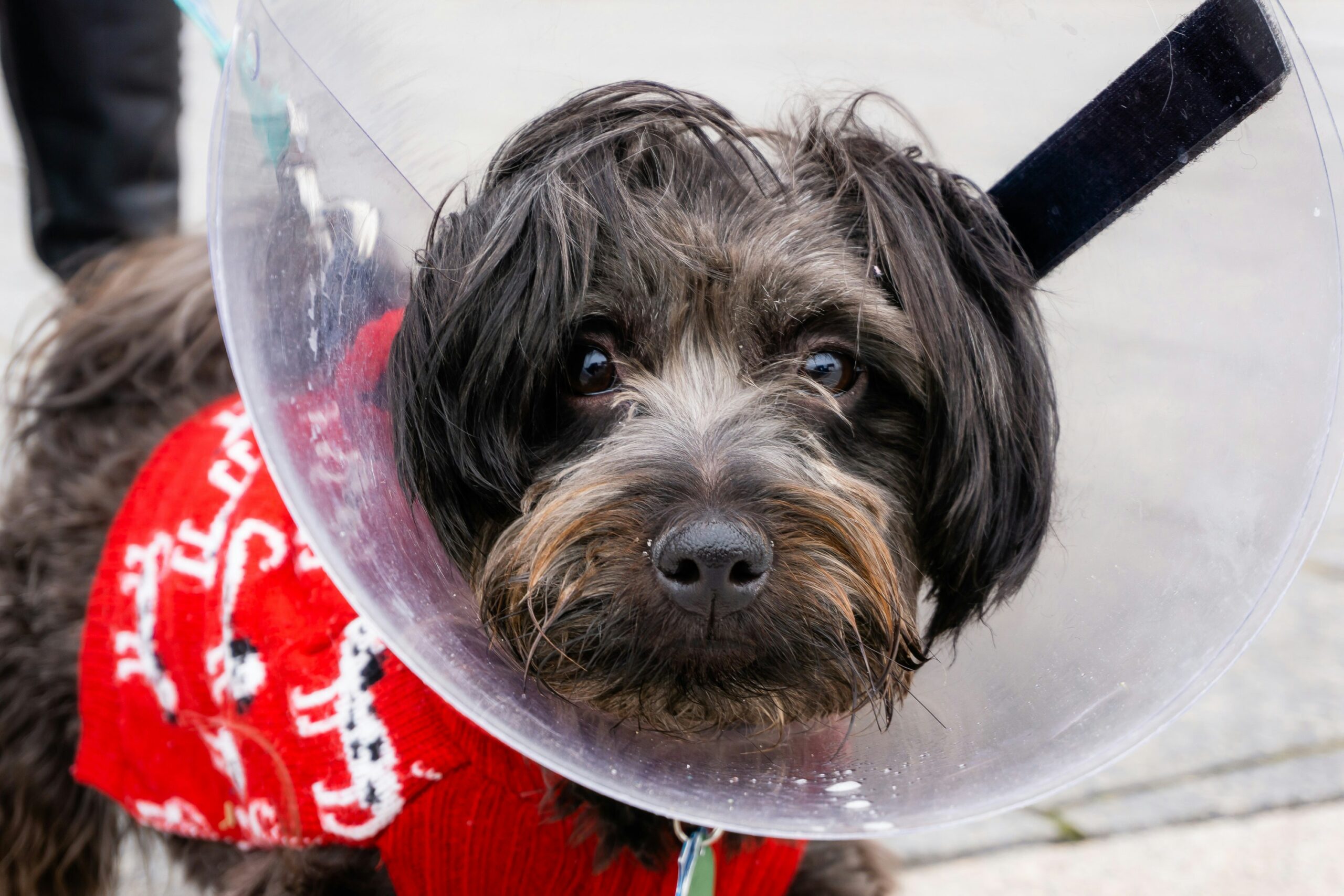
A guide to symptoms, grades, treatment options, and how pet insurance can help.
If you’ve noticed your dog skipping a step, holding up a back leg, or limping on and off, it’s worth paying attention. One common cause is a luxating patella, a kneecap that slips out of place. It’s one of the most common orthopedic conditions in dogs, and while it can sound alarming at first, it’s also one of the more treatable ones. Here’s what you need to know.
 TL;DR
TL;DR
A luxating patella happens when your dog’s kneecap (patella) slides out of the groove at the end of their thigh bone. This can affect one or both knees, and it’s significantly more common in smaller dog breeds. There are two main types: medial patellar luxation (MPL), where the kneecap moves inward, and lateral patellar luxation (LPL), where it slips outward. MPL is the more common of the two and is most often seen in small breeds. Lateral luxation is less common and tends to occur more in larger breeds.
Luxating patella cases are graded from 1 to 4 based on severity, with Grade 1 being mild and Grade 4 being severe. We’ll break each grade down a little later in this guide.
Symptoms can range from barely noticeable to very obvious, depending on how severe the condition is. Common signs include:
While early signs might not cause your dog pain, the condition can worsen over time, leading to joint damage and osteoarthritis if left untreated.
Most dogs with a luxating patella are genetically predisposed to the condition, which means there’s often nothing an owner could have done to prevent it. Small dogs with abnormal knee structures are most prone, which is why breeds like Chihuahuas, Pomeranians, Yorkshire Terriers, French Bulldogs, and Toy Poodles are among those most commonly diagnosed. For larger breeds, lateral luxation is more commonly seen, with a genetic predisposition noted in Great Danes, Irish Wolfhounds, and St. Bernards.
Here are some contributing factors:
A vet will typically start with a physical exam, gently manipulating your dog’s knees to feel for instability. For mild cases (Grade 1 or 2), this is often enough to reach a diagnosis. For more severe cases (Grade 3 or 4), your vet may recommend imaging tests like X-rays or CT scans to assess the degree of bone deformity and plan for surgery if needed. These tests also help rule out other conditions, like a concurrent cruciate ligament tear, which can sometimes occur alongside a luxating patella.
Treatment depends on the grade of your dog’s luxating patella:
Post-surgery recovery typically takes around 6 to 8 weeks of restricted activity. Your vet will create a tailored plan to help your dog get back to their usual self.
Short answer: yes, if it’s not pre-existing. Lemonade pet insurance covers orthopedic conditions like luxating patellas which means diagnostics, surgery, and follow-up care can all potentially be covered, as long as your dog hadn’t shown symptoms or been diagnosed before your policy started.
For breeds that are already genetically predisposed, like Chihuahuas, Pomeranians, and Yorkshire Terriers, getting insured early is especially smart. These dogs are at higher risk from the start, and once a condition appears in their medical history, it becomes pre-existing and can’t be covered going forward. You can also customize your policy to suit your dog’s needs. Adding Lemonade’s Physical Therapy add-on, for example, means rehabilitation costs after surgery are also covered as part of your dog’s recovery.
It can be unsettling to watch your dog limp or skip a step, but a luxating patella is one of the more manageable orthopedic conditions dogs face. Most dogs, especially those treated early, do really well. Understanding the grades and what each one means puts you in a much better position to have an informed conversation with your vet. If you’re seeing symptoms, reach out to them sooner rather than later. And if you’re thinking about pet insurance, getting coverage before any diagnosis is made is always the smarter move.
It’s when a dog’s kneecap slips out of its groove, causing skipping or limping.
Yes, Chihuahuas, Pomeranians, and Yorkshire Terriers are at higher risk.
Mild cases use joint care and medication; severe cases may need surgery.
A few quick words, because we <3 our lawyers: This post is general in nature, and any statement in it doesn’t alter the terms, conditions, exclusions, or limitations of the policies issued, which differ according to your state of residence. You’re encouraged to discuss your specific circumstances with your own professional advisors. The purpose of this post is merely to provide you with info and insights you can use to make such discussions more productive! Naturally, all comments by, or references to, third parties represent their own views, and Lemonade assumes no responsibility for them. Coverage may not be available in all states. Please note that statements about coverages, policy management, claims processes, Giveback, and customer support apply to policies underwritten by Lemonade Insurance Company or Metromile Insurance Company, a Lemonade company, sold by Lemonade Insurance Agency, LLC. The statements do not apply to policies underwritten by other carriers.
Please note: Lemonade articles and other editorial content are meant for educational purposes only, and should not be relied upon instead of professional legal, insurance or financial advice. The content of these educational articles does not alter the terms, conditions, exclusions, or limitations of policies issued by Lemonade, which differ according to your state of residence. While we regularly review previously published content to ensure it is accurate and up-to-date, there may be instances in which legal conditions or policy details have changed since publication. Any hypothetical examples used in Lemonade editorial content are purely expositional. Hypothetical examples do not alter or bind Lemonade to any application of your insurance policy to the particular facts and circumstances of any actual claim.