
Does Your Cat Have Pancreatitis?
Hiding, not eating, and quiet withdrawal. Here's what pancreatitis looks like in cats and why it's easy to miss.

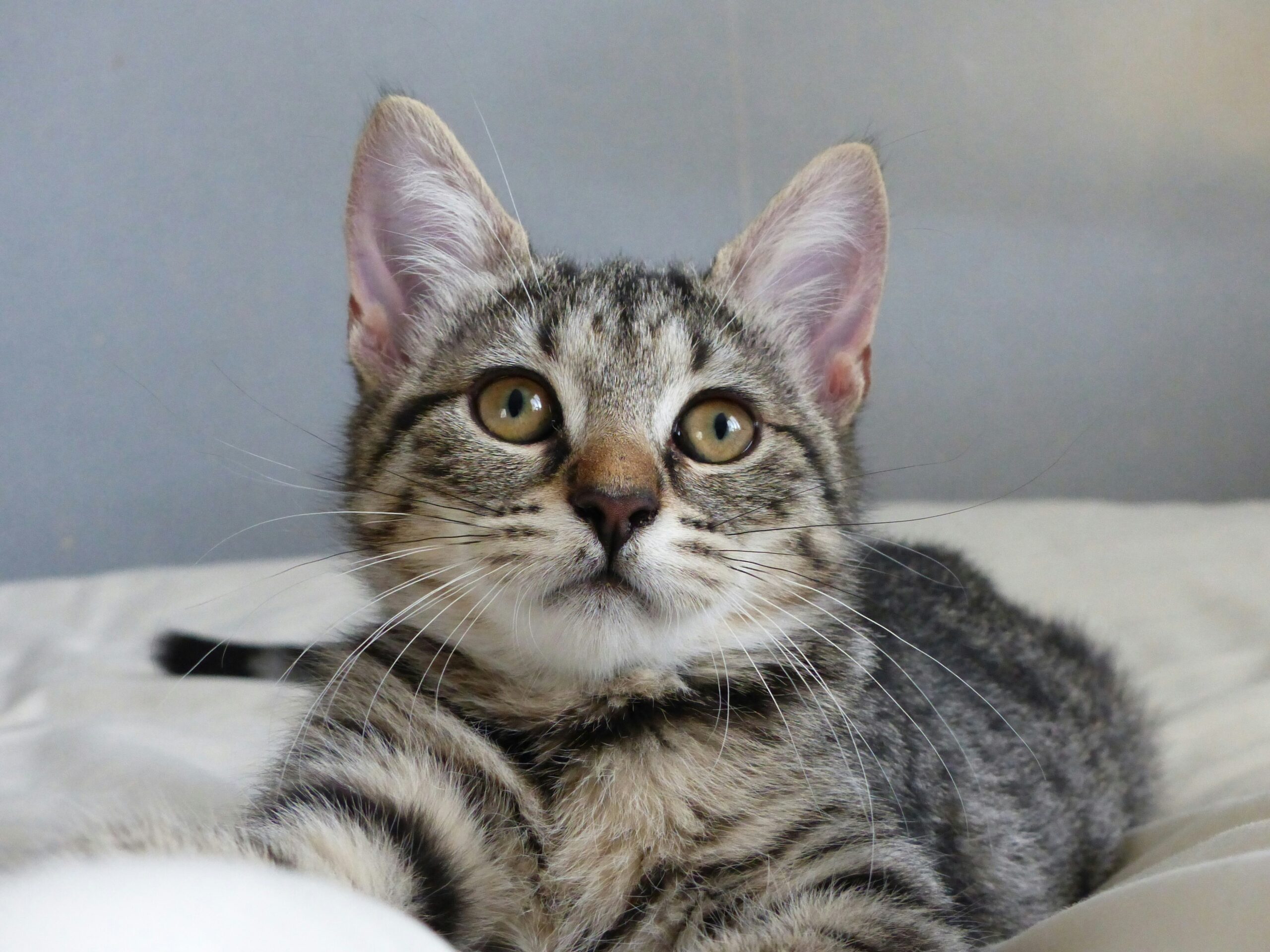
Hiding, not eating, and quiet withdrawal. Here's what pancreatitis looks like in cats and why it's easy to miss.
If your cat has gone quiet, stopped eating, and is hiding somewhere unusual, those are signs worth taking seriously. Pancreatitis is one of the most commonly missed conditions in cats, partly because the signs are so easy to chalk up to an off day. But when the pancreas becomes inflamed, it can spiral without the right support.
Unlike dogs, cats rarely show obvious abdominal pain. Instead they go quiet, stop eating, and hide. That subtlety is exactly what makes feline pancreatitis so easy to miss and so important to catch early.
 TL;DR
TL;DR
The pancreas does two important jobs: it releases digestive enzymes into the small intestine to break down food, and it produces hormones like insulin to regulate blood sugar. When it gets inflamed, those digestive enzymes can start activating too early, essentially beginning to digest the organ itself. That’s pancreatitis.
In cats, it comes in two forms. Acute pancreatitis comes on suddenly and can be severe. Chronic pancreatitis develops more slowly and tends to flare and settle, quietly causing lasting damage over time. Chronic is actually more common in cats than acute, which is part of why it often goes undiagnosed for months.
Most of the time, there’s no clear cause. Vets call this idiopathic, meaning the trigger is unknown. But there are known associations worth understanding.
One of the most important is triaditis, where pancreatitis occurs alongside inflammatory bowel disease (IBD) and cholangitis (inflammation of the bile ducts in the liver). These three conditions overlap in cats so frequently that if your cat is diagnosed with one, your vet will likely check for the others.
Other contributing factors can include diabetes, certain infections like toxoplasmosis, some medications, trauma to the abdomen, and high-fat diets, though the connection between diet and pancreatitis is stronger in dogs than in cats.
Cats are experts at hiding discomfort, which makes pancreatitis especially tricky. Here’s what you’re most likely to notice at home:
In acute cases, signs can escalate quickly. In chronic cases, you might notice your cat having bad weeks where they eat less and seem off, followed by periods where they seem okay. Both patterns warrant a vet visit.
There’s no single test that definitively confirms pancreatitis, so your vet will typically use a combination of tools.
The most useful starting point is the fPL test (feline pancreatic lipase immunoreactivity test), a blood test that measures a specific enzyme released by the pancreas. An elevated result is a strong indicator of inflammation, though it’s not definitive on its own.
Your vet will also run general bloodwork to check organ function, blood cell counts, and glucose levels, along with a urinalysis. An abdominal ultrasound is often done to visualize the pancreas directly and check the liver, gallbladder, and intestines for signs of triaditis. Together, these give your vet a picture that no single test can provide.
There’s no specific drug that cures pancreatitis. Treatment is focused on supportive care: managing symptoms, preventing complications, and giving the pancreas a chance to calm down.
Your vet may recommend some combination of:
Mild cases may be managed at home with close monitoring and medications. Moderate to severe cases often require hospitalization, sometimes for several days.
This is where most owners feel left without enough guidance, and where the day-to-day decisions matter most.
Cats cannot go without food for long. When they stop eating, their bodies start mobilizing fat for energy, and that fat floods the liver faster than it can process it. The result is hepatic lipidosis, also called fatty liver disease, a serious condition that can develop in as little as 48 hours in a cat that’s already unwell. Getting your cat eating again, even a little, is a top priority alongside everything else.
Unlike in dogs, there’s no strong evidence linking high-fat diets to pancreatitis in cats. That said, your vet may still recommend a low-fat, highly digestible diet during and after a flare, especially if liver or gut disease is involved. In general:
Avoid high-fat treats or table scraps, new foods introduced during a flare, and anything your cat has previously shown intolerance to.
Keep a simple daily log: how much you offered, how much they ate, and any vomiting or hiding. It gives your vet genuinely useful data and helps you spot a downward trend before it becomes a crisis. If your cat hasn’t eaten in 24 hours, call your vet. Don’t wait for the 48-hour mark.
For cats with chronic or relapsing pancreatitis, this kind of monitoring becomes a long-term habit. Knowing your cat’s baseline, how much they normally eat, their usual energy level, and their bathroom habits, is one of the most useful things you can do.
Yes, many cats recover well, especially from acute episodes caught and treated promptly. Mild to moderate cases often resolve within a few days to a couple of weeks with proper care.
Chronic pancreatitis is a longer road. Cats can live comfortably for years with chronic disease, but it requires ongoing management: regular vet check-ins, consistent diet, monitoring for flares, and sometimes long-term medication. The most important factor in prognosis is how quickly treatment starts. Waiting to see if a cat bounces back on their own, especially once they’ve stopped eating, is where outcomes can worsen fast.
Yes, pancreatitis is eligible for coverage under a Lemonade Pet accident and illness policy, as long as the condition isn’t pre-existing. That means your cat shouldn’t be showing any signs or symptoms before your policy starts or during your waiting period.
The fPL test, ultrasound, bloodwork, and a hospital stay for fluids and supportive care can add up quickly, and that’s before accounting for ongoing management of chronic disease or concurrent conditions like IBD or diabetes. Getting coverage in place while your cat is healthy is what makes it actually useful when something like this shows up.
Pancreatitis in cats is easy to miss, and that’s exactly what makes it dangerous. The signs are subtle, the disease can progress quietly, and catching it early makes a real difference in how well your cat responds to treatment. If your cat has gone quiet, stopped eating, or just seems off, trust that instinct and call your vet. Don’t wait to see if they bounce back on their own.
And if your cat is currently healthy, now is a good time to look into coverage before anything changes.
Most feline pancreatitis is idiopathic, meaning there’s no identifiable cause. Indoor cats can develop it through immune-mediated triggers, concurrent conditions like IBD or diabetes, or simply bad luck. Being indoors doesn’t eliminate the risk.
The fPL (feline pancreatic lipase) test, also called the Spec fPL, measures a specific enzyme released by an inflamed pancreas. It’s the most useful single diagnostic tool available, but vets typically combine it with bloodwork and ultrasound for a fuller picture.
Triaditis refers to the simultaneous presence of pancreatitis, inflammatory bowel disease (IBD), and cholangitis (liver bile duct inflammation) in a cat. These three conditions overlap so often in cats that diagnosing one usually prompts screening for the others.
Mild to moderate acute cases often improve within a few days to two weeks with proper treatment. Chronic pancreatitis is managed long-term rather than cured, and recovery timelines vary widely depending on the cat and whether other conditions are present.
If your cat hasn’t eaten for 24 hours and is also showing lethargy, hiding, or vomiting, call your vet right away. A cat that goes without food for 48 hours or more is at real risk of developing hepatic lipidosis (fatty liver disease), which is a separate medical emergency.
A few quick words, because we <3 our lawyers: This post is general in nature, and any statement in it doesn’t alter the terms, conditions, exclusions, or limitations of the policies issued, which differ according to your state of residence. You’re encouraged to discuss your specific circumstances with your own professional advisors. The purpose of this post is merely to provide you with info and insights you can use to make such discussions more productive! Naturally, all comments by, or references to, third parties represent their own views, and Lemonade assumes no responsibility for them. Coverage may not be available in all states. Please note that statements about coverages, policy management, claims processes, Giveback, and customer support apply to policies underwritten by Lemonade Insurance Company or Metromile Insurance Company, a Lemonade company, sold by Lemonade Insurance Agency, LLC. The statements do not apply to policies underwritten by other carriers.
Please note: Lemonade articles and other editorial content are meant for educational purposes only, and should not be relied upon instead of professional legal, insurance or financial advice. The content of these educational articles does not alter the terms, conditions, exclusions, or limitations of policies issued by Lemonade, which differ according to your state of residence. While we regularly review previously published content to ensure it is accurate and up-to-date, there may be instances in which legal conditions or policy details have changed since publication. Any hypothetical examples used in Lemonade editorial content are purely expositional. Hypothetical examples do not alter or bind Lemonade to any application of your insurance policy to the particular facts and circumstances of any actual claim.