
Does Your Dog Have Uveodermatologic Syndrome?
An autoimmune condition that attacks pigment cells. Here's what uveodermatologic syndrome means for your dog.

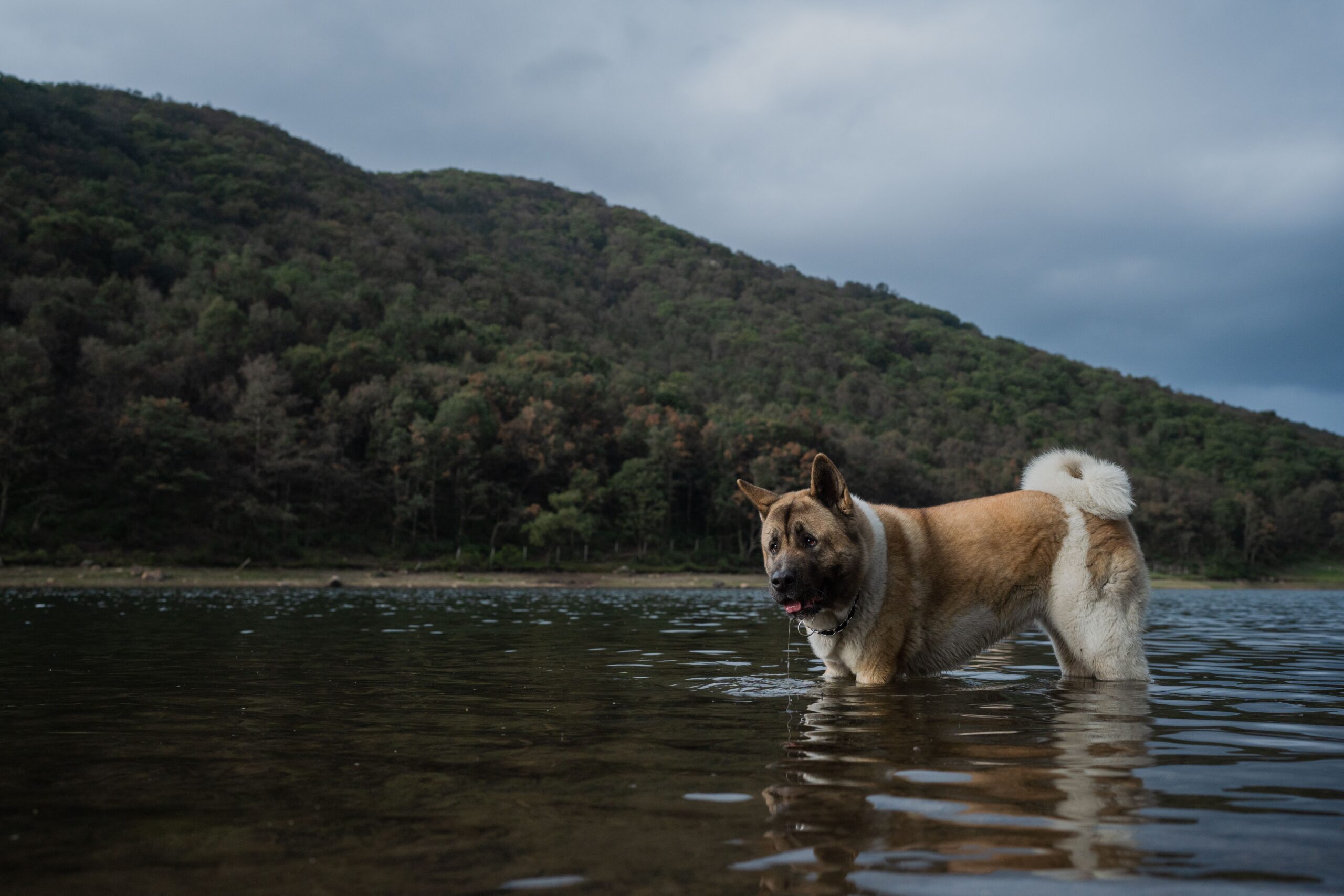
An autoimmune condition that attacks pigment cells. Here's what uveodermatologic syndrome means for your dog.
If your dog’s eye suddenly looks red, painful, or cloudy, and you’ve also noticed the color fading from their nose or lips, that combination is a signal worth taking seriously. It might not be two separate problems. It’s likely one: uveodermatologic syndrome, an autoimmune condition where the immune system attacks the body’s own pigment-producing cells, called melanocytes. The result is painful eye inflammation that can threaten vision, alongside gradual depigmentation of the skin, nose, and eyelids.
This condition is most common in Nordic breeds like Akitas, Siberian Huskies, and Samoyeds, and it requires urgent attention, especially when the eyes are involved.
 TL;DR
TL;DR
Uveodermatologic syndrome (sometimes called VKH-like syndrome, short for Vogt-Koyanagi-Harada-like syndrome) is a condition where the immune system mistakenly targets melanocytes, the cells responsible for producing pigment throughout the body. When those cells are under attack, two things happen at once: the eyes become inflamed, and the skin starts to lose its color.
The eye inflammation specifically affects the uvea, the middle layer of the eye that includes the iris and surrounding structures. When this layer becomes inflamed, it’s called uveitis. Left untreated, uveitis can lead to glaucoma (a dangerous buildup of pressure inside the eye), cataracts, retinal detachment, and eventually blindness. That’s why the eye symptoms are treated as the urgent part of this diagnosis.
The signs split into two categories: eye symptoms that need urgent care, and skin changes that need monitoring.
| Eye symptoms: act fast | Skin and coat changes: monitor closely |
|---|---|
| One or both eyes look red or bloodshot | Nose losing its dark pigment, turning pink or white |
| Squinting, keeping an eye closed, or pawing at the face | Pale or whitened skin around the lips, eyelids, or footpads |
| The eye looks cloudy or hazy | White hairs appearing in areas that were previously dark |
| Bumping into things or struggling to see, especially in low light | Skin crusting or ulceration in depigmented areas |
| The eye appears larger than normal, or the pupil looks unusual |
Some dogs show eye symptoms first. Others show skin changes first. Some show both at the same time. Either way, if you notice any of these signs, call your vet the same day.
Uveodermatologic syndrome has a strong breed predisposition, meaning certain dogs are genetically more likely to develop it. The highest-risk breeds include:
The condition is considered autoimmune in origin, meaning something triggers the immune system to turn on the body’s own pigment cells. The exact trigger isn’t fully understood, but a genetic predisposition plays a clear role in these breeds.
Your vet will start with a thorough eye exam and a physical assessment of any skin changes. Because uveitis can have several causes, they’ll want to rule out infections and other conditions first. From there, you’ll likely be referred to a veterinary ophthalmologist, a specialist in animal eye health, who can examine the internal structures of the eye in detail using tools like a slit-lamp (a specialized microscope for eyes) and an electroretinogram, which measures how well the retina is functioning.
A skin biopsy, where a small sample of depigmented skin is taken and examined under a microscope, can help confirm the diagnosis by showing the pattern of immune cell activity around melanocytes. Blood work is usually done to rule out other systemic illnesses and to establish a baseline before starting treatment.
There’s no cure for uveodermatologic syndrome, but it can be managed, often effectively, with the right treatment plan. The goal is to calm the immune system down before it does permanent damage to the eyes.
Your vet will likely recommend immunosuppressive therapy, meaning medications that reduce the immune system’s activity. The most common approach involves:
Treatment is lifelong. Dogs who respond well can maintain good quality of life, but the prognosis for full vision preservation depends heavily on how early treatment begins. Dogs diagnosed and treated before significant damage occurs do considerably better than those who are treated after vision loss has set in.
Yes, uveodermatologic syndrome is eligible for coverage under a Lemonade Pet accident and illness policy, as long as the condition isn’t pre-existing. That means your dog shouldn’t be showing any signs or symptoms before your policy starts or during your waiting period.
Managing this condition long-term isn’t cheap. Specialist ophthalmology visits, ongoing bloodwork to monitor medication side effects, lifelong immunosuppressants, and potential surgery if glaucoma develops all add up quickly over a dog’s lifetime. For Akitas, Siberian Huskies, Samoyeds, and other predisposed breeds, getting coverage in place before any symptoms appear is what keeps those costs from landing entirely on you.
Uveodermatologic syndrome is a serious condition, but it’s also one where catching it early and treating it aggressively gives your dog a real shot at preserving their vision and living well. If your dog’s eye looks red or painful, don’t wait to see if it clears up on its own. Call your vet today.
And if you have a breed that’s predisposed, talk to your vet about what to watch for, build a regular monitoring habit at home, and think about getting pet insurance in place now, while your dog is still healthy.
Not exactly. Both involve depigmentation, but uveodermatologic syndrome also causes serious eye inflammation (uveitis) that can lead to blindness. Vitiligo in dogs is typically just a cosmetic skin condition with no eye involvement and no pain.
Yes, blindness is a real risk if the eye inflammation (uveitis) isn’t treated quickly and aggressively. Dogs treated early have a much better prognosis for keeping their vision than those where treatment is delayed.
Not necessarily. Nose depigmentation can have several causes, including seasonal color changes, contact allergies, or other autoimmune conditions. If it’s accompanied by any eye symptoms, see a vet right away. If it’s isolated, still get it checked to rule out uveodermatologic syndrome.
In most cases, lifelong immunosuppressive therapy is required. The goal is to find the lowest effective dose that keeps the condition controlled while minimizing side effects. Your vet will monitor your dog regularly to adjust the plan as needed.
The eye inflammation (uveitis) can be quite painful, which is why squinting and light sensitivity are common signs. With proper treatment, most dogs experience significant relief. Skin depigmentation itself is generally not painful, though sun-damaged skin can become sore without proper protection.
A few quick words, because we <3 our lawyers: This post is general in nature, and any statement in it doesn’t alter the terms, conditions, exclusions, or limitations of the policies issued, which differ according to your state of residence. You’re encouraged to discuss your specific circumstances with your own professional advisors. The purpose of this post is merely to provide you with info and insights you can use to make such discussions more productive! Naturally, all comments by, or references to, third parties represent their own views, and Lemonade assumes no responsibility for them. Coverage may not be available in all states. Please note that statements about coverages, policy management, claims processes, Giveback, and customer support apply to policies underwritten by Lemonade Insurance Company or Metromile Insurance Company, a Lemonade company, sold by Lemonade Insurance Agency, LLC. The statements do not apply to policies underwritten by other carriers.
Please note: Lemonade articles and other editorial content are meant for educational purposes only, and should not be relied upon instead of professional legal, insurance or financial advice. The content of these educational articles does not alter the terms, conditions, exclusions, or limitations of policies issued by Lemonade, which differ according to your state of residence. While we regularly review previously published content to ensure it is accurate and up-to-date, there may be instances in which legal conditions or policy details have changed since publication. Any hypothetical examples used in Lemonade editorial content are purely expositional. Hypothetical examples do not alter or bind Lemonade to any application of your insurance policy to the particular facts and circumstances of any actual claim.