
Moving to Fort Worth, TX: A Renter's Real Guide
The practical realities a renter actually needs to know before settling into Fort Worth.

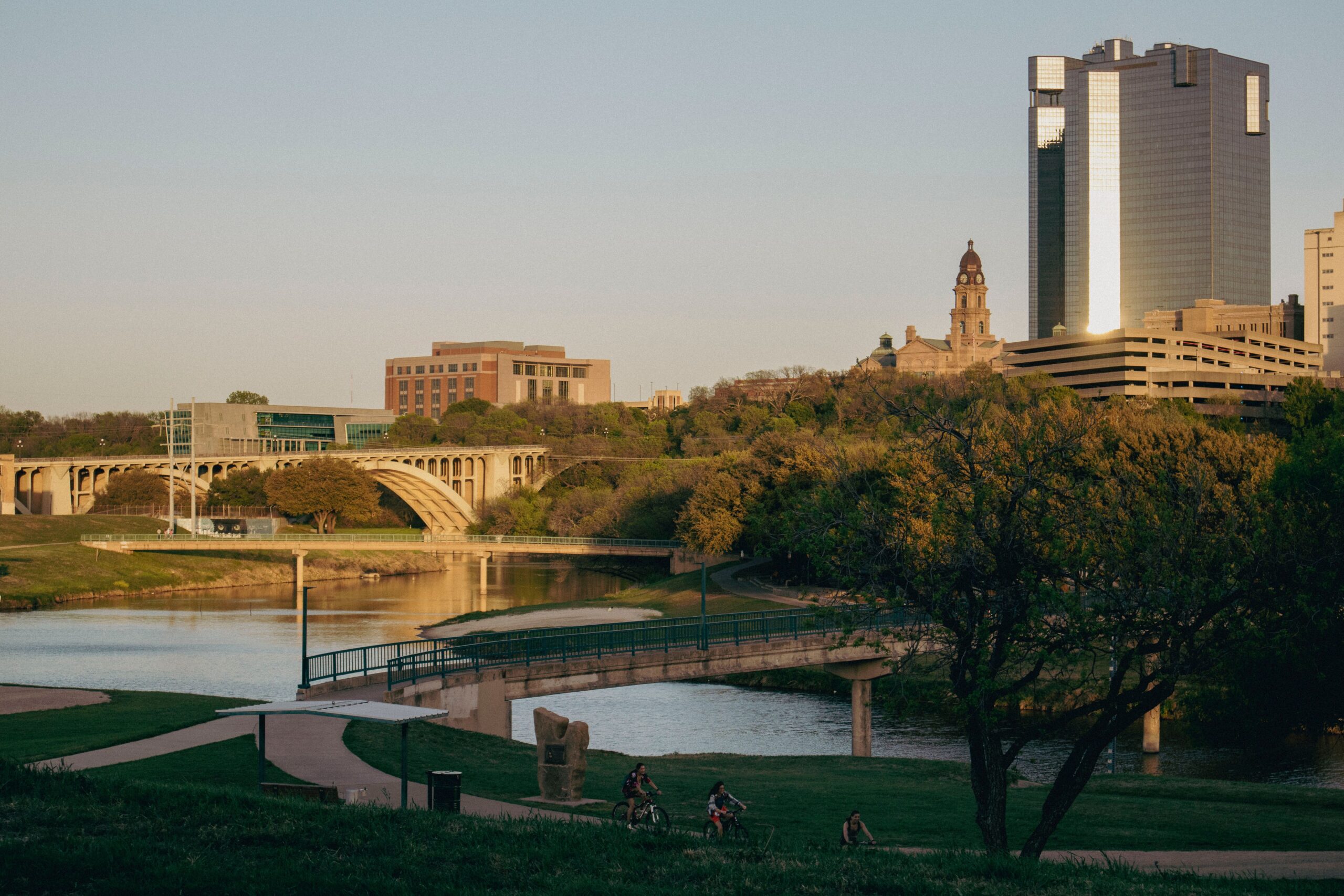
The practical realities a renter actually needs to know before settling into Fort Worth.
Fort Worth is one of the most livable large cities in Texas, and one of the least talked about. Rents are reasonable, the cost of living sits below the national average, and the city has a genuine identity that most people don’t expect until they get here. But there are still things worth knowing before you sign anything: how much cash you actually need upfront, how the freeway system works, what a Texas summer does to your electricity bill, and what state law does and doesn’t protect you from as a renter.
Here’s everything else you need to know about settling into Fort Worth.
 TL;DR
TL;DR
Fort Worth’ cost of living runs about 3.6% below the national average, and rents are reasonable for a city this size. It’s growing fast, but it hasn’t priced out the renters who made its neighborhoods worth living in yet.
Fort Worth has a distinct identity that surprises most newcomers. The Stockyards, the Cultural District, and Sundance Square are the anchors of a city that takes its history seriously without being stuck in it. The cattle drives still run through the Stockyards every day. The Kimbell Art Museum is genuinely world-class. Magnolia Avenue on the Near Southside is one of the best neighborhood strips in the state.
A car is essential for most of Fort Worth. Trinity Metro runs buses and the TEXRail commuter rail line, which connects downtown Fort Worth to DFW Airport. But coverage outside downtown, the Near Southside, and the TCU corridor is limited, and frequency on many routes is not sufficient for a reliable daily commute.
| Option | What it covers | Best for |
|---|---|---|
| Trinity Metro Bus | Broad coverage across the city; frequency varies by route | Inner-city errands and downtown commutes |
| TEXRail | Downtown Fort Worth to DFW Airport, 27 miles, 15 stations | Airport commuters and Far North Fort Worth residents |
| Zip (On-Demand Transit) | Select zones in the city; book via the Trinity Metro app | Short trips within covered zones where bus frequency is low |
| Car / Rideshare | Everywhere else | The vast majority of Fort Worth renters |
Pro Tip:
The Near Southside, Magnolia Avenue corridor, and downtown are genuinely walkable and bikeable for daily errands. Trinity Metro also operates a B-Cycle bikeshare network in central Fort Worth. Outside those corridors, a car is non-negotiable.
Fort Worth weather is hot and dry in summer, mild in winter, and seriously prone to severe spring storms. It sits far enough inland that Gulf Coast humidity is less intense than Houston or San Antonio, but summer temperatures are just as high. Hail is the defining weather risk for renters – spring storms in North Texas produce some of the most destructive hail in the country.
| Season | What to expect | What to prepare for your apartment |
|---|---|---|
| Summer (May–Sep) | 95–105°F, lower humidity than coastal Texas, afternoon thunderstorms | Check the A/C unit before signing; budget $150–$250/month for electricity during peak months |
| Fall (Oct–Nov) | 60–80°F, generally pleasant | Best time to move |
| Winter (Dec–Feb) | Mild on average (40–60°F), occasional hard freezes that shut the city down | Know where your water shutoff valve is; ice storms can burst pipes |
| Spring (Mar–May) | 65–80°F, severe thunderstorms and frequent damaging hail | Verify your renters insurance covers hail damage; ask about past storm damage before signing |
💡Did You Know?
As of 2026, 29.75% of claims filed by Lemonade renters in Fort Worth is for weather damage. (Based on Lemonade internal claims data, 2026)
Fort Worth is one of the more affordable large cities in Texas, but upfront costs add up faster than most people plan for.
| Fee | Typical cost | Notes |
|---|---|---|
| First month’s rent | $1,225 (1BR avg) | Due at signing |
| Security deposit | Usually 1 month’s rent | No statutory cap in Texas |
| Application fee | $50–$150 | Non-refundable |
| Pet deposit | $200–$500 | Plus a monthly pet fee in many buildings |
| Electricity deposit | $100–$200 | Required by many providers |
Most landlords require 2.5x to 3x monthly rent in gross income. On a $1,225 per month apartment, that means showing around $3,250–$3,900/month.
💡 Did You Know?
As of 2026, renters insurance in Fort Worth averages around $15–$20 per month with Lemonade– see our Fort Worth renters insurance guide.
Fort Worth renters rely primarily on the statewide Texas Property Code, Title 8, Chapters 91–94. There is no separate city ordinance adding significant local protections beyond state law.
Moving to Fort Worth from another state? Read our complete Texas Relocation Guide for DMV registration deadlines, state tax rules, and statewide tenant laws.
Pro Tip:
Send your repair requests by email and screenshot the sent message. Texas courts recognize timestamped written communications as valid notice under § 92.056. Verbal complaints are your word against theirs.
Fort Worth has a deregulated electricity market. Shop for a fixed-rate plan on PowerToChoose.org before your move-in date—providers take 2–3 business days to activate service, and variable rates spike during summer and winter. For water and wastewater, contact the City of Fort Worth Water Department; your landlord can confirm your unit’s billing setup.
Updating your address and who to notify
Get USPS mail forwarding set up before you move, then work through the rest: employer, bank, IRS, and subscriptions.
📍Cross-state insurance reality check:
Moving to Fort Worth from another state means canceling your old policy and starting a new one, not just updating your address. Time the new policy to start the same day the old one ends so you don’t have even a single night without coverage.
Cross-state moves to Fort Worth almost always mean hiring long-distance movers or renting a truck, and summer is peak season so book early. If you’re moving into a managed apartment community or high-rise downtown, confirm whether a Certificate of Insurance is required from your moving company at least two weeks before move-in day. Before moving day, run through our moving checklist and understand what moving insurance actually covers.
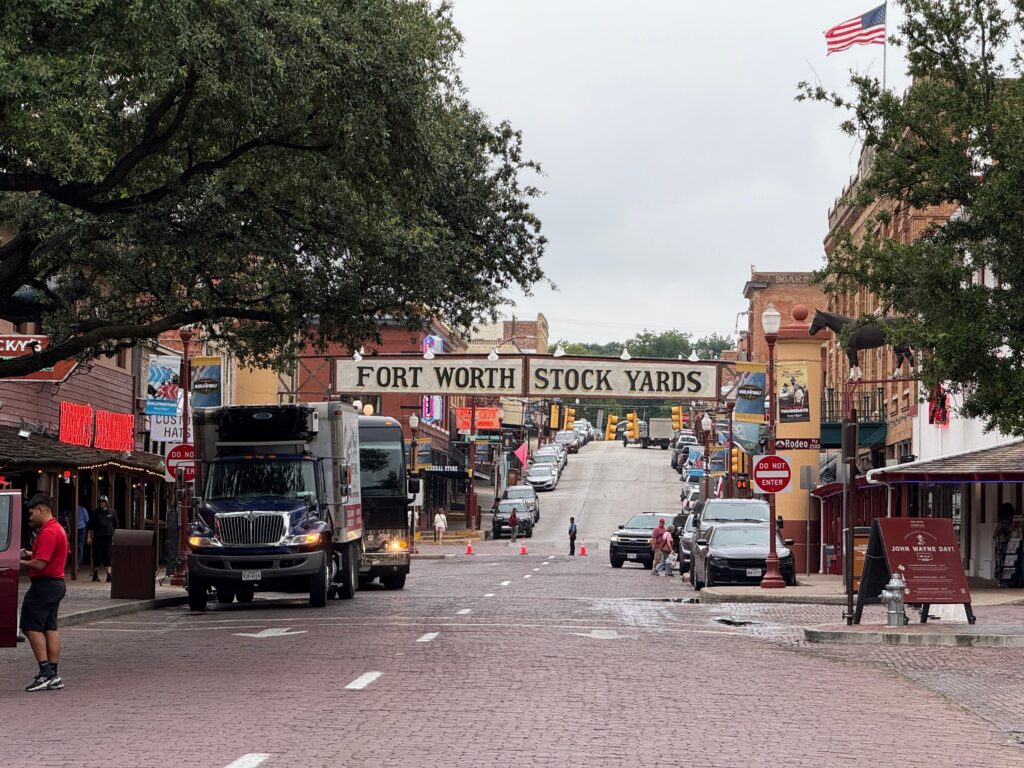
Fort Worth neighborhoods vary enormously in price, character, and commute reality. Here’s a practical breakdown by lifestyle fit.
| Neighborhood / Area | Character & vibe | Best for |
|---|---|---|
| Near Southside / Magnolia | Most walkable neighborhood; locally-owned restaurants, bars, and coffee shops | Young professionals and creatives who want walkable daily errands |
| Fairmount | Renovated bungalows, strong community feel, close to the medical district | Young professionals and families who want character and community |
| Arlington Heights | Tree-lined, walkable, close to the Cultural District and Trinity Park | Professionals and families who want neighborhood feel near museums and parks |
| Downtown / Sundance Square | Dense, walkable, lively nightlife and dining; close to law school and Tarrant County College | Downtown workers and students who prioritize walkability |
| TCU / Westcliff | College-town energy, quiet streets, close to TCU campus | Students, faculty, and young professionals |
| Clearfork | Newer construction, upscale retail, Trinity Trails access | Professionals who want newer builds and outdoor access |
| Wedgwood / Western Hills (suburbs) | Suburban, affordable, family-oriented | Families and budget-conscious renters |
Pro Tip:
The Trinity Trails system runs over 100 miles of paved paths along the Trinity River through Fort Worth. If you’re living in the Near Southside, Arlington Heights, or Clearfork, it’s a genuinely usable network for cycling and running that connects major parts of the city without touching a freeway.
For most renters, yes. Trinity Metro runs buses and the TEXRail commuter line, and coverage has improved in recent years. But outside downtown, the Near Southside, and the TCU corridor, frequency is too limited for a reliable daily commute. The Near Southside and Magnolia Avenue corridor are the exception – if you live and work in that zone, a bike and rideshare can genuinely get you through most days. Everywhere else, a car is non-negotiable.
No, it’s one of the more affordable cities in Texas. The cost of living runs about 3.6% below the national average, and neighborhood makes a real difference. Downtown and Clearfork push well above the city average, while Wedgwood, Western Hills, and South Hills have one-bedrooms available well under $1,000/month. To comfortably rent in Fort Worth, plan on earning around $55,000–$60,000 per year based on spending no more than 30% of income on rent.
Texas law doesn’t require it, but many landlords do as a lease condition. Either way, it’s worth having. Fort Worth sits in one of the most active hail corridors in the country, and spring storms are frequent and destructive.
Standard policies cover personal property, liability, and temporary living expenses if your unit becomes uninhabitable, but not flood damage. Read your policy before storm season, not during it.
Yes, more than most cities. Fort Worth sits in the southern end of “Hail Alley,” a corridor through North Texas that produces some of the most frequent and destructive hailstorms in the world. March through May is peak season, but severe hail can happen as late as June and as early as February.
The good news for renters: hail damage to your personal property is covered under a standard Lemonade renters insurance policy.
A few quick words, because we <3 our lawyers: This post is general in nature, and any statement in it doesn’t alter the terms, conditions, exclusions, or limitations of the policies issued, which differ according to your state of residence. You’re encouraged to discuss your specific circumstances with your own professional advisors. The purpose of this post is merely to provide you with info and insights you can use to make such discussions more productive! Naturally, all comments by, or references to, third parties represent their own views, and Lemonade assumes no responsibility for them. Coverage may not be available in all states. Please note that statements about coverages, policy management, claims processes, Giveback, and customer support apply to policies underwritten by Lemonade Insurance Company or Metromile Insurance Company, a Lemonade company, sold by Lemonade Insurance Agency, LLC. The statements do not apply to policies underwritten by other carriers.
Please note: Lemonade articles and other editorial content are meant for educational purposes only, and should not be relied upon instead of professional legal, insurance or financial advice. The content of these educational articles does not alter the terms, conditions, exclusions, or limitations of policies issued by Lemonade, which differ according to your state of residence. While we regularly review previously published content to ensure it is accurate and up-to-date, there may be instances in which legal conditions or policy details have changed since publication. Any hypothetical examples used in Lemonade editorial content are purely expositional. Hypothetical examples do not alter or bind Lemonade to any application of your insurance policy to the particular facts and circumstances of any actual claim.