
Power Outage Food Spoilage and No Renters Insurance? Here's What to Do
What to do when there's a power outage and your food spoils without renters insurance.

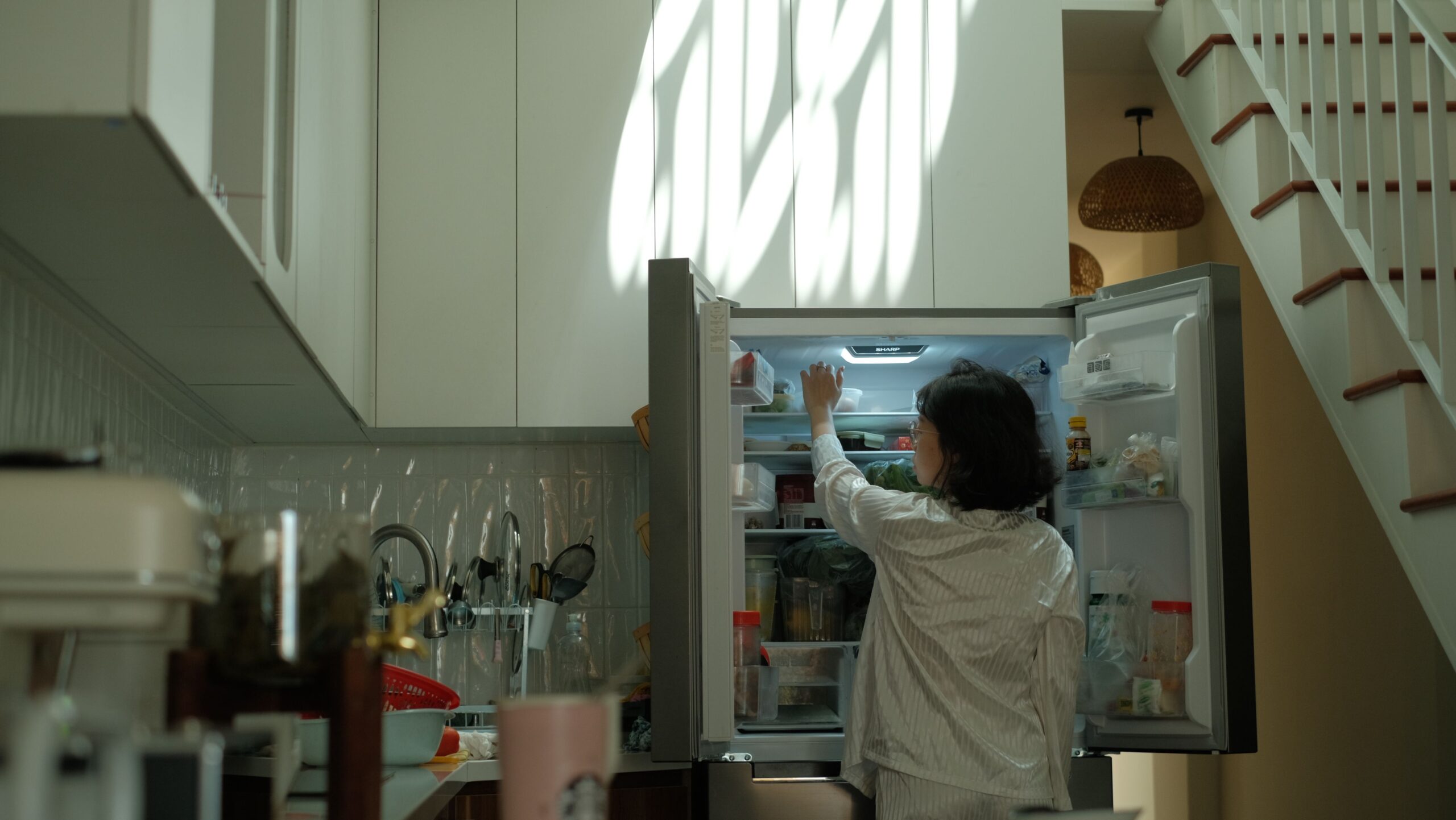
What to do when there's a power outage and your food spoils without renters insurance.
Power’s out, fridge is warm, and you’re not sure what’s still safe. A full fridge and freezer can easily run $200 to $500 in losses, and without renters insurance, that’s probably coming out of your pocket.
Here’s what to do right now.
 TL;DR
TL;DR
Before you worry about money, worry about this: eating spoiled food isn’t worth the risk. Here’s what the FDA recommends for power outages:
Extended outages, think a multi-day storm or a major grid failure, are where the losses really add up. If your apartment went without power for 24 or more hours, assume your fridge contents are gone.
This step matters whether or not you have renters insurance, and it matters even more if you’re planning to contact your landlord or utility company. Take a few minutes before you start tossing things.
⚠️Stop. Don’t throw anything away yet.
Open the fridge and freezer, take a video or photos of everything inside, and make a written list of what you’re losing with approximate values. That documentation is required for any insurance claim, utility reimbursement request, or landlord dispute. Once it’s in the bin, it’s gone, and so is your proof.
Here’s what to capture right now:
This food inventory is your paper trail. Whether you’re filing a renters insurance food spoilage claim, contacting your utility company, or just tracking the loss for your own records, having documentation makes everything easier.
The honest answer: it depends on why the outage happened and whether you have renters insurance.
Usually no, but there’s an important exception. Your landlord’s responsibility for food loss in a power outage depends on what caused it.
If the outage was caused by a storm, a downed utility line, or a grid issue outside the building, your landlord generally isn’t liable. It’s considered an unforeseeable event outside their control.
If the outage was caused by the landlord’s failure to maintain the building’s electrical systems, like ignoring a known wiring problem, they may be responsible. This is harder to prove, but it’s worth pursuing if you believe negligence was involved. Document everything, put your concerns in writing, and consider reaching out to a local tenant rights organization or your city’s housing authority.
Sometimes. Some utility providers offer food loss reimbursement programs, especially after major outages. This isn’t universal and varies a lot by provider and state, but it’s absolutely worth checking.
Reimbursement amounts are typically limited, often $150 to $300, and approval isn’t guaranteed. But it takes about 20 minutes to check, and some renters do get money back this way.
Pro tip: Most renters assume their landlord’s insurance has them covered. It doesn’t.
Your landlord’s policy protects their investment: the building’s electrical systems, shared infrastructure, and structure. It does not cover your groceries, your refrigerated medication, or any other personal property loss. That’s not a loophole. It’s just how property insurance works. The only policy that covers your stuff is one you take out yourself.
Did You Know?
Food spoilage is one of the most common and immediate losses Lemonade renters file claims for. The average payout for this type of claim is $245.48 per claim (Based on Lemonade internal claims data from 2026)
It adds up faster than most people expect. Here’s a rough breakdown of what a typical fridge and freezer might hold:
| Contents | Estimated value |
|---|---|
| Fridge (meat, dairy, leftovers, condiments, produce) | $100 to $250 |
| Freezer (meat, frozen meals, vegetables, ice cream) | $100 to $300+ |
| Total potential loss | $200 to $500+ |
If you just did a big grocery shop before the outage, you’re probably on the higher end of that range. Without renters insurance, every dollar of that loss comes out of your pocket directly.
It depends on your policy and your state. Food spoilage coverage may be available through the Refrigerated Property endorsement, but it’s not included in the base policy in all states. Check your policy or contact Lemonade to confirm whether it applies where you live.
If you do have coverage, here’s how it generally works.
What’s typically covered:
What’s typically not covered:
Most renters insurance policies have deductibles of $250, $500, or more. If your food loss totals $300 and your deductible is $500, filing a claim doesn’t make financial sense. But if you lost $400 to $500 or more in groceries and your deductible is $250, filing is worth it.
Here’s the straightforward way to think about it:
Your food loss value, minus your deductible, equals your potential payout.
If that number is positive and meaningful, file. If it isn’t, skip it and check your utility provider’s reimbursement program instead.
Where food spoilage coverage is available, most policies cap reimbursement at around $500. Some call it out as a specific sub-limit under personal property. Others fold it into the broader personal property coverage. Check your policy or contact Lemonade directly to confirm what applies where you live.
Note: Food spoilage coverage may be available through the Refrigerated Property endorsement and is not included in the base policy in all states. Availability, terms, and limits vary by state. Always check your specific policy language or contact Lemonade to confirm what applies where you live.
If you have renters insurance and your food loss exceeds your deductible, here’s how to move forward:
File promptly. Most policies have a window for reporting losses, and waiting too long can complicate your claim.
If you’re reading this without a renters policy, you’re not alone. Right now your options are limited: check with your utility company for any reimbursement program, and assess whether your landlord had any role in the outage. Beyond that, this one’s likely on you.
Here’s what you can do:
📍 Check your state, your rights may be stronger than you think. Tenant protections vary a lot depending on where you live.
You can’t control when the grid goes down. But you can make sure you’re not absorbing the full cost when it does:
The single most effective thing you can do, though, is get covered before something happens. A renters policy that includes food spoilage coverage costs a few dollars a month. For most renters, it’s one of the most straightforward covered losses available.
A food spoilage claim is one of the simpler and faster claims to process. With documentation ready, most are resolved within a few days to two weeks. Utility provider reimbursement requests can take longer, typically 30 to 60 days if accepted. Landlord negligence disputes take the longest, potentially months if contested.
Losing a fridge full of groceries is genuinely awful. It’s inconvenient, stressful, and expensive all at once. The good news is that there are real paths to recouping some of that loss: your utility company might help, your landlord might be responsible if negligence was involved, and renters insurance may cover exactly this kind of sudden, accidental loss — depending on your policy and state.
If you have renters insurance, document your food loss, do the deductible math, and file if it makes sense. If you don’t, now’s a good time to change that. Renters insurance can cover food spoilage and a lot more — for less than most people expect. Coverage depends on your state and whether the Refrigerated Property endorsement is part of your plan. Check your policy or contact Lemonade to confirm.
Generally, no. Unless the outage was directly caused by your landlord’s documented negligence, such as ignoring a known electrical problem, they’re not responsible for your food loss. If you believe negligence played a role, document everything and contact a local tenant rights organization.
Sometimes. Many utility providers have limited food loss reimbursement programs, typically capped at $150 to $300. It varies by provider and state. Check your utility’s website or call their customer service line to find out if a program exists and how to apply.
Refrigerated medication may qualify under personal property coverage depending on your policy terms. If you rely on temperature-sensitive medication like insulin, confirm coverage with your insurer and keep a backup plan in place.
Photos or video of your open fridge and freezer, a written inventory with estimated values, and a screenshot of your utility’s outage confirmation. The more documentation you have, the smoother any reimbursement process will be.
For food spoilage claims specifically, the ACV versus replacement cost distinction matters less than it does for electronics or furniture. Groceries don’t depreciate the way a laptop does, so ACV for food is essentially what you paid. The bigger variable to watch is your deductible and any food spoilage sub-limit in your policy.
A few quick words, because we <3 our lawyers: This post is general in nature, and any statement in it doesn’t alter the terms, conditions, exclusions, or limitations of the policies issued, which differ according to your state of residence. You’re encouraged to discuss your specific circumstances with your own professional advisors. The purpose of this post is merely to provide you with info and insights you can use to make such discussions more productive! Naturally, all comments by, or references to, third parties represent their own views, and Lemonade assumes no responsibility for them. Coverage may not be available in all states. Please note that statements about coverages, policy management, claims processes, Giveback, and customer support apply to policies underwritten by Lemonade Insurance Company or Metromile Insurance Company, a Lemonade company, sold by Lemonade Insurance Agency, LLC. The statements do not apply to policies underwritten by other carriers.
Please note: Lemonade articles and other editorial content are meant for educational purposes only, and should not be relied upon instead of professional legal, insurance or financial advice. The content of these educational articles does not alter the terms, conditions, exclusions, or limitations of policies issued by Lemonade, which differ according to your state of residence. While we regularly review previously published content to ensure it is accurate and up-to-date, there may be instances in which legal conditions or policy details have changed since publication. Any hypothetical examples used in Lemonade editorial content are purely expositional. Hypothetical examples do not alter or bind Lemonade to any application of your insurance policy to the particular facts and circumstances of any actual claim.