

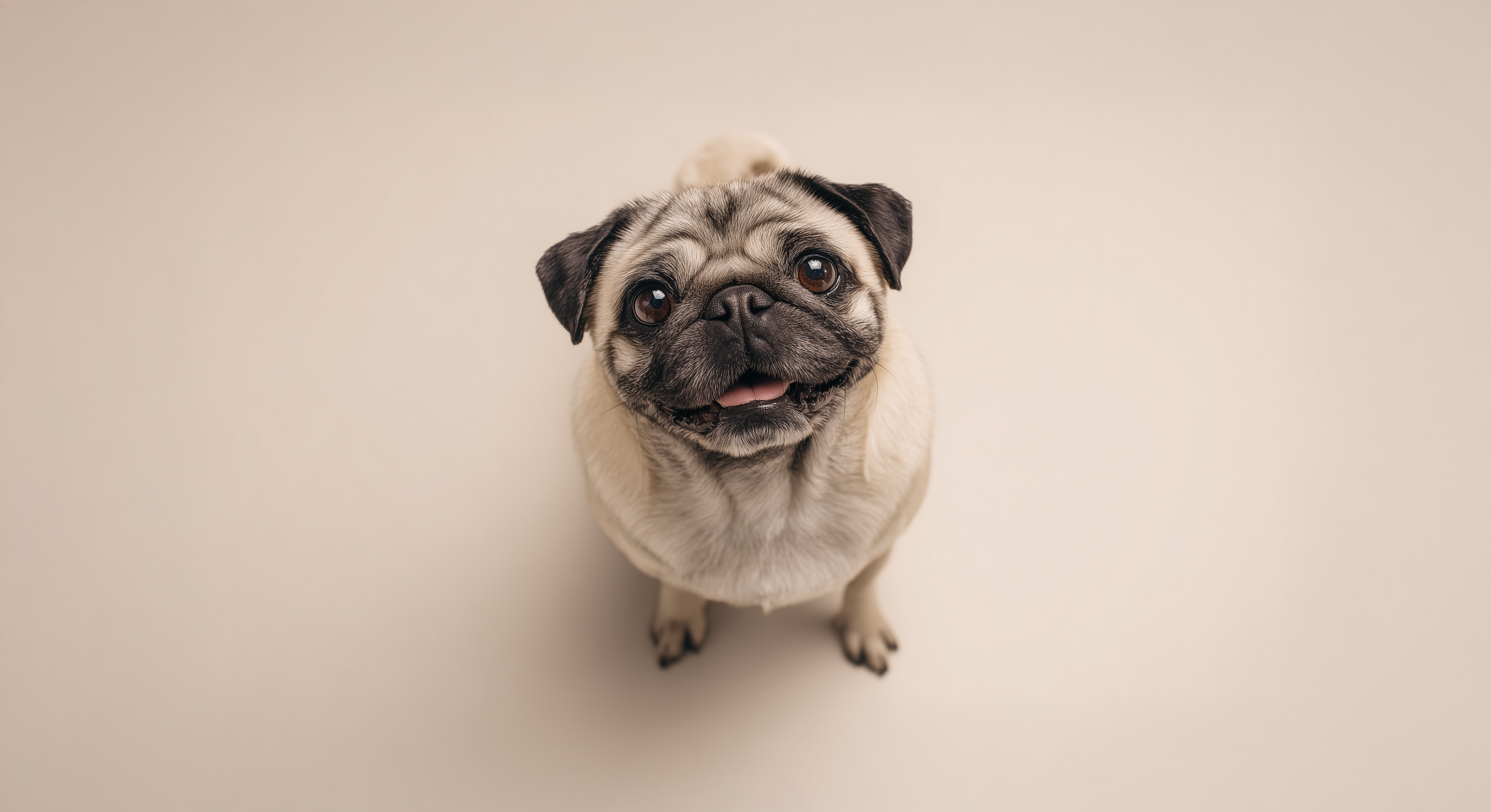


You didn’t land on the Pug by accident. This is a breed people seek out, and for good reason. Charming, comical, and completely devoted, adaptable to almost any living situation, and a big personality in a compact, sturdy package, they’re a natural fit for apartment dwellers, first-time owners, seniors, and anyone who wants an affectionate, low-exercise companion with an irresistible sense of humor who want a loving, entertaining companion who will make you laugh every day and follow you everywhere you go. Let’s dig in.
What are the characteristics of a Pug?
Think you know what you’re getting into with a Pug? These scores will either confirm your suspicions or give you something to think about. Either way, good to know now.
Training
| Trait | Score | What does it mean? |
|---|---|---|
| Trainability | 3 out of 5 | Pugs are smart enough to learn quickly but have an independent streak that means they will engage on their own terms. Training works best when kept short, fun, and loaded with high-value rewards |
| Obedience | 3 out of 5 | Willing to follow direction when properly motivated, but expect some selective listening. Consistency and patience from day one are key |
| Focus | 2 out of 5 | Easily distracted by sights, smells, and the general business of being a Pug. Keep sessions very short and highly engaging |
| Stubbornness | 3 out of 5 | A moderate stubborn streak is a well-known Pug trait. They are not defiant so much as self-directed, and they respond far better to games than to repetition or pressure |
Friendliness
| Trait | Score | What does it mean? |
|---|---|---|
| Good with family | 5 out of 5 | Deeply devoted to their family and thrives on closeness and inclusion in daily life. Pugs want to be wherever you are at all times |
| Good with children | 4 out of 5 | Gentle, patient, and tolerant with children. Their sturdy build holds up reasonably well in active households, though interactions with very young children should always be supervised |
| Good with strangers | 4 out of 5 | Warm and friendly with strangers by default. Pugs are social dogs who rarely meet a person they do not like |
| Good with other dogs | 4 out of 5 | Generally gets along well with other dogs and household pets. Their easygoing, sociable nature makes introductions relatively smooth |
Adaptability
| Trait | Score | What does it mean? |
|---|---|---|
| Apartment living | 5 out of 5 | One of the best apartment dogs in the world. Compact, quiet, low-energy, and perfectly content without access to a yard |
| Cold weather | 2 out of 5 | Pugs feel the cold more than their sturdy appearance suggests. Their short coat provides minimal insulation, and a warm coat or sweater in cool weather is a practical necessity |
| Hot weather | 1 out of 5 | One of the breeds most at risk in hot weather. Their brachycephalic anatomy severely limits their ability to regulate body temperature through panting. Keep them in air conditioning during warm months, limit all outdoor activity to the coolest parts of the day, and never leave them in a hot car |
| Routine flexibility | 4 out of 5 | Highly adaptable to different routines and living situations. Their low exercise needs and easygoing temperament make them one of the most flexible companion breeds |
| First time owner | 4 out of 5 | A good choice for first-time owners in terms of size and exercise needs, though brachycephalic health considerations require awareness and proactive veterinary care |
Physical needs
| Trait | Score | What does it mean? |
|---|---|---|
| Energy level | 2 out of 5 | Low energy. Pugs enjoy short bursts of play followed by long stretches of lounging. They are not built for sustained physical activity and should never be pushed beyond their comfortable limits |
| Endurance | 1 out of 5 | Very limited stamina due to their brachycephalic anatomy. Short, gentle activity sessions are appropriate. Any sign of labored breathing or overheating means it is time to stop |
| Exercise needs | 2 out of 5 | Around 20 to 30 minutes of gentle daily exercise is enough. A short, leisurely walk in mild weather and some indoor play covers most of what a Pug needs |
| Mental stimulation | 3 out of 5 | Curious and clever with a busy little mind. Puzzle toys and short, reward-based training games keep them mentally satisfied without overtaxing their breathing |
| Grooming needs | 2 out of 5 | Low grooming needs for the coat itself, but their facial folds require daily cleaning to prevent irritation and infection |
Personality
| Trait | Score | What does it mean? |
|---|---|---|
| Playfulness | 4 out of 5 | Playful and clownish. Pugs are natural entertainers who love interactive games and will go to considerable lengths to make their people laugh |
| Affection | 5 out of 5 | Among the most affectionate breeds around. Pugs crave physical closeness and do not handle long stretches alone well |
| Loyalty | 5 out of 5 | Exceptionally loyal. Pugs form intense bonds with their family and are known for their steady, devoted, shadow-like presence |
| Independence | 2 out of 5 | Low independence. Pugs thrive on constant company and are prone to separation anxiety when left alone for extended periods |
| Alertness | 3 out of 5 | Alert and aware of their surroundings, and will vocalize to let you know when something is unfamiliar. Not a reliable watchdog but a dependable alerter |
Behavior
| Trait | Score | What does it mean? |
|---|---|---|
| Barking tendency | 3 out of 5 | Pugs can be vocal. Some individuals develop a barking habit, particularly when bored or seeking attention. Early training helps manage this before it becomes persistent |
| Digging tendency | 2 out of 5 | Not a natural digger. Occasional digging may occur out of boredom, but it is not a defining tendency of the breed |
| Chewing tendency | 2 out of 5 | Moderate chewing tendency in puppyhood that typically settles with age. Providing appropriate soft toys and redirecting early helps establish good habits |
| Prey drive | 1 out of 5 | Very low prey drive. Pugs are companion dogs through and through, with little interest in chasing or hunting |
| Guarding instincts | 2 out of 5 | Alert and vocal enough to notice something unusual, but far too small, friendly, and physically limited to serve as a meaningful guard dog |
What are common health issues of a Pug?
Like all breeds, Pugs are prone to certain health conditions. Here’s what to keep on your radar.
Brachycephalic Airway Syndrome
Pugs have extremely flat faces and narrow airways that make breathing a daily challenge. Heat, excitement, and exercise can all make symptoms noticeably worse.
Read more about Brachycephalic Airway SyndromeObesity
Pugs love food and have a low-activity lifestyle, making weight gain easy and dangerous. Extra weight worsens their breathing problems and puts real strain on their joints.
Read more about ObesityHip Dysplasia
The hip joint develops abnormally, causing pain and stiffness over time. Pugs are prone to it despite their small size, and extra body weight can make symptoms worse.
Read more about Hip DysplasiaDry Eye
A condition where the eyes do not produce enough tears to stay lubricated. It is common in Pugs and causes redness, discharge, and discomfort. Eye drops manage it well.
Read more about Dry EyeCorneal Ulcer
A sore or erosion on the eye surface, common in Pugs due to their prominent eyes. Squinting, tearing, and redness are signs to act on quickly to prevent vision damage.
Read more about Corneal UlcerWhat are the recommended health tests for Pugs?
Your Pug can’t tell you when something’s off. That’s what these tests are for. Here’s what vets typically recommend for them.
-
 ACVO ophthalmologist eye exam (OFA Eye Registry, annually from age 1)
 -
Patellar luxation evaluation (OFA, from age 1)
-
Hip dysplasia evaluation (OFA, recommended)
-
Pug Dog Encephalitis (PDE) DNA test via an approved laboratory
Do Pugs need pet insurance?
We’ll let the numbers do the talking, but spoiler: a lot of Pug owners are really glad they had coverage.
Those numbers aren’t hypotheticals. They’re real claims from real Pug owners in 2025.
The right pet insurance means you’re making decisions based on what your dog needs, not what you can afford.
With Lemonade, you can build a plan around your Pug specifically. Start with accident and illness coverage as your base, then add on what makes sense for your dog, things like physical therapy, dental illness, or behavioral treatment, and skip what doesn’t. Coverage applies to conditions that aren’t pre-existing (AKA, a condition that occurs after your policy is active and your waiting periods have passed), and you’ll know exactly what’s included before you commit. No fine print ambushes, no surprises at claim time.
And when you do need to file? You can do it in the app in minutes. No paperwork, no hold music, no waiting around.
Pugs are worth protecting with proper coverage. Here’s how to do it right.
How much does pet insurance cost?
The cost of your premium is personal. It depends on your Pugs age, your location, and what you add to your plan. That said, here’s a realistic look at what other Pug owners pay with Lemonade:
| Age | Average monthly premium |
|---|---|
| 1 year old | $50-$55 |
| 2 years old | $50-$55 |
| 3 years old | $50-$55 |
| 4 years old | $50-$55 |
| 5 years old | $60-$65 |
| 6 years old | $65-$70 |
| 7 years old | $75-$80 |
Not sure if Lemonade is the right fit for your Pug?
See how we stack up. Compare pet insurance options side by side and find the coverage that fits your Pug and your budget.
History of the Pug
The Pug is one of the oldest dog breeds in the world, with origins tracing back over two thousand years to ancient China. The breed was treasured by Chinese emperors during the Han Dynasty, around 206 BCE to 220 CE, and was kept as a royal companion with a level of privilege that matched the most senior members of the court. These early dogs were known as Lo-Chiang-Sze or Foo dogs and were guarded by soldiers, kept in the most luxurious conditions, and given as gifts only to the most honored recipients. The breed remained largely confined to China for centuries before Dutch traders from the Dutch East India Company brought Pugs back to Europe in the late 1500s. The breed quickly became fashionable among European royalty. William III and Mary II brought their Pugs with them when they came to England from the Netherlands in 1688, and the breed subsequently became popular at the English court. In France, Napoleon's wife Josephine is said to have used her Pug, named Fortune, to carry secret messages under his collar while she was imprisoned before their marriage. The breed was recognized by the AKC in 1885. By the late 20th century, the Pug had become one of the most recognizable and widely owned toy breeds in the world, celebrated for its expressive face, comical personality, and devoted temperament. Today the Pug consistently ranks among the most popular breeds in the United States, the United Kingdom, and across Europe, though growing awareness of brachycephalic health issues has prompted important conversations about the breed's welfare and the responsibilities of ethical breeding.
Caring for a Pug
Training
Training a Pug takes patience, but it’s worth the effort. They are food motivated but easily distracted and prone to stubbornness, which means owners need to keep sessions short and highly rewarding to maintain focus. Short, fun sessions using high-value treats with a patient and lighthearted approach tends to work best, and getting started early makes a real difference.
Whether you’re starting from scratch or leveling up, these are worth the read.
Grooming
Pugs have a short, smooth coat that requires low grooming. Weekly brushing with a rubber curry comb or soft bristle brush is all the coat needs, and the occasional wipe-down keeps them looking their best. Facial folds require daily attention and cleaning to prevent irritation and infection.
From nail trims to professional care, here’s everything you need to keep your Pug looking (and feeling) their best.
Exercise and mental stimulation
Pugs have low energy levels and need 20 to 30 minutes of exercise each day to stay happy and healthy. Short walks, gentle indoor play, and interactive puzzle games are all great ways to burn through that energy. But physical exercise is only half the picture. Pugs are moderately intelligent dogs, and mental stimulation is just as important as the miles you put in. Without it, they become lazy, obese, and prone to attention-seeking and destructive behaviors. Puzzle toys, training sessions, and scent work are all solid ways to keep their brain engaged between walks.
Here’s how to build an exercise routine your Pug will actually love.
Nutrition
Pugs are small dogs with low energy, so they need a diet to match. Most adults do well on around 400 to 600 calories a day, spread across two meals. Depending on what you’re feeding them, expect to spend around $25 to $45 a month on food. Not the cheapest line item, but not the most expensive either.
What goes in the bowl is your call, and your vet’s. Kibble, raw, fresh, or a combination: there’s no single right answer. Focus on quality ingredients, the right portions for your dog’s age and activity level, and you’re most of the way there.
Get the full picture on feeding a Pug here.
Pug costs and adoption
What does it cost to bring home a Pug?
Before your Pug even sets a paw in your home, there are some one-time costs worth planning for. Here’s what to expect upfront.
| Category | Cost Range | Details |
|---|---|---|
| Adoption (Reputable breeder) | $600-$2,000 | Health testing, vaccinations, early socialization, pedigree |
| Adoption (Rescue/shelter) | $50-$300 | Basic veterinary care, spay/neuter, temperament evaluation |
| Initial veterinary care | $300-$500 | Exam, vaccinations, spay/neuter if needed, microchip |
| Essential supplies | $100-$300 | Crate, bed, leash, collar, food bowls, toys |
| Training classes | $100-$200 | Basic obedience, puppy socialization |
Unexpected costs have a way of showing up in year one more than any other. A starter emergency fund alongside a solid pet insurance plan is the best way to make sure they don’t catch you off guard.
What does it cost to own a Pug each year?
Once you’re past year one, ownership costs settle into a more predictable rhythm. Here’s what most Pug owners spend annually, though keep in mind these numbers can vary quite a bit depending on where you live, your dog’s individual health needs, and the choices you make along the way.
| Category | Annual cost | Details |
|---|---|---|
| Food and treats | $300-$600 | Based on the recommended portion for your Pug |
| Routine Veterinary Care | $500-$1,000 | Wellness exams, vaccinations, dental care |
| Professional Grooming | $100-$300 | Every Every 8 to 10 weeks, Short smooth single coat needs only weekly brushing; fold cleaning supplies are the main ongoing grooming cost. |
| Toys and Supplies | $100-$300 | Replacement items, mental stimulation toys |
What are popular Pug names?
We’ve crunched the numbers, and found the top 10 most popular names for Pug we see at Lemonade.
More names where those came from. If none of these are clicking, we’ve done the digging for you. Go find the one that sticks.
Pug puppies
Puppy veterinary needs
The first year matters a lot. What happens between 8 weeks and 12 months shapes who this dog becomes. Here’s what to focus on.
The first few months are the most important window for your puppy’s health. Core vaccines start at 6–8 weeks and continue through 16 weeks. After that, its annual boosters and routine screening as they grow into adults.
It’s a lot to keep track of. That’s why we made it easy.
Puppy socialization
Pug puppies are comical, warm, and completely devoted to the people they love. That an irresistible personality and a level of affection and loyalty that is hard to find in any other breed is part of what makes them an owner who understands and actively manages the breed's brachycephalic health needs, keeps them cool and comfortable year-round, and wants a deeply devoted companion above all else, and it’s also why early socialization matters so much.
Between 8 and 16 weeks, get them in front of as much variety as possible. Different people, animals, sounds, surfaces, and locations. Keep every experience positive. Puppy classes are great for this: supervised, controlled, and full of exactly the kind of novelty a Pug brain needs to learn that the world is mostly fine.
Where are Pug’s most popular in the United States?
Based on Lemonade’s own policyholder data, Pugs are most popular in these five states. We’ve also thrown in a few things local pet owners should keep an eye on, so your pup can get out there and explore safely.
1. California
Foxtail grass is one of the sneakiest hazards for California dogs. The barbed seeds can embed in paws, ears, and noses from late spring through early fall, so check your dog after any outdoor time. Wildfire smoke is also a real seasonal concern; when air quality alerts are in effect, it's best to keep walks short and stay indoors as much as possible.
2. Texas
Texas heat is intense and sets in early. Hot pavement can burn paws from late spring through early fall, and heatstroke risk is high during midday walks in cities like Houston, Dallas, and San Antonio. Rattlesnakes, scorpions, and fire ants are also common hazards, particularly in suburban and rural areas.
3. New York
In New York City, street hazards are the main thing to watch. Dropped food, discarded gum containing xylitol, and litter are common ingestion risks on sidewalks and in parks. Upstate and in Long Island, the story shifts to ticks: New York is a Lyme disease hotspot, and black-legged ticks are active from early spring through late fall.
4. Arizona
The desert heat is the biggest thing to watch year-round. Pavement in Phoenix can reach dangerous temperatures in summer, so early morning or evening walks are best for your dog's paws. Arizona is also home to rattlesnakes, scorpions, and desert toads, all of which are more active in warmer months, so stay alert on trails and in the yard.
5. Washington
Western Washington's wet, mild climate creates near-perfect conditions for fleas year-round, and slugs in the Pacific Northwest can carry lungworm, a parasite dogs can pick up by sniffing or eating them. Eastern Washington and the Cascades bring different risks, including rattlesnakes and wildlife encounters on trails, so knowing which side of the mountains you're on matters.
Breed comparison
Already leaning toward a Pug? These breeds often get compared, here’s a quick snapshot of how they stack up.
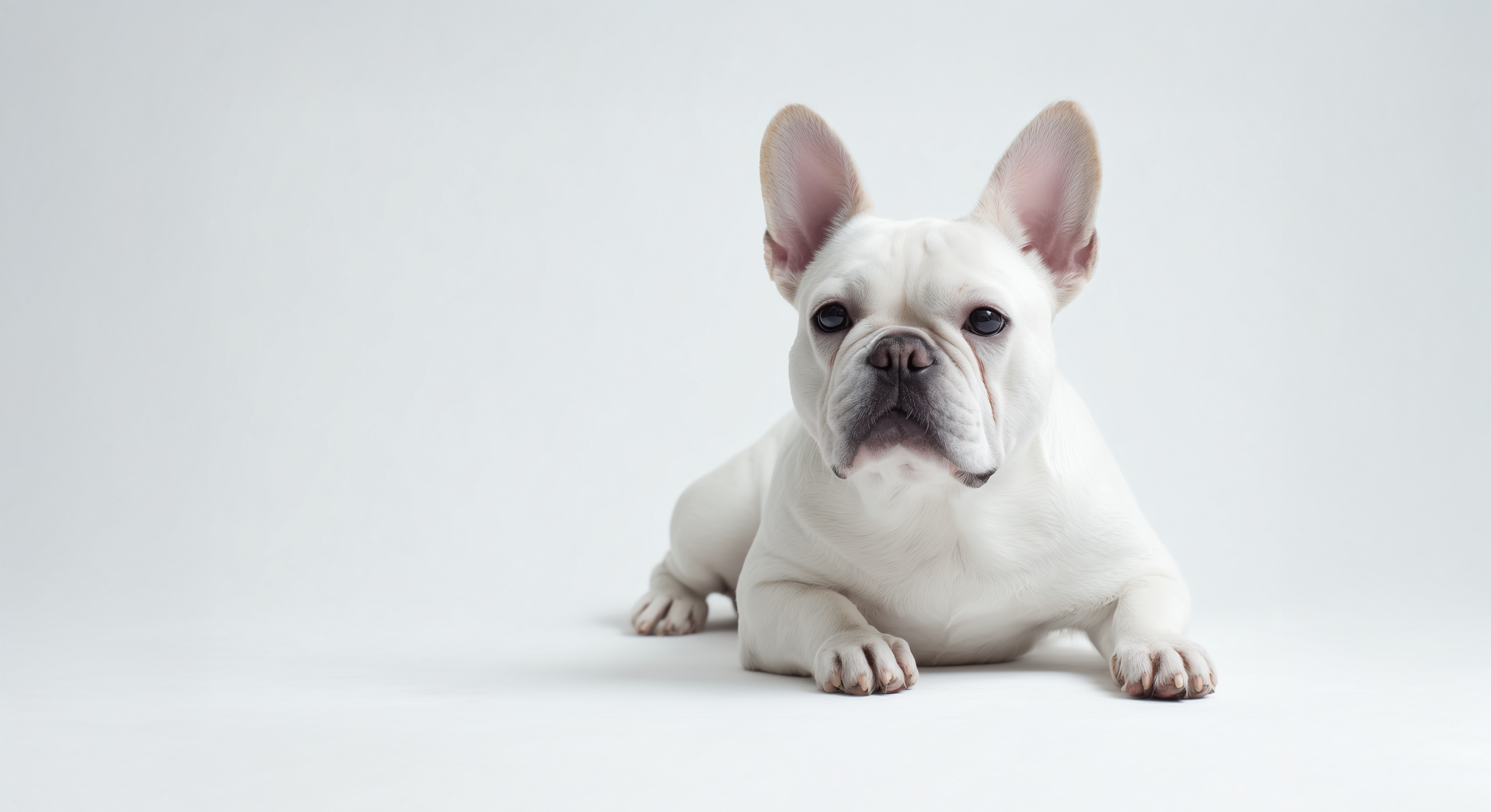
French Bulldog
Both are small, flat-faced companions. Frenchies are more muscular and slightly calmer. Pugs are more playful and vocal but tend to have more significant breathing complications.
Read more about French Bulldog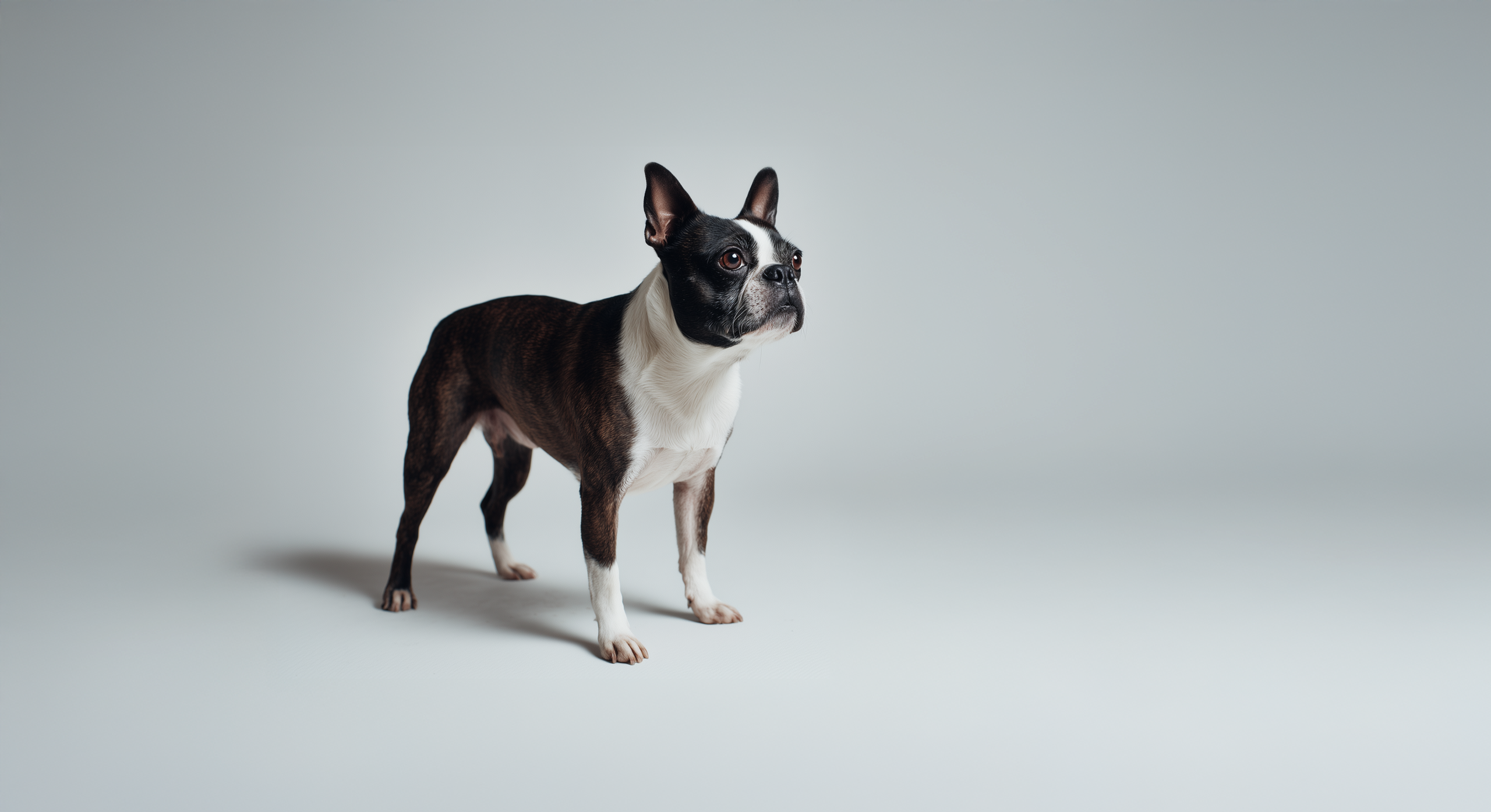
Boston Terrier
Both are compact, flat-faced dogs. Boston Terriers are more athletic and energetic. Pugs are more laid-back and affectionate but tend to have more significant breathing challenges.
Read more about Boston Terrier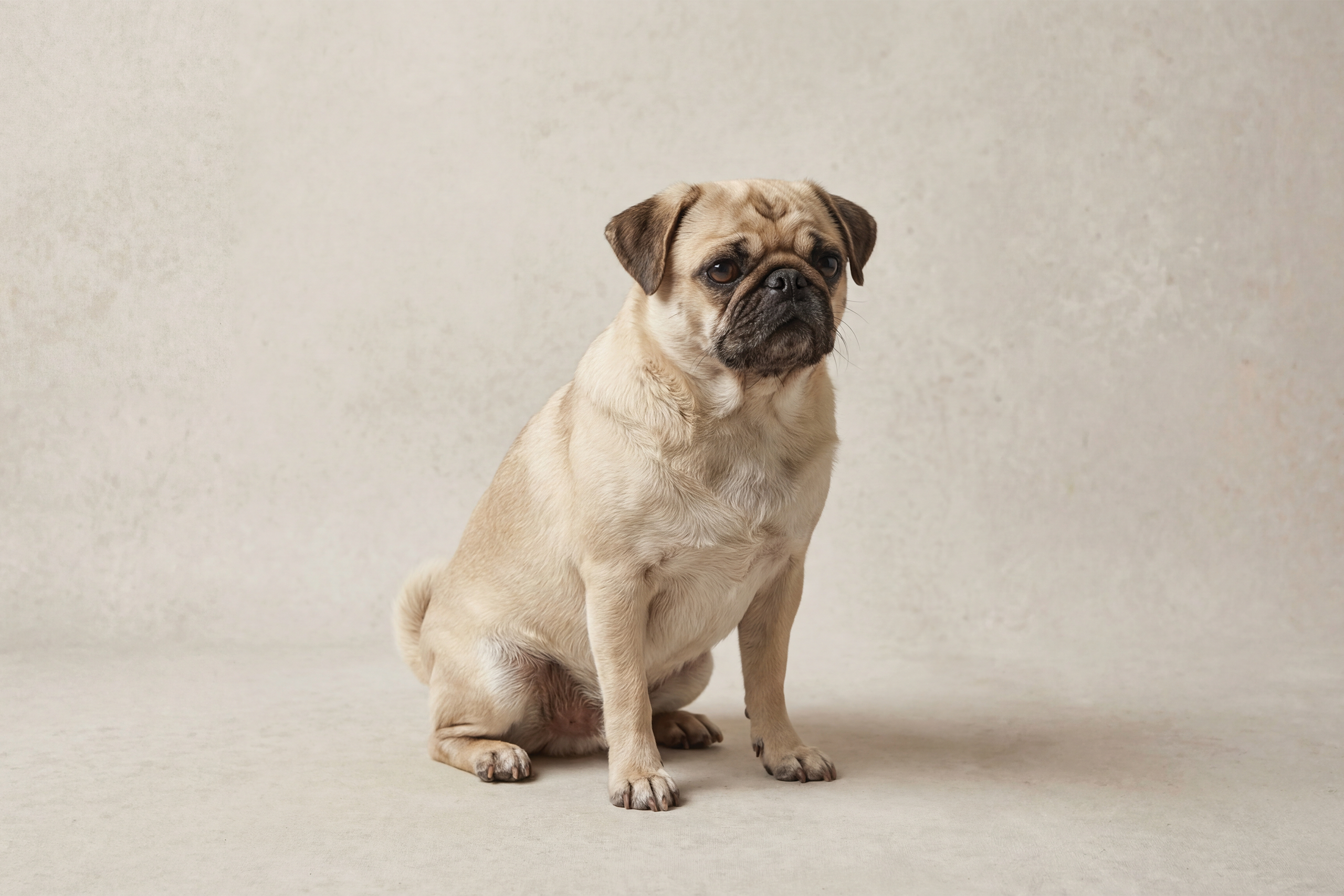
Chinese Pug
These are the same breed. Chinese Pug is simply an alternate name. Both share the same flat face, playful personality, and affectionate, people-loving temperament.
Read more about Chinese Pug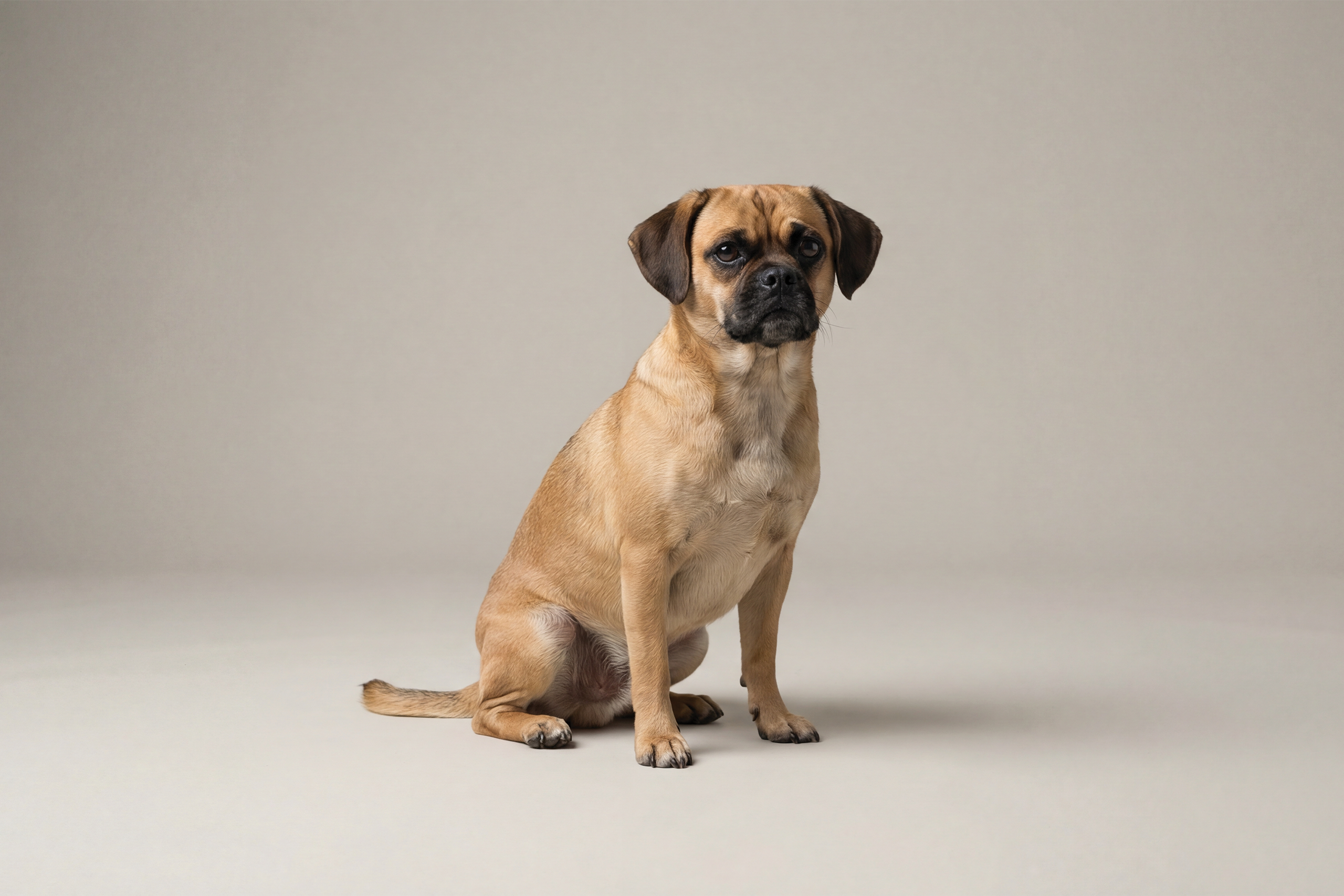
Puggle
Both have Pug roots. Puggles are larger, more athletic, and have fewer breathing issues thanks to their Beagle heritage. Pugs are more compact and better for low-activity households.
Read more about Puggle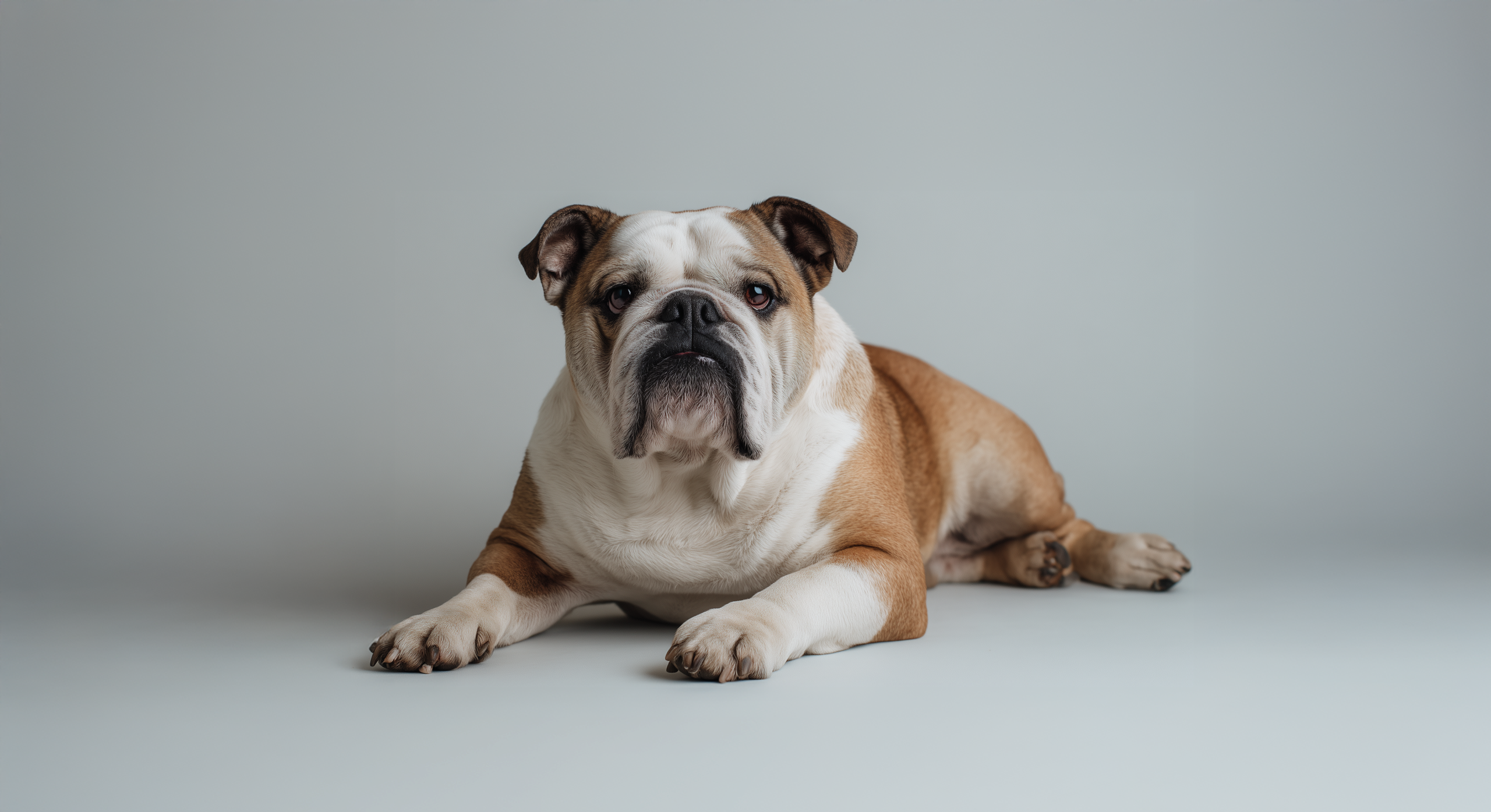
English Bulldog
Both are stocky, low-energy companions. English Bulldogs are larger and more stubborn. Pugs are smaller, more playful, and better suited to apartment living and quieter routines.
Read more about English BulldogIs a Pug right for you?
Pugs reward the right owner with a loyal, endlessly entertaining companion that brings genuine joy and laughter to any household and a low-maintenance lifestyle that suits almost any living situation, from a studio apartment to a country home. They just need an owner who takes brachycephalic health management seriously, keeps them cool and active within safe limits, and wants a devoted, affectionate shadow for life in return. If you’re ready for that, you’re ready for a Pug. Make sure they’re protected from day one.
A few quick words, because we <3 our lawyers: This post is general in nature, and any statement in it doesn’t alter the terms, conditions, exclusions, or limitations of the policies issued, which differ according to your state of residence. You’re encouraged to discuss your specific circumstances with your own professional advisors. The purpose of this post is merely to provide you with info and insights you can use to make such discussions more productive! Naturally, all comments by, or references to, third parties represent their own views, and Lemonade assumes no responsibility for them. Coverage may not be available in all states. Please note that statements about coverages, policy management, claims processes, Giveback, and customer support apply to policies underwritten by Lemonade Insurance Company or Metromile Insurance Company, a Lemonade company, sold by Lemonade Insurance Agency, LLC. The statements do not apply to policies underwritten by other carriers.
Insurance claim data is based on Lemonade pet insurance claims that were settled and paid in 2025.
Average insurance premium data is based on Lemonade’s internal data and reflects the average premium over the last 12 complete months, accurate as of June 2026.
Top pet names are sourced from Lemonade’s database of pet names associated with submitted quotes and purchased policies.
Top states for each breed are based on the number of active Lemonade pet insurance policies for that breed in each state as of June 2026.