


You didn’t land on the English Bulldog by accident. This is a breed people seek out, and for good reason. Gentle, dignified, and endlessly charming, devoted and surprisingly sensitive, and a laid-back companion with an unmistakable look, they’re a natural fit for apartment dwellers, families, and anyone who wants a calm, affectionate companion with a larger-than-life personality and minimal exercise demands who want a loyal, lovable companion who brings warmth, humor, and a reassuring steadiness to any home. Let’s dig in.



What are the characteristics of a English Bulldog?
Think you know what you’re getting into with a English Bulldog? These scores will either confirm your suspicions or give you something to think about. Either way, good to know now.
Training
| Trait | Score | What does it mean? |
|---|---|---|
| Trainability | 3 out of 5 | English Bulldogs are capable of learning but their independent, low-motivation nature means training requires patience, creativity, and consistently high-value rewards to keep them engaged |
| Obedience | 2 out of 5 | Willing to follow direction when properly motivated, but their slow, deliberate pace and selective attention mean obedience training takes longer than with most breeds |
| Focus | 2 out of 5 | Easily distracted and not naturally inclined to sustained focus. Keep sessions very short, very positive, and very rewarding |
| Stubbornness | 4 out of 5 | One of the more stubborn breeds. English Bulldogs have a well-documented tendency to simply sit down and refuse when they have decided something is not worth their effort. Patience and humor are essential |
Friendliness
| Trait | Score | What does it mean? |
|---|---|---|
| Good with family | 4 out of 5 | Deeply devoted to their family and thrives on closeness and inclusion in daily life. Bonds form quickly and run deep |
| Good with children | 4 out of 5 | Gentle, patient, and tolerant with children. Their sturdy, low-slung build holds up well in active households, and their calm temperament makes them a reliable fit for families with kids of all ages |
| Good with strangers | 3 out of 5 | Friendly and generally welcoming with strangers once comfortable, though some individuals can be initially reserved. Early socialization builds confidence and openness |
| Good with other dogs | 3 out of 5 | Can coexist with other dogs reasonably well, though their stubborn confidence means they will not easily back down from a confrontation. Early socialization and careful introductions help |
Adaptability
| Trait | Score | What does it mean? |
|---|---|---|
| Apartment living | 4 out of 5 | Well suited to apartment living. Low energy, compact, and quiet by nature, English Bulldogs are practical apartment dogs provided their brachycephalic health needs are actively managed |
| Cold weather | 2 out of 5 | Sensitive to cold due to their short coat and brachycephalic build. A warm coat in cool weather is a practical necessity |
| Hot weather | 1 out of 5 | One of the breeds most at risk in hot weather. Their severely brachycephalic anatomy makes heat regulation genuinely dangerous. Keep them in air conditioning during warm months, limit all outdoor activity to the coolest parts of the day, and never leave them in a hot car |
| Routine flexibility | 3 out of 5 | Fairly adaptable to routine changes. Their low energy and easygoing temperament make them one of the more flexible companion breeds when schedules shift |
| First time owner | 3 out of 5 | Manageable for some first-time owners in terms of exercise demands, but their brachycephalic health needs, skin fold maintenance, and potential for expensive veterinary care require significant awareness and financial preparation |
Physical needs
| Trait | Score | What does it mean? |
|---|---|---|
| Energy level | 2 out of 5 | Low energy. English Bulldogs enjoy short, gentle activity sessions followed by long periods of rest. They are not built for sustained physical activity and should never be pushed beyond their comfortable limits |
| Endurance | 1 out of 5 | Very limited stamina due to their brachycephalic anatomy and heavy build. Short, gentle walks are appropriate. Any sign of labored breathing or overheating means it is time to stop immediately |
| Exercise needs | 2 out of 5 | Around 20 to 30 minutes of gentle daily exercise is enough. A short, leisurely walk in mild weather and some indoor time covers most of what an English Bulldog needs |
| Mental stimulation | 2 out of 5 | Not particularly demanding in terms of mental stimulation. Short training games and puzzle toys keep them satisfied without overtaxing their breathing or energy |
| Grooming needs | 3 out of 5 | Moderate grooming needs for the coat itself, but their skin folds require daily cleaning to prevent irritation, infection, and a condition known as skin fold dermatitis |
Personality
| Trait | Score | What does it mean? |
|---|---|---|
| Playfulness | 3 out of 5 | Playful in short bursts, particularly as puppies. Adult English Bulldogs are more interested in a comfortable spot on the sofa than sustained interactive play, though they will engage when motivated |
| Affection | 5 out of 5 | Among the most affectionate breeds around. English Bulldogs crave physical closeness and are happiest when they can be near their people |
| Loyalty | 4 out of 5 | Loyal and strongly bonded to their family. English Bulldogs form deep attachments and are known for their steady, devoted presence |
| Independence | 3 out of 5 | Moderate independence. Content to rest and entertain themselves for moderate periods, though they prefer the company of their people |
| Alertness | 3 out of 5 | Alert enough to notice changes in their environment and will vocalize to communicate, though their friendly default means they are more likely to greet than guard |
Behavior
| Trait | Score | What does it mean? |
|---|---|---|
| Barking tendency | 2 out of 5 | Not excessive barkers. English Bulldogs tend to communicate through snorts, grunts, and expressive body language rather than vocalization |
| Digging tendency | 2 out of 5 | Not a natural digger. Occasional digging may occur out of boredom, but it is not a defining tendency of the breed |
| Chewing tendency | 2 out of 5 | Low to moderate chewing tendency. Providing appropriate soft chew toys and redirecting early helps prevent destructive habits |
| Prey drive | 1 out of 5 | Very low prey drive. English Bulldogs are companion dogs at heart with little interest in chasing or hunting |
| Guarding instincts | 2 out of 5 | Their imposing appearance provides a passive deterrent, but English Bulldogs have no meaningful protective or territorial instinct. Their instinct is to welcome, not guard |
What are common health issues of a English Bulldog?
Like all breeds, English Bulldogs are prone to certain health conditions. Here’s what to keep on your radar.
Brachycephalic Airway Syndrome
English Bulldogs have flat faces and narrow airways that make breathing a constant challenge. Heat, exercise, and excitement can all make symptoms significantly worse.
Read more about Brachycephalic Airway SyndromeHip Dysplasia
The hip joint develops abnormally, causing pain and stiffness. English Bulldogs are prone to it, and their heavy build puts extra pressure on already compromised joints.
Read more about Hip DysplasiaCherry Eye
The gland in your dog's third eyelid pops out of place, appearing as a red mass in the corner of the eye. It is common in Bulldogs and usually requires surgical correction.
Read more about Cherry EyeElbow Dysplasia
A developmental condition affecting the elbow joint during growth. It is common in English Bulldogs and often causes front-leg lameness that may need management or surgery.
Read more about Elbow DysplasiaAllergies
English Bulldogs are prone to skin allergies, often appearing as itching, redness, or infections in their skin folds. Food and environmental triggers are both worth exploring.
Read more about AllergiesWhat are the recommended health tests for English Bulldogs?
Your English Bulldog can’t tell you when something’s off. That’s what these tests are for. Here’s what vets typically recommend for them.
-
 Cardiac evaluation by a board-certified cardiologist (OFA, annually from age 1)
 -
Hip dysplasia evaluation (OFA or PennHIP)
-
Tracheal hypoplasia evaluation (recommended by the Bulldog Club of America)
-
ACVO ophthalmologist eye exam (OFA Eye Registry, annually from age 1)
History of the English Bulldog
The English Bulldog's history is one of the most dramatic transformations in the dog world, from a dog bred for violence to one of the most beloved and gentle companion breeds in existence. The breed's origins lie in the brutal sport of bull-baiting, which was practiced in England from the 13th century until it was outlawed by the Cruelty to Animals Act of 1835. Bull-baiting dogs were athletic, agile, and ferocious, bred specifically to seize a bull by the nose and pin it to the ground. When the sport was outlawed, the breed's original purpose disappeared overnight, and many feared it would go extinct. A group of dedicated breeders undertook a deliberate effort to transform the dog's temperament entirely while preserving its distinctive physical appearance. Over several generations they selectively bred out the aggression and ferocity, producing a dog that retained the Bulldog's characteristic stocky build, wrinkled face, and undershot jaw but was gentle, affectionate, and reliably good-natured. The result was one of the most successful temperament transformations in canine history. The Bulldog Club of England was founded in 1875, making it one of the oldest breed clubs in the world. The AKC recognized the English Bulldog in 1886. The breed became a popular mascot for universities, sports teams, and military units throughout the 20th century, and today the English Bulldog is one of the most recognizable dogs in the world. However, the breed faces serious and well-documented welfare concerns related to its extreme brachycephalic conformation, and ongoing debates within the veterinary and breeding communities about the ethics of perpetuating traits that compromise the dog's ability to breathe, exercise, and give birth naturally continue to shape the breed's future.
Caring for a English Bulldog
Training
Training a English Bulldog takes patience, but it’s worth the effort. They are stubborn and slow to respond to repetitive drills, which means owners need to keep sessions short, fun, and highly rewarding to get results. Short, upbeat sessions with high-value treats and a relaxed, patient attitude tends to work best, and getting started early makes a real difference.
Whether you’re starting from scratch or leveling up, these are worth the read.
Grooming
English Bulldogs have a short, smooth coat that requires low grooming. Weekly brushing with a soft bristle brush is all the coat needs, and the occasional wipe-down keeps them looking their best. Skin folds require daily cleaning to prevent moisture buildup and infection.
From nail trims to professional care, here’s everything you need to keep your Bully looking (and feeling) their best.
Exercise and mental stimulation
English Bulldogs have low energy levels and need 20 to 30 minutes of exercise each day to stay happy and healthy. Short slow walks, gentle indoor play, and short interactive games are all great ways to burn through that energy. But physical exercise is only half the picture. English Bulldogs are moderately intelligent dogs, and mental stimulation is just as important as the miles you put in. Without it, they become lazy, overweight, and prone to stubborn and attention-seeking behaviors. Puzzle toys, training sessions, and scent work are all solid ways to keep their brain engaged between walks.
Here’s how to build an exercise routine your English Bulldog will actually love.
Nutrition
English Bulldogs are medium dogs with low energy, so they need a diet to match. Most adults do well on around 600 to 800 calories a day, spread across two meals. Depending on what you’re feeding them, expect to spend around $35 to $55 a month on food. Not the cheapest line item, but not the most expensive either.
What goes in the bowl is your call, and your vet’s. Kibble, raw, fresh, or a combination: there’s no single right answer. Focus on quality ingredients, the right portions for your dog’s age and activity level, and you’re most of the way there.
Get the full picture on feeding a English Bulldog here.
English Bulldog costs and adoption
What does it cost to bring home a English Bulldog?
Before your English Bulldog even sets a paw in your home, there are some one-time costs worth planning for. Here’s what to expect upfront.
| Category | Cost Range | Details |
|---|---|---|
| Adoption (Reputable breeder) | $1,500-$4,000 | Health testing, vaccinations, early socialization, pedigree |
| Adoption (Rescue/shelter) | $50-$300 | Basic veterinary care, spay/neuter, temperament evaluation |
| Initial veterinary care | $300-$600 | Exam, vaccinations, spay/neuter if needed, microchip |
| Essential supplies | $200-$400 | Crate, bed, leash, collar, food bowls, toys |
| Training classes | $150-$300 | Basic obedience, puppy socialization |
Unexpected costs have a way of showing up in year one more than any other. A starter emergency fund alongside a solid pet insurance plan is the best way to make sure they don’t catch you off guard.
What does it cost to own a English Bulldog each year?
Once you’re past year one, ownership costs settle into a more predictable rhythm. Here’s what most English Bulldog owners spend annually, though keep in mind these numbers can vary quite a bit depending on where you live, your dog’s individual health needs, and the choices you make along the way.
| Category | Annual cost | Details |
|---|---|---|
| Food and treats | $400-$700 | Based on the recommended portion for your English Bulldog |
| Routine Veterinary Care | $500-$1,000 | Wellness exams, vaccinations, dental care |
| Professional Grooming | $100-$300 | Every Every 8 to 10 weeks, Short smooth single coat needs only weekly brushing; daily fold cleaning is the most important ongoing grooming commitment. |
| Toys and Supplies | $100-$300 | Replacement items, mental stimulation toys |
What are popular English Bulldog names?
We’ve crunched the numbers, and found the top 10 most popular names for English Bulldog we see at Lemonade.
More names where those came from. If none of these are clicking, we’ve done the digging for you. Go find the one that sticks.
English Bulldog puppies
Puppy veterinary needs
The first year matters a lot. What happens between 8 weeks and 12 months shapes who this dog becomes. Here’s what to focus on.
The first few months are the most important window for your puppy’s health. Core vaccines start at 6–8 weeks and continue through 16 weeks. After that, its annual boosters and routine screening as they grow into adults.
It’s a lot to keep track of. That’s why we made it easy.
Puppy socialization
English Bulldog puppies are gentle, affectionate, and surprisingly funny in a quiet, dignified sort of way. That a calm, steady presence and a level of devotion that makes them one of the most beloved companion breeds in the world is part of what makes them an owner who understands and actively manages the breed's serious brachycephalic health needs, is prepared for potentially significant veterinary costs, and wants a deeply devoted, low-energy companion above all else, and it’s also why early socialization matters so much.
Between 8 and 16 weeks, get them in front of as much variety as possible. Different people, animals, sounds, surfaces, and locations. Keep every experience positive. Puppy classes are great for this: supervised, controlled, and full of exactly the kind of novelty a English Bulldog brain needs to learn that the world is mostly fine.
Where are English Bulldog’s most popular in the United States?
Based on Lemonade’s own policyholder data, English Bulldogs are most popular in these five states. We’ve also thrown in a few things local pet owners should keep an eye on, so your pup can get out there and explore safely.
1. Texas
Texas heat is intense and sets in early. Hot pavement can burn paws from late spring through early fall, and heatstroke risk is high during midday walks in cities like Houston, Dallas, and San Antonio. Rattlesnakes, scorpions, and fire ants are also common hazards, particularly in suburban and rural areas.
2. California
Foxtail grass is one of the sneakiest hazards for California dogs. The barbed seeds can embed in paws, ears, and noses from late spring through early fall, so check your dog after any outdoor time. Wildfire smoke is also a real seasonal concern; when air quality alerts are in effect, it's best to keep walks short and stay indoors as much as possible.
3. Pennsylvania
Pennsylvania is one of the highest-risk states for Lyme disease in the US, with ticks active across the state's forests, parks, and suburban green spaces. Copperhead snakes are also found in wooded and rocky areas, particularly in the central and eastern parts of the state, so watching where your dog explores is worth the habit.
4. New Jersey
New Jersey consistently ranks among the top states for Lyme disease cases, so tick prevention is critical for any dog spending time outside, even in suburban backyards. Proximity to the Jersey Shore also means dogs can encounter jellyfish washed ashore, and saltwater ingestion during beach trips can cause stomach issues.
5. New York
In New York City, street hazards are the main thing to watch. Dropped food, discarded gum containing xylitol, and litter are common ingestion risks on sidewalks and in parks. Upstate and in Long Island, the story shifts to ticks: New York is a Lyme disease hotspot, and black-legged ticks are active from early spring through late fall.
Breed comparison
Already leaning toward a English Bulldog? These breeds often get compared, here’s a quick snapshot of how they stack up.
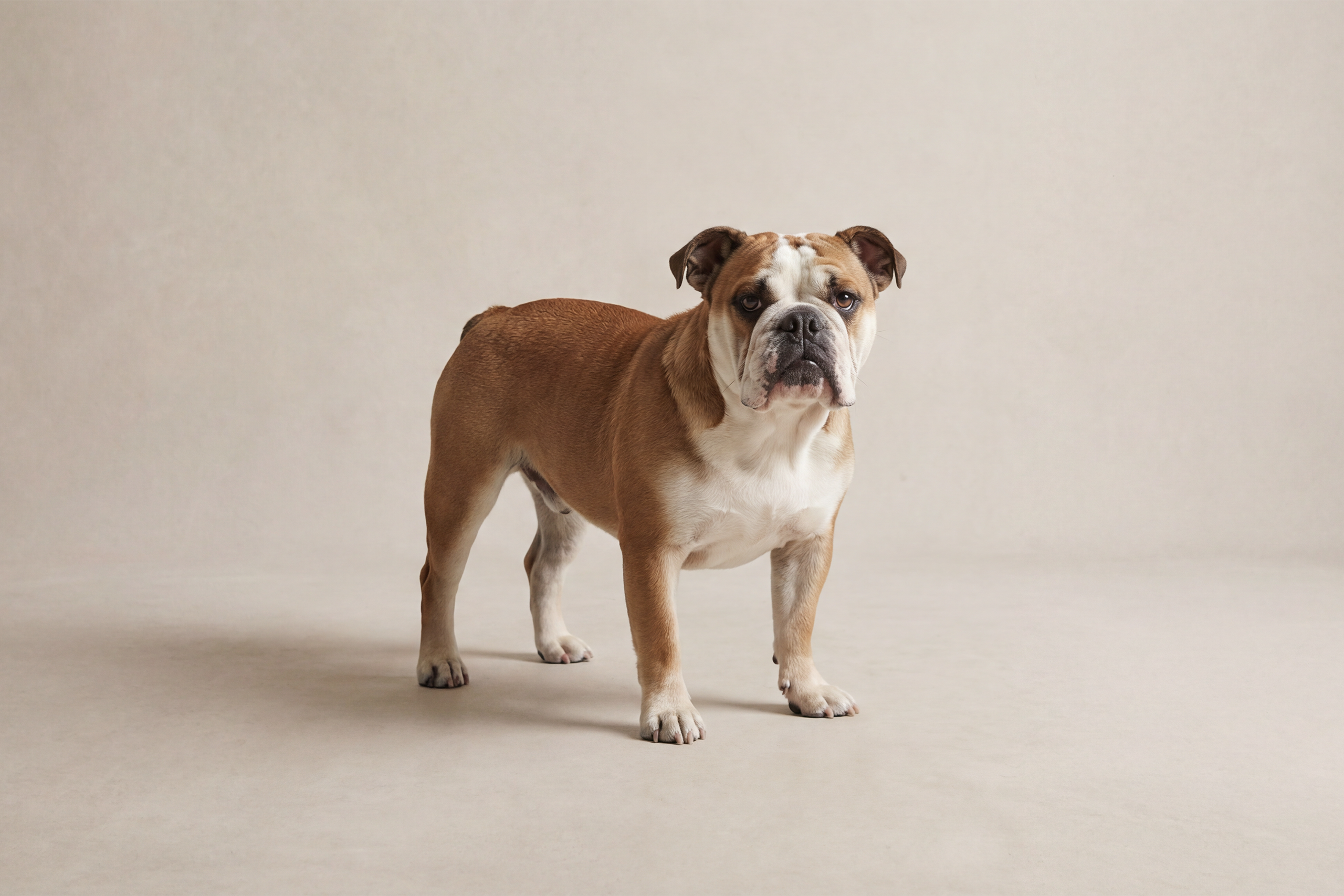
Bulldog
These are the same breed. Bulldog is simply the shortened name. Both share the same stocky build, low energy, and affectionate, stubborn personality that defines the breed.
Read more about Bulldog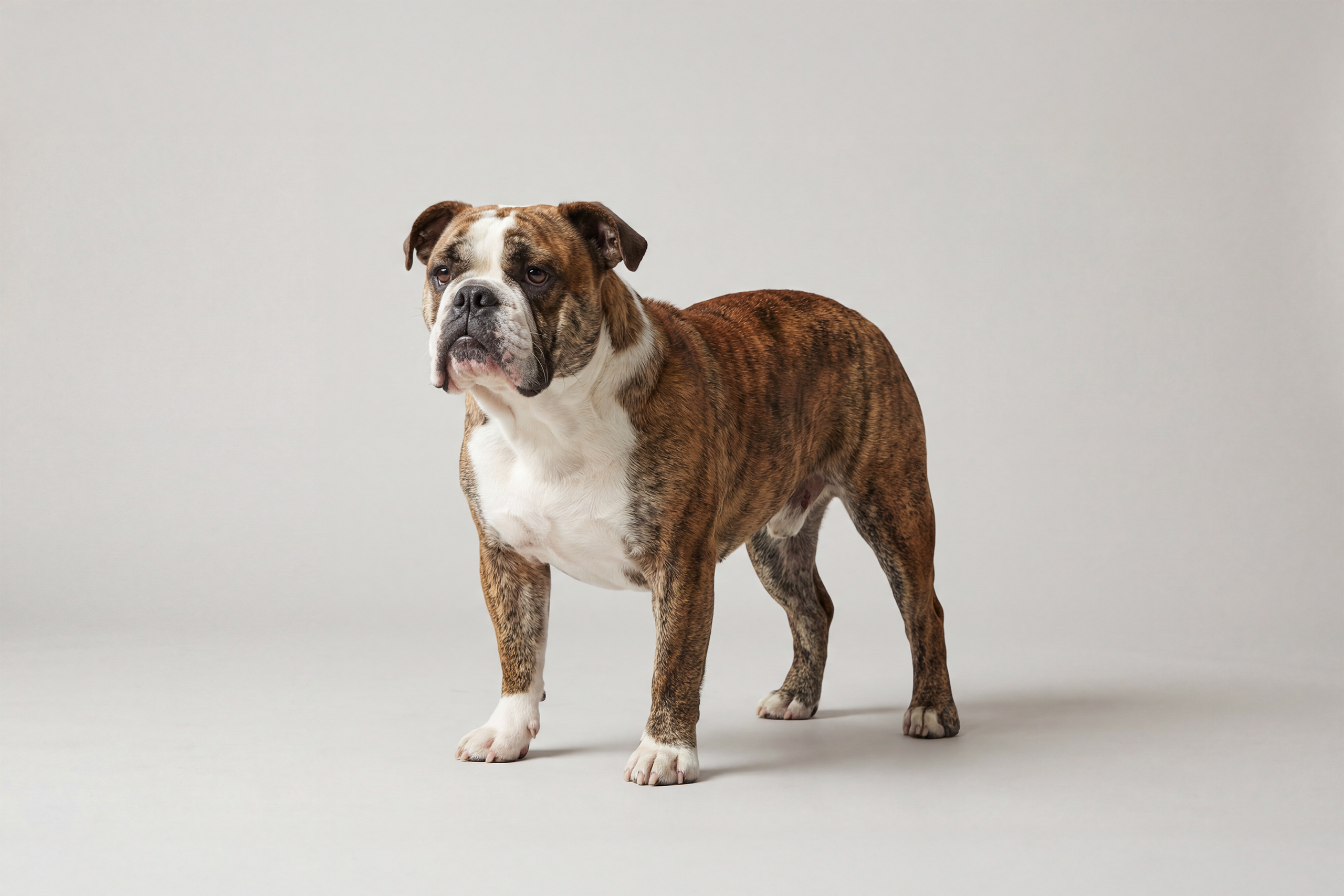
Olde English Bulldog
Both are muscular, heavy-set breeds. Olde English Bulldogs are more athletic and have fewer breathing issues. English Bulldogs are more widely recognized and better known as companions.
Read more about Olde English Bulldog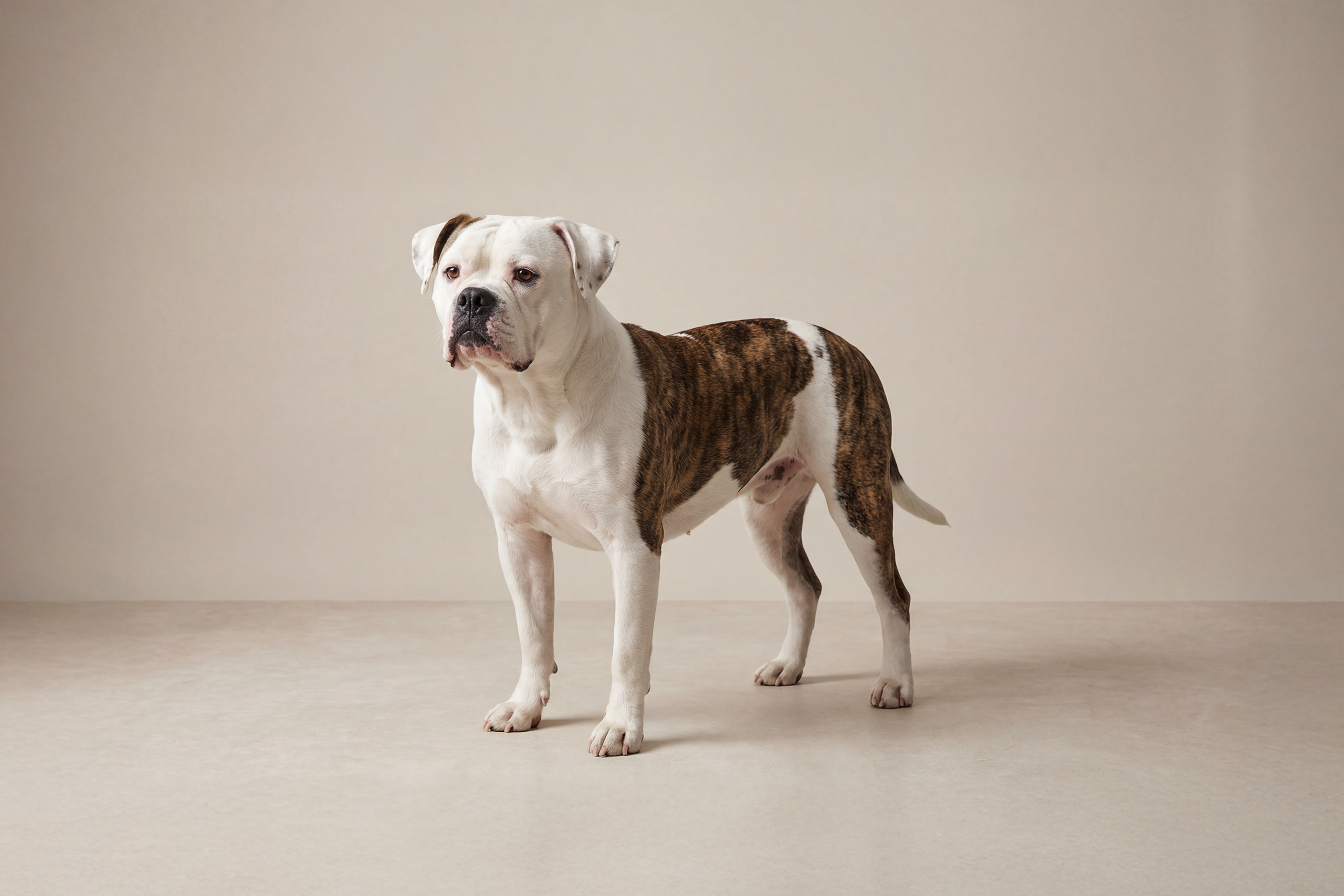
American Bulldog
Both are muscular bulldog breeds. American Bulldogs are larger, more athletic, and more energetic. English Bulldogs are more compact, lower energy, and better for less active owners.
Read more about American Bulldog
French Bulldog
Both are stocky, flat-faced breeds. French Bulldogs are smaller, more playful, and more adaptable. English Bulldogs are heavier, more stubborn, and better for very low-key households.
Read more about French Bulldog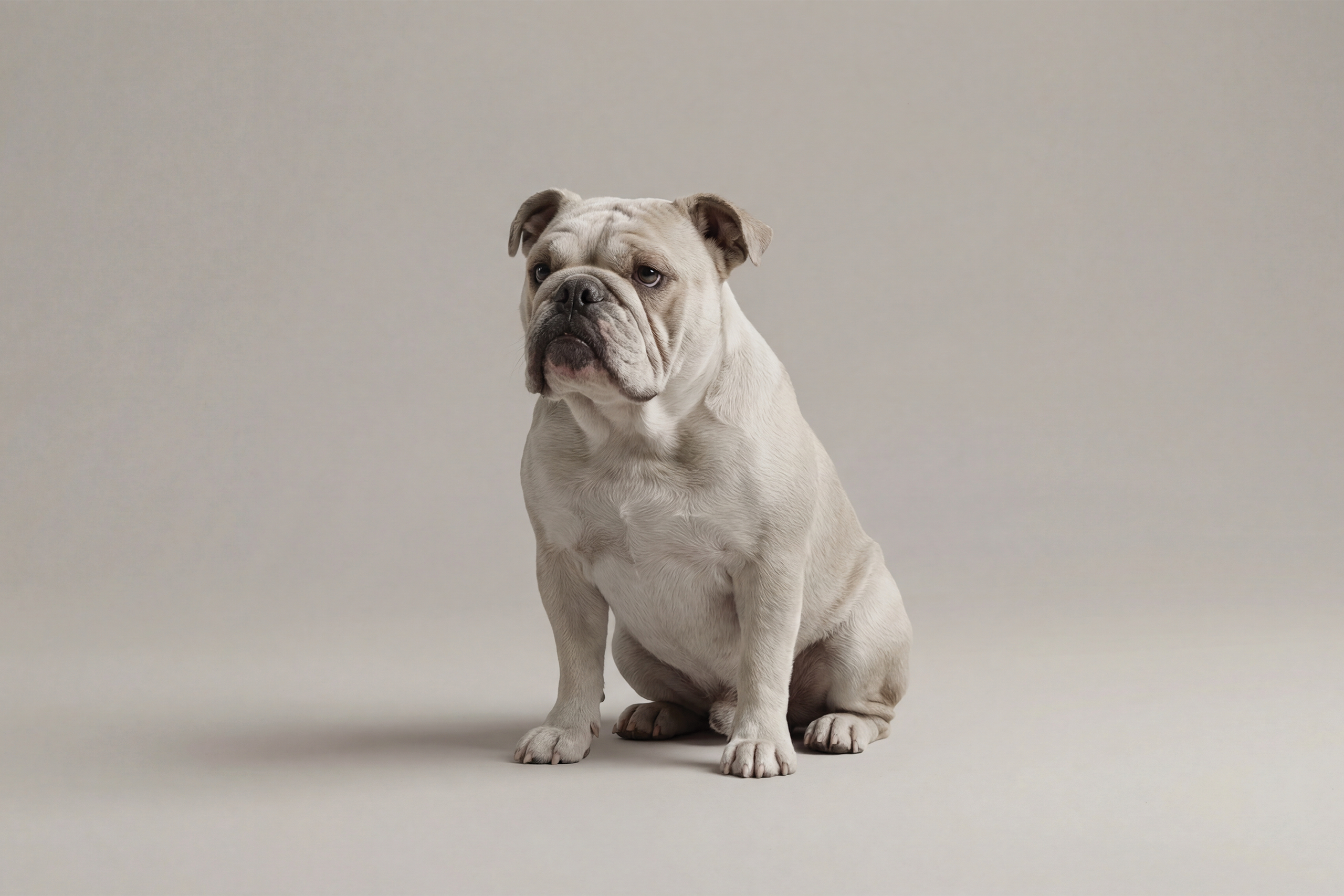
English Bull
These refer to the same breed. English Bull is simply a shortened version of the name. Both share the same heavy build, flat face, and gentle, stubborn temperament.
Read more about English BullIs a English Bulldog right for you?
English Bulldogs reward the right owner with a loyal, gentle presence that brings warmth and quiet humor to any home and a calm, low-maintenance lifestyle in a compact, distinctive package that turns heads wherever they go. They just need an owner who takes brachycephalic health management seriously, is financially prepared for potentially significant veterinary costs, and wants a deeply loving, low-energy companion for life in return. If you’re ready for that, you’re ready for a English Bulldog. Make sure they’re protected from day one.
A few quick words, because we <3 our lawyers: This post is general in nature, and any statement in it doesn’t alter the terms, conditions, exclusions, or limitations of the policies issued, which differ according to your state of residence. You’re encouraged to discuss your specific circumstances with your own professional advisors. The purpose of this post is merely to provide you with info and insights you can use to make such discussions more productive! Naturally, all comments by, or references to, third parties represent their own views, and Lemonade assumes no responsibility for them. Coverage may not be available in all states. Please note that statements about coverages, policy management, claims processes, Giveback, and customer support apply to policies underwritten by Lemonade Insurance Company or Metromile Insurance Company, a Lemonade company, sold by Lemonade Insurance Agency, LLC. The statements do not apply to policies underwritten by other carriers.
Insurance claim data is based on Lemonade pet insurance claims that were settled and paid in 2025.
Average insurance premium data is based on Lemonade’s internal data and reflects the average premium over the last 12 complete months, accurate as of June 2026.
Top pet names are sourced from Lemonade’s database of pet names associated with submitted quotes and purchased policies.
Top states for each breed are based on the number of active Lemonade pet insurance policies for that breed in each state as of June 2026.