
American Shorthair Pet Insurance
Adaptable, easygoing, and one of the most popular cats in the country for good reason.

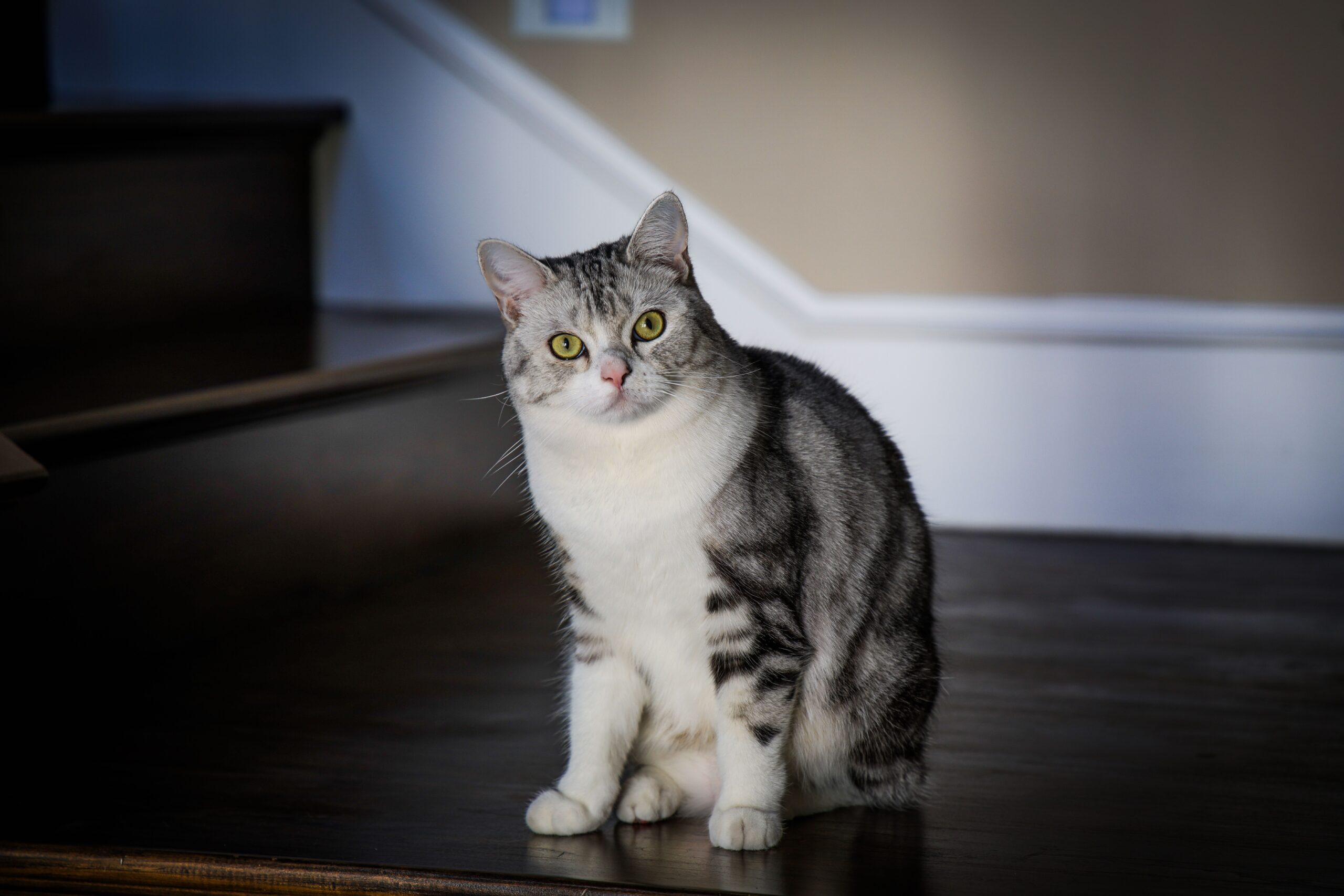
Adaptable, easygoing, and one of the most popular cats in the country for good reason.
American Shorthairs are the definition of low-maintenance. They fit into almost any home, get along with kids and other pets, and don’t demand constant attention. What they do share with every other cat, though, is a body that can surprise you with a vet bill. With a lifespan of 15 to 20 years and a known predisposition to heart disease, diabetes, and kidney conditions, having the right coverage in place matters more than most owners expect.
 TL;DR
TL;DR
American Shorthairs are sturdy, adaptable, and generally healthy cats. But their long lifespan, up to 20 years, means there’s a lot of time for conditions to develop, and several of the ones this breed is prone to are chronic, progressive, and expensive to manage over the long haul. None of them are guaranteed, but all of them are worth knowing about before a vet visit catches you off guard.
HCM thickens the heart muscle, making it harder to pump blood. American Shorthairs have a genetic predisposition, so regular cardiac screening is important.
Read more about HCMDiabetes occurs when the body can't regulate blood sugar. American Shorthairs are prone due to their tendency toward obesity, making weight management the best form of prevention.
Read more about DMCKD causes the kidneys to lose their ability to filter waste over time. American Shorthairs are prone as they age, and routine bloodwork is the most reliable way to catch it early.
Read more about CKDHeart murmurs signal abnormal blood flow and can indicate cardiac issues. American Shorthairs can develop them with age, so regular cardiac checkups are a smart precaution.
Read more about heart murmursHyperthyroidism occurs when the thyroid produces too much hormone, speeding up metabolism. It's common in older cats, and annual thyroid screening is a smart part of routine care.
Read more about HyperthyroidismYour vet will likely recommend a complete blood count, biochemistry profile, urinalysis, and FIV/FeLV screening at your American Shorthair’s annual checkup. For this breed specifically, it’s worth asking about an annual echocardiogram. Heart disease can develop quietly in American Shorthairs, and catching it early gives you significantly more options for managing it.
The numbers below aren’t projections. They’re what American Shorthair owners actually filed and got back last year.
Behind each of those numbers is an American Shorthair owner who had a plan in place when an unexpected accident or illness struck. Here’s what that can look like in practice.
Biscuit, a 7-year-old American Shorthair, had always seemed perfectly healthy. His owner brought him in for his annual exam without a second thought. The vet noticed a heart murmur. An echocardiogram confirmed early-stage HCM. Add in the exam, imaging, and a cardiology consultation, and the bill came to $1,100.
With a $250 deductible, 80% co-insurance, and a $20,000 annual limit:
With the deductible now met for the year, every eligible claim that follows gets the full 80%.
Biscuit starts drinking more water than usual and losing weight despite eating normally. Bloodwork confirms diabetes. His owner leaves with a glucose monitoring plan, insulin, and a $420 bill.
With the deductible already met:
Two claims. One cat. One year. Without coverage: $1,520 out of pocket. With Lemonade: $554.
Biscuit is managing well, by the way.
You’ve seen the risks. You’ve seen what a couple of claims in a single year can look like. Here’s how to build a plan around your cat.
Every Lemonade policy starts with accident and illness coverage as the base. That means diagnostics, medications, and treatments for unexpected accidents and illnesses that aren’t pre-existing and occur after your waiting periods have passed. Waiting periods are the short windows between when your policy starts and when coverage kicks in, just long enough to make sure a condition is genuinely new.
From there, you set your deductible, co-insurance, and annual limit. Your co-insurance is the percentage Lemonade covers of each eligible vet bill. Your deductible is what you pay before reimbursement kicks in. Your annual limit is the most Lemonade will pay out in a policy year. You saw how those three numbers work together in Biscuit’s story.
Once your base is set, add what makes sense for your American Shorthair and skip what doesn’t.
For a breed with a lifespan that can stretch to 20 years, staying consistent with annual exams, vaccines, and bloodwork isn’t optional, it’s how you catch the conditions American Shorthairs are prone to before they become serious. A routine care package reimburses you for the preventive visits and tests you’re already doing.
What’s available varies depending on where you live, so the easiest way to see your options is to get a quote.
When your American Shorthair sees a vet for an accident or illness, there are typically two costs: the actual treatment, and the exam fee your vet charges for their time. Your base policy covers the treatment. Without this add-on, that exam fee comes straight out of pocket.
Remember Biscuit’s HCM visit? That $1,100 bill included a $150 exam fee. Here’s what the reimbursement looks like with and without the add-on:
| Without visit fee add-on | With visit fee add-on | |
|---|---|---|
| Eligible amount | $950 | $1,100 |
| Apply co-insurance (80%) | $760 | $880 |
| Subtract deductible ($250) | $510 | $630 |
| You pay | $590 | $470 |
That’s $120 more back in your pocket on a single visit. It’s a small difference on its own, but it can really add up if your cat needs ongoing or repeat care, which with a long-lived breed like the American Shorthair is a real possibility.
This add-on is subject to your base policy’s co-insurance and deductible, and covers exam fees for accident and illness visits only. It doesn’t apply to annual wellness exams, routine preventive care, or anything related to a pre-existing condition.
Your base policy covers diagnostics and treatment when something goes wrong. This add-on picks up where that leaves off, covering rehabilitation and physical therapy for functionality issues that result from an unexpected accident or illness. American Shorthairs are sturdy, moderately active cats, but their tendency toward weight gain can put extra stress on their joints over time. A sprain, a soft tissue injury, or a rough landing can turn into a longer recovery than you’d expect for a breed this size.
Take Biscuit again. Say he tweaks a joint jumping down from a high shelf and needs surgery to address the damage. His base policy covers the diagnosis and surgery. Here’s what happens to the rehabilitation bill with and without the add-on:
| Initial treatment | PT without add-on | PT with add-on | |
|---|---|---|---|
| Eligible amount | $1,400 | $0 (PT not covered) | $600 |
| Deductible | Already met | N/A | Already met |
| Apply co-insurance (80%) | $1,120 | N/A | $480 |
| You pay | $280 | $600 | $120 |
That’s a $480 difference, just on the recovery. The add-on doesn’t cover alternative treatments like CBD or aromatherapy, or anything related to a pre-existing condition.
American Shorthairs are prone to dental disease, especially as they age, and it’s one of the most commonly overlooked aspects of feline health. Lemonade offers two dental add-on options depending on where you live.
Dental illness: Covers treatments, procedures, diagnostics, and medications for dental illness, including extractions, dental surgeries, and conditions like gingivitis and periodontal disease. Subject to your policy’s co-insurance and deductible, with a $1,000 annual limit. Routine cleanings aren’t included here, but may be available through a Routine Vet Care package.
Dental care: Everything in dental illness, plus routine dental cleanings. Pre-existing dental conditions are covered under this option, and no deductible applies. Also comes with a $1,000 annual limit, and is available to add if your American Shorthair is between 0 to 3 years old.
American Shorthairs are adaptable, but even the most easygoing cat has a limit. A new pet, a big move, or a disrupted routine can surface as anxiety or compulsive behaviors in a breed that thrives on calm consistency.
This add-on covers diagnostics, vet-recommended treatments, and medications for eligible behavioral conditions, including therapy sessions and specialized training for anxiety, phobias, and destructive or aggressive behaviors. Treatment must be administered by a vet or licensed behaviorist, and it’s subject to your base policy’s co-insurance and deductible, with a separate $1,000 annual limit.
General obedience training, pre-existing behavioral conditions, alternative treatments like CBD, and property damage aren’t covered. Visit fees for behavioral appointments fall under the base policy for those with the visit fee add-on.
Nobody wants to think about this one. But losing a pet is one of the hardest things a pet parent goes through, and the practical decisions that come with it shouldn’t have to be made under financial pressure in an already devastating moment.
This add-on covers vet-recommended euthanasia, cremation, and commemorative items, like an urn, framed paw prints, digital photo storage, or even a tattoo. It’s not subject to your base policy’s co-insurance or deductible, has an up to $500 limit, and still provides coverage if euthanasia is vet-recommended as the result of a pre-existing condition.
Funeral or burial costs and preservation services aren’t covered, and like most add-ons, it’s subject to a waiting period that varies by state.
American Shorthairs live 15 to 20 years and become a constant, quiet fixture in daily life. This add-on won’t make that day easier. But it can make it a little less complicated.
The cost of your premium is personal. It depends on your cat’s age, your location, and what add-ons you select. One thing worth knowing: the earlier you enroll, the more coverage you have. Conditions that develop after your policy is active and waiting periods have passed are eligible for coverage. Conditions that exist before you enroll aren’t. For a breed with the American Shorthair’s health profile, that distinction matters.
| Age | Average monthly premium |
|---|---|
| 1 year old | $15–$20 |
| 2 years old | $15–$20 |
| 3 years old | $15–$20 |
| 4 years old | $15–$20 |
| 5 years old | $20–$25 |
| 6 years old | $25–$30 |
| 7 years old | $25–$30 |
Every pet insurance provider covers the basics, but American Shorthairs have a specific set of needs that go beyond the basics. A breed with a 20-year lifespan and predispositions to heart disease, diabetes, and kidney conditions needs a plan built for the long game, not just the first few years.
With Lemonade, you’re not choosing from a fixed menu. You’re building a plan around your cat’s actual risk profile, adding cardiac-related illness coverage for a breed that needs consistent heart monitoring, dental coverage for long-term oral health, and routine vet care for a cat that will be with you for two decades. And when you do need to file a claim, you can do it in the app in minutes.
Don’t just take our word for it. Here’s how we stack up:



The American Shorthair is one of the oldest cat breeds in North America, descended from working cats brought over by European settlers, possibly as early as the Mayflower voyage in 1620. They earned their keep as expert mousers on ships and in the homes and barns of early colonial America, and a 1634 publication credits them with saving New England crops from squirrels and chipmunks. They were exhibited at the first US cat show in 1895 and recognized by the Cat Fanciers Association in 1906 under the name Domestic Shorthair, before being officially renamed the American Shorthair in 1966 to distinguish them from other non-pedigreed shorthaired cats.
American Shorthairs are confident, curious, and genuinely easy to live with. They’re affectionate without being clingy, playful without being demanding, and adaptable enough to fit into almost any household without missing a beat. They do well with kids, with other pets, and with owners who aren’t home all day, though they’ll always be glad when you are. The flip side of that independence is that they can become restless and prone to mischief without enough stimulation. A couple of play sessions a day and a good cat tree go a long way. This is a breed that rewards a consistent routine and a little daily attention with decades of easy, uncomplicated companionship.
American Shorthairs are easygoing, adaptable, and built for the long haul, sometimes literally, with a lifespan that can stretch to 20 years. That’s a lot of time for unexpected vet bills to add up. The right plan means you’re covered for whatever comes, from a surprise cardiac finding to a dental procedure years down the line.
For most owners, yes, especially given how long this breed lives. A 15 to 20-year lifespan means a lot of time for conditions like HCM, diabetes, and chronic kidney disease to develop. Lemonade paid out $9.7M in American Shorthair claims last year alone. Having coverage in place before something goes wrong is what turns an overwhelming vet bill into a manageable one.
American Shorthairs are commonly predisposed to hypertrophic cardiomyopathy, diabetes mellitus, chronic kidney disease, heart murmurs, and hyperthyroidism. Many of these conditions are progressive and develop gradually with age, which is why routine screening and early detection matter so much for this breed.
As early as possible. Conditions that develop after your policy is active and waiting periods have passed are eligible for coverage. Conditions that exist before you enroll are considered pre-existing and won’t be covered. Getting a plan in place before any health issues arise gives your American Shorthair the broadest possible coverage across what can be a very long life.
Yes, as long as the condition isn’t pre-existing and develops after your waiting periods have passed. That includes conditions American Shorthairs are genetically prone to, like HCM and chronic kidney disease. Your base policy covers diagnostics, medications, and treatments, and add-ons let you extend that coverage to dental illness, physical therapy, and more.
Yes, but keep in mind that any conditions already present before your policy starts won’t be eligible for coverage. Premiums do increase with age, but for a breed that can live two decades, coverage at any age can still make a meaningful difference on vet bills.
A few quick words, because we <3 our lawyers: This post is general in nature, and any statement in it doesn’t alter the terms, conditions, exclusions, or limitations of the policies issued, which differ according to your state of residence. You’re encouraged to discuss your specific circumstances with your own professional advisors. The purpose of this post is merely to provide you with info and insights you can use to make such discussions more productive! Naturally, all comments by, or references to, third parties represent their own views, and Lemonade assumes no responsibility for them. Coverage may not be available in all states. Please note that statements about coverages, policy management, claims processes, Giveback, and customer support apply to policies underwritten by Lemonade Insurance Company or Metromile Insurance Company, a Lemonade company, sold by Lemonade Insurance Agency, LLC. The statements do not apply to policies underwritten by other carriers. Insurance claim data figures reflect approved accident and illness claims filed by Lemonade Pet policyholders over the trailing 12 months as of June 2026. They are averages across Lemonade’s insured population for this breed, not predictions of future claims or reimbursement for any individual pet. Actual payouts depend on your policy’s limit, deductible, co-insurance, waiting periods, and exclusions, and may not reflect the broader breed population or other insurers’ experience. Average insurance premium data is based on Lemonade’s internal data and reflects the average premium over the last 12 complete months, accurate as of June 2026.
Please note: Lemonade articles and other editorial content are meant for educational purposes only, and should not be relied upon instead of professional legal, insurance or financial advice. The content of these educational articles does not alter the terms, conditions, exclusions, or limitations of policies issued by Lemonade, which differ according to your state of residence. While we regularly review previously published content to ensure it is accurate and up-to-date, there may be instances in which legal conditions or policy details have changed since publication. Any hypothetical examples used in Lemonade editorial content are purely expositional. Hypothetical examples do not alter or bind Lemonade to any application of your insurance policy to the particular facts and circumstances of any actual claim.