

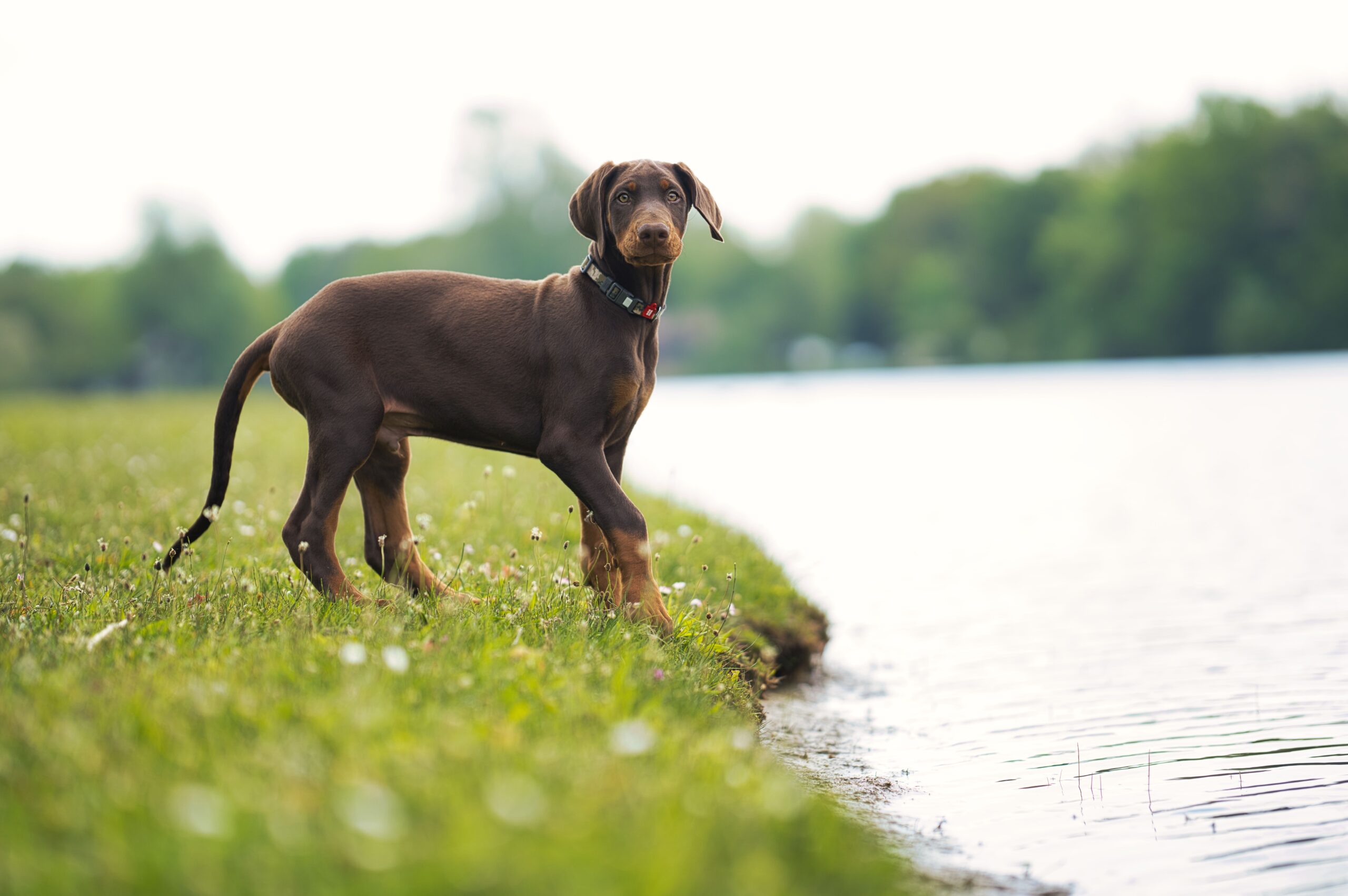
Seasonal alopecia is a recurring pattern of hair loss that shows up in symmetrical patches on both sides of a dog’s body, usually in fall or winter, and then resolves on its own. It looks alarming, but it’s almost always harmless. That said, not all symmetrical hair loss is seasonal alopecia, so it’s worth knowing what to look for and when to loop in your vet.
 TL;DR
TL;DR
- Seasonal alopecia in dogs is a recurring, mostly cosmetic condition where hair falls out in symmetrical patches on the flanks, usually in fall or winter.
- It’s tied to daylight changes (photoperiod) and is most common in Boxers, Bulldogs, and Airedale Terriers.
- The affected skin may look darker than usual (hyperpigmentation), but your dog won’t feel itchy or uncomfortable.
- Hair regrowth typically happens on its own, though melatonin is sometimes used to support it.
- If the hair loss is patchy, itchy, or spreading in unusual ways, it may not be seasonal alopecia, and that’s when a vet visit matters.
What is seasonal alopecia?
Seasonal alopecia is a recurring pattern of hair loss that shows up on a dog’s sides (the flanks), typically once a year, and then resolves. It’s considered idiopathic, meaning there’s no clear underlying disease causing it. Vets believe the trigger is a shift in photoperiod (the amount of daylight your dog is exposed to each day). As days get shorter in fall and winter, the change in light seems to disrupt the normal hair growth cycle in some dogs.
The condition is also called cyclic flank alopecia or recurrent flank alopecia. Whatever the name, the pattern is the same: hair loss appears in predictable spots, at a predictable time of year, and typically grows back without treatment.
Seasonal alopecia symptoms to watch for
The hallmark of seasonal flank alopecia is symmetrical hair loss on both flanks, meaning both sides of the body are affected in roughly the same way.
- Symmetrical bald or thinning patches on both sides of the body: Usually well-defined and limited to the flank area. If the pattern fits and your dog is an at-risk breed, a regular vet appointment is all that’s needed, not an emergency visit.
- Skin in the affected area appears darker than normal (hyperpigmentation): The skin produces more pigment in response to the exposed surface. This is normal with this condition and not a cause for alarm.
- No itching, redness, or signs of discomfort: The lack of itching is a key detail. If your dog is scratching, licking, or rubbing the area, that points toward something else entirely and warrants a prompt vet call.
- Hair loss appears in fall or winter and grows back in spring or summer: The seasonal pattern is one of the most reliable clues. If it’s happening for the first time, see a vet to rule out other causes. If it’s a known annual pattern, monitor and check in with your vet.
- The same pattern repeats year after year: Once this is established as a known annual occurrence in your dog, future episodes are less concerning, though it’s still worth mentioning at routine wellness visits.
Which breeds are most affected?
Seasonal alopecia shows up across many breeds, but some are significantly more prone to it:
- Boxers (so common that many Boxer owners recognize it on sight after the first episode)
- English Bulldogs
- Airedale Terriers
- Scottish Terriers
- Doberman Pinschers
If you have one of these breeds and notice the classic pattern, your vet has very likely seen it before.
Is it seasonal alopecia, or something that needs treating?
This is the most important question. Seasonal flank alopecia is harmless. But several other conditions also cause hair loss in dogs, and some of them do need medical attention.
Signs that point to seasonal alopecia:
- Hair loss is symmetrical and limited to the flanks
- Your dog isn’t itchy or uncomfortable
- It happened around the same time last year
- Your dog is a breed known for this condition
- The skin is darker but otherwise healthy-looking
Signs that suggest something else:
- Itching, scratching, or skin irritation: more consistent with allergies or mange
- Hair loss that spreads beyond the flanks or appears in irregular patches: could indicate hypothyroidism (an underactive thyroid) or Cushing’s disease (a condition where the body produces too much cortisol)
- Hair loss alongside increased thirst, weight gain, or lethargy: red flags for thyroid or hormonal problems that need diagnosis and treatment
- Skin that looks raw, crusty, or inflamed: points toward infection or a dermatological condition that needs veterinary care
- First episode in an older dog with no prior history: worth investigating rather than assuming
When in doubt, see your vet. A skin scraping, blood panel, or hormone test can rule out the conditions that actually require treatment.
How vets diagnose and treat seasonal alopecia in dogs
There’s no single test that definitively confirms seasonal alopecia. Vets typically diagnose it by ruling out other causes. That process might include a physical exam, a skin scraping to check for mites, and blood work to look at thyroid function and hormone levels. A skin biopsy (where a small sample of skin tissue is examined under a microscope) can also help confirm the diagnosis by showing a characteristic pattern of hair follicle changes.
Once other causes are ruled out, the approach is often straightforward: watch and wait. Hair regrowth usually happens on its own as days get longer.
For dogs where the bald patches are persistent or the owner wants to support the process, vets sometimes recommend melatonin. Melatonin is a hormone naturally involved in regulating sleep and light cycles, and supplementing it may help normalize the hair growth cycle. Your vet will advise on the right dose and form for your dog’s size and situation.
Does pet insurance cover seasonal flank alopecia in dogs?
The diagnostic workup that rules out something more serious, things like mange, thyroid disease, or Cushing’s disease, can involve blood panels, skin tests, and sometimes a biopsy. That adds up quickly.
A Lemonade Pet accident and illness policy can help cover those diagnostic costs when a condition isn’t pre-existing and develops after the 14-day illness waiting period has passed. If your dog has already shown signs of hair loss before you enroll, that history may not be covered. Getting a quote before symptoms appear gives you the most options.
Before we go
Seasonal flank alopecia is one of those conditions that looks scarier than it is. For most dogs, especially Boxers, Bulldogs, and Airedale Terriers, it’s just an annual quirk tied to shorter days, and the hair comes back on its own. But if it’s your first time seeing it, or if anything about the pattern doesn’t quite fit, get it checked. The peace of mind is worth it.
Frequently Asked Questions
Will my dog's hair grow back after seasonal alopecia?
In most cases, yes. Hair regrowth typically happens naturally as the days get longer in spring and summer. Some dogs have a more stubborn episode, and in those cases a vet may suggest melatonin to help support the hair growth cycle.
Is seasonal flank alopecia in dogs painful or dangerous?
No. Seasonal flank alopecia is considered a cosmetic condition. It doesn’t cause discomfort, itching, or any internal health problems. Your dog feels completely normal, they just have less hair in those spots for a while.
How much melatonin can I give my dog for seasonal alopecia?
Don’t dose melatonin on your own. The right amount depends on your dog’s weight and overall health, and some melatonin products contain xylitol, which is toxic to dogs. Always check with your vet before starting any supplement.
Can seasonal alopecia happen in dogs that aren't boxers or bulldogs?
Yes, though boxers, bulldogs, and Airedale terriers are the most commonly affected breeds. Other breeds can develop it too, which is why a proper vet workup is important to confirm the diagnosis and rule out other causes.
A few quick words, because we <3 our lawyers: This post is general in nature, and any statement in it doesn’t alter the terms, conditions, exclusions, or limitations of the policies issued, which differ according to your state of residence. You’re encouraged to discuss your specific circumstances with your own professional advisors. The purpose of this post is merely to provide you with info and insights you can use to make such discussions more productive! Naturally, all comments by, or references to, third parties represent their own views, and Lemonade assumes no responsibility for them. Coverage may not be available in all states. Please note that statements about coverages, policy management, claims processes, Giveback, and customer support apply to policies underwritten by Lemonade Insurance Company or Metromile Insurance Company, a Lemonade company, sold by Lemonade Insurance Agency, LLC. The statements do not apply to policies underwritten by other carriers.