
Does Your Dog Have Strabismus?
Some dogs are born cross-eyed. Others develop it suddenly. Here's how to tell which one you're dealing with.

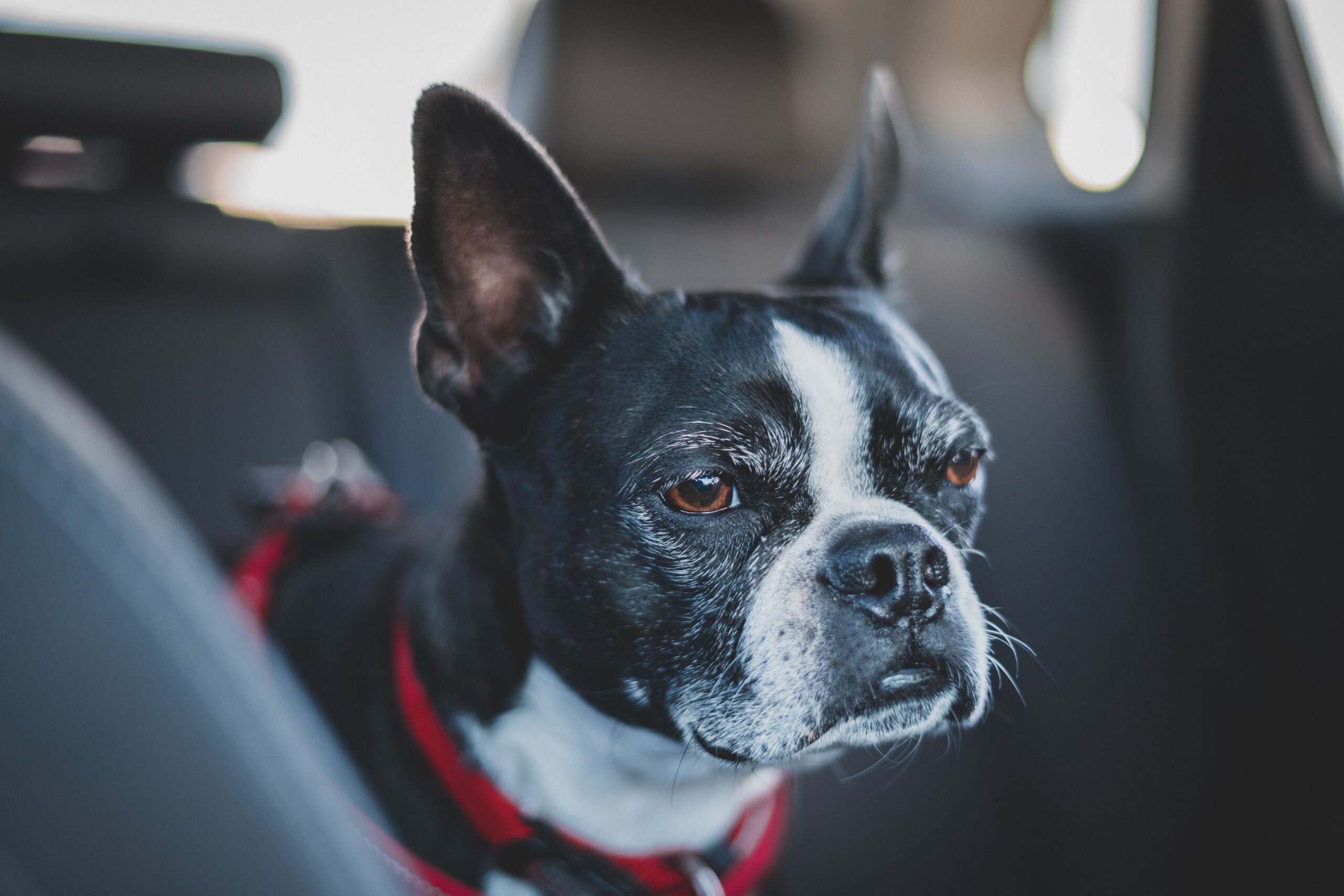
Some dogs are born cross-eyed. Others develop it suddenly. Here's how to tell which one you're dealing with.
If your dog’s eye seems to be pointing in a different direction than it should, you’re probably equal parts confused and concerned. That look, where one or both eyes appear crossed, turned inward, or drifting outward, is called strabismus. And whether it’s a big deal depends almost entirely on one thing: did it come with your dog, or did it show up recently?
Here’s the short version: some dogs are simply born with eyes that don’t align, and it’s usually harmless. But a sudden crossed eye in a dog who didn’t have one before is a different story, and it’s worth taking seriously.
 TL;DR
TL;DR
Strabismus is the medical term for misaligned eyes, where one or both eyes point in the wrong direction. It happens when the muscles that control eye movement, called the extraocular muscles, don’t pull evenly. Think of it like a tug-of-war where one side is stronger, so the eye gets pulled off-center.
There are two main types based on which direction the eye drifts:
Either type can affect one eye or both. And the underlying cause makes all the difference in how worried you should be.
Congenital strabismus means your dog was born with misaligned eyes. It’s especially common in brachycephalic breeds, dogs with flat faces and shallow eye sockets, like Boston Terriers and Pugs. The shape of their skull can affect how the extraocular muscles sit and pull, leading to a natural inward or outward drift. In most cases, it doesn’t cause pain, doesn’t affect vision significantly, and doesn’t need treatment. It’s just part of how that dog is built, and honestly, it’s part of their charm. That slightly goofy, endearingly cross-eyed look? Completely theirs to keep.
Acquired strabismus develops after a dog’s eyes were previously normal. This is the kind that warrants attention. Common causes include:
Here’s how to read what you’re seeing before you call the vet.
| Probably a lifelong, cosmetic quirk if… | Call your vet today if… |
|---|---|
| Your dog is a puppy, or you’ve had them since puppyhood and the eye has always looked that way | The crossed eye appeared suddenly in a dog whose eyes were previously normal |
| The affected eye is consistent, not changing direction day to day | Your dog also has a head tilt, a persistent lean to one side |
| Your dog is a flat-faced breed like a Boston Terrier, Pug, Shih Tzu, or Bulldog | They’re circling, stumbling, or losing their balance |
| Energy, walking, and behavior are all completely normal | Their eyes are flickering back and forth rapidly, which is called nystagmus |
| They seem disoriented, nauseous, or reluctant to move |
That combination of sudden strabismus, head tilt, and balance problems is a classic signal of vestibular disease. It can look alarming, and it’s worth a same-day vet call. The most common form often resolves on its own within a few weeks, but it can also indicate something more serious. A vet should make that call, not a search engine.
Before your appointment, take a short video on your phone. Film your dog from the front and from the side in good lighting. Try to capture the eye at rest and while your dog is tracking something like a treat. This helps your vet see the direction of the drift, whether it’s constant or intermittent, and whether there’s any associated head tilt or eye flickering. It’s one of the most useful things you can bring to the appointment.
For congenital strabismus in an otherwise healthy dog, your vet will confirm it’s been there since puppyhood, rule out anything neurological, and reassure you that no treatment is needed. The eye stays crossed, the dog lives a completely normal life, and you get used to that endearingly wonky gaze.
For acquired strabismus, the goal is to find and treat the underlying cause. Your vet will build a picture from several angles:
| Test | What it’s looking for |
|---|---|
| Full neurological exam | Reflexes, balance, and nerve function |
| Ear exam and cultures | Infection or inflammation deep in the ear canal |
| Bloodwork | Systemic illness or inflammation |
| MRI or CT scan | Tumors, lesions, or structural problems in the brain or inner ear |
| Specialist referral | A veterinary neurologist or ophthalmologist for complex cases |
Treatment depends entirely on what the workup finds. An inner ear infection gets antibiotics. Vestibular disease often resolves with supportive care and time. Nerve damage or tumors require a more involved approach. The strabismus itself usually improves or resolves once the underlying problem is addressed.
Yes, acquired strabismus and its underlying causes are eligible for coverage under a Lemonade Pet accident and illness policy, when the condition isn’t pre-existing. That means your dog shouldn’t be showing any signs or symptoms before your policy starts or during your waiting period.
Neurological exams, imaging, and specialist referrals add up fast. Getting coverage in place before anything shows up is what makes it actually useful when you need it.
A crossed eye isn’t automatically a crisis, but it’s not something to wave off either. If it’s always been there and your dog is acting completely normal, it’s most likely just part of who they are. If it showed up recently, especially alongside a head tilt, stumbling, or disorientation, get to a vet the same day. You know your dog. Trust what you’re seeing, document it on video, and let your vet take it from there.
It depends on the cause. Congenital strabismus in breeds like Boston Terriers and Pugs is usually harmless and requires no treatment. Acquired strabismus, where a dog develops crossed or misaligned eyes later in life, often signals an underlying issue like vestibular disease or nerve damage and should be evaluated by a vet.
Sudden strabismus is most commonly linked to vestibular disease, inner ear infections, nerve damage, or head trauma. If your dog’s eye turns inward or outward suddenly and they also have a head tilt or trouble walking, see a vet the same day.
Convergent strabismus (esotropia) means the eye turns inward toward the nose, the classic cross-eyed look. Divergent strabismus (exotropia) means the eye drifts outward. Both can occur in one or both eyes.
Yes. Brachycephalic breeds like Boston Terriers and Pugs are more prone to congenital strabismus because of the shape of their skull and eye sockets. In most cases, it’s cosmetic and doesn’t affect quality of life.
Congenital strabismus typically doesn’t need treatment. For acquired strabismus, treatment targets the underlying cause, whether that’s an ear infection, vestibular disease, or nerve damage. The eye misalignment often improves once the root issue is addressed.
A few quick words, because we <3 our lawyers: This post is general in nature, and any statement in it doesn’t alter the terms, conditions, exclusions, or limitations of the policies issued, which differ according to your state of residence. You’re encouraged to discuss your specific circumstances with your own professional advisors. The purpose of this post is merely to provide you with info and insights you can use to make such discussions more productive! Naturally, all comments by, or references to, third parties represent their own views, and Lemonade assumes no responsibility for them. Coverage may not be available in all states. Please note that statements about coverages, policy management, claims processes, Giveback, and customer support apply to policies underwritten by Lemonade Insurance Company or Metromile Insurance Company, a Lemonade company, sold by Lemonade Insurance Agency, LLC. The statements do not apply to policies underwritten by other carriers.
Please note: Lemonade articles and other editorial content are meant for educational purposes only, and should not be relied upon instead of professional legal, insurance or financial advice. The content of these educational articles does not alter the terms, conditions, exclusions, or limitations of policies issued by Lemonade, which differ according to your state of residence. While we regularly review previously published content to ensure it is accurate and up-to-date, there may be instances in which legal conditions or policy details have changed since publication. Any hypothetical examples used in Lemonade editorial content are purely expositional. Hypothetical examples do not alter or bind Lemonade to any application of your insurance policy to the particular facts and circumstances of any actual claim.