
How to File a Renters Insurance Claim
How to file renters insurance claims fast and get your settlement quickly and smoothly.


How to file renters insurance claims fast and get your settlement quickly and smoothly.
When your stuff gets damaged or stolen, filing a renters insurance claim can actually be straightforward and stress-free. The basic renters insurance claims process involves reporting the incident, documenting damage, submitting your claim, and working with your insurance company to get paid.
Most insurance companies follow similar steps, but the experience can vary dramatically depending on whether you’re dealing with outdated phone systems and paperwork or modern digital tools that streamline everything.
Here’s how the process works and what to expect for faster, smoother claim resolution.
 TL;DR
TL;DR
Every renters insurance claim follows the same basic steps. The difference is in the execution.
Traditional insurers might have you calling a claims center, filling out paper forms, mailing documents, and waiting weeks for updates from an adjuster.
Here’s how Lemonade streamlines the renters insurance claims process.
Once in the Lemonade app, tap the ‘File a Claim’ button. That’s it – no phone menus, hold times, or business hours to worry about. You’ll automatically get a claim number to track your case.
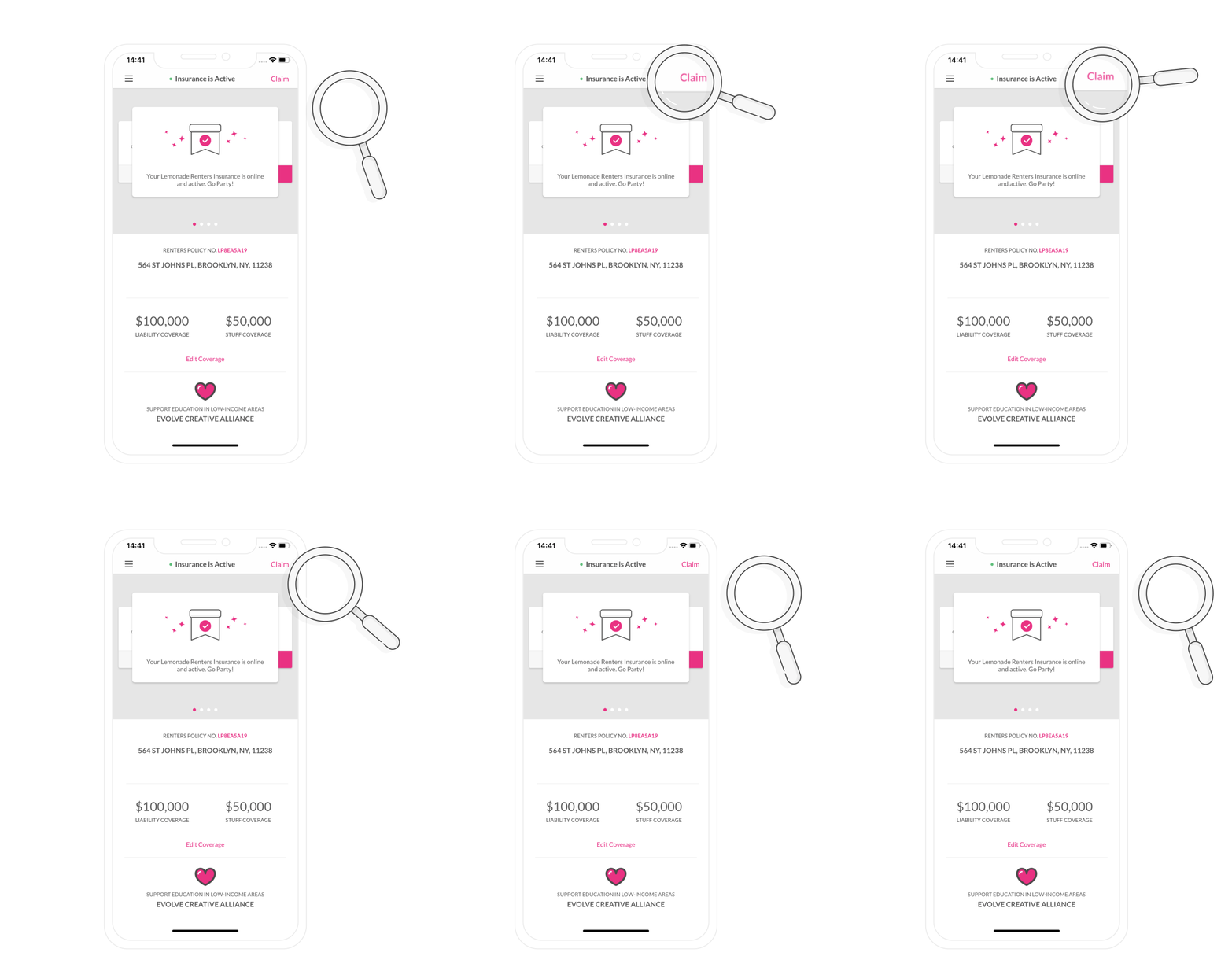
You’ll answer a few quick questions about what happened:
The app saves your progress, so you can start your renters insurance claim and come back to finish it when you’re ready.
Before cleaning up or moving anything, thoroughly document the scene. This is your crucial evidence. Instead of guessing what photos you need for your personal property claim, our app guides you through exactly what to capture based on your specific claim type.
Water damage coverage depends on the source. Burst pipes are covered, floods from outside aren’t. Photograph the water source, affected areas, standing water, and any early mold signs. Water causes hidden damage over time, so thorough documentation protects your claim.
Fire damage is typically covered, including smoke that spreads throughout your rental. Document the fire’s origin, smoke damage everywhere, and structural issues, but only from areas authorities say are safe.
Theft is covered, but you need proof it actually happened. Photograph entry points like broken doors or windows, empty spaces where items were stolen, and damaged locks. These photos establish how the theft occurred and help your case when filing a theft claim.
Storm damage covers belongings damaged by weather entering through building damage, but floods need separate coverage. Document damaged items and the storm’s entry point, like rain through a broken window.
Liability coverage protects you when someone gets hurt in your rental. Photograph the accident scene, any injuries, what caused the incident, and safety hazards involved.
Pro tip: Keep receipts for any emergency repairs or additional living expenses like temporary housing – these costs are often covered.
Every renters insurance claim, regardless of type, needs these basics:
Beyond the universal requirements, your specific claim type may need additional documents:
| Police reports | Official reports | Medical records | Professional estimates | Living expense receipts | |
|---|---|---|---|---|---|
| Water damage |  | | | ||
| Fire damage | | | | ||
| Theft | | | |||
| Storm damage | | | |||
| Liability incidents | | | |
Everything submits digitally – no forms to print, sign, or mail to a claims center.
After submission, you can track your renters insurance claim progress directly in the app using your claim number. You’ll see:
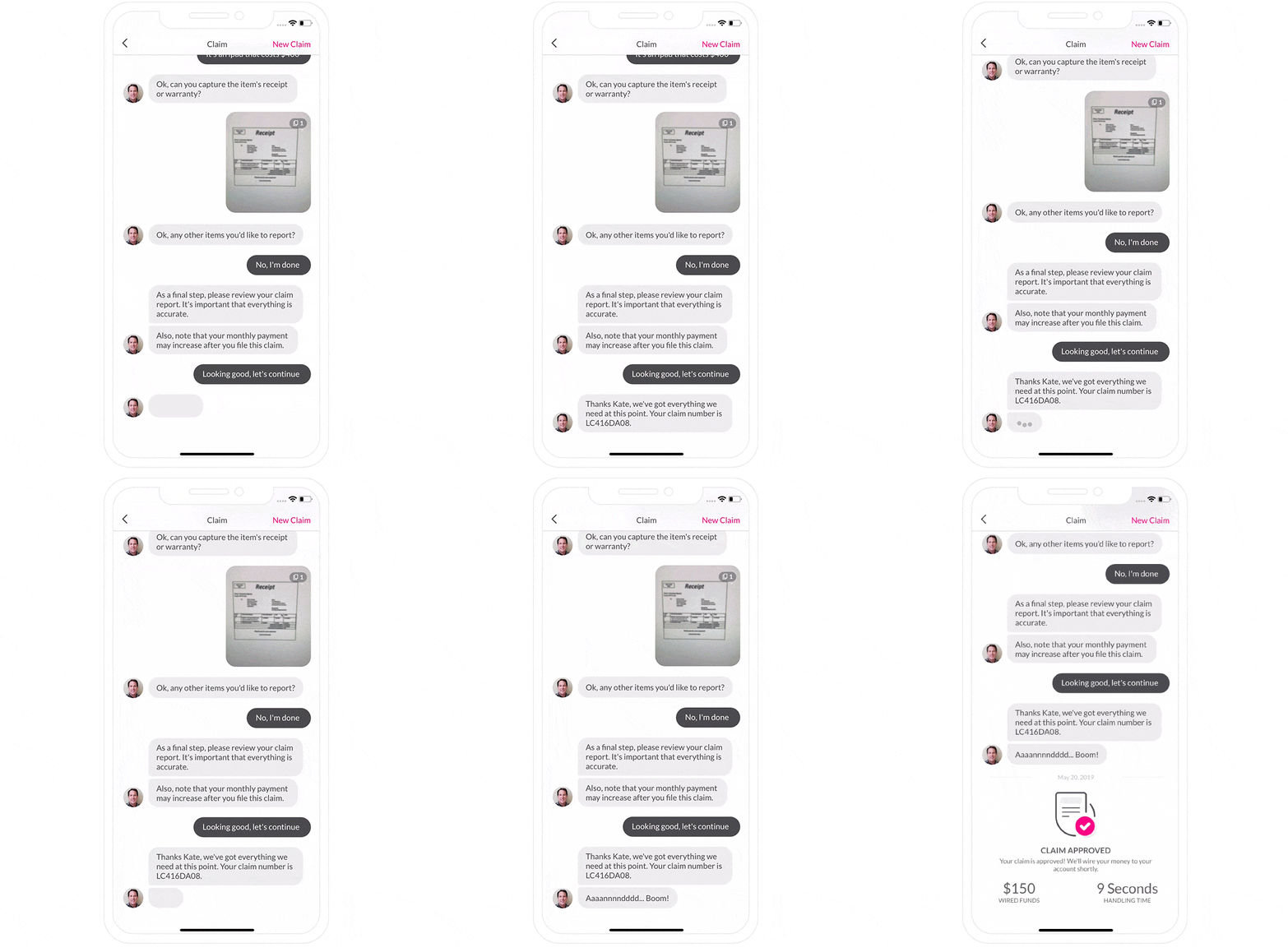
For simple claims, our AI can review and approve your payout instantly. More complex situations get assigned to a human claims expert who’ll reach out directly.
Pro tip: Keep copies of everything you submit. If documents get lost, you won’t have to start over.
For straightforward personal property claims, like a stolen laptop with clear documentation – our AI can review everything and approve payment in seconds. No waiting for an adjuster to review paperwork or schedule inspections.
When your renters insurance claim needs a personal touch – like major water damage or liability issues – you’ll work directly with one of our claims experts. They’ll walk you through next steps, explain how your deductible applies, and keep you updated throughout the process.
Because our mobile app guides you through proper documentation upfront, you won’t get follow-up calls asking for additional photos or paperwork. Everything we need for your personal property claim gets submitted the first time.
The app shows realistic timelines based on your specific claim type. Simple theft or damage claims typically resolve within three to five business days. Complex claims involving inspections or investigations may take two to three weeks, and we’ll tell you that upfront.
You wake up to find a burst pipe under the kitchen sink. Water has soaked the floors and damaged your laptop, sofa, and area rug.
What’s covered: Personal property damaged by the water – your laptop, sofa, and rug. If the damage is severe enough that your unit becomes temporarily uninhabitable, additional living expenses (hotel stays, meals above your normal cost) may also be covered while repairs happen.
What’s not covered: Flood water entering from outside typically isn’t covered – that usually requires a separate flood insurance policy, which is different from renters insurance.
What to document: Photos of the water source, standing water, and damaged items with serial numbers visible. Save any emergency plumber receipts – those costs may be reimbursable too.
How it plays out: The renter opens the Lemonade app, files the claim, and AI Jim reviews the photos and item descriptions. The personal property claim is approved at actual cash value within a couple of days. The rug claim follows shortly after.
Your laptop and backpack are stolen from your parked car overnight. The window is smashed.
What’s covered: Personal property theft may be covered by renters insurance even when the theft happens outside the home – coverage generally follows your belongings, not your address. Your car insurance typically does not cover personal items inside the vehicle.
What to document: A police report number, photos of the broken car window, and descriptions of the stolen items including make, model, and purchase price. A screenshot of an old email receipt works.
How it plays out: The renter files a theft claim in the Lemonade app, submits the police report reference number and a purchase receipt from email. The claim is approved within a few business days for the replacement cost of the stolen items.
A friend trips on a loose rug in your living room and ends up at urgent care with a sprained wrist.
What’s covered: Liability coverage may pay for medical expenses and legal costs if you’re found responsible. Medical payments coverage can cover your guest’s immediate bills regardless of fault, so you may not have to wait for a liability determination to get them paid.
What to document: Photos of the hazard (the loose rug), a written description of the incident, and any medical bills or estimates you receive.
The key distinction: Liability coverage typically requires establishing fault. Medical payments coverage may kick in sooner for minor injuries. Check your policy to understand how both apply to your specific situation.
How it plays out: The claim gets assigned to a human claims expert because of the liability component. The renter is guided through the process via in-app messaging. The guest’s urgent care bill is covered under medical payments coverage within a couple of weeks – no court involvement, no stress.
A kitchen fire causes smoke damage throughout the apartment. The fire department declares the unit temporarily uninhabitable.
What’s covered: Personal property damaged by fire and smoke may be covered. Additional living expenses – hotel stays and meals above your normal daily cost, may also be covered while the unit is being repaired.
What to document: The fire department report number, photos of smoke and fire damage in every affected room, and hotel and restaurant receipts for the additional living expenses portion of the claim.
Important nuance: Structural damage to the building itself is generally your landlord’s responsibility, covered by their property insurance – not your renters policy. Your policy typically covers your belongings and may help with temporary living costs.
How it plays out: The renter stays in a hotel for several days. Lemonade reimburses additional living expenses while repairs are underway. A separate personal property claim for clothing, electronics, and furniture is approved after adjuster reviews.
The difference between a quick claim and a lengthy process often comes down to preparation and communication. Here’s how to do it right:
The best time to prepare for a claim is when you definitely don’t need one. Take photos of your valuable belongings and note their serial numbers – consider it building a digital inventory that’ll save you headaches later. Store receipts digitally (phone photos of receipts work perfectly). And take a few minutes to review your renters insurance policy declarations page so you know your coverage limits and deductible ahead of time.
Don’t have renters insurance yet? Lemonade coverage starts at just a few dollars a month and protects your personal property, covers additional living expenses if your place becomes uninhabitable, and includes liability protection.
Simple claims with clear documentation often resolve within a few business days. Complex claims requiring investigation typically take a couple of weeks. You’ll see timeline estimates in the Lemonade mobile app based on your specific situation and claim number.
The biggest delays happen when customers submit blurry photos, vague item descriptions, or incomplete information for their personal property claim. Our app’s guided process helps avoid these issues, but taking time to document your home inventory thoroughly upfront prevents back-and-forth requests from the adjuster.
Claims get denied when the damage falls under policy exclusions (like floods, which require separate coverage), when information provided isn’t accurate, or when renters insurance claims are reported too late after the incident. We’ll clearly explain your renters insurance policy coverage when you file.
Most claims may affect your renewal premium, depending on the claim type and your claims history. We’ll always be transparent about any potential rate impacts and help you understand your options with your insurance policy.
You can discuss concerns about your payout directly with your claims expert through the mobile app. We’ll walk you through how we calculated your settlement, explain replacement cost versus actual cash value determinations, and address any questions about coverage or depreciation calculations.
Renters insurance may cover personal property stolen from your vehicle, because coverage generally follows your belongings – not your location. Your car insurance typically does not cover personal items inside the vehicle. Check your policy limits and deductible before filing a theft claim.
A few quick words, because we <3 our lawyers: This post is general in nature, and any statement in it doesn’t alter the terms, conditions, exclusions, or limitations of the policies issued, which differ according to your state of residence. You’re encouraged to discuss your specific circumstances with your own professional advisors. The purpose of this post is merely to provide you with info and insights you can use to make such discussions more productive! Naturally, all comments by, or references to, third parties represent their own views, and Lemonade assumes no responsibility for them. Coverage may not be available in all states. Please note that statements about coverages, policy management, claims processes, Giveback, and customer support apply to policies underwritten by Lemonade Insurance Company or Metromile Insurance Company, a Lemonade company, sold by Lemonade Insurance Agency, LLC. The statements do not apply to policies underwritten by other carriers.
Please note: Lemonade articles and other editorial content are meant for educational purposes only, and should not be relied upon instead of professional legal, insurance or financial advice. The content of these educational articles does not alter the terms, conditions, exclusions, or limitations of policies issued by Lemonade, which differ according to your state of residence. While we regularly review previously published content to ensure it is accurate and up-to-date, there may be instances in which legal conditions or policy details have changed since publication. Any hypothetical examples used in Lemonade editorial content are purely expositional. Hypothetical examples do not alter or bind Lemonade to any application of your insurance policy to the particular facts and circumstances of any actual claim.