
Moving to Miami, FL: A Renter's Real Guide
The practical realities a renter needs to know before moving to Miami.

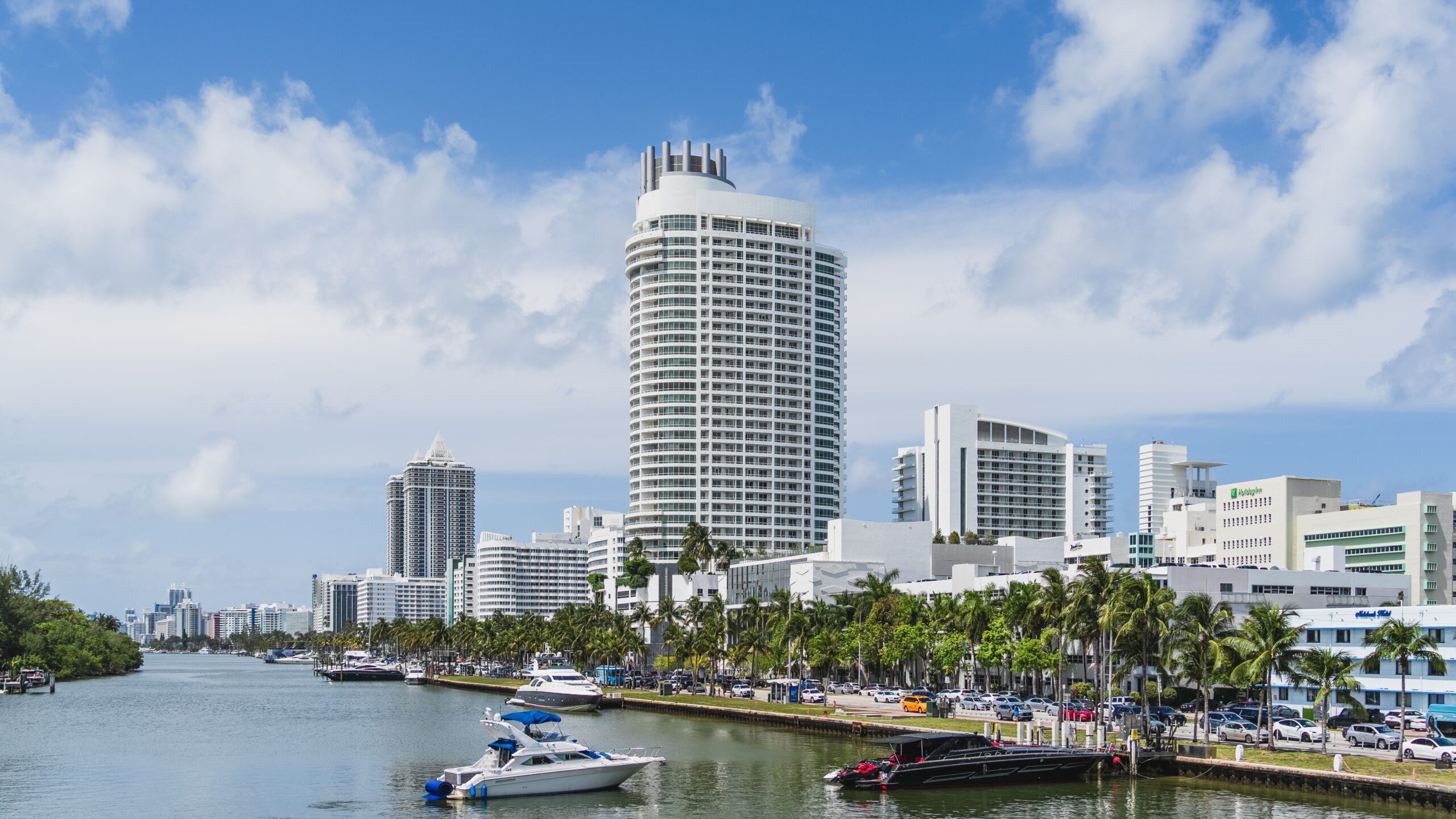
The practical realities a renter needs to know before moving to Miami.
Congrats, You’ve signed the lease! We’ve created a guide that covers what actually changes once you’re on the ground: real move-in costs, your rights under Miami law, hurricane season realities, and the mistakes that cost people money on day one. Sort your renters insurance early, because your landlord’s policy covers the building, not your belongings.
 TL;DR
TL;DR
Miami doesn’t ease you in. The heat hits before your boxes are unpacked, traffic is a daily tax on your time, and the cost of everything (parking, groceries, going out) runs higher than most newcomers expect.
The culture shock transplants mention most is the pace. Miami runs on its own clock. Dinner at 9pm is normal. Most neighborhoods aren’t walkable in any meaningful sense, so unless you’re in Brickell, Wynwood, or South Beach, you will be driving, even for groceries.
What actually surprises people: the winters are spectacular, restaurants stay open late and the range is real, and the city is far more neighborhood-driven than its reputation suggests. Locals don’t live “in Miami” – they live in Little Havana, or El Portal, or Coconut Grove, and daily life in each one runs differently.
💡 Did you know?
Miami is the only major US city founded by a woman: Julia Tuttle, who persuaded Henry Flagler to extend his railroad south by sending him orange blossoms during the Great Freeze of 1895.
Miami’s weather is the thing most newcomers underestimate, and not the sunshine part. Summers are long, hot, and punctuated by afternoon storms that can drop an inch of rain in 20 minutes and move on before you’ve dried off. Hurricane season runs June through November; the window that actually matters is August through October. Plan around it, not after it.
For your apartment, the practical impacts are: your electricity bill from May through October (running A/C continuously in 90°F humidity is expensive), flooding risk on certain streets during heavy rain, and the real possibility that a named storm forces you out of your unit for days or weeks.
| Season | What to expect | What to own / Prepare for your apartment |
|---|---|---|
| Winter (Dec–Feb) | Low 70s, dry | Low heating costs, no A/C needed; good time to inspect windows and weatherproofing before summer hits |
| Spring (Mar–May) | Humidity builds fast, occasional storms | Test your A/C unit before May; don’t wait for it to fail |
| Summer (Jun–Aug) | 90°F+, daily afternoon storms, real humidity | Budget $150–$250/month for electricity; check your flood zone |
| Hurricane Season Peak (Aug–Oct) | Real storm risk; September is statistically the most active month | Hurricane kit ready by June: water, flashlight, backup charger, insurance docs |
| Late Fall (Nov) | Warm, storms winding down | Good time to air out the apartment and assess any storm-season wear |
💡 Did You Know?
Nearly 1 in 5 Lemonade renters insurance claims are weather-related, and almost two-thirds of those are tied to hurricanes, tornadoes, or high winds. 73% of all weather claims are filed between August and October, with September alone accounting for more than a third. (Lemonade internal claims data, 2026.)
Miami is one of the most expensive rental markets in the country, and the upfront cash is where people get caught short.
Citywide, a one-bedroom averages roughly $2,400–$2,700/month across the broader market, but the range swings wide by neighborhood. A one-bedroom in Brickell or South Beach can run $3,500–$4,500/month. Step back to Edgewater, Midtown, or Little Havana and you’re looking at $2,000–$2,800. The further from the water and the urban core, the lower the price.
Most Miami landlords require 2.5–3x monthly rent in verifiable income to qualify. For a $3,000/month unit, that means showing $7,500–$9,000/month in income.
| Fee type | Typical cost in Miami | Local rules |
|---|---|---|
| First month’s rent | Full month required upfront | Standard in virtually every lease |
| Security deposit | No statutory cap under state law | Typically 1–2 months’ rent depending on the building and landlord |
| Last month’s rent | Common practice in Miami | Not legally required, but frequently requested |
| Application and credit check fees | $50–$150 per application | Almost always non-refundable |
| Pet deposit | $200–$500 one-time, plus sometimes a monthly pet fee | Varies significantly by building |
| Income to qualify | 2.5–3x monthly rent | For a $3,000/month unit: $7,500–$9,000/month in verifiable income |
If you’re applying in a competitive building, have your pay stubs, bank statements, and letter of employment ready before you even tour. Miami landlords in high-demand properties move fast, and showing up without documentation is how you lose a unit to the next applicant.
💡 Did You Know?
Renters insurance in Miami averages about $219/year ($15-$20/month) with Lemonade in 2026, see the full local cost, coverage, and risk breakdown in our Miami renters insurance guide.
Miami tenant law is governed by Chapter 83, Part II of the Florida Statutes, known as the Florida Residential Landlord and Tenant Act. Miami does not have its own separate tenant ordinance the way Chicago or New York does, so state law is what applies.
Security deposits: The state sets no cap on what a landlord can charge. In Miami, budget for 1–2 months’ rent, sometimes more. What the law regulates is the return: landlords have 15 days to return your deposit in full if there’s no claim, or 30 days to send written notice via certified mail explaining any deductions. Miss that window, and they lose the right to withhold anything. (Florida Statute § 83.49)
Landlord entry: For any non-emergency entry (whether that’s a repair, inspection, or showing), your landlord must give at least 24 hours’ notice, and entry must fall between 7:30am and 8:00pm. A landlord who lets themselves in without proper notice is in violation, and you can push back in writing. (Florida Statute § 83.53)
💡 Moving to Miami from out of state? State-level tenant laws, tax rules, and driver’s license conversion deadlines work a bit differently depending on where you’re coming from. See our complete Moving to Florida guide for the full state-level breakdown.
Lease termination: For month-to-month leases, Miami requires 30 days’ written notice by either party before the end of the rental period, updated from the old 15-day rule under chapter 2023-314. For fixed-term leases, your end date is your end date.
Rent control: There is none, and state law prohibits local governments from introducing their own. Miami cannot implement rent stabilization. What you pay is between you and your landlord.
Habitability: Your landlord must maintain working plumbing, functional locks, pest control, and a structurally sound unit. If something serious breaks and they don’t fix it within seven days of written notice, you may have grounds to terminate the lease. (Florida Statute § 83.51)
💡 Pro Tip: The right Miami renters most often need to enforce is the deposit return deadline. Landlords who go quiet after move-out frequently assume tenants don’t know about the 30-day certified mail rule, and the 2025 update’s email-notice option. They do now.
Sort these before your lease starts:
Set up USPS mail forwarding before moving day, then work through your list:
Book movers at least 4–6 weeks out. Miami in summer is peak season and peak heat. A few things to sort before moving day:
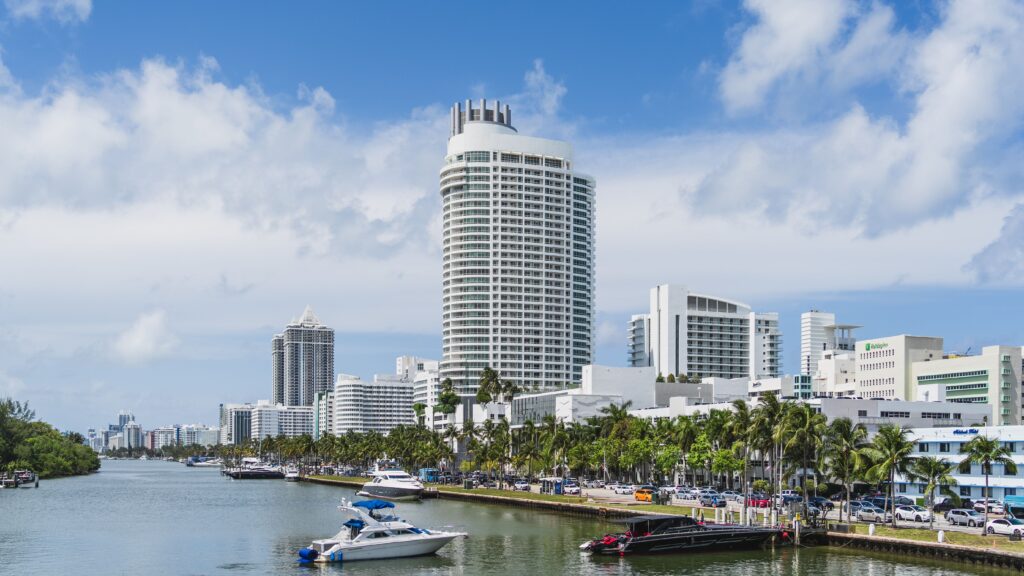
Miami is more neighborhood-driven than its reputation suggests. Here’s how the main areas break down by character and fit.
| Neighborhood / Area | Character and vibe | Who it suits |
|---|---|---|
| Brickell | High-rise, walkable by Miami standards, finance and professional crowd | Young professionals who want to minimize car dependency |
| Wynwood | Arts, murals, independent restaurants, getting pricier fast | Creative types and remote workers who want a scene |
| Coconut Grove | Leafy, quieter, older building stock, waterfront parks | People who want a neighborhood feel and don’t mind driving |
| Little Havana | Culturally rich, more affordable, genuinely local | Renters who want character over polished amenities |
| South Beach | Tourist-facing, loud on weekends, oceanfront premium | Worth it only if you’ll actually use the beach consistently |
| Edgewater / Midtown | Mid-range prices, newer builds, between Wynwood and Brickell | People who want modern units without full Brickell pricing |
The traffic is not something you adapt to, you route around it. I-95 and the Palmetto Expressway are bad during rush hour in both directions. Locals shift their schedules, find surface-street alternatives, or build the time in. Run your commute on Google Maps at 8am on a Tuesday before you sign a lease anywhere.
Publix is everywhere and it’s where locals actually shop. Whole Foods exists, but it’s not the default and it’s not cheaper.
The rain is not like other rain. An afternoon storm can drop an inch of water in 20 minutes and be gone an hour later. Certain streets flood quickly, and driving through standing water is one of the fastest ways to ruin a car.
Your electricity bill will spike in summer. Running A/C continuously in 90°F heat costs real money. Budget $150–$250/month for a one-bedroom, more if your unit faces west or isn’t well insulated.
Hurricane prep is a June task, not an August task. By the time a storm is named and tracking toward South Florida, water has sold out at every grocery store within 30 miles. Stock your kit in early June when the shelves are full.
Get your move-in cash ready, your renters insurance sorted, and your FLHSMV appointment booked before you start unpacking. In Miami, the people who run into trouble in the first month are almost always the ones who underestimated the upfront costs, skipped coverage before storm season, or waited too long on the license switch. Your landlord’s policy covers the building and nothing inside it, in a hurricane state, that’s not a gap worth leaving open. Start there.
For a one-bedroom in a mid-range neighborhood like Edgewater or Midtown, you’re looking at $2,400–$3,000/month in rent. Most landlords require 2.5–3x that in monthly income, so roughly $72,000–$90,000/year before tax just to qualify. Living comfortably, covering rent, a car, groceries, and occasional dining out, realistically requires $85,000–$110,000+ depending on your lifestyle and neighborhood.
Yes, it’s one of the most expensive rental markets in the US. The upfront costs are particularly high: first month, last month, and .a security deposit (Florida has no statutory cap – expect 1–2 months depending on the landlord and building) can still mean $7,000–$10,000 due before day one.
Florida law doesn’t require it, but many Miami landlords and condo buildings do. More importantly, in a state with active hurricane seasons, skipping it is a real financial risk: your landlord’s policy covers the building structure only.
In Brickell, mostly yes: the Metromover, Metrorail, and rideshare handle most daily needs. Everywhere else, realistically no. Miami’s public transit doesn’t serve most neighborhoods well, and the distances between things make car-free living genuinely frustrating outside of a handful of dense areas.
Budget a minimum of $10,000–$15,000 for move-in costs alone in most Miami neighborhoods, more if you’re targeting a newer building or Brickell. Then add two months of living expenses as a buffer while you settle in. Being underprepared in Miami’s rental market is worse than it sounds, available apartments in competitive price ranges move fast.
A few quick words, because we <3 our lawyers: This post is general in nature, and any statement in it doesn’t alter the terms, conditions, exclusions, or limitations of the policies issued, which differ according to your state of residence. You’re encouraged to discuss your specific circumstances with your own professional advisors. The purpose of this post is merely to provide you with info and insights you can use to make such discussions more productive! Naturally, all comments by, or references to, third parties represent their own views, and Lemonade assumes no responsibility for them. Coverage may not be available in all states. Please note that statements about coverages, policy management, claims processes, Giveback, and customer support apply to policies underwritten by Lemonade Insurance Company or Metromile Insurance Company, a Lemonade company, sold by Lemonade Insurance Agency, LLC. The statements do not apply to policies underwritten by other carriers. Miami renters insurance pricing, claims data, and payout figures are sourced from Lemonade’s internal database of renters insurance policies and claims submitted by policyholders in Florida in 2026.
Please note: Lemonade articles and other editorial content are meant for educational purposes only, and should not be relied upon instead of professional legal, insurance or financial advice. The content of these educational articles does not alter the terms, conditions, exclusions, or limitations of policies issued by Lemonade, which differ according to your state of residence. While we regularly review previously published content to ensure it is accurate and up-to-date, there may be instances in which legal conditions or policy details have changed since publication. Any hypothetical examples used in Lemonade editorial content are purely expositional. Hypothetical examples do not alter or bind Lemonade to any application of your insurance policy to the particular facts and circumstances of any actual claim.