
Moving to Florida: A Renter's Real Guide
What a renter actually needs to know before crossing the Florida state line.

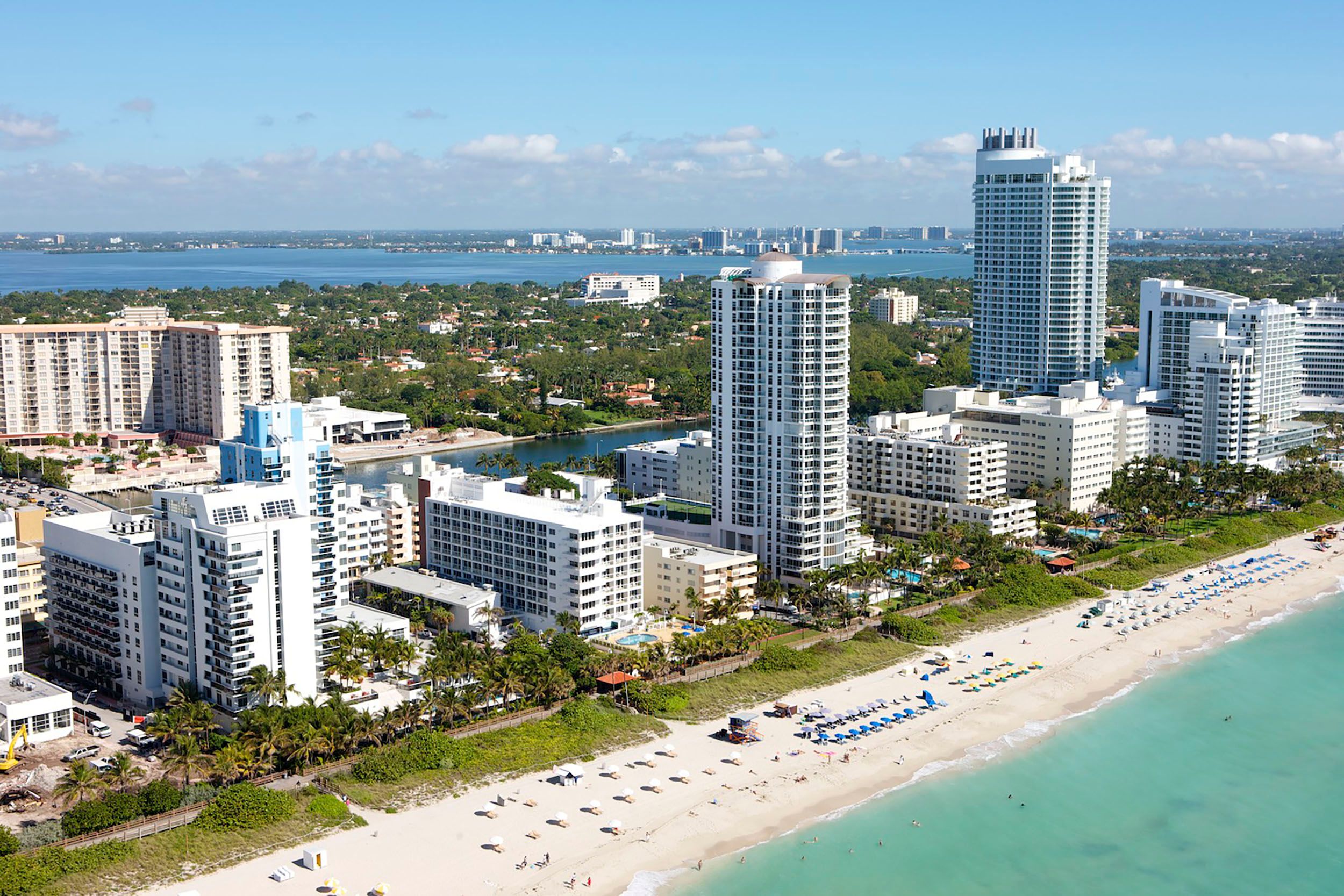
What a renter actually needs to know before crossing the Florida state line.
You’ve made the call, Florida it is. You’ve sorted the where and the why. This guide covers what actually changes once you cross the line: the real cost of renting, your rights as a tenant, what goes wrong in a Florida rental, and where most newcomers end up. No filler, so you hit the ground running.
 TL;DR
TL;DR
Rent in Florida isn’t one number. Miami and the surrounding areas sit at the top of the range; Jacksonville, Tallahassee, and Gainesville are a different story entirely. A one-bedroom in Miami can run $2,400–$3,500 or more. That same apartment in Jacksonville might be half that. Where you land in the state matters a lot for your monthly budget.
But monthly rent is only part of the picture. Here’s what actually hits your bank account before you get the keys:
One more line item worth planning for: renters insurance.
💡 Did you know?
Florida law doesn’t require renters insurance, but your property manager often will, and in a hurricane state, skipping it is a real risk. As of 2026, Lemonade renters insurance in Florida starts at around $15–$20/month, so it’s not the thing to cut corners on.
Florida renter law is actually pretty clear once you know where to look. It all lives in Chapter 83, Part II of the Florida Statutes – also known as the Florida Residential Landlord and Tenant Act. Here’s what matters most.
Your landlord can charge any amount upfront, there’s no legal cap. But once that money is in their hands, the rules kick in. If they aren’t making a claim, they must return your full deposit within 15 days. If they plan to keep any portion, they have 30 days to send written notice via certified mail explaining exactly why. Miss that window, and they lose the right to make any claim at all. A landlord who goes quiet past the 30-day mark legally owes you the full deposit back, even if they have a real grievance.
Florida law requires your landlord to give you at least 24 hours’ notice before entering, except in a genuine emergency (Florida Statute § 83.53).A landlord who wants to “just pop by” has to give you a heads-up first. If they don’t, that’s a violation – and you can push back.
If your lease doesn’t have a fixed end date, give your landlord at least seven days’ written notice before you plan to leave.
Florida doesn’t have it, and a recent state law also stops local governments from introducing their own. Your city or county can’t step in here either.
Your landlord is legally required to keep your place livable: working plumbing, functioning locks, pest control, a structurally sound building. If something serious goes wrong and they don’t fix it within seven days of your written notice, you may have grounds to walk away from the lease.
🔎 Real example: If your A/C breaks in August and your landlord drags their feet, that’s not just uncomfortable , it’s a potential legal violation. Document everything in writing from day one. That paper trail is what protects you.
No state income tax, and that’s not going anywhere. It’s constitutionally protected – any change would need 60% of Florida voters to approve it. If you’re coming from New York or California, you’ll feel the difference in your paycheck right away.
What Florida does collect: a 6% state sales tax, with counties able to add up to 2.5% on top. Property taxes are handled at the county level and vary; the statewide effective rate is around 0.78% of assessed value. As a renter, that’s your landlord’s bill – but it factors into what they charge you. There are no local or county income taxes, which keeps things simpler than states like Ohio or Pennsylvania.
You need a Florida driver’s license within 30 days of establishing residency, in person at an FLHSMV office. Vehicle registration comes next: just 10 days under Florida Statute § 320.02, handled at your county Tax Collector’s office – not the DMV, and yes, they’re separate. If you’re bringing a car from out of state, budget for a $225 Initial Registration Fee. Good news: Florida has no emissions testing.
Register online at the Florida Online Voter Registration System. The deadline is 29 days before any election.
| Task | Deadline | Where |
|---|---|---|
| Florida driver’s license | 30 days after establishing residency | FLHSMV office (in person) |
| Vehicle registration | 10 days after establishing residency | County Tax Collector’s office (in person) |
| Florida auto insurance | Before registering your vehicle | Florida-licensed insurer |
| Voter registration | 29 days before any election | Florida Online Voter Registration System |
Sunshine is real, but so is everything else. Summers are long, humid, and full of afternoon thunderstorms that drop an inch of rain in 20 minutes and then disappear. Hurricane season runs June through November, with the peak window being August through October. Winters are mild, which is obviously part of the draw.
| Region / Season | What to expect | What it means for your apartment |
|---|---|---|
| South Florida, year-round | Hot, humid, hurricane risk June–Nov | Check if your building has storm shutters or impact windows before you sign |
| Gulf Coast (Tampa, Sarasota) | Similar to South Florida, plus storm surge risk | Look up your flood zone — FEMA’s flood maps are searchable by address |
| Central Florida (Orlando) | Hot summers, heavy afternoon storms | Roof leaks after storms are common. Document your unit’s condition on move-in day |
| North Florida / Panhandle | More seasonal, occasional freezes, highest hurricane landfall rate in the state | Know where your water shutoff valve is in case of a cold snap |
| Statewide, June–November | Hurricane season | Keep a kit ready: water, flashlight, backup charger, paper copies of your insurance docs |
💡 Did you know?
Nearly 1 in 5 Lemonade renters insurance claims in Florida are weather-related, and almost two thirds of those are tied to hurricanes, tornadoes, or high winds. The seasonality is striking: 73% of all weather claims are filed between August and October, with September alone accounting for more than a third. Renters who file during peak hurricane season are also among the most likely to face temporary displacement costs, something renters insurance can help cover.
One thing to sort before the season kicks off: your renters insurance. Your landlord’s policy covers the building, not your stuff.
Florida isn’t one place, and where you land shapes everything from your commute to your weekend plans.
Dense, cosmopolitan, multilingual, high-energy. If you want a real city feel and international culture, this is it. Just know you'll be paying the highest rents in the state for it. Best fit for people who want urban density, a robust nightlife, and a global community.
Learn about moving to MiamiWaterfront, social, and growing fast. A lot of newcomers from the Northeast land here, and honestly, it makes sense. You get a genuine scene and a coast to enjoy without the Miami price tag. Great fit for young professionals and remote workers who want a city that's still figuring out how good it is.
Learn about moving to TampaBig job market, endless suburbs, and yes – you will be driving everywhere. It's a great fit for families, hospitality workers, and remote workers who are okay trading walkability for affordability.
Learn about moving to OrlandoThe state's largest city by area, and still one of its more affordable options. Lower density, more spread out, and a strong financial and healthcare job market.
Learn about moving to Jacksonville💡 Did you know?
Florida is the only contiguous U.S. state that borders both the Atlantic Ocean and the Gulf of Mexico, which goes a long way toward explaining why the weather, culture, and housing market feel so different depending on where you land.
Electricity in Florida is handled by regional providers. Florida Power & Light (FPL) covers most of South Florida, Duke Energy covers the central part of the state, and Tampa Electric (TECO) covers the Tampa Bay area. Water is often included in rent; internet competition is decent in most metros. For a full breakdown of how to set up utilities when you arrive, we’ve got you covered.
Get USPS mail forwarding set up before you move, then work through the rest: employer, bank, IRS, subscriptions. And if you already have a renters insurance policy, here’s how to change your address on renters insurance when you cross a state line.
💡 Cross-state insurance reality check: Moving to Florida from another state means canceling your old policy and starting a new Florida one, not just updating your address. Time the new policy to start the same day the old one ends so you don’t have even a single night without coverage.
Cross-state moves to Florida almost always mean hiring long-distance movers or renting a truck, and summer is peak season so book early. Before moving day, it’s worth running through a moving checklist, understanding what moving insurance actually covers, and if you’ve never done a big move before, learning how to pack like a pro will save you a headache or two.
A few things the locals know that don’t make it into the moving guides.
Traffic is a real daily cost. I-4 between Orlando and Tampa is one of the most dangerous highways in the country. The Palmetto Expressway in Miami is a mood killer every single morning. Before you sign a lease, run the commute on Google Maps at rush hour – not at noon on a Sunday.
Hurricane prep isn’t something you do when a storm is named. By then, water is sold out and everyone is panicking. Locals have their kits ready in June. Do it then, when it’s calm.
Coastal isn’t always worth the premium. A lot of longtime Florida residents live 15–20 minutes inland, visit the beach on weekends, and pay significantly less – with easier insurance to boot.
Summer is longer than you think. May through October is heat and humidity season. Your electricity bill will reflect that. Budget for it.
💡 Did you know?
The average payout for a weather-related renters insurance claim in Florida is $3,746, rising to $4,227 for hurricane and storm-specific claims. (Based on Lemonade internal claims data, 2026.)
Florida rewards the people who show up prepared. Know your move-in costs, sort your renters insurance before hurricane season kicks in, and document your unit on day one. Lemonade renters insurance is a small line item that covers everything your landlord’s policy doesn’t. The rest you’ll figure out as you go.
No. Florida has no individual income tax, and that’s constitutionally protected. You’ll still owe federal taxes, but there’s no state return to file.
Depends on where. Miami is considered one of the more pricier cities to live in. But Jacksonville, Tallahassee, and Gainesville are still affordable by most standards. The number that surprises people most is the move-in cost: first month, last month, and a security deposit with no cap adds up fast. The cost section above has realistic ranges by metro.
30 days from when you establish residency. Vehicle registration is 90 days, under Florida Statute. Both require in-person visits and wait times can be long, so make an appointment.
Florida doesn’t require renters insurance by law, but skipping it in a hurricane state is a real risk. Your landlord’s insurance covers the building. Your belongings, your liability, and any temporary housing costs if your unit becomes uninhabitable are on you without it. See the cost section above for what to budget.
Tampa and St. Pete are where a lot of transplants land right now: lower cost than Miami, a genuine social scene, and a waterfront that actually delivers. But it really depends on your job, your budget, and how much traffic you can handle. The metro table above breaks it down by who each area actually suits.
A few quick words, because we <3 our lawyers: This post is general in nature, and any statement in it doesn’t alter the terms, conditions, exclusions, or limitations of the policies issued, which differ according to your state of residence. You’re encouraged to discuss your specific circumstances with your own professional advisors. The purpose of this post is merely to provide you with info and insights you can use to make such discussions more productive! Naturally, all comments by, or references to, third parties represent their own views, and Lemonade assumes no responsibility for them. Coverage may not be available in all states. Please note that statements about coverages, policy management, claims processes, Giveback, and customer support apply to policies underwritten by Lemonade Insurance Company or Metromile Insurance Company, a Lemonade company, sold by Lemonade Insurance Agency, LLC. The statements do not apply to policies underwritten by other carriers. Florida renters insurance pricing, claims data, and payout figures are sourced from Lemonade’s internal database of renters insurance policies and claims submitted by policyholders in Florida in 2026.
Please note: Lemonade articles and other editorial content are meant for educational purposes only, and should not be relied upon instead of professional legal, insurance or financial advice. The content of these educational articles does not alter the terms, conditions, exclusions, or limitations of policies issued by Lemonade, which differ according to your state of residence. While we regularly review previously published content to ensure it is accurate and up-to-date, there may be instances in which legal conditions or policy details have changed since publication. Any hypothetical examples used in Lemonade editorial content are purely expositional. Hypothetical examples do not alter or bind Lemonade to any application of your insurance policy to the particular facts and circumstances of any actual claim.