
Moving to Tampa, FL: A Renter's Real Guide
The practical realities a renter needs to know before moving to Tampa.

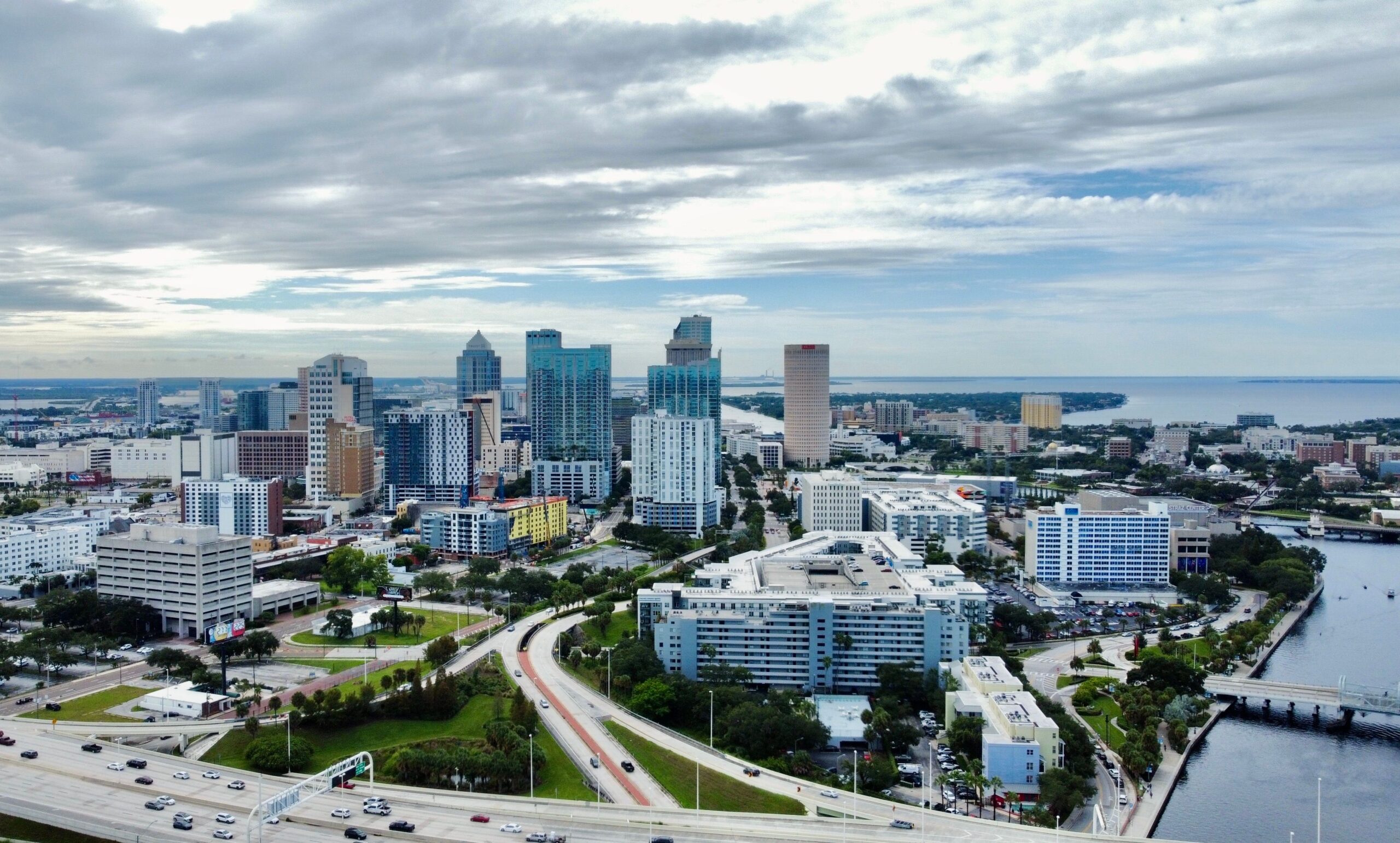
The practical realities a renter needs to know before moving to Tampa.
Whether you’ve signed the lease or you’re still figuring out if Tampa is the right move, this guide covers what actually changes once you’re on the ground: real move-in costs, your rights under Florida law, hurricane season realities, and the mistakes that cost people money on day one. Sort your renters insurance early, because your landlord’s policy covers the building, not your stuff.
 TL;DR
TL;DR
Locals don’t live “in Tampa.” They live in Hyde Park, or Ybor City, or Seminole Heights, and each has its own personality, price point, and rhythm.
One thing most transplants don’t see coming: you will be driving. A lot. Walkability is limited outside Water Street and parts of Hyde Park, and public transit isn’t a realistic daily option for most people.
What actually surprises people in a good way: the food scene punches above its reputation, winters are genuinely wonderful, and the Riverwalk gives downtown a livability that didn’t exist a decade ago.
💡 Did you know?
Tampa is home to Ybor City, one of the last remaining cigar manufacturing communities in the US. At its peak in the early 1900s, Tampa produced over 500 million hand-rolled cigars a year, earning it the nickname “Cigar City,” which you’ll now see on every craft beer can in a 30-mile radius.
Tampa’s weather surprises newcomers, and not in the sunshine way. Summers are long, hot, and built around daily afternoon thunderstorms. Hurricane season runs June through November; August through October is when things get real.
After Hurricanes Helene and Milton in 2024, Hillsborough County updated its evacuation zone maps. Zone A expanded farther inland along the Alafia River corridor, and Zone E now covers neighborhoods like parts of New Tampa that were previously outside any zone. Check yours before you sign.
The practical apartment impacts: electricity bills from May through October, your flood zone designation, and the real possibility a named storm forces you out for days or weeks.
| Season | What to expect | What to own / Prepare for your apartment |
|---|---|---|
| Winter (Dec–Feb) | Low 60s–70s, dry and genuinely pleasant | Low energy costs; good time to inspect windows and weatherproofing before summer |
| Spring (Mar–May) | Humidity builds fast, storms increasing | Test your A/C unit before May; don’t wait for it to fail in July |
| Summer (Jun–Aug) | 90°F+, daily afternoon storms, high humidity | Budget $120–$180/month for electricity; check your flood zone |
| Hurricane Season Peak (Aug–Oct) | Real storm risk, especially after 2024 | Hurricane kit ready by June: water, flashlight, backup charger, insurance docs, your evacuation zone |
| Late Fall (Nov) | Warm, storms winding down | Good time to air out the apartment and assess any storm-season wear |
💡 Did You Know?
Nearly 1 in 5 Lemonade renters insurance claims are weather-related, and almost two-thirds of those are tied to hurricanes, tornadoes, or high winds. 73% of all weather claims are filed between August and October, with September alone accounting for more than a third. (Lemonade internal claims data, 2026.)
According to RentCafe, the average rent for an apartment in Tampa is $2,014 per month citywide, and one-bedroom apartments average $1,730 per month. But the range swings wide by neighborhood. Downtown Tampa one-bedrooms run about $2,562 per month. Harbour Island commands some of the highest rents in the city, averaging $3,277 per month. Step back to Seminole Heights, Ybor City, or North Tampa and you’re looking at considerably less.
Most landlords require proof of income: pay stubs or tax returns showing 2.5–3x monthly rent, along with a government-issued photo ID, credit report authorization, rental history with references, and employment verification.
| Fee type | Typical cost in Tampa | Local rules |
|---|---|---|
| First month’s rent | Full month required upfront | Standard in virtually every lease |
| Security deposit | No statutory cap under state law | Typically 1–2 months’ rent depending on building and landlord |
| Last month’s rent | Common practice | Not legally required, but frequently requested |
| Application and credit check fees | $30 to $100 | Almost always non-refundable |
| Pet deposit | $200 to $500 per pet | Varies significantly by building |
| Income to qualify | 2.5–3x monthly rent | For a $1,730/month unit: ~$4,300–$5,200/month in verifiable income |
If you’re applying in a competitive building, have your pay stubs, bank statements, and letter of employment ready before you even tour. Tampa landlords in high-demand properties move fast, and showing up without documentation is how you lose a unit to the next applicant.
💡 Did You Know?
Renters insurance in Tampa averages about $192 with Lemonade in 2026. See the full local cost, coverage, and risk breakdown in our Tampa renters insurance guide.
Tampa tenant law is governed by Chapter 83, Part II of the Florida Statutes, known as the Florida Residential Landlord and Tenant Act. Tampa does not have its own separate tenant ordinance the way Chicago or New York does, so state law is what applies.
Security deposits: The state sets no cap on what a landlord can charge. In Tampa, budget for 1–2 months’ rent, sometimes more. What the law regulates is the return: landlords have 15 days to return your deposit in full if there’s no claim, or 30 days to send written notice via certified mail explaining any deductions. Miss that window, and they lose the right to withhold anything.(Florida Statute § 83.49)
Landlord entry: For any non-emergency entry, whether that’s a repair, inspection, or showing, your landlord must give at least 24 hours’ notice, and entry must fall between 7:30am and 8:00pm. A landlord who lets themselves in without proper notice is in violation, and you can push back in writing. (Florida Statute § 83.53)
💡 Moving to Tampa from out of state? Moving to Tampa from out of state? State-level tenant laws, tax rules, and driver’s license conversion deadlines work a bit differently depending on where you’re coming from. See our complete Moving to Florida guide for the full state-level breakdown.
Lease termination: For month-to-month leases, Florida requires 30 days’ written notice by either party before the end of the rental period, updated from the old 15-day rule under chapter 2023-314. For fixed-term leases, your end date is your end date.
Rent control: There is none. State law prohibits local governments from introducing their own. Tampa cannot implement rent stabilization. What you pay is between you and your landlord.
Habitability: Your landlord must maintain working plumbing, functional locks, pest control, and a structurally sound unit. If something serious breaks and they don’t fix it within seven days of written notice, you may have grounds to terminate the lease. (Florida Statute § 83.51)
💡 Pro Tip: The right Tampa renters most often need to enforce is the deposit return deadline. Landlords who go quiet after move-out frequently assume tenants don’t know about the 30-day certified mail rule. They do now.
Sort these utilities out before your lease starts:
Set up USPS mail forwarding before moving day, then work through your list:
Book movers at least 4–6 weeks out. Tampa in summer is peak season and peak heat. A few things to sort before moving day:
Tampa has 80+ officially recognized neighborhoods, but they fall into about 6–7 major districts. Here’s how the main areas break down by character and fit.
| Neighborhood | Vibe | Best for |
|---|---|---|
| Water Street / Channelside | New builds, walkable by Tampa standards | Young professionals minimizing car dependency |
| Hyde Park | Bungalow-lined streets, SoHo strip for nightlife | People who want a neighborhood feel with a social scene |
| Ybor City | Historic, culturally rich, busy on weekends | Renters who want character and lower prices |
| Seminole Heights | Affordable, indie restaurants, craftsman homes | Creative types and remote workers |
| Harbour Island | Waterfront premium, quieter, newer stock | Worth it only if you’ll use the waterfront consistently |
| North Tampa / Temple Terrace | Suburban, longer commute, lowest prices | Budget-conscious renters and USF students |
| Westchase / New Tampa | Strong schools, larger homes, quieter streets | Families who prioritize space over urban access |
The traffic is not something you adapt to, you route around it. I-275 and the Howard Frankland Bridge are reliably bad during rush hour. Run your commute on Google Maps at 8am on a Tuesday before you sign anything.
Publix is everywhere and it’s where locals actually shop. Not a consolation prize.
The rain is not like other rain. A Tampa afternoon storm can drop an inch of water in 20 minutes and be gone before you’ve dried off. Certain streets flood every single summer, independent of any named storm.
Your evacuation zone matters more than you think. Hillsborough County zones run from A to E, based on storm surge risk, and parts of the county fall outside any zone entirely. Look yours up before you sign, not after.
Hurricane prep is a June task, not an August task. By the time a storm is tracking toward Tampa Bay, water is sold out within 40 miles. Stock your kit early when the shelves are full.
Your electricity bill will spike in summer. Budget $120–$180/month for a one-bedroom, more if your unit faces west or isn’t well insulated.
Get your move-in cash ready, your renters insurance sorted, and your FLHSMV appointment booked before you start unpacking. In Tampa, the people who run into trouble in the first month are almost always the ones who underestimated upfront costs, skipped coverage before storm season, or didn’t check their evacuation zone until a named storm was already in the Gulf. Your landlord’s policy covers the building and nothing inside it. In a hurricane state, that’s not a gap worth leaving open. Start there.
Budget at least $4,500–$6,500 in liquid cash before your first night, covering first month’s rent, last month’s rent, and a security deposit. The citywide average for a one-bedroom is $1,730/month, but waterfront neighborhoods and Downtown will run higher.
Yes, noticeably. Tampa Bay combines warm weather, waterfront living, and affordability compared to Miami or coastal California. You’ll get more space for less money, and move-in costs are lower across the board.
No. State law prohibits Florida cities like Tampa, from implementing rent stabilization. What you pay is between you and your landlord.
Tampa faces a combination of coastal and inland flood risks. Storm surge from hurricanes pushes seawater inland while heavy rainfall simultaneously overwhelms rivers, bayous, and drainage infrastructure. Check your Hillsborough County evacuation zone before signing any lease.
Your landlord’s policy covers the building, not your belongings, and not temporary housing costs if your unit becomes uninhabitable. In a city with real hurricane exposure, that gap matters.
You have 30 days from establishing residency. Book your FLHSMV appointment the week you arrive. Wait times are real and the clock starts sooner than most people expect.
A few quick words, because we <3 our lawyers: This post is general in nature, and any statement in it doesn’t alter the terms, conditions, exclusions, or limitations of the policies issued, which differ according to your state of residence. You’re encouraged to discuss your specific circumstances with your own professional advisors. The purpose of this post is merely to provide you with info and insights you can use to make such discussions more productive! Naturally, all comments by, or references to, third parties represent their own views, and Lemonade assumes no responsibility for them. Coverage may not be available in all states. Please note that statements about coverages, policy management, claims processes, Giveback, and customer support apply to policies underwritten by Lemonade Insurance Company or Metromile Insurance Company, a Lemonade company, sold by Lemonade Insurance Agency, LLC. The statements do not apply to policies underwritten by other carriers. Tampa renters insurance pricing, claims data, and payout figures are sourced from Lemonade’s internal database of renters insurance policies and claims submitted by policyholders in Florida in 2026.
Please note: Lemonade articles and other editorial content are meant for educational purposes only, and should not be relied upon instead of professional legal, insurance or financial advice. The content of these educational articles does not alter the terms, conditions, exclusions, or limitations of policies issued by Lemonade, which differ according to your state of residence. While we regularly review previously published content to ensure it is accurate and up-to-date, there may be instances in which legal conditions or policy details have changed since publication. Any hypothetical examples used in Lemonade editorial content are purely expositional. Hypothetical examples do not alter or bind Lemonade to any application of your insurance policy to the particular facts and circumstances of any actual claim.