

- When does homeowners insurance cover sewer lines?
- When are sewer lines not covered by homeowners insurance?
- Real-world sewer line scenarios: what's covered and what isn't
- Buried Utility Coverage and your sewer line
- How much does sewer line coverage cost?
- What can you do to prevent damage to your sewer system?
- Before we go...
- Sewer line coverage FAQs
- Reddit asked, we answered
Chances are, you probably don’t enjoy thinking about sewage. But hey, different strokes for different folks…
If you’re a homeowner, though, a sewer backup can cause serious damage to your property, so it’s important to know what’s covered and what isn’t by your homeowners insurance policy.
While a standard home insurance policy doesn’t cover most types of sewer line damage, you may be eligible to add additional coverage to insure any buried utilities, including sewer lines, that are on your property.
When does homeowners insurance cover sewer lines?
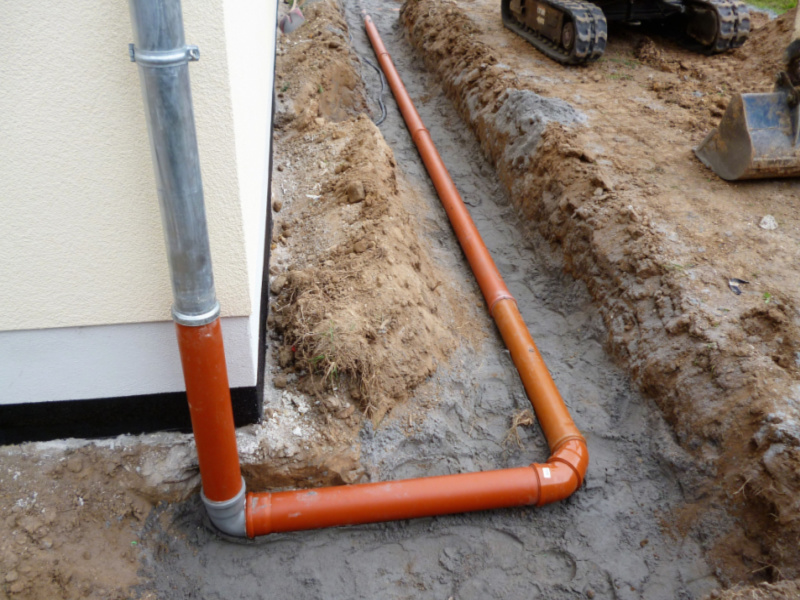
Some kinds of sewage line issues are included in your homeowners insurance coverage as part of Coverage B, which covers other structures on your property that are detached from your home itself.
You’ll have to check the language in your own policy to determine what your homeowners insurance covers, but many insurance providers include sewer line damage in their standard homeowners insurance coverage as long as:
- The damaged pipe is on your property (if it’s outside your property lines, then it’s the responsibility of whomever owns the property where the pipe is located);
- The damage happened because of a covered loss, and was accidental (for example, if you damage your sewer line while digging in your yard)
So imagine that someone drove their car into your yard and rolled over a pipe, causing it to suddenly burst. Or if vandals set off an explosion that ruptured pipes on your property. Generally, those would be covered losses. (Also: You might want to move, because it sounds pretty wild where you live.)
Other common covered losses include lightning or fire damage, or damage caused by yard work, hail, aircraft, or falling objects.
In these cases, the coverage is 10% of your dwelling coverage (aka Coverage A, which covers the structure of your home). So if your home dwelling coverage stands at $600,000, your sewer line coverage is $60,000.
When are sewer lines not covered by homeowners insurance?
Unfortunately, most service line damage isn’t covered by standard homeowners insurance policies, since homeowners insurance generally excludes coverage for preventable damage. And the truth is that more service line issues are triggered by people trying to flush a clump of paper towels and causing blockages than by angry vandals blowing up septic tanks.
Home insurance cover typically won’t pay to repair sewer line damage that’s due to poor upkeep, like if tree roots block the system or there’s corrosion on metal sewer pipes. Insurance companies also won’t typically cover damage caused by faulty construction, earthquakes, or floods. You also won’t be covered for damage caused by wear and tear, like grease building up and clogging the drain.
Your home insurance might cover water damage to your personal property, like the cost of replacing your laptop or repainting your walls after a leak, but it probably won’t cover the cost of fixing the leak itself.
Real-world sewer line scenarios: what’s covered and what isn’t
Here’s how coverage actually plays out in practice.
Tree roots break through your sewer pipe
The situation: a large oak tree in your backyard has slowly grown its roots into your sewer pipe over several years. You notice slow drains and call a plumber, who discovers the pipe is cracked and partially blocked by roots.
Is it covered? No. Standard homeowners insurance doesn’t cover tree root intrusion because it’s gradual damage, not a sudden, accidental covered loss.
What helps: this is exactly what Buried Utility Coverage is designed for. With Lemonade’s Buried Utility Coverage, excavation and pipe replacement (typically $3,000 to $6,000), would be covered up to the $10,000 policy limit, minus your $500 deductible.
Prevention tip: have a plumber inspect your pipes every few years and keep an eye on trees planted near sewer lines.
A contractor accidentally ruptures your sewer line
The situation: a landscaping crew is installing a new patio and punctures your buried sewer line with an excavator. Raw sewage starts backing up into your basement.
Is it covered? Potentially yes, as a sudden, accidental covered loss under Coverage B. The contractor’s liability insurance may also be on the hook. On a home with $400,000 in dwelling coverage, your Coverage B limit would be $40,000.
What to do: document the damage immediately, contact your insurer, and get a copy of the contractor’s insurance certificate. File claims with both insurers if appropriate.
A hailstorm damages an exposed sewer line cleanout
The situation: a major hailstorm breaks the exposed cleanout cap on your sewer line and cracks the coupling where the line meets the main pipe. Debris enters and causes a blockage.
Is it covered? Yes. Hail is a named covered peril, and damage to sewer components on your property caused by hail is typically covered under Coverage B.
Cost context: repairing a cracked sewer coupling and clearing a blockage typically runs $500 to $2,500, well within your Coverage B limit.
Old galvanized pipes corrode and cause a sewage backup
The situation: your home was built in the 1960s and still has original galvanized steel sewer pipes. Over decades, they’ve corroded from the inside, narrowing the pipe and eventually causing a full sewage backup into your basement.
Is it covered? No. Corrosion and wear and tear are explicitly excluded from standard homeowners policies. This is a maintenance issue, the pipes deteriorated over many years, not suddenly.
What helps: proactive replacement is the best move here. Upgrading from galvanized steel to PVC pipes can cost $2,000 to $15,000 depending on the scope, but it’s a worthwhile long-term investment that removes the risk entirely.
Buried Utility Coverage and your sewer line
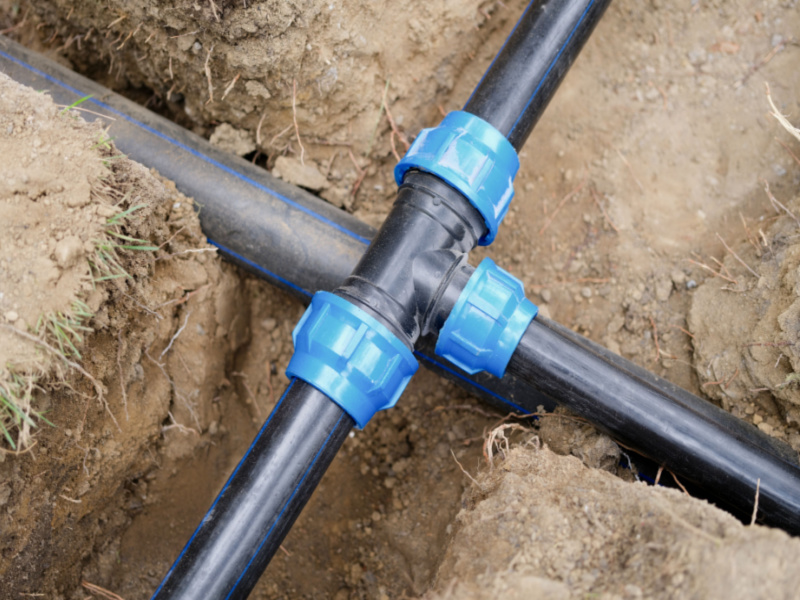
Thankfully, you can get service line protection when you buy service line coverage, aka Buried Utility Coverage, as an add-on to your home insurance policy.
Service line coverage typically covers any underground pipes and utility lines on your premises-like water lines, sewage pipes, natural gas lines, power lines, and electricity cables.
You’ll need to check your policy for exact coverage details, but most buried utility policies will pay for:
- Excavation costs
- Expediting costs for repairs
- Outdoor property that’s damaged from the incident or during sewer line repair
- Replacing the line with upgraded materials
- Loss of use coverage if you have to leave your home and incur extra living expenses while your sewer line is replaced or repaired
Of course, there are coverage limits, so depending on your deductible and the amount of damage there is, you might still have to pay for some of the work.
How much does sewer line coverage cost?
What you’ll pay for sewer line coverage depends on your insurer. With Lemonade, Buried Utility Coverage is available in 10 states for just $3.25 a month, with a $500 deductible applied to all buried utility claims.
Lemonade’s Buried Utility policy covers up to $10,000 in damage. To put that figure in context, it usually costs between $3,000 and $6,000 to replace a sewage line.
Like other policy add-ons (like Extra Coverage for your valuables), it’s easy to sign up for Buried Utility Coverage with Lemonade. When signing up for a new policy, simply tap “Activate Extra Coverage” and select Buried Utility Coverage.
If you’re already a Lemonade policyholder, just log in to your account from your phone or desktop and tap the “Extra Coverage” button under “Add-Ons.” We’ll follow up with a few basic questions and promptly update you on the status of your request.
What can you do to prevent damage to your sewer system?
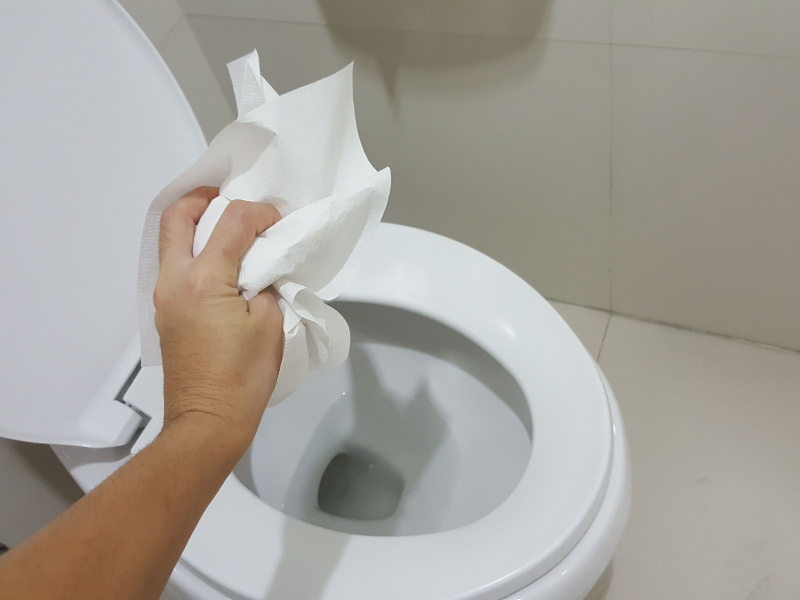
The best defense is a good offense, and when it comes to sewer lines, that means taking precautions to stop damage from happening in the first place.
You can help keep your sewer system in good health by:
- Making sure that nobody flushes items that can clog the system, like paper towels, sanitary products, or cooking oil
- Having your galvanized (steel) pipes replaced with plastic pipes, which don’t corrode
- Calling a plumber to inspect your pipes, sump pump, and/or septic tank from time to time
- Keeping track of tree roots that might creep into pipes
Before we go…
Let’s face it: Even when you maintain your home meticulously, things can still go wrong. We all wish we could live in a world free of sewage leaks, wildfires, windstorms, and other perils.
Because we’re not always in control of what happens to our most valuable asset, you’ll need homeowners insurance. And when it comes to protecting something as important as your home, why not go with the 5-star experience that Lemonade provides?
Sewer line coverage FAQs
Does homeowners insurance cover sewer lines?
A standard homeowners insurance policy doesn’t cover most types of sewer line damage. However, some damage caused by a covered loss – like lightning, fire, hail, or accidental damage, may be covered under Coverage B (other structures). Homeowners can also add Buried Utility Coverage to protect underground pipes and utility lines.
When does homeowners insurance cover sewer lines?
Homeowners insurance may cover sewer line damage when the damaged pipe is on your property and the damage was caused by a sudden, accidental covered loss – such as a vehicle collision, vandalism, lightning, fire, hail, aircraft, or falling objects. Coverage is typically 10% of your dwelling coverage (Coverage A).
When are sewer lines not covered by homeowners insurance?
Standard policies typically exclude sewer line damage caused by poor upkeep, wear and tear, tree root intrusion, corrosion, faulty construction, earthquakes, or floods. Gradual damage and preventable issues are generally not covered.
What is Buried Utility Coverage and does it cover sewer lines?
Buried Utility Coverage is an add-on to a homeowners insurance policy that covers underground pipes and utility lines on your property, including water lines, sewage pipes, natural gas lines, power lines, and electricity cables. With Lemonade, it costs $3.25 per month, includes a $500 deductible, and covers up to $10,000 in damage.
How much does sewer line coverage cost?
With Lemonade, Buried Utility Coverage is available in 10 states for $3.25 per month with a $500 deductible and covers up to $10,000 in damage. Replacing a sewage line typically costs between $3,000 and $6,000.
What does Buried Utility Coverage pay for?
Buried Utility Coverage typically pays for excavation costs, expediting costs for repairs, outdoor property damaged during the incident or repair, replacing the line with upgraded materials, and loss of use coverage if you need to temporarily leave your home while the sewer line is repaired.
Reddit asked, we answered
What do I need to know about sewage line insurance?
Standard homeowners policies typically don’t cover sewer line repairs or backups, that’s a gap worth knowing about before something goes wrong. Water backup or service line endorsements can help, but having one doesn’t automatically mean a claim will be covered. Coverage still depends on the cause. Damage from a sudden, unexpected event is treated differently than damage from aging pipes or gradual wear and tear issues can still create coverage gaps even with an endorsement in place. If you have an older home, that’s worth factoring in before you assume an add-on fully protects you. Ask specifically about what causes are and aren’t covered under any endorsement you’re considering. Read the full thread on Reddit
Should I file a homeowner's insurance claim for sewer main repair?
Most standard homeowners policies don’t cover sewer line repairs. It’s not a covered peril. Water backup or sewage backup that enters your home might be covered if you have the right endorsement. Check your policy for water backup coverage and service line provisions before filing. Adding a service line endorsement before problems arise is cheaper than discovering you’re not covered after the fact. Read the full thread on Reddit
What do I need to know about service line / sewer insurance?
Standard homeowners policies typically don’t cover sewer line repairs or backups – that’s a gap worth knowing about before something goes wrong. Water backup or service line endorsements can help, but having one doesn’t guarantee a claim will be paid. Coverage still depends on the cause. A sudden, unexpected event is treated very differently from damage caused by aging pipes or gradual wear and tear — and wear and tear issues can still result in a denied claim even with an endorsement in place. This is especially relevant in older homes, where pipe deterioration is more common. If your home has older plumbing, don’t assume an add-on fully protects you. Before purchasing any endorsement, ask specifically what causes are covered, what’s excluded, and whether wear and tear voids coverage entirely under that policy. Read the full thread on Reddit
A few quick words, because we <3 our lawyers: This post is general in nature, and any statement in it doesn’t alter the terms, conditions, exclusions, or limitations of the policies issued, which differ according to your state of residence. You’re encouraged to discuss your specific circumstances with your own professional advisors. The purpose of this post is merely to provide you with info and insights you can use to make such discussions more productive! Naturally, all comments by, or references to, third parties represent their own views, and Lemonade assumes no responsibility for them. Coverage may not be available in all states. Please note that statements about coverages, policy management, claims processes, Giveback, and customer support apply to policies underwritten by Lemonade Insurance Company or Metromile Insurance Company, a Lemonade company, sold by Lemonade Insurance Agency, LLC. The statements do not apply to policies underwritten by other carriers.