
Does Homeowners Insurance Cover Vandalism?
Homeowners insurance covers vandalism. Check out what's covered and when.

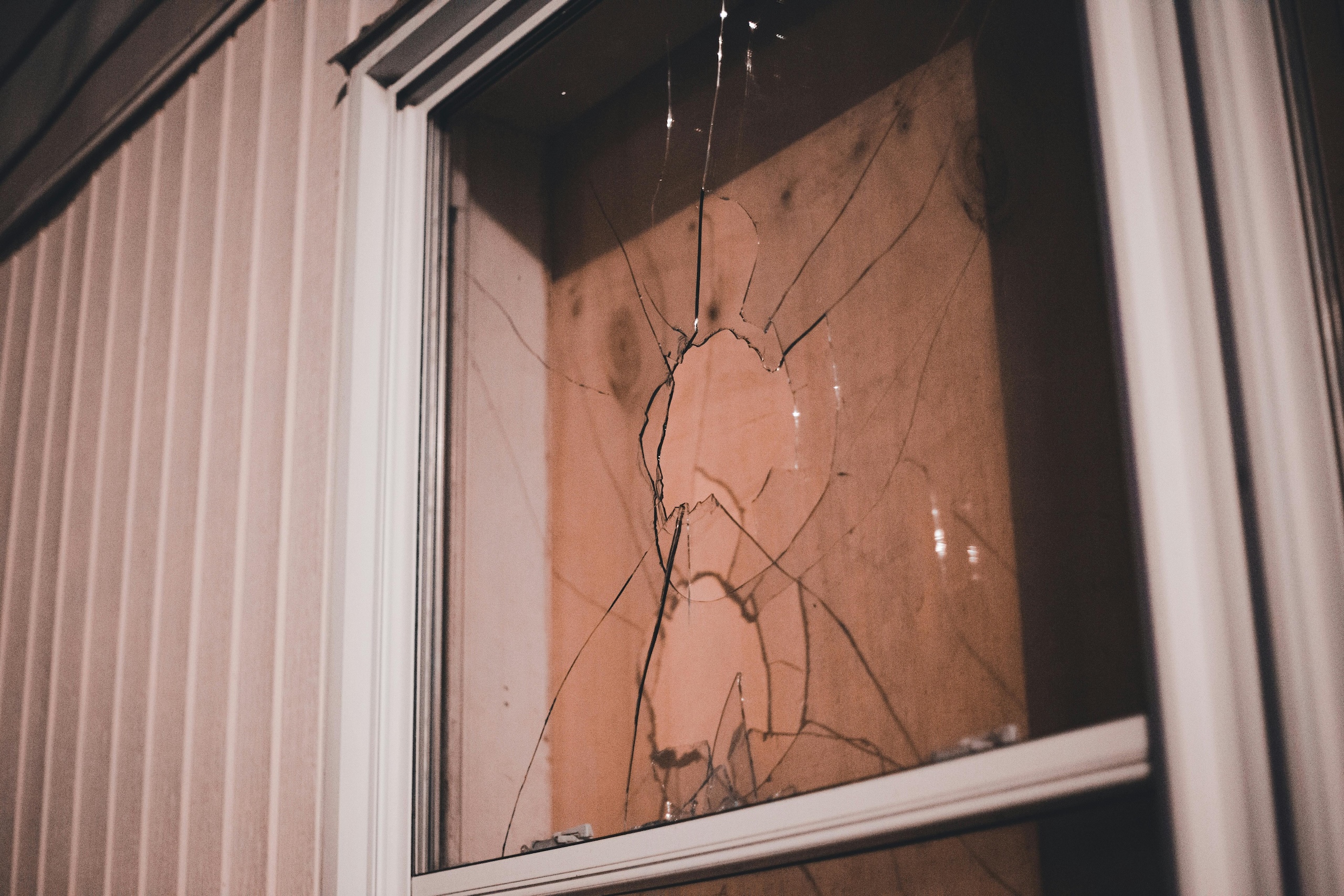
Homeowners insurance covers vandalism. Check out what's covered and when.
When someone intentionally damages your home or personal belongings, your homeowners insurance policy has you covered. Vandalism is generally covered under homeowners policy, protecting both the structure of your home and your stuff.
You’re protected as long as the property damage costs more than your deductible and you weren’t involved in causing it.
 TL;DR
TL;DR
Vandalism means someone intentionally damaged your property just to cause damage, not to steal anything.
The key word is “intentional.” The damage has to be deliberate. Accidents, wear and tear, windstorm damage from natural disasters, or accidental damage don’t qualify as acts of vandalism.
Here are a few examples of what counts as vandalism under homeowners insurance policies:
Yes, your home insurance covers vandalism damage to your home’s structure and all your personal belongings. This includes your furniture, electronics, appliances, and other personal property inside your home. This type of property damage is considered a covered peril under most homeowners insurance policies.
You typically get replacement cost coverage (depending on your insurance provider), meaning enough money to buy new items rather than their depreciated value. You’ll pay your homeowners insurance deductible first, then your insurance company handles the rest.
Homeowners insurance covers vandalism damage to your home’s structure and personal belongings in most situations. However, there are important cases when your policy won’t provide coverage. Here’s the breakdown:
| What’s covered | What’s not covered |
|---|---|
| Your home’s structure (walls, roof, siding, windows) | Car vandalism (requires car insurance coverage) |
| Personal belongings inside and outside your home | Intentional damage by you or household members |
| Detached garages, sheds, and other structures | Damage during vacant home periods (30+ days) |
| Landscaping and outdoor property (up to coverage limits) | Acts of war or civil unrest |
| Cost of repairs and professional cleaning services | |
| Temporary repairs to prevent further damage |
Your homeowners insurance policy includes certain exclusions. Vandalism isn’t covered if:
Also remember: Vandalism to your car requires car insurance, and isn’t covered by your home insurance policy.
Your homeowners insurance policy covers vandalism through multiple types of coverage that work together to restore your property and financial situation.
Types of coverage included:
Here’s your action plan to protect yourself and preserve your homeowners insurance claim after vandalism occurs.
If the vandalism just happened, get to safety first. Don’t confront anyone.
Contact police to report the vandalism. You’ll need this police report number for your home insurance claim.
Board up broken windows if needed to prevent further damage (save receipts – your insurance coverage might reimburse these costs).
To get the claims process started, it’s helpful to have your policy number, police report, and photos of the damage ready.
If the vandalism makes your home unlivable, your homeowners insurance policy may include additional living expenses coverage to help with temporary housing costs while repairs happen.
Filing a homeowners insurance claim, including vandalism, is straightforward – just gather your documentation and follow these steps.
Track your homeowners insurance claim in real-time: Simple cases get approved by AI instantly, while complex situations go to human experts who’ll contact you directly.
Pro tip: Save receipts for temporary repairs or emergency housing costs, these are often covered under additional living expenses.
Vandalism can feel personal and frustrating, but having homeowners insurance coverage means you’re not dealing with the financial hit alone. Your homeowners insurance policy does more than just cover vandalism, it protects against theft, fire, personal liability, and covers temporary housing if you need it.
Most importantly, document your belongings before anything happens. Keep videos, photos, receipts, and serial numbers in cloud storage, this makes filing a homeowners insurance claim much smoother if vandalism occurs.
No, car vandalism falls under your auto insurance policy, specifically comprehensive coverage. Your homeowners insurance only covers vandalism to your home and personal property.
Yes, most homeowners insurance policies cover vandalism damage to your house structure and belongings. This includes broken windows, graffiti, and other intentional damage to your home and personal property.
Possibly. While vandalism claims don’t typically cause major premium increases since they’re not your fault, multiple claims or large payouts could affect your rates at renewal. Each insurance provider handles this differently.
Yes, you’ll pay your standard homeowners insurance deductible for vandalism damage. This typically ranges from $500 to $2,500 depending on your policy. The insurance company covers costs above your deductible amount.
Most homeowners policies exclude vandalism coverage if your home has been vacant for 30+ consecutive days. Check with your insurance agent about vacant home insurance or special endorsements if you’ll be away for extended periods.
They’re treated very differently, and the key question is: who did it? If someone else sets fire to your home, that’s covered. If you set the fire yourself, that’s insurance fraud, and no policy covers it – full stop. Vandalism by someone else is generally covered under a standard homeowners policy, though coverage can be limited if your home has been vacant for a while. Either way, file a police report and document everything before your claim moves forward. Read the full thread on Reddit
A few quick words, because we <3 our lawyers: This post is general in nature, and any statement in it doesn’t alter the terms, conditions, exclusions, or limitations of the policies issued, which differ according to your state of residence. You’re encouraged to discuss your specific circumstances with your own professional advisors. The purpose of this post is merely to provide you with info and insights you can use to make such discussions more productive! Naturally, all comments by, or references to, third parties represent their own views, and Lemonade assumes no responsibility for them. Coverage may not be available in all states. Please note that statements about coverages, policy management, claims processes, Giveback, and customer support apply to policies underwritten by Lemonade Insurance Company or Metromile Insurance Company, a Lemonade company, sold by Lemonade Insurance Agency, LLC. The statements do not apply to policies underwritten by other carriers.
Please note: Lemonade articles and other editorial content are meant for educational purposes only, and should not be relied upon instead of professional legal, insurance or financial advice. The content of these educational articles does not alter the terms, conditions, exclusions, or limitations of policies issued by Lemonade, which differ according to your state of residence. While we regularly review previously published content to ensure it is accurate and up-to-date, there may be instances in which legal conditions or policy details have changed since publication. Any hypothetical examples used in Lemonade editorial content are purely expositional. Hypothetical examples do not alter or bind Lemonade to any application of your insurance policy to the particular facts and circumstances of any actual claim.