

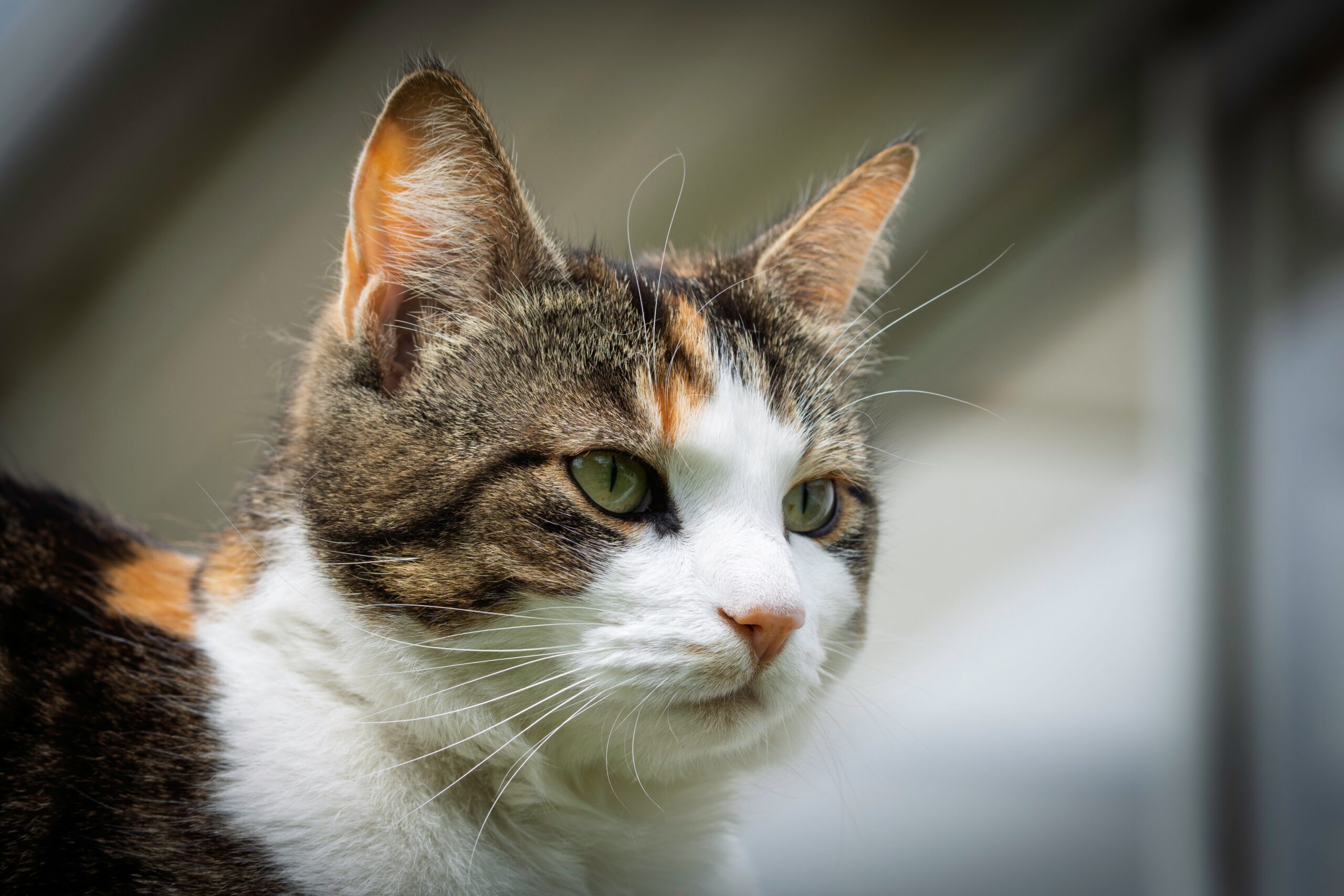



American Wirehairs are one of the most easygoing cats you’ll ever meet, and one of the least known. They’re calm, affectionate, and genuinely unbothered by most things. They don’t demand attention. They don’t cause drama. They slot into your life quietly and comfortably, and make it better without making it complicated. If you’re a first-time owner or a family looking for an easygoing companion who wants a laid-back, adaptable cat that’s happy wherever life takes it, keep reading.
 TL;DR
TL;DR
- Calm, adaptable, and genuinely easygoing. One of the most undemanding breeds you can own.
- Surprisingly low grooming needs, but with an important catch: less is more. Over-brushing damages their unique wiry coat.
- Watch for HCM and hip dysplasia. Both have a genetic link to their American Shorthair lineage and are worth screening for early.
- Low to moderate energy. They enjoy play but don’t require much. A bored Wirehair goes quiet, not destructive.
- For context: Lemonade paid out $136K in American Wirehair claims last year.
What are the characteristics of an American Wirehair?
American Wirehairs are one of the best-kept secrets in the cat world. Here’s how their calm, adaptable personality actually breaks down across the traits that matter most for daily life.
What it’s actually like to live with an American Wirehair
American Wirehairs are the kind of cat that makes ownership look easy. They’re affectionate without being clingy, playful without being demanding, and calm enough to adapt to just about any living situation without missing a beat. They don’t pick fights with other pets. They don’t knock things off shelves for sport. They find a comfortable spot, keep an eye on things, and let you set the pace.
What surprises people most is how quietly content they are. They’re not a cat that needs constant entertainment or stimulation. They enjoy a good play session, but they’re just as happy watching birds from a window perch or sitting nearby while you work. For first-time cat owners especially, that temperament is a gift. You get genuine companionship without the management overhead that comes with higher-energy breeds.
What health issues are common in American Wirehair cats?
American Wirehairs are generally a healthy breed, but their shared lineage with American Shorthairs means a few conditions are worth keeping on the radar. Here’s what every Wirehair owner should know.
Hypertrophic cardiomyopathy (HCM)
HCM thickens the heart muscle, making it harder to pump blood. American Wirehairs share lineage with American Shorthairs, carrying a similar predisposition to cardiac conditions.
Read more about HCMHip dysplasia
Hip dysplasia occurs when the hip joint doesn't form correctly, leading to arthritis and pain. American Wirehairs can be predisposed, so watch for changes in movement or comfort.
Read more about hip dysplasiaFeline atopic skin syndrome (FASS)
FASS is a chronic skin condition causing itching and inflammation. American Wirehairs can be prone due to their unique wiry coat texture, which may contribute to skin sensitivity.
Read more about FASSFeline hyperesthesia syndrome (FHS)
FHS causes episodes of skin rippling, sudden aggression, and compulsive behaviors. American Wirehairs can be prone, and stress management plays an important role in reducing flare-ups.
Read more about FHSWhat are the recommended health tests for American Wirehair cats?
Your American Wirehair can’t tell you when something’s off. That’s what annual health tests are for. Most vets will recommend a complete blood count, biochemistry profile, urinalysis, and FIV/FeLV screening at your cat’s yearly check-up. For American Wirehairs specifically, it’s also worth asking about an annual echocardiogram to screen for HCM, a condition this breed carries a higher risk for through its American Shorthair lineage. Catching it early makes a real difference.
Do American Wirehair cats need pet insurance?
We’ll let the numbers do the talking. But spoiler: a lot of American Wirehair owners are really glad they had coverage.
Those numbers aren’t hypotheticals. Behind each one is an American Wirehair owner who filed an accident or illness claim in the last year. Here’s what that can look like in practice.
The limp that showed up out of nowhere
Biscuit is a 5-year-old American Wirehair who started favoring his back right leg after an afternoon of playing. His owner noticed he was moving more carefully than usual and avoiding the cat tree he normally ignored the stairs on. A vet visit and X-rays confirmed early hip dysplasia, a condition American Wirehairs can be predisposed to. An orthopedic assessment and pain management plan came to $740.
Assuming the full $740 is eligible, here’s what the payout looks like with a $250 deductible, 80% co-insurance, and a $20,000 annual limit:
- Apply the co-insurance to the total eligible amount: $740 x 80% = $592
- Subtract the deductible: $592 – $250 = $342 reimbursed
- Biscuit’s owner’s out-of-pocket: $398
And because the deductible is now met for the year, every eligible claim that follows gets the full 80%.
The itch that wouldn’t quit
A few months later, Biscuit’s owner noticed him scratching persistently at his neck and sides. Red, irritated patches had developed on his skin. A vet visit confirmed feline atopic skin syndrome, a chronic allergic skin condition that American Wirehairs can be prone to due to their unique coat texture and associated skin sensitivity. Diagnosis and a prescription treatment plan came to $380.
With the deductible already met from the hip dysplasia claim earlier in the year, we only need to apply the co-insurance to the eligible amount. So, $380 x 80% = $304 reimbursed. Biscuit’s owner pays $76 out of pocket.
Two claims. One cat. One year. Without coverage, that’s $1,120 out of pocket. With Lemonade, it’s $474. Biscuit is moving comfortably again and the scratching has stopped.
Coverage that’s built for your cat
With Lemonade, you can build a plan around your American Wirehair specifically. Start with accident and illness coverage as your base, then add on what makes sense for your cat, things like dental illness, behavioral treatment, or a preventive care package, and skip what doesn’t. Coverage applies to conditions that aren’t pre-existing, meaning a condition that occurs after your policy is active and your waiting periods have passed.
And when you do need to file? You can do it in the app in minutes. No paperwork, no hold music, no waiting around.
American Wirehairs are worth protecting. Here’s how to do it right.
How much does pet insurance cost?
The cost of your premium is personal. It depends on your American Wirehair’s age, your location, and what add-ons you select. That said, here’s a realistic look at what other American Wirehair owners pay with Lemonade:
| Age | Average monthly premium |
|---|---|
| 1 year old | $20–$25 |
| 2 years old | $20–$25 |
| 3 years old | $15–$20 |
| 4 years old | $20–$25 |
| 5 years old | $20–$25 |
| 6 years old | $25–$30 |
| 7 years old | $25–$30 |
Not sure if Lemonade is the right fit for your American Wirehair? See how we stack up. Compare pet insurance options side by side and find the coverage that fits your cat and your budget.
History of the American Wirehair
The American Wirehair’s entire existence traces back to a single afternoon in Verona, New York, in 1966, when a spontaneous genetic mutation produced one wiry-coated kitten in an otherwise ordinary litter of farm cats. The kitten, a red and white male later named Council Rock Farm Adam of Hi-Fi, had a coat unlike anything seen before in domestic cats. Every hair, including his whiskers and ear hair, was crimped and wiry. Local breeder Joan O’Shea recognized the significance of the mutation, purchased the kitten, and began a selective breeding program using American Shorthairs to widen the gene pool while preserving the distinctive coat. Early genetic analysis confirmed the wirehair mutation was entirely distinct from the rexed coats of Cornish Rex and Devon Rex cats. It was something new.
The CFA accepted the American Wirehair for registration in 1967 and granted championship status in 1978. Despite that early recognition, the breed has remained remarkably rare. To this day, the wirehair mutation has never been reported in any other country. It is, in every sense, a uniquely American original.
Caring for an American Wirehair
Grooming
American Wirehairs are one of the lower-maintenance breeds when it comes to grooming, but there’s an important catch that surprises most first-time owners. Their wiry coat is more delicate than it looks, and over-brushing actually damages it. A soft bristle brush once a week is all they need to remove loose hair and keep the coat in good condition. During heavier shedding seasons, a gentle once-over helps manage the extra hair. The rest of the time, leave it alone. Less is genuinely more with this breed. Their ears are worth checking regularly too, as American Wirehairs can be prone to earwax buildup. A quick weekly check and clean with a vet-approved solution keeps things comfortable.
Play and Enrichment
American Wirehairs are low to moderate energy, which means they’re happy with a varied but relaxed enrichment routine. Independent play with toy mice and balls suits them well. The occasional wand toy session keeps their hunting instinct engaged. A good window perch with something worth watching outside covers a lot of ground. They don’t need intense daily play sessions, and they won’t ask for them. What they do need is enough engagement to stay mentally active and avoid slipping into a sedentary routine. A couple of short sessions a day and a rotation of toys they can bat around independently is genuinely enough for most Wirehairs.
Nutrition
American Wirehairs are medium-sized cats with low to moderate energy, and their diet should reflect that. Real animal protein at the center of every meal is essential. Most adults do well on around 180 to 250 calories a day, split across two meals. Expect to spend around $30 to $60 a month on food depending on what you’re feeding them.
Wet, dry, raw, or a mix all work. Your vet can help you find the right balance for your cat’s age and activity level. One thing worth watching: American Wirehairs can trend toward weight gain if portions aren’t managed carefully, especially as they get older and less active. Keep meals measured, fresh water consistently available, and check in with your vet on weight at annual visits. Omega-3 fatty acids in the diet can also help support the health of their unique coat.
American Wirehair costs and adoption
What does it cost to bring home an American Wirehair?
American Wirehairs are one of the rarest cat breeds in the world, which affects availability more than price. Finding a reputable breeder may take time and research. Be patient. A good breeder is worth the wait.
| Category | Cost Range | Details |
|---|---|---|
| Adoption (Reputable breeder) | $800 to $1,200 | Health testing, vaccinations, early socialization, pedigree |
| Adoption (Rescue/shelter) | $75 to $150 | Basic veterinary care, spay/neuter, temperament evaluation |
| Initial veterinary care | $200 to $400 | Exam, vaccinations, spay/neuter if needed, microchip |
| Essential supplies | $150 to $300 | Litter box, litter, scratching post, bed, food bowls, toys |
What does it cost to own an American Wirehair each year?
Once you’re past year one, American Wirehair ownership is one of the more affordable options in the pedigreed cat world. Low grooming needs and moderate size keep recurring costs predictable and manageable.
| Category | Annual Cost | Details |
|---|---|---|
| Food and treats | $400 to $700 | Based on recommended portions for an American Wirehair |
| Routine veterinary care | $300 to $500 | Wellness exams, vaccinations, dental care |
| Professional grooming | $100 to $200 | Every 8 to 12 weeks for routine maintenance |
| Litter | $200 to $400 | Based on average litter usage for an American Wirehair |
| Toys and enrichment | $50 to $100 | Replacement toys, puzzle feeders, scratching posts |
What are popular American Wirehair names?
We looked at every American Wirehair insured with Lemonade to find the most popular names. For one of the rarest breeds around, their owners have pretty classic taste.
American Wirehair Kittens
American Wirehair kittens are born with their distinctive wiry coats already present, though the texture develops more fully over the first few months of life. One thing worth knowing: not every kitten in a Wirehair litter will have the wiry coat. Because the gene is a dominant but incomplete mutation, some litters produce straight-coated kittens alongside wiry ones. If the coat is the thing you’re coming for, confirm it with your breeder early.
Kitten veterinary needs
The first year matters a lot for an American Wirehair kitten. Most kittens begin vaccines around 6 to 8 weeks old, with boosters given every few weeks until about 16 weeks of age. The FVRCP vaccine is a core vaccine, covering feline rhinotracheitis, calicivirus, and panleukopenia, three highly contagious and potentially life-threatening illnesses. Rabies is the other core kitten vaccination, and is required by law in most states regardless of whether your cat lives indoors or out. The feline leukemia virus vaccine is also considered core for all kittens younger than one year of age.
After the first year, it’s annual boosters and routine screening. For American Wirehairs specifically, building cardiac screening into your annual routine early is worth doing, given this breed’s inherited predisposition to HCM through its American Shorthair lineage. It’s a lot to keep track of. That’s why we made it easy.
Kitten socialization
American Wirehair kittens are calm and adaptable from the start. That easygoing, gentle nature is part of what makes them one of the most laid-back and undemanding cats you can bring home, and it takes root earlier than most people realize.
The primary socialization window for kittens occurs from 2 to 7 weeks of age, with a secondary window from 9 weeks to 14 to 16 weeks. For American Wirehairs, good early socialization reinforces the breed’s naturally calm, adaptable temperament. A well-socialized Wirehair kitten becomes a cat that’s comfortable around strangers, easygoing with other pets, and unfazed by new environments. Choose a breeder who handles kittens regularly and exposes them to a variety of people and experiences during those early weeks.
Once they’re home, keep building on it. American Wirehairs are naturally receptive and low-stress, which makes the socialization process pretty straightforward. Keep experiences positive, go at your kitten’s pace, and back off if they show any sign of stress. The goal is a cat that takes the world in stride, which for a Wirehair, usually comes pretty naturally.
Where are American Wirehair cats most popular?
We looked at our own policyholder data to find out where American Wirehair owners are clustered. Spoiler: they’re everywhere, but the five states with the most American Wirehair policyholders are California, New York, Texas, Pennsylvania, and New Jersey.
Breed comparison
If you’re researching American Wirehairs, chances are a few other breeds have crossed your mind. Here’s a quick side-by-side to help you sort it out.
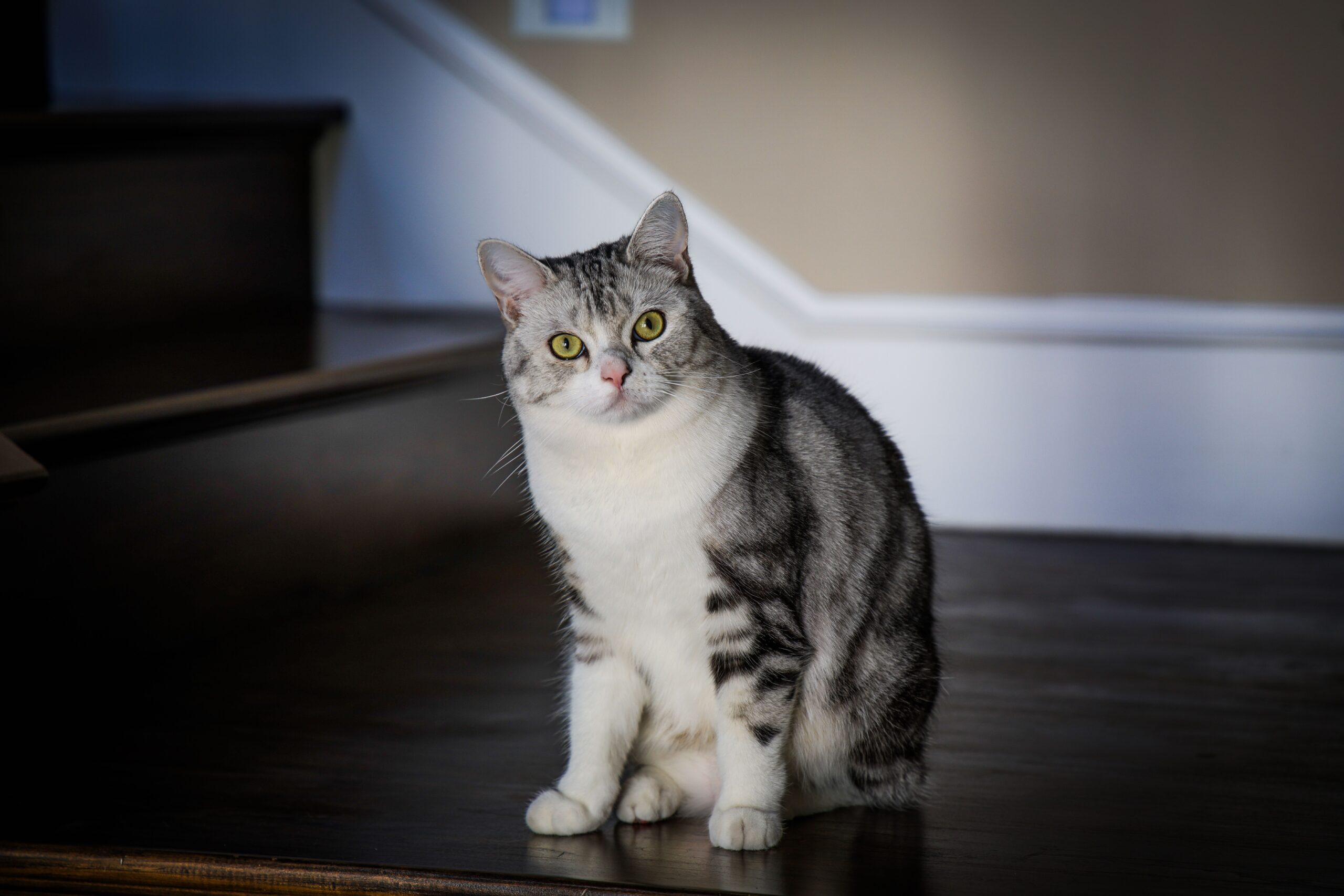
American Shorthair
Both share the same genetic lineage and easygoing temperament. The American Wirehair's only real difference is its unique wiry, crimped coat, caused by a dominant genetic mutation.
Read more about American Shorthairs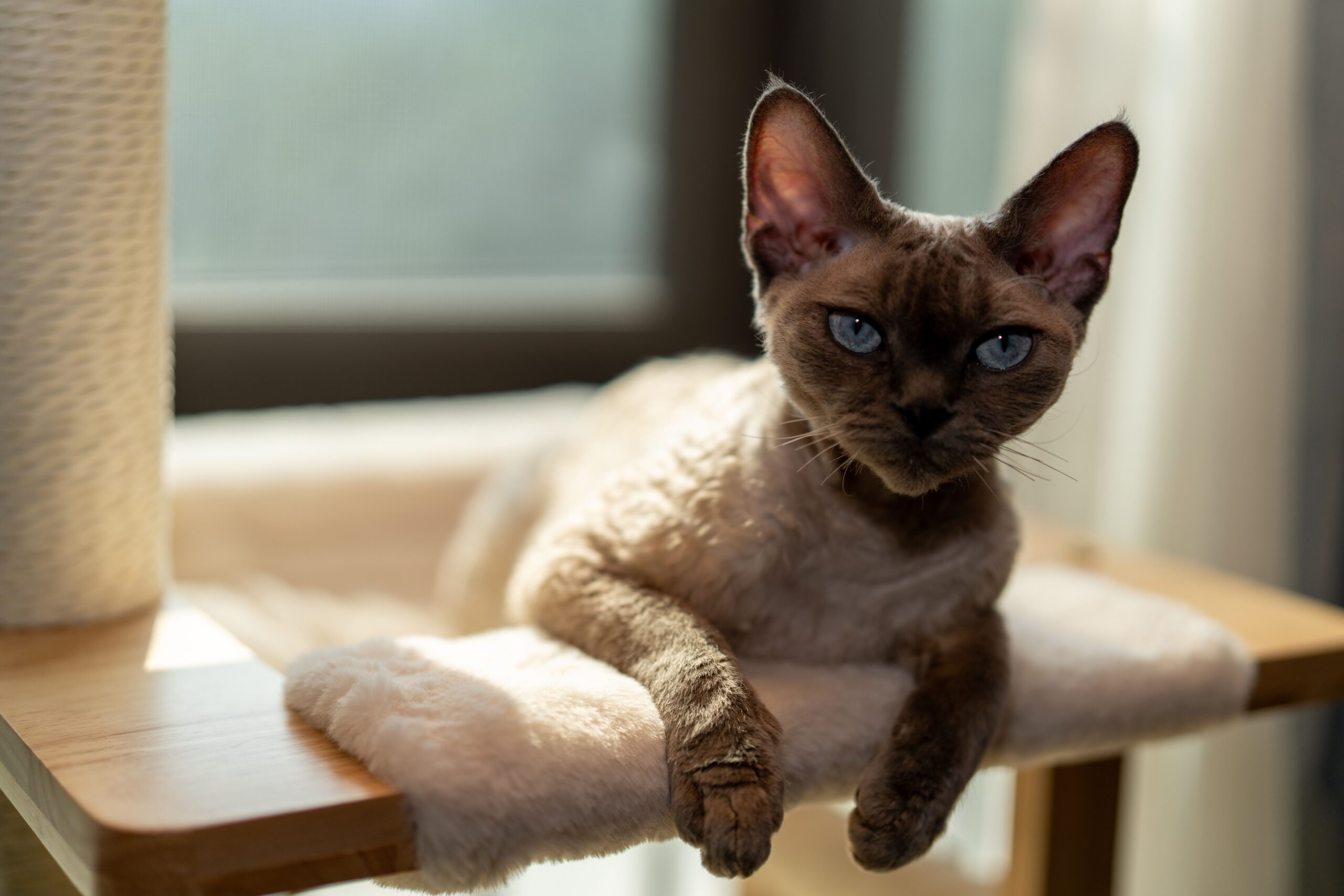
Devon Rex
Both have distinctive, unusual coats caused by genetic mutations. Devon Rex cats are more social and people-dependent, while American Wirehairs are calmer and more independent.
Read more about Devon Rex cats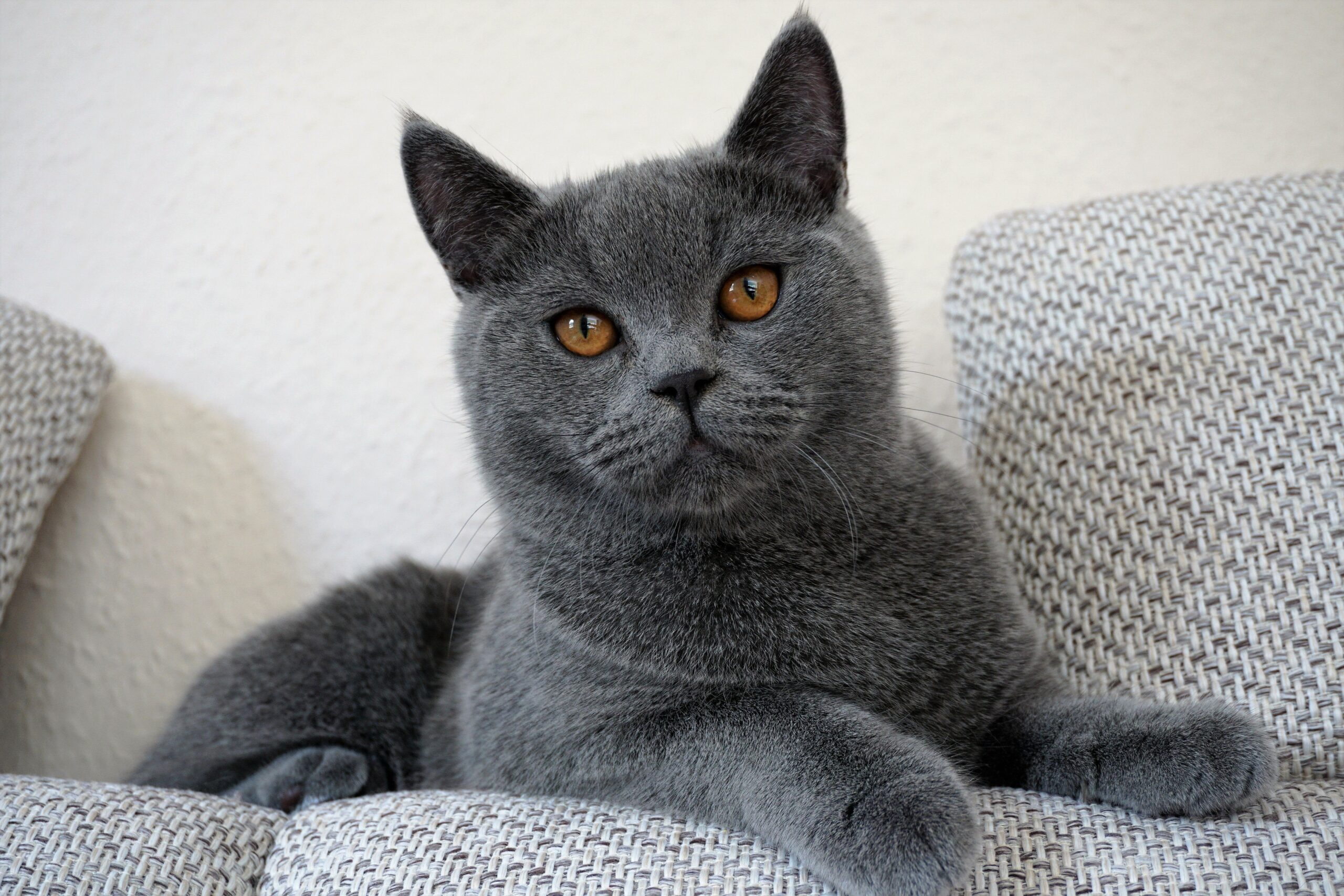
British Shorthair
Both are adaptable and people-friendly. American Shorthairs are more independent and laid-back, while Bombays are more affectionate and active in seeking out attention and interaction.
Read more about British ShorthairsIs an American Wirehair right for you?
If you’ve made it this far, you already know an American Wirehair isn’t flashy about it. They’re a calm, adaptable companion and a cat that’s genuinely happy wherever life takes it. They just need regular play, a consistent routine, and an owner who appreciates a low-key, easygoing cat in return. Whether you’re picking your kitten up next week or still trying to find a reputable breeder, pet insurance is the one thing worth sorting out early. Get a quote today, and focus on the companionship, not the bills.
American Wirehair frequently asked questions
Are American Wirehairs good for first-time cat owners?
Yes, one of the best options out there. They’re calm, adaptable, and genuinely undemanding. They don’t require intense grooming, they’re not high-energy, and they slot into most living situations without much friction. If you’ve never owned a cat before and want a companion that makes ownership feel manageable, the American Wirehair is worth serious consideration.
Why is the American Wirehair so rare?
The breed traces back to a single genetic mutation in 1966 that has never been replicated anywhere else in the world. The gene pool has always been small, and breed numbers registered with the CFA remain consistently low. Finding a reputable breeder takes more effort than it would with a more common breed, but they’re out there.
Can you brush an American Wirehair?
Gently and infrequently. Their wiry coat is more delicate than it looks, and over-brushing damages the unique texture. A soft bristle brush once a week during normal periods, and a little more during heavy shedding seasons, is all they need. Resist the urge to do more. Less is genuinely better with this coat.
How long do American Wirehairs live?
Most live between 12 and 16 years. They’re generally a healthy breed, and their easygoing temperament means they tend to handle the aging process well. Regular vet visits, cardiac screening, a good diet, and weight management are the main factors that influence longevity.
Are American Wirehairs good with other pets?
Generally yes. Their calm, adaptable temperament makes them one of the more flexible breeds when it comes to multi-pet households. They’re not territorial or high-strung, which means introductions tend to go more smoothly than with more sensitive breeds. A proper, gradual introduction still matters, but the Wirehair’s temperament works in everyone’s favor.
Insurance claim data figures reflect approved accident and illness claims filed by Lemonade Pet policyholders over the trailing 12 months as of June 2026. They are averages across Lemonade’s insured population for this breed, not predictions of future claims or reimbursement for any individual pet. Actual payouts depend on your policy’s limit, deductible, co-insurance, waiting periods, and exclusions, and may not reflect the broader breed population or other insurers’ experience. Coverage is not available in every state. Please let me know what you think, thank you! A few quick words, because we <3 our lawyers: This post is general in nature, and any statement in it doesn’t alter the terms, conditions, exclusions, or limitations of the policies issued, which differ according to your state of residence. You’re encouraged to discuss your specific circumstances with your own professional advisors. The purpose of this post is merely to provide you with info and insights you can use to make such discussions more productive! Naturally, all comments by, or references to, third parties represent their own views, and Lemonade assumes no responsibility for them. Coverage may not be available in all states. Please note that statements about coverages, policy management, claims processes, Giveback, and customer support apply to policies underwritten by Lemonade Insurance Company or Metromile Insurance Company, a Lemonade company, sold by Lemonade Insurance Agency, LLC. The statements do not apply to policies underwritten by other carriers. Insurance claim data figures reflect approved accident and illness claims filed by Lemonade Pet policyholders over the trailing 12 months as of June 2026. They are averages across Lemonade’s insured population for this breed, not predictions of future claims or reimbursement for any individual pet. Actual payouts depend on your policy’s limit, deductible, co-insurance, waiting periods, and exclusions, and may not reflect the broader breed population or other insurers’ experience. Average insurance premium data is based on Lemonade’s internal data and reflects the average premium over the last 12 complete months, accurate as of June 2026. Top pet names are sourced from Lemonade’s database of pet names associated with submitted quotes and purchased policies. Top states for each breed are based on the number of active Lemonade pet insurance policies for that breed in each state as of June 2026.