
Does Your Cat Have Cerebellar Hypoplasia?
Not dangerous, not progressive, and not painful. Here's what cerebellar hypoplasia means and how to set up your home for a wobbly cat.

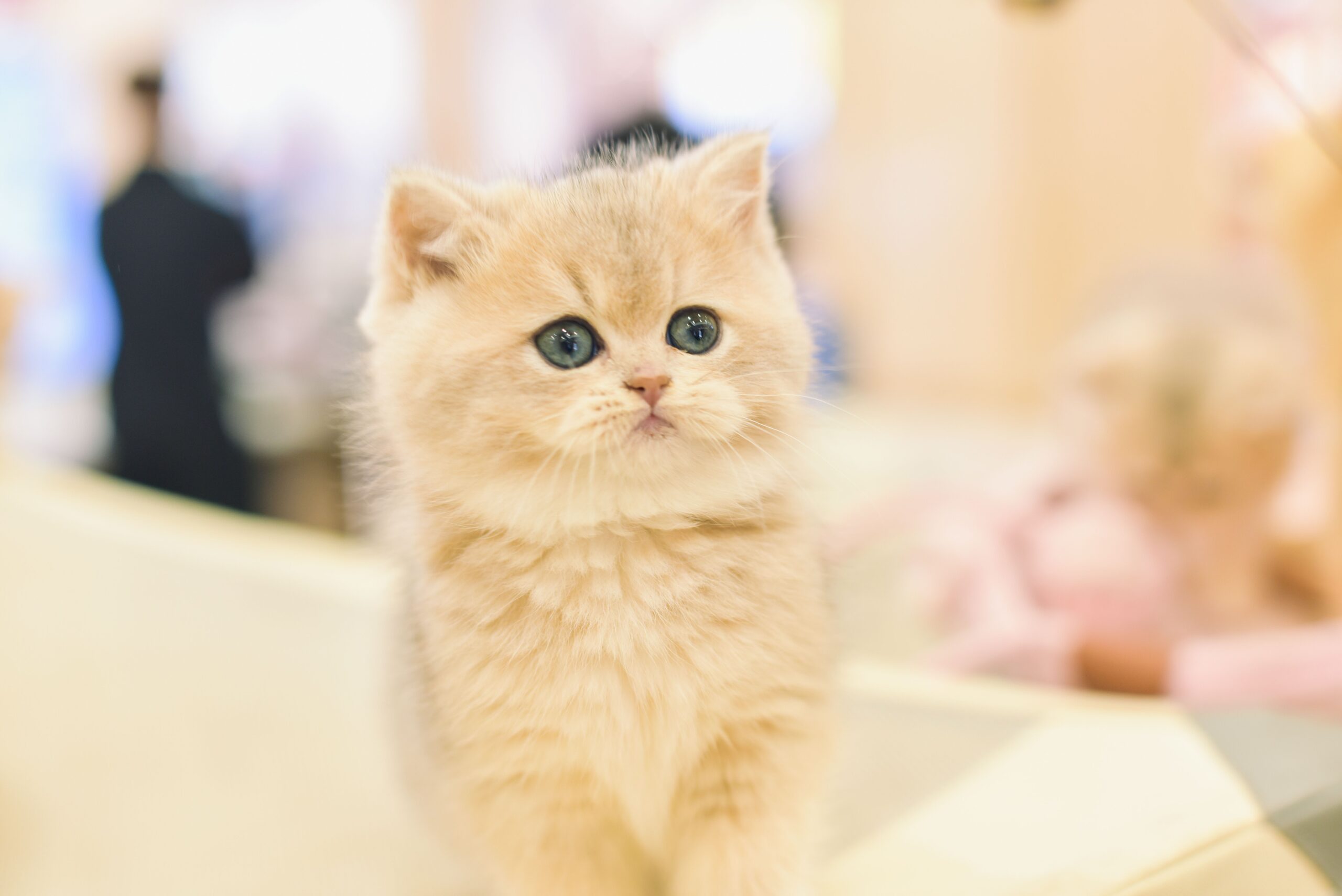
Not dangerous, not progressive, and not painful. Here's what cerebellar hypoplasia means and how to set up your home for a wobbly cat.
If your kitten wobbles when they walk, bobs their head, or loses their balance mid-stride, it can be alarming to watch. But here’s what you need to know right away: this is very likely cerebellar hypoplasia (CH), a condition where part of the brain that controls coordination didn’t fully develop before birth. It looks dramatic, but it isn’t dangerous. And cats with CH live full, happy, comfortable lives.
 TL;DR
TL;DR
The cerebellum is a small region at the back of the brain that fine-tunes movement, balance, and spatial awareness. In a cat with CH, that region didn’t develop fully in the womb. The result is a cat whose brain sends movement signals just fine, but whose body struggles to execute them smoothly. Think of it like a slightly unreliable connection between the brain and the limbs. The signal is there, it just doesn’t always arrive cleanly.
CH is present from birth and stays consistent throughout your cat’s life. It doesn’t progress, and it doesn’t get better or worse. It just is. That means the wobbly kitten you bring home is the same wobbly cat you’ll have at age ten, and with the right setup at home, that cat can live a full, comfortable, and happy life.
CH signs show up in kittenhood, as soon as a kitten starts trying to move around. Here’s what you’ll actually notice:
Severity varies a lot. Some CH cats have a mild wobble you might barely notice. Others need more help navigating basic tasks. Most fall somewhere in the middle, a little wobbly, totally functional, and completely unbothered by it.
The most common cause is exposure to feline panleukopenia virus, also called feline distemper, during pregnancy. If a mother cat contracts this virus while her kittens are developing in the womb, it can interfere with the growth of the cerebellum. The virus targets rapidly dividing cells, and during fetal development, the cerebellum is one of the most active areas of growth.
It can also happen if a pregnant cat is vaccinated with a modified-live panleukopenia vaccine during pregnancy, which is why vets recommend avoiding that during gestation. Less commonly, nutritional deficiencies, trauma, or other infections during pregnancy can play a role.
One thing worth repeating: CH is not contagious. You can’t catch it, other cats can’t catch it, and your CH cat poses zero risk to other pets in your home.
A vet can usually identify CH through a neurological exam, watching how your cat moves, responds to stimuli, and maintains balance. To rule out other conditions like a brain tumor, injury, or infection, they may recommend an MRI or CT scan. A cerebrospinal fluid analysis might also be suggested in less clear-cut cases.
Vets generally classify CH severity in three tiers:
| Severity | What it looks like |
|---|---|
| Mild | Slight wobble, occasional stumble. The cat gets around well with minimal home modifications. |
| Moderate | More noticeable unsteadiness and tremors. Some home changes are needed, but the cat is mostly independent. |
| Severe | Significant coordination challenges. The cat may need help with eating, grooming, and using the litter box. |
There’s no cure for cerebellar hypoplasia, and no medication changes the condition itself. But that’s less alarming than it sounds, because CH isn’t hurting your cat. It’s simply how their brain is wired.
What treatment really means for CH cats is accommodation, setting up their environment so they can move through it safely and comfortably. Some cats with moderate to severe CH benefit from physical therapy exercises your vet can walk you through, which can help build muscle strength and body awareness over time.
Your vet will also want to address any secondary issues: small cuts or bruises from falls, dental care (since some CH cats struggle to groom themselves), and periodic checkups to make sure nothing else is going on.
A few targeted changes to your home can make a huge difference in your cat’s safety and independence. Here’s a practical room-by-room approach:
Slippery floors are a CH cat’s biggest challenge. Cover main walking paths with non-slip rugs, yoga mats, or carpet runners. The goal is continuous traction, not scattered islands your cat has to aim for. Rubber-backed mats work well throughout the home.
Standard litter boxes with high sides are a real obstacle. Look for low-entry litter boxes or shallow storage containers with one side cut down low. Place the box on a non-slip mat and position it in a corner or against a wall so your cat has something to lean against if needed.
Raised, anchored bowls help cats with head tremors eat and drink without chasing the bowl across the floor. Look for heavy ceramic or bowls with non-slip bases. If your cat struggles with a regular water bowl, a wide, low dish is easier to manage than a tall narrow one.
Block off staircases with baby gates, especially when unsupervised. Pad the edges of furniture your cat might fall from. If your cat loves to climb (and many CH cats do), provide low ramps or carpeted steps to favorite spots, and make sure the landing zone below is soft.
Place thick blankets, foam mats, or pet beds anywhere your cat spends time or is likely to fall. Around the couch, near their food station, by the litter box. Anywhere your cat transitions between surfaces is worth padding.
Cats with moderate to severe CH may not be able to groom themselves well, especially around the back end. Regular gentle brushing, occasional baths, and checking for hygiene issues around the tail area are part of caring for a more affected CH cat. Keeping the fur around the hindquarters trimmed short makes cleanup much easier for everyone.
Let’s clear a few things up, because a lot of what’s out there about CH cats is either wrong or unnecessarily grim.
CH itself doesn’t shorten a cat’s lifespan. A CH cat with good care lives just as long as any other cat. The main risk isn’t the condition, it’s accidental injuries from falls, which thoughtful home setup goes a long way toward preventing.
CH itself doesn’t need medication or ongoing medical treatment, but that doesn’t mean vet bills aren’t part of the picture. The initial diagnostic workup (neurological exams, imaging, ruling out other conditions) costs money. And wobbly cats, even well-adapted ones, are more prone to bumps and scrapes from falls. Those vet visits for injuries and illnesses are exactly what pet insurance is designed for.
With Lemonade Pet insurance, accidents and eligible illnesses are covered, which means if your CH cat takes a hard fall or needs diagnostic imaging to confirm a diagnosis, you’re not facing that bill alone. The key is enrolling before any condition becomes pre-existing, so the sooner you get a policy in place, the better protected you are. Get a quick quote from Lemonade and see what coverage looks like for your cat.
No. CH is not painful. The cerebellum controls coordination, not sensation, so a cat with CH doesn’t experience pain from the condition itself. They may feel discomfort if they take a hard fall and get injured, but the underlying condition causes no pain.
Yes, absolutely. Most CH cats adapt well to their condition and live full, happy lives. With a safe home setup: non-slip flooring, low-entry litter boxes, padded landing zones. The majority of CH cats are independent and comfortable.
No. CH is non-progressive, meaning the condition stays stable throughout your cat’s life. It won’t improve on its own, but it won’t deteriorate either.
The most common cause is the mother cat being exposed to feline panleukopenia virus (feline distemper) during pregnancy. The virus disrupts the development of the cerebellum in the kittens while they’re still in the womb.
Not at all. CH is a developmental condition, not an infectious one. You can safely house a CH cat with other pets without any risk of it spreading.
A few quick words, because we <3 our lawyers: This post is general in nature, and any statement in it doesn’t alter the terms, conditions, exclusions, or limitations of the policies issued, which differ according to your state of residence. You’re encouraged to discuss your specific circumstances with your own professional advisors. The purpose of this post is merely to provide you with info and insights you can use to make such discussions more productive! Naturally, all comments by, or references to, third parties represent their own views, and Lemonade assumes no responsibility for them. Coverage may not be available in all states. Please note that statements about coverages, policy management, claims processes, Giveback, and customer support apply to policies underwritten by Lemonade Insurance Company or Metromile Insurance Company, a Lemonade company, sold by Lemonade Insurance Agency, LLC. The statements do not apply to policies underwritten by other carriers.
Please note: Lemonade articles and other editorial content are meant for educational purposes only, and should not be relied upon instead of professional legal, insurance or financial advice. The content of these educational articles does not alter the terms, conditions, exclusions, or limitations of policies issued by Lemonade, which differ according to your state of residence. While we regularly review previously published content to ensure it is accurate and up-to-date, there may be instances in which legal conditions or policy details have changed since publication. Any hypothetical examples used in Lemonade editorial content are purely expositional. Hypothetical examples do not alter or bind Lemonade to any application of your insurance policy to the particular facts and circumstances of any actual claim.