

You found a lump on your dog, the vet said it looks like a hair follicle tumor, and now you’re home trying to figure out what that actually means. Here’s the short version: most of these tumors are benign, slow-growing, and curable with a straightforward surgical removal. That’s genuinely good news.
But there’s still a reason your vet wants to do more than just watch it, and understanding why will help you feel confident about the next steps.
 TL;DR
TL;DR
- Hair follicle tumors in dogs (including trichoepitheliomas, trichoblastomas, and pilomatricomas) are usually benign and most common in senior dogs.
- They can look almost identical to a cyst, abscess, or even a malignant mass, so a biopsy is the only way to know for certain what you’re dealing with.
- Surgical removal is both the standard treatment and the path to a definitive diagnosis, and it’s often curative.
- Hair follicle tumors are covered under a Lemonade Pet accident and illness policy, as long as they’re not pre-existing and develop after the 14-day illness waiting period has passed.
What are hair follicle tumors?
Hair follicle tumors are skin growths, technically called cutaneous (skin-based) tumors, that originate from the cells of the hair follicle itself. There are several types, and they go by names that can sound intimidating at first glance.
- Trichoepithelioma (trick-oh-ep-ih-THEE-lee-oh-mah): a tumor that forms from the outer layer of the hair follicle. Trichoepitheliomas are almost always benign and tend to appear as firm, sometimes cyst-like lumps on the head, neck, or trunk.
- Trichoblastoma (trick-oh-blas-TOH-mah): grows from the early cells that form hair follicles. Also typically benign, often found on the head and neck of older dogs.
- Pilomatricoma (pie-loh-mah-TRICK-oh-mah): a tumor of the hair matrix, the cells at the base of the follicle that produce the hair shaft. These can feel hard or gritty because they sometimes contain calcium deposits. Generally benign, but surgical removal is usually recommended.
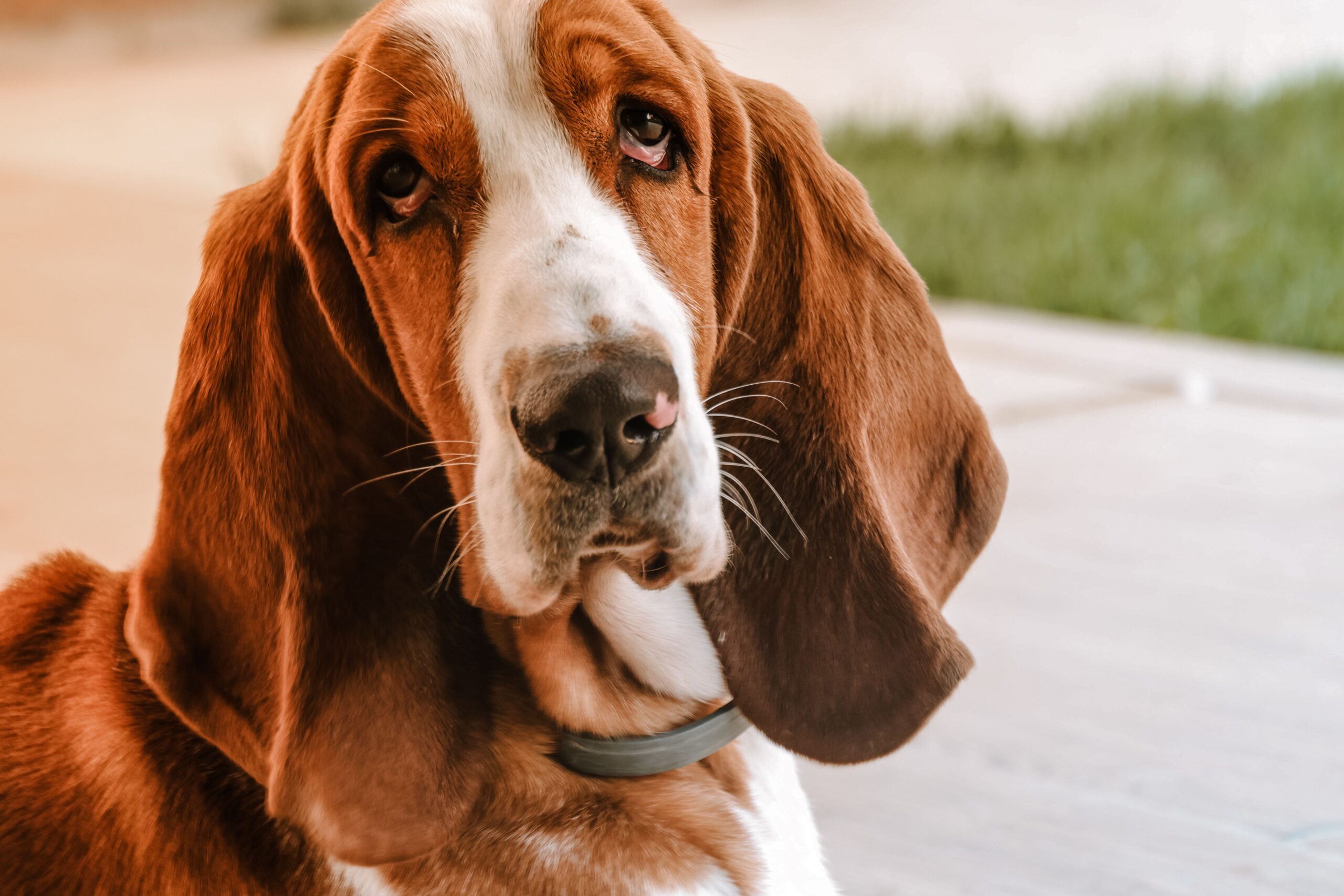
All three are most commonly seen in middle-aged and senior dogs. Certain breeds including Basset Hounds, German Shepherds, and Golden Retrievers seem to develop them more frequently.
What does a hair follicle tumor look like?
Hair follicle tumors don’t have one signature look, which is a big part of why they need to be tested rather than just observed.
They typically appear as a firm, raised, dome-shaped lump under or within the skin. Most are small (under two centimeters), but some grow larger. They’re usually well-defined, meaning you can feel where the tumor ends and normal tissue begins.
An ulcerated lump (one where the skin over the growth has broken open) is worth flagging to your vet sooner rather than later. Ulceration doesn’t automatically mean cancer, but it can indicate faster growth or irritation that warrants a closer look.
Why do these tumors develop?
There’s no single clear cause. Age is the biggest risk factor, which is why hair follicle tumors show up most often in senior dogs. Genetics and breed predisposition also play a role. Unlike some cancers, these tumors aren’t strongly linked to environmental exposures or lifestyle factors, so there’s no reason to second-guess anything you’ve done as an owner.
Cyst vs. tumor: why the biopsy is the only real answer
A hair follicle tumor can look nearly identical to a cyst, an abscess, or a malignant mass. Feeling it, looking at it, or comparing photos online won’t tell you which one it is. That’s just the reality of how skin lumps behave, and it’s why testing matters.
| Fine needle aspiration (FNA) | Biopsy | |
|---|---|---|
| What it involves | A thin needle draws a small cell sample from the lump | A tissue sample (or the entire lump) is removed and sent to a pathologist |
| Invasiveness | Minimal, no anesthesia needed | Usually done under sedation or during surgery |
| What it can tell you | Rules out some conditions quickly | Definitively identifies the tumor type |
| Limitations | Samples only part of the lump; can’t always give a final answer | Takes longer; usually the step after FNA |
| When it’s used | First step | When FNA is inconclusive, or as part of surgical removal |
The bottom line: when the lump is surgically removed, the tissue is almost always sent for biopsy automatically. Removal and diagnosis happen together. making surgery both the treatment and the answer.
Treatment and what to expect
For the vast majority of hair follicle tumors, surgical removal is both the recommended treatment and effectively a cure. Your vet will remove the tumor with a margin of healthy tissue around it to reduce the chance of it coming back. Recovery is typically straightforward, with a short healing period and a follow-up to confirm the incision is closing well.
In cases where the biopsy comes back confirming a malignant tumor (which does happen, though it’s the exception rather than the rule), your vet will discuss next steps, which may include a wider surgical margin, imaging to check if it has spread, or referral to a veterinary oncologist. But again, most of these tumors are benign, and surgery alone resolves them.
Does pet insurance cover hair follicle tumor treatment?
The diagnostic and surgical costs involved, including fine needle aspiration, biopsy, anesthesia, and the removal itself, can add up quickly.
Hair follicle tumors are covered under a Lemonade Pet accident and illness policy, as long as they’re not pre-existing and develop after the waiting period has passed. If your dog already has a lump that’s been documented, it likely won’t be covered under a new policy. The best time to enroll is before anything shows up, so that if and when something does, you’re covered from the start.
Before we go
Finding a lump on your dog is unsettling, but hair follicle tumors are one of the more reassuring diagnoses in veterinary dermatology. They’re usually benign and usually curable with one clean surgery. The key is not skipping the biopsy step, because that’s the only thing that truly confirms what you’re dealing with. Talk to your vet, get the lump tested, and know that for most dogs, this story has a straightforward ending.
Frequently Asked Questions
Are hair follicle tumors in dogs always benign?
Most are benign, including the most common types like trichoepitheliomas, trichoblastomas, and pilomatricomas. Malignant versions exist but are much less common. A biopsy is the only way to confirm which type you’re dealing with.
Can I tell the difference between a cyst and a hair follicle tumor just by looking?
No, and neither can your vet by sight alone. Hair follicle tumors, cysts, abscesses, and even malignant masses can look nearly identical. Fine needle aspiration and biopsy are the tools that actually answer that question.
Is surgical removal always necessary for a benign hair follicle tumor?
Not always, but it’s usually recommended. Small, stable tumors may be monitored, but removal is the only way to get a definitive diagnosis and to prevent the lump from growing, ulcerating, or becoming harder to remove later.
What breeds are most prone to hair follicle tumors?
Basset Hounds, German Shepherds, Golden Retrievers, and several other breeds appear more frequently in veterinary literature for these tumors, though any dog can develop them, especially in their senior years.
Will Lemonade Pet insurance cover a hair follicle tumor diagnosis and surgery?
Lemonade’s illness coverage can help with costs like fine needle aspiration, biopsy, and surgical removal, as long as the condition wasn’t pre-existing before your policy started. Enrolling before a lump appears is the key.
A few quick words, because we <3 our lawyers: This post is general in nature, and any statement in it doesn’t alter the terms, conditions, exclusions, or limitations of the policies issued, which differ according to your state of residence. You’re encouraged to discuss your specific circumstances with your own professional advisors. The purpose of this post is merely to provide you with info and insights you can use to make such discussions more productive! Naturally, all comments by, or references to, third parties represent their own views, and Lemonade assumes no responsibility for them. Coverage may not be available in all states. Please note that statements about coverages, policy management, claims processes, Giveback, and customer support apply to policies underwritten by Lemonade Insurance Company or Metromile Insurance Company, a Lemonade company, sold by Lemonade Insurance Agency, LLC. The statements do not apply to policies underwritten by other carriers.