

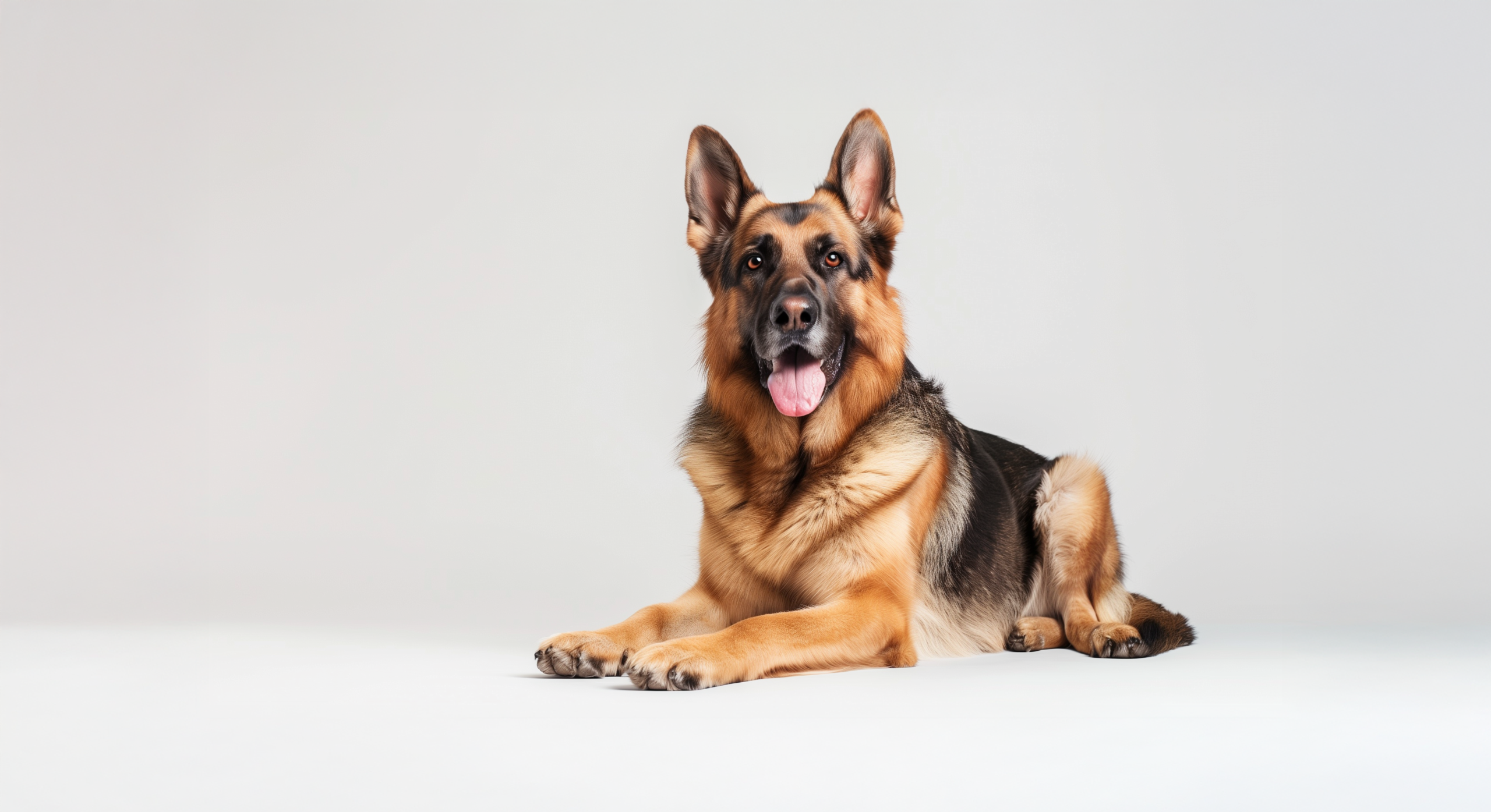



You didn’t land on the German Shepherd by accident. This is a breed people seek out, and for good reason. Highly intelligent and versatile, loyal and deeply bonded to their family, and confident and courageous, they’re a natural fit for experienced owners, active households, and anyone who wants a deeply devoted working partner who want a loyal, intelligent companion who is as capable as they are loving. Let’s dig in.
What are the characteristics of a German Shepherd?
Think you know what you’re getting into with a German Shepherd? These scores will either confirm your suspicions or give you something to think about. Either way, good to know now.
Training
| Trait | Score | What does it mean? |
|---|---|---|
| Trainability | 5 out of 5 | Among the most trainable breeds in the world. German Shepherds are quick learners who thrive on having a job to do and a handler they trust |
| Obedience | 5 out of 5 | Highly responsive to commands and direction. With consistent training, a GSD will follow cues reliably across a wide range of situations |
| Focus | 5 out of 5 | Sharp and attentive. German Shepherds are built to stay focused on their handler, which is a big part of why they excel in working roles |
| Stubbornness | 2 out of 5 | Not a stubborn breed by nature. They are opinionated and confident, but a well-trained GSD is reliably cooperative |
Friendliness
| Trait | Score | What does it mean? |
|---|---|---|
| Good with family | 4 out of 5 | Deeply devoted to their family and highly protective of the people they love. They bond closely and take that bond seriously |
| Good with children | 3 out of 5 | Good with children they are raised with, but their size and intensity mean supervised interactions and early socialization are important, especially with young kids |
| Good with strangers | 3 out of 5 | Reserved and watchful with strangers by default. Proper socialization is essential to ensure wariness does not tip into anxiety or over-reactivity |
| Good with other dogs | 3 out of 5 | Generally fine with dogs they are raised alongside, but can be selective. Early and consistent socialization makes a meaningful difference |
Adaptability
| Trait | Score | What does it mean? |
|---|---|---|
| Apartment living | 2 out of 5 | Not ideally suited to apartment living. They need space, daily exercise, and mental stimulation to stay calm and balanced |
| Cold weather | 5 out of 5 | Their dense double coat was designed for the German countryside and handles cold weather very well |
| Hot weather | 2 out of 5 | Tolerates moderate heat reasonably well but is not suited to extreme conditions. Limit intense exercise on very hot days and always provide access to shade and water |
| Routine flexibility | 3 out of 5 | Adaptable to different living situations when their exercise and mental needs are consistently met, but they do best with structure and routine |
| First time owner | 2 out of 5 | Better suited to experienced owners. Their intelligence, intensity, and protective instincts require confident handling and consistent leadership from day one |
Physical needs
| Trait | Score | What does it mean? |
|---|---|---|
| Energy level | 5 out of 5 | High energy and built to work. German Shepherds need substantial daily exercise and engagement to stay happy, healthy, and out of trouble |
| Endurance | 5 out of 5 | Exceptional endurance. Bred to work long days in demanding conditions, they can sustain high levels of activity for extended periods |
| Exercise needs | 5 out of 5 | Needs at least 1 to 2 hours of vigorous exercise daily. Without it, they become restless, frustrated, and destructive |
| Mental stimulation | 5 out of 5 | One of the most mentally demanding breeds to own. They need regular challenges, problem-solving, and training to stay satisfied |
| Grooming needs | 3 out of 5 | Moderate grooming needs. Their double coat sheds year-round and blows out heavily in spring and fall, requiring regular brushing to manage |
Personality
| Trait | Score | What does it mean? |
|---|---|---|
| Playfulness | 3 out of 5 | Playful and engaged when properly exercised. They enjoy games, fetch, and interactive play, though they are not as relentlessly playful as some sporting breeds |
| Affection | 4 out of 5 | Deeply affectionate with their family. German Shepherds are not aloof dogs; they want to be close to their people and notice when something is off |
| Loyalty | 5 out of 5 | One of the most loyal breeds around. GSDs form intense bonds and are known to go to extraordinary lengths for the people they love |
| Independence | 3 out of 5 | Moderate independence. They are confident enough to work on their own but prefer being close to their handler or family |
| Alertness | 4 out of 5 | Highly alert and always scanning their environment. This natural vigilance is part of what makes them exceptional working and protection dogs |
Behavior
| Trait | Score | What does it mean? |
|---|---|---|
| Barking tendency | 3 out of 5 | Not excessive barkers, but will vocalize to communicate or alert. Boredom or under-stimulation can increase barking significantly |
| Digging tendency | 3 out of 5 | Moderate digging tendency. An under-exercised or under-stimulated GSD may dig as an outlet. Keeping them active largely prevents it |
| Chewing tendency | 3 out of 5 | Moderate chewing tendency, particularly in adolescence. Providing appropriate outlets and keeping them mentally engaged helps prevent destructive chewing |
| Prey drive | 4 out of 5 | High prey drive. Their herding and working heritage means they are hardwired to track and chase. Early training and strong recall are essential |
| Guarding instincts | 5 out of 5 | Strong guarding instincts. German Shepherds are naturally protective and will act on those instincts if they sense a threat to their family or territory |
What are common health issues of a German Shepherd?
Like all breeds, German Shepherds are prone to certain health conditions. Here’s what to keep on your radar.
Hip Dysplasia
A hip joint that develops abnormally, leading to pain and arthritis. German Shepherds are one of the most commonly affected large breeds. Watch for stiffness and gait changes.
Read more about Hip DysplasiaDegenerative Myelopathy
A progressive spinal cord disease that slowly affects a dog's ability to walk. It typically starts with rear-leg weakness and coordination loss. There is no cure, but therapy helps.
Read more about Degenerative MyelopathyExocrine Pancreatic Insufficiency
The pancreas stops making enough digestive enzymes, so nutrients pass through unabsorbed. Watch for weight loss despite a big appetite, and loose or greasy stools.
Read more about Exocrine Pancreatic InsufficiencyElbow Dysplasia
A developmental condition affecting the elbow joint during growth. It often causes front-leg lameness in younger dogs and can progress to arthritis without treatment.
Read more about Elbow DysplasiaGastric Dilatation-Volvulus
The stomach fills with gas and twists, cutting off blood flow. It is a life-threatening emergency. A swollen belly, unproductive retching, and restlessness are urgent warning signs.
Read more about Gastric Dilatation-VolvulusWhat are the recommended health tests for German Shepherds?
Your German Shepherd can’t tell you when something’s off. That’s what these tests are for. Here’s what vets typically recommend for them.
-
 Hip dysplasia evaluation (OFA or PennHIP)
 -
Elbow dysplasia evaluation (OFA)
-
Degenerative Myelopathy (DM) DNA test
-
Autoimmune thyroiditis evaluation (OFA thyroid)
Do German Shepherds need pet insurance?
We’ll let the numbers do the talking, but spoiler: a lot of German Shepherd owners are really glad they had coverage.
Those numbers aren’t hypotheticals. They’re real claims from real German Shepherd owners in 2025.
The right pet insurance means you’re making decisions based on what your dog needs, not what you can afford.
With Lemonade, you can build a plan around your GSD specifically. Start with accident and illness coverage as your base, then add on what makes sense for your dog, things like physical therapy, dental illness, or behavioral treatment, and skip what doesn’t. Coverage applies to conditions that aren’t pre-existing (AKA, a condition that occurs after your policy is active and your waiting periods have passed), and you’ll know exactly what’s included before you commit. No fine print ambushes, no surprises at claim time.
And when you do need to file? You can do it in the app in minutes. No paperwork, no hold music, no waiting around.
German Shepherds are worth protecting with proper coverage. Here’s how to do it right.
How much does pet insurance cost?
The cost of your premium is personal. It depends on your GSDs age, your location, and what you add to your plan. That said, here’s a realistic look at what other German Shepherd owners pay with Lemonade:
| Age | Average monthly premium |
|---|---|
| 1 year old | $55-$60 |
| 2 years old | $50-$55 |
| 3 years old | $55-$60 |
| 4 years old | $60-$65 |
| 5 years old | $70-$75 |
| 6 years old | $75-$80 |
| 7 years old | $85-$90 |
Not sure if Lemonade is the right fit for your GSD?
See how we stack up. Compare pet insurance options side by side and find the coverage that fits your German Shepherd and your budget.
History of the German Shepherd
The German Shepherd is one of the most recognizable and widely used working breeds in the world, but its story begins with a single man and a single dog. In 1899, a German cavalry officer named Max von Stephanitz attended a dog show and encountered a wolf-like herding dog named Hektor Linksrhein, who embodied everything he believed a working dog should be: intelligent, loyal, strong, and responsive. Von Stephanitz purchased the dog, renamed him Horand von Grafrath, and founded the Verein fur Deutsche Schaferhunde, the Society for German Shepherd Dogs, that same year. Horand became the first registered German Shepherd and the foundation sire of the breed. Von Stephanitz spent the following decades promoting the breed for police and military work, a decision that secured its future as industrialization reduced the need for herding dogs. German Shepherds served extensively in both World Wars, impressing soldiers from around the world, and were brought back to the United States and the United Kingdom by returning servicemen. The breed gained widespread public recognition through film stars like Rin Tin Tin and Strongheart in the 1920s. The AKC recognized the breed in 1908. Today, the German Shepherd consistently ranks among the most registered breeds in the United States and remains the gold standard for police, military, search and rescue, and service dog work worldwide.
Caring for a German Shepherd
Training
Training a German Shepherd is straightforward, but it’s worth the effort. They are highly intelligent and driven to work, which means they thrive with clear structure and consistent expectations from their owner. Positive reinforcement paired with clear, consistent commands and early socialization tends to work best, and getting started early makes a real difference.
Whether you’re starting from scratch or leveling up, these are worth the read.
Grooming
German Shepherds have a thick double coat that requires regular grooming. Brush 2 to 3 times per week year-round, increasing to daily during the heavy spring and fall shedding seasons, and the occasional bath keeps them looking their best. Deshedding treatments during seasonal coat blows help manage heavy shedding around the home.
From nail trims to professional care, here’s everything you need to keep your GSD looking (and feeling) their best.
Exercise and mental stimulation
German Shepherds have very high energy levels and need 90 to 120 minutes of exercise each day to stay happy and healthy. Schutzhund training, trail running, and agility are all great ways to burn through that energy. But physical exercise is only half the picture. German Shepherds are exceptionally intelligent dogs, and mental stimulation is just as important as the miles you put in. Without it, they become anxious, destructive, and may develop obsessive or neurotic behaviors. Puzzle toys, training sessions, and scent work are all solid ways to keep their brain engaged between walks.
Here’s how to build an exercise routine your German Shepherd will actually love.
Nutrition
German Shepherds are large dogs with very high energy, so they need a diet to match. Most adults do well on around 1,500 to 1,900 calories a day, spread across two meals. Depending on what you’re feeding them, expect to spend around $65 to $95 a month on food. Not the cheapest line item, but not the most expensive either.
What goes in the bowl is your call, and your vet’s. Kibble, raw, fresh, or a combination: there’s no single right answer. Focus on quality ingredients, the right portions for your dog’s age and activity level, and you’re most of the way there.
Get the full picture on feeding a German Shepherd here.
German Shepherd costs and adoption
What does it cost to bring home a German Shepherd?
Before your German Shepherd even sets a paw in your home, there are some one-time costs worth planning for. Here’s what to expect upfront.
| Category | Cost Range | Details |
|---|---|---|
| Adoption (Reputable breeder) | $500-$2,500 | Health testing, vaccinations, early socialization, pedigree |
| Adoption (Rescue/shelter) | $50-$300 | Basic veterinary care, spay/neuter, temperament evaluation |
| Initial veterinary care | $300-$600 | Exam, vaccinations, spay/neuter if needed, microchip |
| Essential supplies | $200-$400 | Crate, bed, leash, collar, food bowls, toys |
| Training classes | $150-$300 | Basic obedience, puppy socialization |
Unexpected costs have a way of showing up in year one more than any other. A starter emergency fund alongside a solid pet insurance plan is the best way to make sure they don’t catch you off guard.
What does it cost to own a German Shepherd each year?
Once you’re past year one, ownership costs settle into a more predictable rhythm. Here’s what most German Shepherd owners spend annually, though keep in mind these numbers can vary quite a bit depending on where you live, your dog’s individual health needs, and the choices you make along the way.
| Category | Annual cost | Details |
|---|---|---|
| Food and treats | $800-$1,400 | Based on the recommended portion for your German Shepherd |
| Routine Veterinary Care | $500-$1,000 | Wellness exams, vaccinations, dental care |
| Professional Grooming | $200-$400 | Every Every 6 to 8 weeks, Dense double coat blows out heavily in spring and fall; daily brushing and a deshedding tool are essential during shedding seasons. |
| Toys and Supplies | $200-$400 | Replacement items, mental stimulation toys |
What are popular German Shepherd names?
We’ve crunched the numbers, and found the top 10 most popular names for German Shepherd we see at Lemonade.
More names where those came from. If none of these are clicking, we’ve done the digging for you. Go find the one that sticks.
German Shepherd puppies
Puppy veterinary needs
The first year matters a lot. What happens between 8 weeks and 12 months shapes who this dog becomes. Here’s what to focus on.
The first few months are the most important window for your puppy’s health. Core vaccines start at 6–8 weeks and continue through 16 weeks. After that, its annual boosters and routine screening as they grow into adults.
It’s a lot to keep track of. That’s why we made it easy.
Puppy socialization
German Shepherd puppies are confident, alert, and deeply attuned to their handler and environment. That intelligence and an unwavering bond with the people they trust is part of what makes them a versatile, deeply loyal companion that excels in almost any working or family role when properly trained and socialized, and it’s also why early socialization matters so much.
Between 8 and 16 weeks, get them in front of as much variety as possible. Different people, animals, sounds, surfaces, and locations. Keep every experience positive. Puppy classes are great for this: supervised, controlled, and full of exactly the kind of novelty a German Shepherd brain needs to learn that the world is mostly fine.
Where are German Shepherd’s most popular in the United States?
Based on Lemonade’s own policyholder data, German Shepherds are most popular in these five states. We’ve also thrown in a few things local pet owners should keep an eye on, so your pup can get out there and explore safely.
1. California
Foxtail grass is one of the sneakiest hazards for California dogs. The barbed seeds can embed in paws, ears, and noses from late spring through early fall, so check your dog after any outdoor time. Wildfire smoke is also a real seasonal concern; when air quality alerts are in effect, it's best to keep walks short and stay indoors as much as possible.
2. Texas
Texas heat is intense and sets in early. Hot pavement can burn paws from late spring through early fall, and heatstroke risk is high during midday walks in cities like Houston, Dallas, and San Antonio. Rattlesnakes, scorpions, and fire ants are also common hazards, particularly in suburban and rural areas.
3. Washington
Western Washington's wet, mild climate creates near-perfect conditions for fleas year-round, and slugs in the Pacific Northwest can carry lungworm, a parasite dogs can pick up by sniffing or eating them. Eastern Washington and the Cascades bring different risks, including rattlesnakes and wildlife encounters on trails, so knowing which side of the mountains you're on matters.
4. Florida
Florida's heat and humidity make heatstroke a real risk, especially in summer. Keep walks to cooler parts of the day and always bring water. Blue-green algae blooms in freshwater lakes and ponds can also be toxic to dogs, so it's best to keep pups out of standing or slow-moving water, particularly from late summer into fall.
5. Pennsylvania
Pennsylvania is one of the highest-risk states for Lyme disease in the US, with ticks active across the state's forests, parks, and suburban green spaces. Copperhead snakes are also found in wooded and rocky areas, particularly in the central and eastern parts of the state, so watching where your dog explores is worth the habit.
Breed comparison
Already leaning toward a German Shepherd? These breeds often get compared, here’s a quick snapshot of how they stack up.
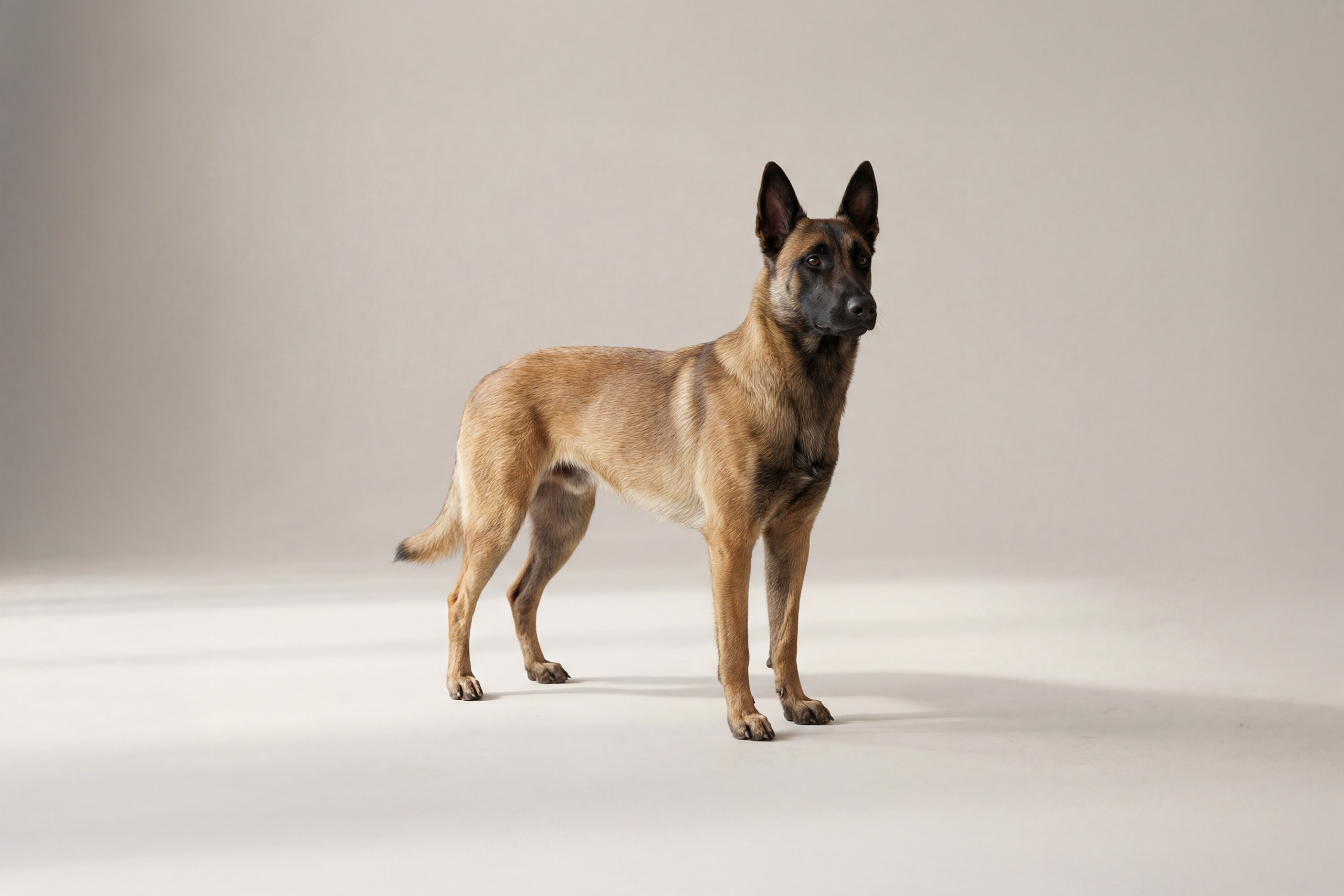
Belgian Malinois
Both are highly intelligent working dogs. Malinois are more intense, faster, and higher energy. German Shepherds are more adaptable and better suited to family life.
Read more about Belgian MalinoisBelgian Tervuren
Both are versatile, intelligent herding breeds. Tervurens are more sensitive and elegant. German Shepherds are more widely used in working roles and better known as protection dogs.
Read more about Belgian Tervuren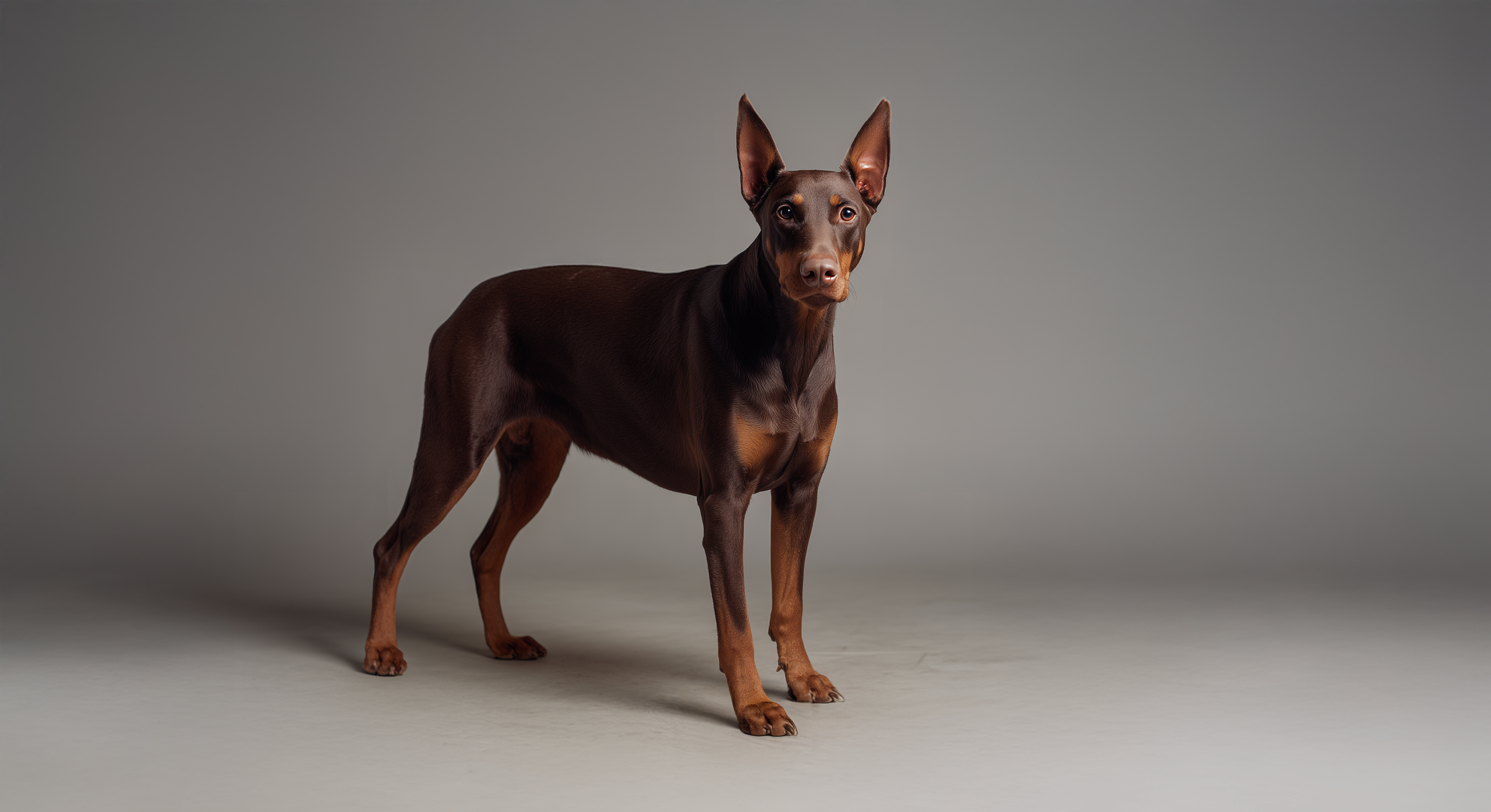
Doberman Pinscher
Both are intelligent, protective breeds. Dobermans are sleeker, faster, and more sensitive. German Shepherds are more versatile, better in cold weather, and more widely used in working roles.
Read more about Doberman Pinscher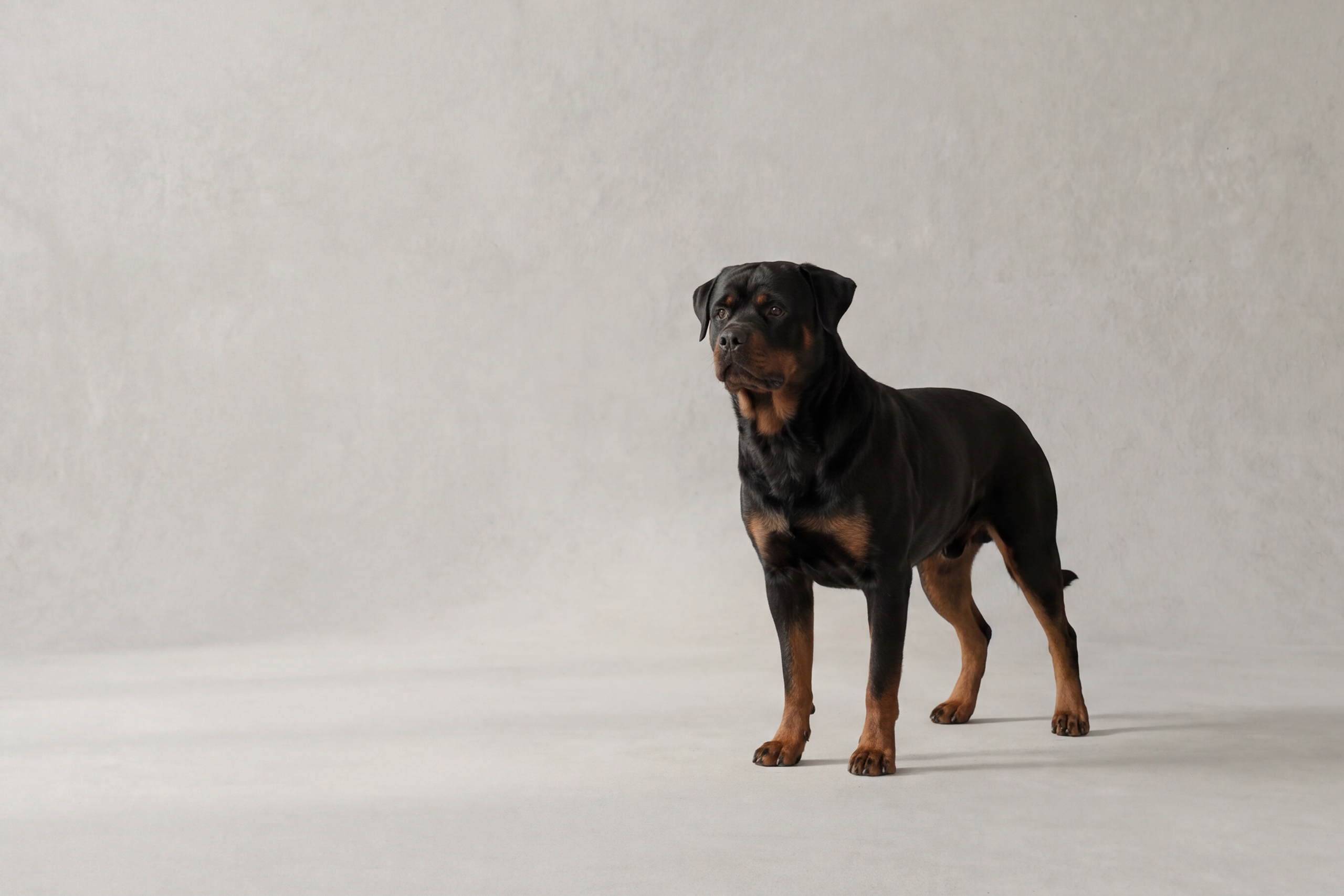
Rottweiler
Both are loyal, protective working breeds. Rottweilers are more powerful and stubborn. German Shepherds are more agile, easier to train, and more versatile across working roles.
Read more about Rottweiler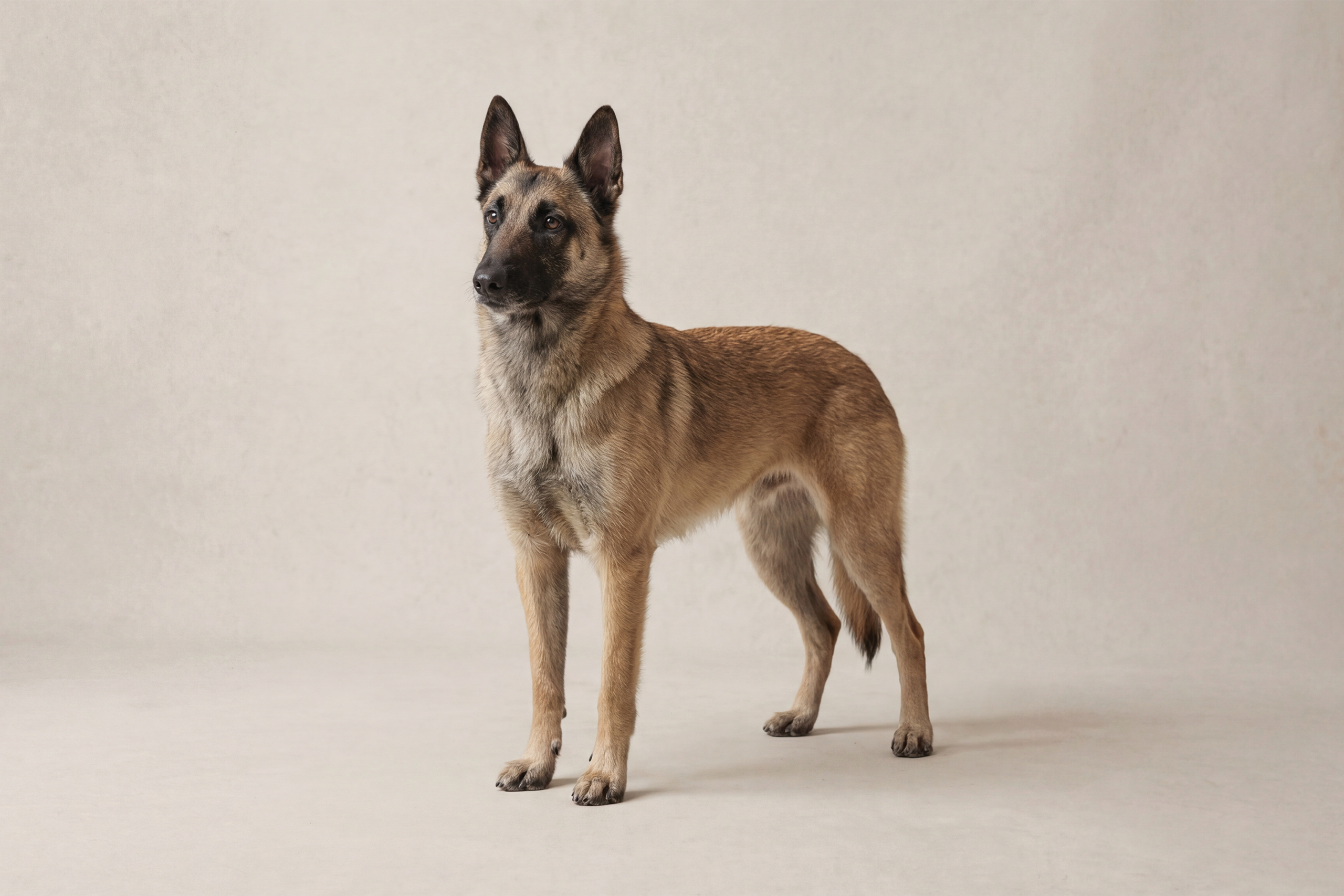
Belgian Shepherd
Both are intelligent, active herding breeds. Belgian Shepherds are more sensitive and agile. German Shepherds are more widely recognized, easier to find, and better suited to families.
Read more about Belgian ShepherdIs a German Shepherd right for you?
German Shepherds reward the right owner with a loyal, deeply bonded companion who will give everything for the right owner and an intelligence and capability that few breeds can match. They just need consistent training, confident leadership, and at least 1 to 2 hours of daily physical and mental exercise in return. If you’re ready for that, you’re ready for a German Shepherd. Make sure they’re protected from day one.
A few quick words, because we <3 our lawyers: This post is general in nature, and any statement in it doesn’t alter the terms, conditions, exclusions, or limitations of the policies issued, which differ according to your state of residence. You’re encouraged to discuss your specific circumstances with your own professional advisors. The purpose of this post is merely to provide you with info and insights you can use to make such discussions more productive! Naturally, all comments by, or references to, third parties represent their own views, and Lemonade assumes no responsibility for them. Coverage may not be available in all states. Please note that statements about coverages, policy management, claims processes, Giveback, and customer support apply to policies underwritten by Lemonade Insurance Company or Metromile Insurance Company, a Lemonade company, sold by Lemonade Insurance Agency, LLC. The statements do not apply to policies underwritten by other carriers.
Insurance claim data is based on Lemonade pet insurance claims that were settled and paid in 2025.
Average insurance premium data is based on Lemonade’s internal data and reflects the average premium over the last 12 complete months, accurate as of June 2026.
Top pet names are sourced from Lemonade’s database of pet names associated with submitted quotes and purchased policies.
Top states for each breed are based on the number of active Lemonade pet insurance policies for that breed in each state as of June 2026.