
Norwegian Forest Cat Pet Insurance
Independent, adventurous, and built for the long haul: with a health profile to match.

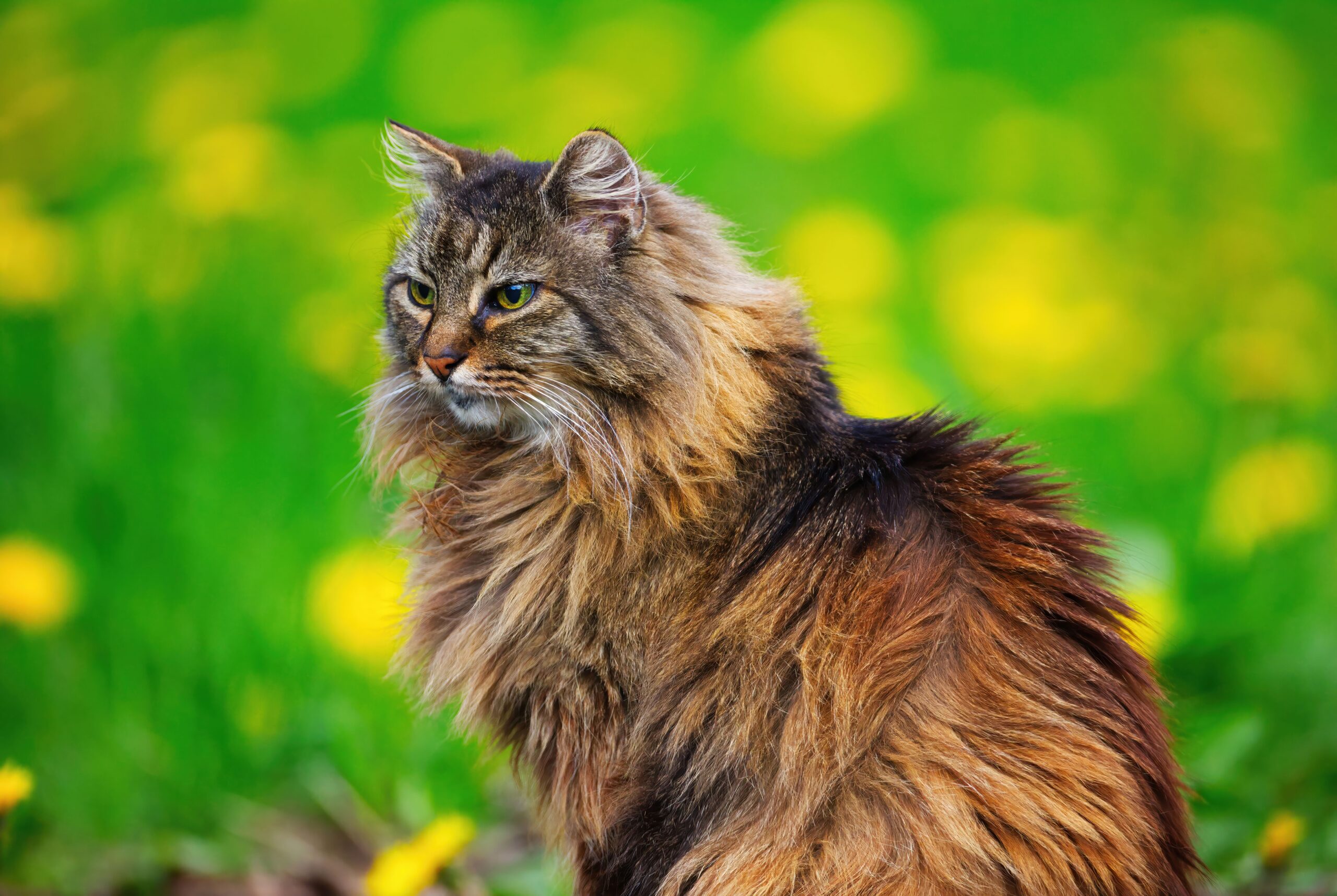
Independent, adventurous, and built for the long haul: with a health profile to match.
Norwegian Forest Cats are confident, self-sufficient, and not the type to ask for much. They’ll explore on their own terms, come to you when they’re ready, and reward patience with a quiet, steady loyalty that’s genuinely special. What they do share with every other breed is a body that can surprise you with a vet bill, and with a lifespan of 14 to 16 years and a known predisposition to heart disease, hip dysplasia, and kidney conditions, having the right coverage in place matters more than most owners expect.
 TL;DR
TL;DR
Norwegian Forest Cats are hardy, naturally developed cats with centuries of survival in their genetics. But hardiness doesn’t mean immunity. This is a breed with a handful of well-documented predispositions, including one, glycogen storage disease, that is unique to the Norwegian Forest Cat among all cat breeds. None of these conditions are guaranteed, but all of them are worth knowing about before a vet visit catches you off guard.
HCM thickens the heart muscle, making it harder to pump blood. Norwegian Forest Cats have a known predisposition, so regular cardiac screening should be part of their routine care.
Learn more about HCMHip dysplasia occurs when the hip joint doesn't form correctly, leading to arthritis and pain over time. Norwegian Forest Cats can be predisposed, so watch for changes in mobility.
Learn more about hip dysplasiaGSD IV is a rare inherited metabolic disorder affecting how the body stores glycogen. Norwegian Forest Cats are the only known breed with a significant predisposition to this condition.
Learn more about GSD IVCKD causes the kidneys to lose their ability to filter waste over time. Norwegian Forest Cats can be predisposed as they age, and routine bloodwork is the best way to catch it early.
Learn more about CKDYour vet will likely recommend a complete blood count, biochemistry profile, urinalysis, and FIV/FeLV screening at your Norwegian Forest Cat’s annual checkup. For this breed specifically, it’s worth asking about a DNA test for glycogen storage disease. GSD IV is unique to this breed, and identifying carriers early is the most effective way to get ahead of it.
The numbers below aren’t projections. They’re what Norwegian Forest Cat owners actually filed and got back last year.
Behind each of those numbers is a Norwegian Forest Cat owner who had a plan in place when an unexpected accident or illness struck. Here’s what that can look like in practice.
Freya, a 5-year-old Norwegian Forest Cat, had been slower on the stairs than usual. Her owner assumed she was just being lazy. A vet visit and X-rays confirmed hip dysplasia, with early arthritic changes in both hips. A specialist consultation and pain management plan later, the bill came to $980.
With a $250 deductible, 80% co-insurance, and a $20,000 annual limit:
With the deductible now met for the year, every eligible claim that follows gets the full 80%.
Freya starts sneezing frequently and develops a runny nose. A vet visit confirms an upper respiratory infection. A course of antibiotics and supportive care later, the bill comes to $280.
With the deductible already met:
Two claims. One cat. One year. Without coverage: $1,260 out of pocket. With Lemonade: $502.
Freya is moving better and breathing easy, by the way.
You’ve seen the risks. You’ve seen what a couple of claims in a single year can look like. Here’s how to build a plan around your cat.
Every Lemonade policy starts with accident and illness coverage as the base. That means diagnostics, medications, and treatments for unexpected accidents and illnesses that aren’t pre-existing and occur after your waiting periods have passed. Waiting periods are the short windows between when your policy starts and when coverage kicks in, just long enough to make sure a condition is genuinely new.
From there, you set your deductible, co-insurance, and annual limit. Your co-insurance is the percentage Lemonade covers of each eligible vet bill. Your deductible is what you pay before reimbursement kicks in. Your annual limit is the most Lemonade will pay out in a policy year. You saw how those three numbers work together in Freya’s story.
Once your base is set, add what makes sense for your Norwegian Forest Cat and skip what doesn’t.
Norwegian Forest Cats are predisposed to conditions that develop quietly over time, from heart disease to kidney decline. Staying consistent with annual exams, bloodwork, and cardiac screening is how you catch them early. A routine care package reimburses you for the preventive visits and tests you’re already doing.
What’s available varies depending on where you live, so the easiest way to see your options is to get a quote.
When your Norwegian Forest Cat sees a vet for an accident or illness, there are typically two costs: the actual treatment, and the exam fee your vet charges for their time. Your base policy covers the treatment. Without this add-on, that exam fee comes straight out of pocket.
Remember Freya’s hip dysplasia visit? That $980 bill included an $85 exam fee. Here’s what the reimbursement looks like with and without the add-on:
| Without visit fee add-on | With visit fee add-on | |
|---|---|---|
| Eligible amount | $895 | $980 |
| Apply co-insurance (80%) | $716 | $784 |
| Subtract deductible ($250) | $466 | $534 |
| You pay | $514 | $446 |
That’s $68 more back in your pocket on a single visit. It’s a small difference on its own, but it can really add up if your cat needs ongoing or repeat care.
This add-on is subject to your base policy’s co-insurance and deductible, and covers exam fees for accident and illness visits only. It doesn’t apply to annual wellness exams, routine preventive care, or anything related to a pre-existing condition.
Your base policy covers diagnostics and treatment when something goes wrong. This add-on picks up where that leaves off, covering rehabilitation and physical therapy for functionality issues that result from an unexpected accident or illness. For Norwegian Forest Cats, this one is particularly worth considering. Hip dysplasia is a known risk for this breed, and structured physical therapy can make a meaningful difference in managing pain, maintaining mobility, and slowing the progression of arthritis over time.
Freya’s hip dysplasia diagnosis came with a recommendation for ongoing physical therapy to keep her joints moving comfortably. Her base policy covered the diagnostics and initial treatment. Here’s what happens to the rehabilitation bill with and without the add-on:
| Initial treatment | PT without add-on | PT with add-on | |
|---|---|---|---|
| Eligible amount | $980 | $0 (PT not covered) | $650 |
| Apply co-insurance (80%) | $784 | N/A | $520 |
| Subtract deductible ($250) | $534 | N/A | Already met |
| You pay | $446 | $650 | $130 |
That’s a $520 difference, just on the recovery. The add-on doesn’t cover alternative treatments like CBD or aromatherapy, or anything related to a pre-existing condition.
Norwegian Forest Cats can develop dental disease gradually over time, and it’s one of those things that’s easy to overlook until it becomes painful and expensive. Lemonade offers two dental add-on options depending on where you live.
Dental illness: Covers treatments, procedures, diagnostics, and medications for dental illness, including extractions, dental surgeries, and conditions like gingivitis and periodontal disease. Subject to your policy’s co-insurance and deductible, with a $1,000 annual limit. Routine cleanings aren’t included here, but may be available through a preventive care package depending on your state.
Dental care: Everything in dental illness, plus routine dental cleanings. Pre-existing dental conditions are covered under this option, and no deductible applies. Also comes with a $1,000 annual limit, and is available to add if your Norwegian Forest Cat is between 0 to 3 years old.
Norwegian Forest Cats are independent by nature, but independence isn’t the same as indifference. This is a breed that forms deep bonds on its own terms, and when its environment changes significantly, the response can be subtle and easy to miss. A Norwegian Forest Cat that’s become more withdrawn than usual or has stopped engaging with its surroundings may be signaling something worth investigating.
This add-on covers diagnostics, vet-recommended treatments, and medications for eligible behavioral conditions, including therapy sessions and specialized training for separation anxiety, phobias, and destructive or aggressive behaviors. Treatment must be administered by a vet or licensed behaviorist, and it’s subject to your base policy’s co-insurance and deductible, with a separate $1,000 annual limit.
General obedience training, pre-existing behavioral conditions, alternative treatments like CBD, and property damage aren’t covered. Visit fees for behavioral appointments fall under the base policy for those with the visit fee add-on.
Nobody wants to think about this one. But losing a pet is one of the hardest things a pet parent goes through, and the practical decisions that come with it shouldn’t have to be made under financial pressure in an already devastating moment.
This add-on covers vet-recommended euthanasia, cremation, and commemorative items, like an urn, framed paw prints, digital photo storage, or even a tattoo. It’s not subject to your base policy’s co-insurance or deductible, has an up to $500 limit, and still provides coverage if euthanasia is vet-recommended as the result of a pre-existing condition.
Funeral or burial costs and preservation services aren’t covered, and like most add-ons, it’s subject to a waiting period that varies by state.
Norwegian Forest Cats live 14 to 16 years and become a quiet, steady presence in daily life. This add-on won’t make that day easier. But it can make it a little less complicated.
The cost of your premium is personal. It depends on your cat’s age, your location, and what add-ons you select. That said, here’s a realistic look at what other Norwegian Forest Cat owners pay with Lemonade:
| Age | Average monthly premium |
|---|---|
| 1 year old | $20–$25 |
| 2 years old | $20–$25 |
| 3 years old | $20–$25 |
| 4 years old | $20–$25 |
| 5 years old | $25–$30 |
| 6 years old | $30–$35 |
| 7 years old | $35–$40 |
Every pet insurance provider covers the basics, but Norwegian Forest Cats have a specific set of needs that go beyond the basics. A breed with a unique predisposition to glycogen storage disease, on top of heart disease, hip dysplasia, and kidney conditions, needs a plan that’s built around their actual health profile.
With Lemonade, you’re not choosing from a fixed menu. You’re building a plan around your cat’s actual risk profile, adding physical therapy coverage for a breed with known joint vulnerabilities, included cardiac illness coverage for a breed predisposed to heart conditions, and routine vet care to stay ahead of conditions that can develop quietly over a long lifespan. And when you do need to file a claim, you can do it in the app in minutes.
Don’t just take our word for it. Here’s how we stack up:



The Norwegian Forest Cat, known in Norway as the Norsk Skogkatt, is a natural breed whose ancestors have lived in the Scandinavian forests for thousands of years. Norse mythology references large, longhaired cats, and the breed is widely believed to be the cat described in the legends of the Norse goddess Freya, whose chariot was pulled by two giant cats. Norwegian Forest Cats likely developed their thick, water-resistant double coats, tufted ears, and strong climbing ability through centuries of natural selection in the cold Scandinavian climate. The breed was first exhibited at a cat show in Oslo in 1938 but nearly disappeared during World War II. A dedicated breeding program was established in Norway in the 1970s to preserve the breed, and the first Norwegian Forest Cats arrived in the United States in 1979.
Norwegian Forest Cats are curious, independent, and quietly devoted on their own terms. They won’t follow you from room to room or demand your attention, but they’ll always know where you are and show up when it suits them. They’re confident explorers who need vertical space, regular grooming, and an owner who respects a cat’s need for autonomy. The flip side of that independence is that they can become restless and start exploring places in your home you’d rather they didn’t if they’re not getting enough stimulation. A large cat tree, regular interactive play, and a consistent routine go a long way. This is a breed that rewards patience with a bond that’s quieter than most, but no less real.
Norwegian Forest Cats are independent, adventurous, and genuinely one of a kind. They’re also a breed with real health considerations that are worth getting ahead of. Whether you’re already living with one or still thinking about it, the right coverage means you can focus on earning that trust, not worrying about the bills.
For most owners, yes. Norwegian Forest Cats are predisposed to hip dysplasia, heart disease, and a metabolic condition unique to this breed, all of which can be expensive to diagnose and manage over time. Lemonade paid out $262K in Norwegian Forest Cat claims last year, with an average payout of $479 per claim. Having coverage in place before something goes wrong makes a real financial difference.
Norwegian Forest Cats are commonly predisposed to hypertrophic cardiomyopathy, hip dysplasia, glycogen storage disease type IV, and chronic kidney disease. GSD IV is particularly notable, as Norwegian Forest Cats are the only known breed with a significant predisposition to this condition.
As early as possible. Conditions that develop after your policy is active and waiting periods have passed are eligible for coverage. Conditions that exist before you enroll are considered pre-existing and won’t be covered. Getting a plan in place before any health issues arise gives your Norwegian Forest Cat the broadest possible coverage.
Yes, as long as the condition isn’t pre-existing and develops after your waiting periods have passed. That includes conditions Norwegian Forest Cats are prone to, like HCM, hip dysplasia, and GSD IV. Your base policy covers diagnostics, medications, and treatments, and add-ons let you extend that coverage to physical therapy, dental illness, and more.
Yes, but keep in mind that any conditions already present before your policy starts won’t be eligible for coverage. Premiums do increase with age, but coverage at any age can still make a meaningful difference on vet bills.
A few quick words, because we <3 our lawyers: This post is general in nature, and any statement in it doesn’t alter the terms, conditions, exclusions, or limitations of the policies issued, which differ according to your state of residence. You’re encouraged to discuss your specific circumstances with your own professional advisors. The purpose of this post is merely to provide you with info and insights you can use to make such discussions more productive! Naturally, all comments by, or references to, third parties represent their own views, and Lemonade assumes no responsibility for them. Coverage may not be available in all states. Please note that statements about coverages, policy management, claims processes, Giveback, and customer support apply to policies underwritten by Lemonade Insurance Company or Metromile Insurance Company, a Lemonade company, sold by Lemonade Insurance Agency, LLC. The statements do not apply to policies underwritten by other carriers. Insurance claim data figures reflect approved accident and illness claims filed by Lemonade Pet policyholders over the trailing 12 months as of June 2026. They are averages across Lemonade’s insured population for this breed, not predictions of future claims or reimbursement for any individual pet. Actual payouts depend on your policy’s limit, deductible, co-insurance, waiting periods, and exclusions, and may not reflect the broader breed population or other insurers’ experience. Average insurance premium data is based on Lemonade’s internal data and reflects the average premium over the last 12 complete months, accurate as of June 2026.
Please note: Lemonade articles and other editorial content are meant for educational purposes only, and should not be relied upon instead of professional legal, insurance or financial advice. The content of these educational articles does not alter the terms, conditions, exclusions, or limitations of policies issued by Lemonade, which differ according to your state of residence. While we regularly review previously published content to ensure it is accurate and up-to-date, there may be instances in which legal conditions or policy details have changed since publication. Any hypothetical examples used in Lemonade editorial content are purely expositional. Hypothetical examples do not alter or bind Lemonade to any application of your insurance policy to the particular facts and circumstances of any actual claim.