
Apartment Vandalized and No Renters Insurance? 5 Steps to Take Right Now
Everything you need to know about vandalism, and what to do when you're not covered.

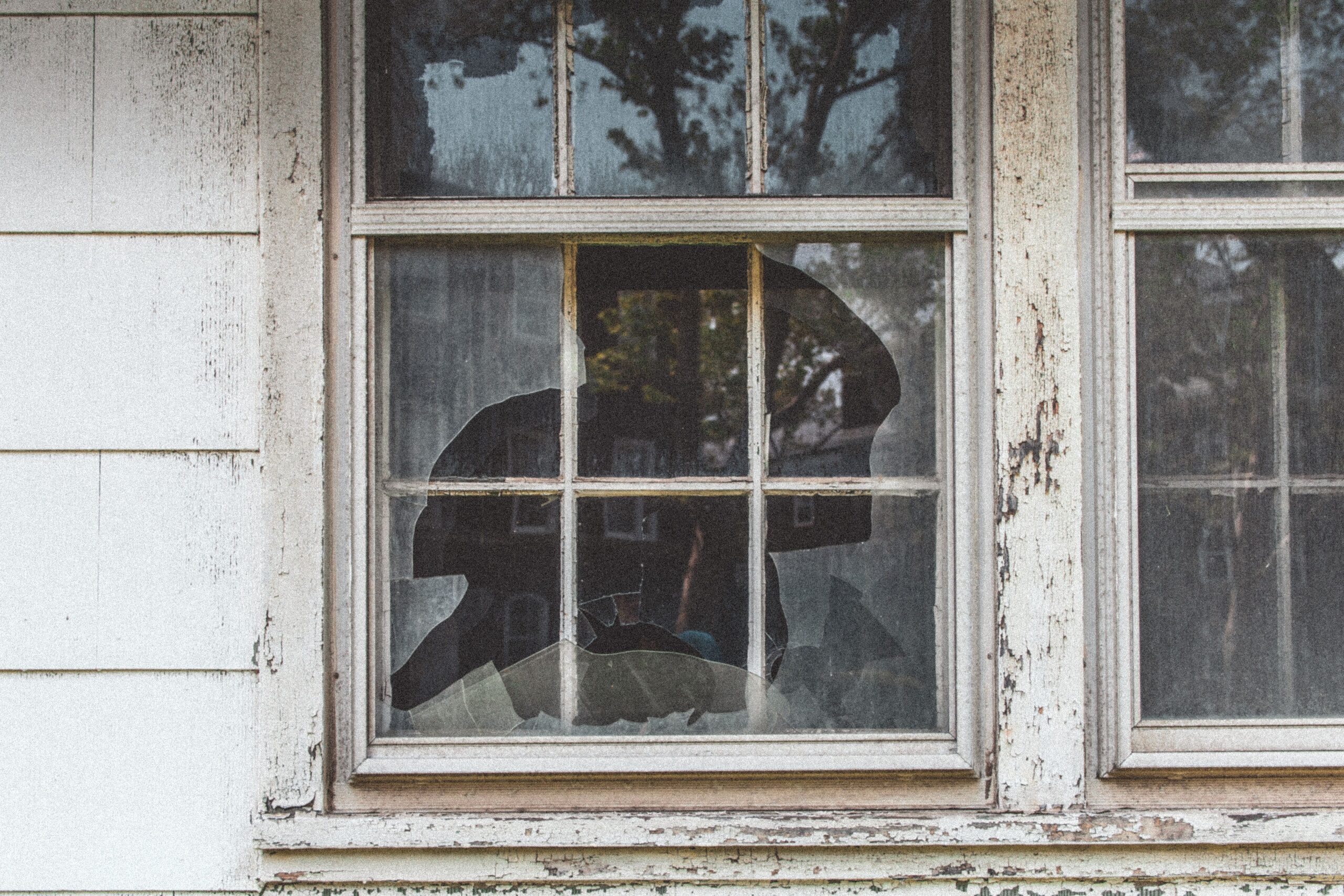
Everything you need to know about vandalism, and what to do when you're not covered.
Call the police before you touch anything. Document every inch of the damage while it’s still intact. Notify your landlord in writing today.
That’s the short version. If you have a few more minutes, this guide covers who’s actually responsible for the damage, what you’re probably on the hook for, and how to protect yourself when there’s no policy to fall back on.
 TL;DR
TL;DR
If your apartment was just vandalized, these steps in the first hour protect your evidence, your legal options, and your financial recovery.
File the report the same day. Give the responding officer as much detail as you can: what was damaged, what was taken, when you think it happened, and whether you saw or heard anything. Ask for the case number before they leave. You’ll need it for everything that follows.
If the responding officer can’t give you a copy on the spot, ask how to request one. Most departments let you request a copy online or in person within a few days. Keep that report somewhere safe.
⚠️Stop. Don’t clean up, board anything, or move a single item yet.
The broken glass, damaged locks, graffiti, and destroyed belongings are evidence. A police officer, adjuster, or attorney needs to see it first. Once it’s cleaned up, it’s gone, and so is your proof.
Good vandalism documentation includes:
Back up everything to cloud storage immediately. If your phone gets lost or damaged, you don’t want to lose your only documentation.
Call or text your landlord to let them know what happened, but follow up with an email or written notice the same day. Put the date, a description of the damage, and your request for repairs in writing. This creates a paper trail, which matters a lot if repairs are slow or you later need to make a negligence argument.
Contact building management in writing and ask them to preserve any camera footage from the time of the vandalism. Most systems overwrite footage within 24 to 72 hours. Once it’s gone, it’s gone, and that footage may be the only evidence that establishes how the vandalism occurred and whether a building security failure played a role.
Boarding materials, a temporary lock, a hotel night if the unit feels unsafe. Save every receipt. If landlord negligence is ever disputed, this paper trail is your evidence. If you pursue a claim later, documented expenses are what get you paid.
Here’s who to reach out to:
Here’s the honest answer: it depends on what was damaged.
Your landlord is legally responsible for maintaining the structure and security of the building. That means they’re on the hook for broken windows, damaged or broken doors and door frames, compromised locks and deadbolts, building entry points, and graffiti on exterior walls or common areas.
These repairs need to happen promptly. A unit with a broken window or non-functional lock may be considered uninhabitable. If your landlord drags their feet and the unit is genuinely unsafe, you may have grounds to request rent abatement. Put that request in writing.
Your furniture, electronics, clothing, jewelry, and other personal belongings are your responsibility, not your landlord’s. If someone smashed your TV, slashed your couch, or spray-painted your bedroom walls from the inside, those costs fall on you. Without renters insurance, you’re paying out of pocket.
If you reported security problems to your landlord in writing before the vandalism happened, such as a broken lock, a busted entry gate, or poor lighting in the parking lot, and your landlord didn’t fix them, you may have a legitimate negligence argument. That doesn’t guarantee reimbursement, but it significantly strengthens your case.
Strong examples of prior written notice include:
Without prior written complaints, a negligence argument is much harder to make. This is a lesson most renters learn the hard way: always document security concerns in writing, and keep copies of every communication.
Pro tip: Most renters assume their landlord’s insurance has them covered. It doesn’t.
Your landlord’s policy protects their investment: the walls, the doors, the building’s structure. It does not cover your laptop, your TV, your furniture, or any other personal property that was damaged or destroyed. That’s not a loophole. It’s just how property insurance works. Only a renters insurance policy covers your stuff if vandalized.
Did You Know?
Vandalism is one of the most common claims Lemonade renters file. The average payout for this type of claim is $319.59 (Based on Lemonade internal claims data from 2026)
Here is a realistic breakdown of what apartment vandalism repair costs typically look like out of pocket:
| Expense | Without renters insurance | With renters insurance |
|---|---|---|
| Smashed TV | ~$500 to $1,500+ | Covered under Personal Property |
| Damaged or destroyed laptop | ~$800 to $2,000+ | Covered under Personal Property |
| Slashed furniture (couch, bed frame) | ~$300 to $1,500+ | Covered under Personal Property |
| Spray-painted or ruined clothing | ~$100 to $500+ | Covered under Personal Property |
| Emergency hotel stay (if uninhabitable) | ~$150 to $300/night | Covered under Loss of Use |
| Legal fees (if liability disputed) | $300+/hr | $0 |
| Total | ~$800 to $3,500+ | Your deductible only (up to policy limits) |
That’s a lot of money to spend on something a policy starting from $5/month would have covered.
Note: Structural repairs (broken windows, damaged doors, locks, and graffiti removal) are your landlord’s responsibility to fix. The costs below reflect damage to your personal property, which renters insurance is specifically designed to cover.
If your landlord is found negligent, their insurer will likely pay out Actual Cash Value (ACV), meaning what your items are worth today, not what it costs to replace them.
ACV reflects depreciation. A TV you paid $800 for two years ago might pay out around $250. The rest is yours to cover.
Here’s what that gap looks like in practice:
| Item | What you paid | What ACV pays out | Your out-of-pocket gap |
|---|---|---|---|
| Laptop | $1,200 | ~$400 | ~$800 |
| TV | $800 | ~$250 | ~$550 |
| Sofa | $1,000 | ~$350 | ~$650 |
| Total | $3,000 | ~$1,000 | ~$2,000 |
The gap between those columns is yours to cover. Renters insurance with replacement cost coverage closes it entirely.
If you’re facing out-of-pocket losses with no coverage to fall back on, here’s what you can do:
📍 Check your state, your rights may be stronger than you think. Tenant protections vary a lot depending on where you live.
While you can’t always stop an act of vandalism, you can significantly reduce your financial exposure:
The single most effective thing you can do, though, is get covered before something happens. Every line on that cost table above, your laptop, your TV, your furniture, even temporary housing, is exactly what a renters policy exists to handle.
The police report and initial documentation can be completed same-day. Structural repairs, broken windows, locks, and doors, typically take a few days to a week once the landlord acts. Personal property replacement takes as long as it takes to afford it without coverage.
If you’re pursuing a landlord negligence claim, resolution can take months. Small claims court adds more time on top of that. The earlier you document and act, the shorter the timeline on every front.
Getting your apartment vandalized is stressful, disorienting, and expensive, especially without insurance. But working through it methodically makes a real difference.
Going forward, a renters insurance policy is the simplest way to make sure a situation like this doesn’t cost you thousands out of pocket again. Vandalism is a named peril under most standard policies, meaning it’s specifically covered. A quote takes as little as 90 seconds. And if something like this ever happens again, you won’t be facing it alone.
Your landlord is responsible for structural damage: broken windows, damaged doors, compromised locks, and graffiti on building exteriors or common areas. Your personal belongings inside the unit are your responsibility. The only exception is if landlord negligence, such as ignoring a reported security failure, enabled the vandalism.
Yes. Vandalism is a named peril under most standard renters insurance policies. That means your damaged personal property, furniture, electronics, clothing, and other belongings, is covered up to your policy limit, minus your deductible.
Yes. A police report number is required for any insurance claim, civil process, or landlord dispute. File it the same day and keep the report number somewhere safe.
If a specific person is responsible, you have a legal claim against them personally. Small claims court is often the right venue for amounts under your state’s threshold. You’ll need your police report, documentation of the damage, and any evidence connecting that person to the incident.
In some states, yes. If the damage creates a genuine habitability issue and your landlord refuses to act after written notice, some states allow rent withholding or repair-and-deduct remedies. This is very state-specific. Contact a local tenant rights organization before taking any action.
ACV (Actual Cash Value) pays what your item was worth at the time of the loss, after depreciation. A TV you paid $800 for two years ago might pay out $250. Replacement cost coverage pays what it actually costs to buy the same item new today. If you’re shopping for renters insurance, replacement cost coverage is worth the slightly higher premium.
A few quick words, because we <3 our lawyers: This post is general in nature, and any statement in it doesn’t alter the terms, conditions, exclusions, or limitations of the policies issued, which differ according to your state of residence. You’re encouraged to discuss your specific circumstances with your own professional advisors. The purpose of this post is merely to provide you with info and insights you can use to make such discussions more productive! Naturally, all comments by, or references to, third parties represent their own views, and Lemonade assumes no responsibility for them. Coverage may not be available in all states. Please note that statements about coverages, policy management, claims processes, Giveback, and customer support apply to policies underwritten by Lemonade Insurance Company or Metromile Insurance Company, a Lemonade company, sold by Lemonade Insurance Agency, LLC. The statements do not apply to policies underwritten by other carriers.
Please note: Lemonade articles and other editorial content are meant for educational purposes only, and should not be relied upon instead of professional legal, insurance or financial advice. The content of these educational articles does not alter the terms, conditions, exclusions, or limitations of policies issued by Lemonade, which differ according to your state of residence. While we regularly review previously published content to ensure it is accurate and up-to-date, there may be instances in which legal conditions or policy details have changed since publication. Any hypothetical examples used in Lemonade editorial content are purely expositional. Hypothetical examples do not alter or bind Lemonade to any application of your insurance policy to the particular facts and circumstances of any actual claim.