
Moving to Dallas, TX: A Renter's Real Guide
The practical realities a renter actually needs to know before settling into Dallas.

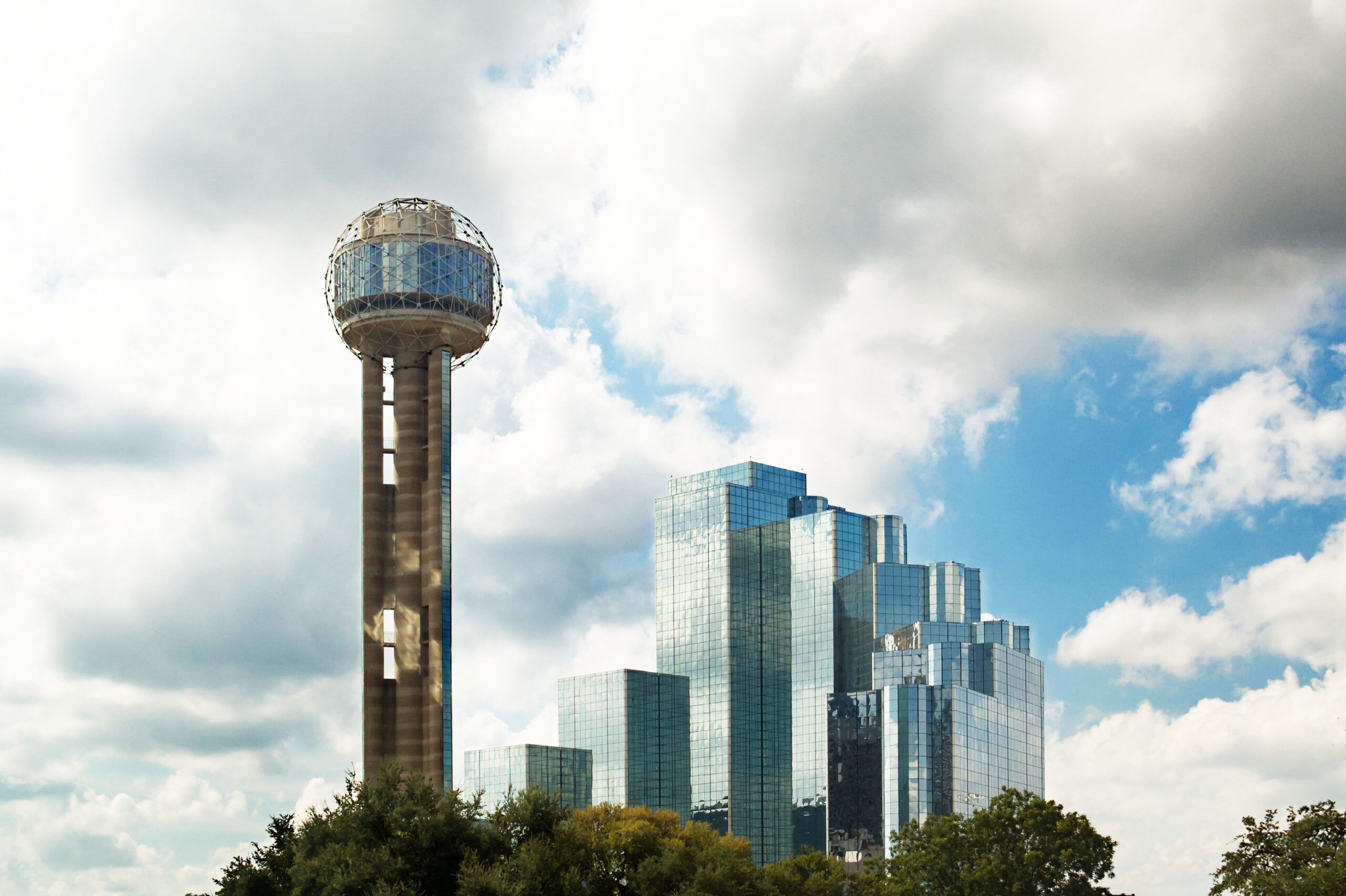
The practical realities a renter actually needs to know before settling into Dallas.
You’ve signed the lease. Dallas is happening. Before you load the truck, there are things worth knowing that no apartment listing will tell you: how much cash you actually need before you get the keys, which freeways will define your daily life, what a Dallas summer does to your electricity bill, and what state law does and doesn’t protect you from as a renter.
Here’s everything else you need to know about settling into Dallas.
 TL;DR
TL;DR
Dallas is a sprawling, business-driven metroplex with distinct pockets of walkability: Downtown, Uptown, Deep Ellum, and Lakewood are the neighborhoods where you don’t need a car for daily life. Everywhere else requires one. The city’s economy is anchored in oil, tech, and finance, which shapes the culture: professional, forward-looking, with strong residential neighborhoods organized by price point as much as by character.
The weather is the defining feature. Summers are long, hot, and relentless (May through September regularly exceeds 100°F), but winters are short and mild with occasional hard freezes (February 2021 was brutal; pipes burst citywide).The cultural diversity has grown significantly. Vietnamese, Latino, Indian, and African-American communities shape neighborhoods like Farmers Branch, Oak Cliff, and Fair Park.
💡 Did You Know?
Dallas has no city income tax. Combined with Texas having no state income tax, it’s one of the most tax-friendly major cities in the country. That advantage often gets priced into rent and home values, especially in central neighborhoods.
You need a car for nearly all of Dallas. DART (Dallas Area Rapid Transit) runs buses and a light rail system, but coverage is sparse outside downtown and limited to specific corridors (Red, Blue, Green, Orange, and Silver Lines). For renters outside Downtown or Uptown, transit is not a viable commute option.
| Option | What it covers | Best for |
|---|---|---|
| DART Rail | Downtown, Uptown, and select suburbs across five lines | Downtown workers only |
| DART Bus | Broader coverage but slow and infrequent | Inner-city errands without a car |
| Car / Rideshare | Everywhere else | The vast majority of Dallas renters |
Highways to know: I-35E and I-35W fork north of downtown and merge south, creating predictable gridlock. I-635 (LBJ Freeway) and the Dallas North Tollway are your primary north-south routes. LBJ is perpetually under construction, so budget time for it.
For toll roads, use TxTag (TxDOT) or NTTA (North Texas Tollway Authority). Plate-based billing is significantly more expensive, so get a tag before you start driving.
The U.S. Census puts Dallas’s average commute around 28 minutes, but that number is measured off-peak. Budget 45–60 minutes during actual rush hours (7–9am, 4–6pm) depending on which freeway you’re on.
Pro Tip:
Uptown and Deep Ellum are genuinely walkable with pedestrian-friendly infrastructure. Lakewood and White Rock Lake have strong biking networks. For everywhere else, a car is non-negotiable.
Dallas weather is extreme in summer, mild in winter, and occasionally dangerous during polar vortex events.
| Season | What to expect | What to prepare for your apartment |
|---|---|---|
| Summer (May–Sep) | 95–105°F, afternoon thunderstorms rolling through regularly | Check the A/C unit before signing any lease; budget $150–$250/month for electricity during peak months |
| Fall (Oct–Nov) | 60–80°F, generally calm | Best time to move |
| Winter (Dec–Feb) | Generally mild (45–65°F), but hard freezes do happen and the city handles them poorly | Know where your water shutoff valve is; burst pipes are a real risk |
| Spring (Mar–Apr) | 70–80°F, severe thunderstorms and frequent hail | Check your apartment’s drainage situation and ask about past flooding before you sign |
💡Did You Know?
As of 2026, nearly 1 in 4 property loss claims (24.8%) filed by Lemonade renters in Dallas are weather-driven. (Based on Lemonade internal claims data, 2026)
Dallas is moderately priced for a major city, but upfront costs add up quickly.
| Fee | Typical cost | Notes |
|---|---|---|
| First month’s rent | $1,306 (1BR avg) | Due at signing |
| Security deposit | Usually 1 month’s rent | No statutory cap in Texas |
| Application fee | $50–$150 | Non-refundable |
| Pet deposit | $200–$500 | Plus a monthly pet fee in many buildings |
| Electricity deposit | $100–$200 | Required by many providers |
Income to qualify: Most Dallas landlords require 2.5x to 3x monthly rent in gross income. On a $1,300/month apartment, that means showing around 3,250-3,900/month.
💡 Did You Know?
As of 2026, renters insurance in Dallas averages around $15–$20 per month with Lemonade– see our Dallas renters insurance guide.
Dallas renters rely primarily on the statewide Texas Property Code, Title 8, Chapters 91–94. The City of Dallas adds one protection worth knowing: landlords cannot increase rent or reduce services in response to a formal complaint.
Moving to Dallas from another state? Read our complete Texas Relocation Guide for DMV registration deadlines, state tax rules, and statewide tenant laws.
Pro Tip:
Send your repair requests by email and screenshot the sent message. Texas courts recognize timestamped written communications as valid notice under § 92.056. Verbal complaints are your word against theirs.
Dallas is in the deregulated electricity market, meaning you choose your own provider. Use PowerToChoose.org, the official state comparison tool run by the Public Utility Commission of Texas, to find a fixed-rate plan before your move-in date. Don’t wait until after you arrive; some providers take 2–3 business days to activate service. Variable-rate plans spike badly during summer heat waves, so lock in a fixed rate before you sign up. Water and gas are typically handled through City of Dallas utility billing or your building management. See our guide on how to set up utilities for the full walkthrough.
Get USPS mail forwarding set up before you move, then work through the rest: employer, bank, IRS, and subscriptions.
Cross-state insurance reality check: Moving to Dallas from another state means canceling your old policy and starting a new one, not just updating your address. Time the new policy to start the same day the old one ends so you don’t have even a single night without coverage.
Cross-state moves to Dallas almost always mean hiring long-distance movers or renting a truck, and summer is peak season so book early. High-rise buildings in Uptown and Downtown will require elevator reservations and a Certificate of Insurance from your moving company, so confirm with your building management at least two weeks out. Before moving day, run through our moving checklist and understand what moving insurance actually covers.
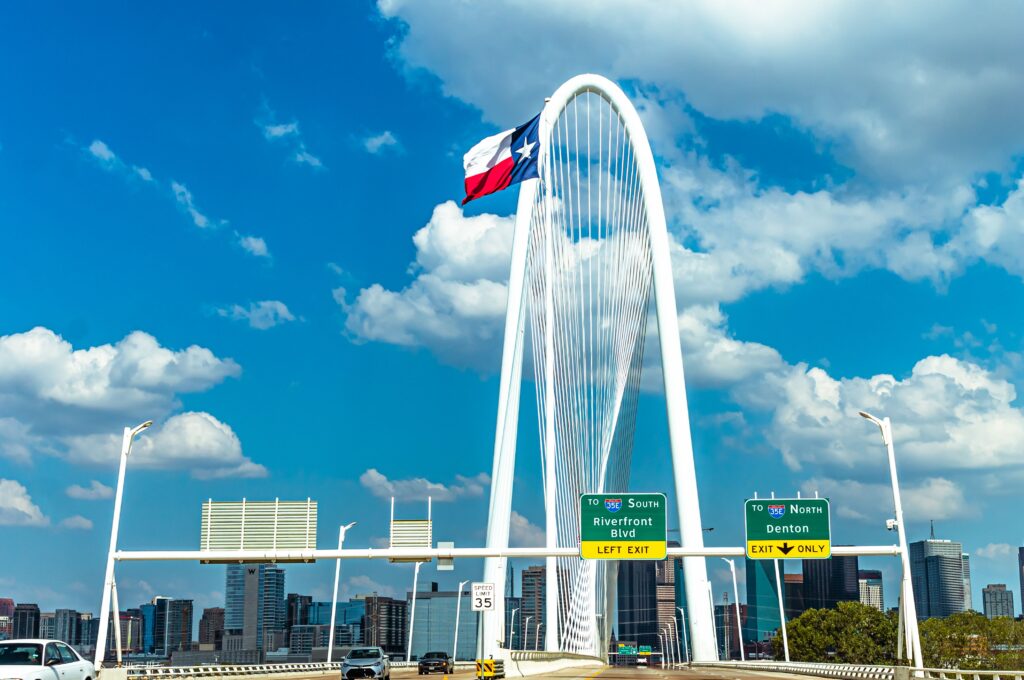
Dallas neighborhoods vary enormously. Here’s a practical breakdown by lifestyle fit.
| Neighborhood / Area | Character & vibe | Best for |
|---|---|---|
| Uptown | Dense, walkable, packed with restaurants and nightlife | Young professionals, students, and creatives who want to live close to where they work and go out |
| Deep Ellum | Arts-focused, eclectic, vintage cool; rents are lower than Uptown | Artists, creative workers, and nightlife seekers |
| Lakewood | Established, quiet, and tree-lined near White Rock Lake | Families and professionals who want a calmer neighborhood feel without going fully suburban |
| Oak Cliff | Revitalized, walkable, and one of the more affordable options in the city | Creatives, young families, and budget-conscious renters who want character without the Uptown price tag |
| Farmers Branch / Carrollton | Suburban, family-oriented, and quiet | Families and remote workers who want more space and lower monthly costs |
| North Dallas / Addison | Corporate, newer construction, and fully car-dependent | Oil and gas workers and corporate employees |
Pro Tip:
The Katy Trail is a 3.5-mile biking path connecting Uptown, Deep Ellum, and downtown. For errands within this zone, a bike or e-scooter replaces a car effectively.
💡 Did You Know?
As of 2026, The average payout for a property loss claim filed by Lemonade renters in Dallas is $5,131. (Based on Lemonade internal claims data, 2026)
Yes, almost certainly. DART runs light rail and buses across the city, but the network is thin outside Downtown and Uptown. For the vast majority of Dallas renters, the rail lines don’t go where you need to go, and the bus routes run too infrequently to be a real commute option. If you’re living and working in Uptown or Downtown, you can get by with transit, a bike, and rideshare. Everywhere else, a car is non-negotiable.
Relative to other major US cities, no. One-bedroom apartments in Dallas average around $1,300/month, and housing in Dallas is around 6% less expensive than the national average. That said, neighborhood makes a big difference. To comfortably afford rent in Dallas, you’d need to earn approximately $67,000 per year, based on spending no more than 30% of income on rent.
Renters insurance is not required by law in Texas, but many landlords include it as part of the lease agreement. Texas law does not restrict a landlord’s ability to require renters insurance as a lease condition – a landlord can make proof of a policy a condition of signing or renewing a lease, as long as the requirement is written into the lease itself. Even if your landlord doesn’t require it, it’s worth having.
Plan for roughly three to four months of rent saved before you move. Here’s the math: a first month’s rent of around $1,300, a security deposit of the same, plus application fees of $50–$150, an electricity deposit of $100–$200, and a pet deposit if applicable. That puts your move-in cash requirement at roughly $3,000–$3,500 before you’ve bought a single piece of furniture or hired movers. If you’re doing a cross-state move, add $1,000–$3,000 for a moving truck or long-distance movers depending on how much you’re bringing. Bottom line: budget $5,000 to be comfortable, and $4,000 as a minimum floor.
A few quick words, because we <3 our lawyers: This post is general in nature, and any statement in it doesn’t alter the terms, conditions, exclusions, or limitations of the policies issued, which differ according to your state of residence. You’re encouraged to discuss your specific circumstances with your own professional advisors. The purpose of this post is merely to provide you with info and insights you can use to make such discussions more productive! Naturally, all comments by, or references to, third parties represent their own views, and Lemonade assumes no responsibility for them. Coverage may not be available in all states. Please note that statements about coverages, policy management, claims processes, Giveback, and customer support apply to policies underwritten by Lemonade Insurance Company or Metromile Insurance Company, a Lemonade company, sold by Lemonade Insurance Agency, LLC. The statements do not apply to policies underwritten by other carriers.
Please note: Lemonade articles and other editorial content are meant for educational purposes only, and should not be relied upon instead of professional legal, insurance or financial advice. The content of these educational articles does not alter the terms, conditions, exclusions, or limitations of policies issued by Lemonade, which differ according to your state of residence. While we regularly review previously published content to ensure it is accurate and up-to-date, there may be instances in which legal conditions or policy details have changed since publication. Any hypothetical examples used in Lemonade editorial content are purely expositional. Hypothetical examples do not alter or bind Lemonade to any application of your insurance policy to the particular facts and circumstances of any actual claim.