Moving to San Francisco, CA: A Renter's Real Guide
The practical realities a renter actually needs to know before settling into San Francisco.

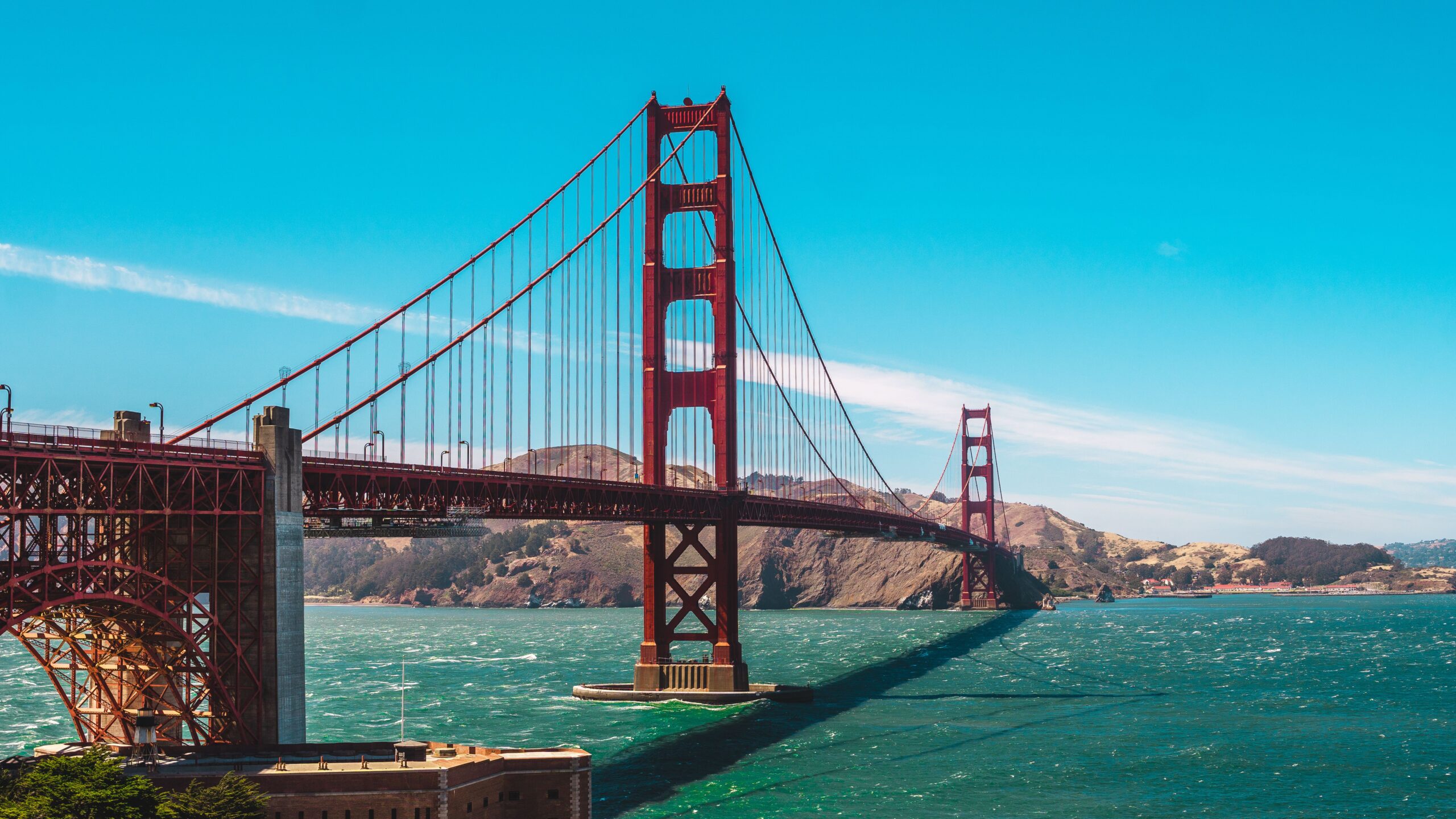
The practical realities a renter actually needs to know before settling into San Francisco.
You’ve signed the lease. San Francisco is next. Before you load the truck, a few things worth knowing that no apartment listing will mention: how much cash you actually need before you get the keys, what living near two major fault lines means for your insurance, what fog and wildfire smoke do to your expectations about San Francisco weather, and what some of the strongest tenant protections in the country actually cover – and what they don’t.
Here’s what you need to know before you settle in San Francisco.
 TL;DR
San Francisco is one of the most expensive places to rent in the country, and its geography shapes daily life more than most newcomers expect. Hills, fog belts, and neighborhoods that feel like different cities entirely divide the city in ways a map won’t show you.
The Mission and Castro have genuine walkability and street life. The Sunset and Richmond are quieter and significantly foggier. SoMa and the Financial District attract renters who want urban density and short commutes. The Haight, Noe Valley, and Cole Valley sit somewhere in between.
San Francisco’s Rent Ordinance offers some of the strongest tenant protections in the country. That matters before you sign anything.
San Francisco sits between two major fault systems: the San Andreas Fault to the west and the Hayward Fault to the east. Neither is covered by a standard renters insurance policy. Earthquake coverage requires a separate endorsement, and in SF, it’s worth having.
Good news: you probably don’t need a car. San Francisco has one of the most walkable grids in the US and a transit system that actually reaches most of the city. The combination of Muni buses, Muni Metro light rail, BART, and cable cars covers an enormous range of routes.
| Option | What it covers | Fare | Best for |
|---|---|---|---|
| Muni Bus / Metro | Most SF neighborhoods | $2.85 (Clipper) / $3.00 (cash) | Daily errands, neighborhood commutes |
| BART | SF to East Bay, SFO, Daly City | ~$5.18 avg (distance-based) | Cross-bay commutes, airport runs |
| Cable Car | Powell, Mason St lines | $9.00/ride | Tourists, or if you live on the hill |
| Car/Rideshare | Everywhere else | Varies | Outer neighborhoods, late nights |
If you’re renting in the Mission, Castro, Hayes Valley, or anywhere near a Muni Metro stop, you can realistically live without a car. In the Outer Sunset or Outer Richmond, you’ll lean harder on buses. Plan your commute before you sign.
San Francisco’s weather reputation is complicated. The city has a famously mild year-round climate, but “mild” doesn’t mean predictable, and it definitely doesn’t mean uniform across neighborhoods.
The fog is real and neighborhood-specific. The Outer Sunset and Richmond can be socked in all summer while SoMa is sunny. Karl the Fog (yes, SF residents named the fog) is thickest in June and July, the local version of San Diego’s June Gloom, but denser and longer-lasting. Wildfire smoke from fires in Napa, Sonoma, and the broader Bay Area regularly blankets the city in fall. And earthquakes are a background risk year-round. The Hayward Fault, which runs along the East Bay hills, is considered one of the most dangerous urban faults in the US.
| Season | What to expect | What to own / Prepare for your apartment |
|---|---|---|
| Summer (June–Sep) | Foggy and cool on the west side, sunnier inland and south | Pack layers, not shorts; ask about heating since many SF apartments have minimal A/C |
| Wildfire Season (Aug–Nov) | Smoke from North Bay and East Bay fires, occasional AQI alerts | Confirm renters insurance covers smoke damage; stock N95s |
| Winter (Dec–Feb) | Mild, occasional heavy rain, rare freezing temps | Know your building’s leak history since older buildings can flood basements during heavy rain |
| Spring (Mar–May) | Best weather of the year, warm, clear, low humidity | Best time to move; fog season hasn’t started yet |
San Francisco rent is 140% higher than the national average. The upfront cash requirement adds up faster than almost anywhere else in the country.
| Fee | Typical cost | Notes |
|---|---|---|
| First month’s rent | $4,413/mo (1BR avg) | Due at signing |
| Security deposit | Capped at one month’s rent | No exceptions for most large landlords |
| Application fee | $65.86 max | Non-refundable; state law caps at actual screening cost |
| Pet deposit | Varies; included in one-month security deposit cap | Combined total of all deposits still can’t exceed one month’s rent |
| Renters insurance | $10–$15/month | Required by most leases before key handover |
As of 2026, Lemonade renters insurance in San Francisco averages $15–$20/month, enough to cover your belongings, your liability, and the gaps your landlord’s policy leaves wide open.
San Francisco tenants enjoy some of the strongest renter protections in the country, anchored by the San Francisco Rent Ordinance and reinforced by state law. The Rent Ordinance limits annual rent increases, requires landlords to prove a legally recognized reason before evicting anyone, and mandates relocation payments when tenants are displaced through no fault of their own. These local rules are administered by the San Francisco Rent Board.
Moving to San Francisco from another state? Read our complete California Relocation Guide for DMV registration deadlines, state tax rules, and statewide tenant laws.
Send repair requests by text or email and keep screenshots. A timestamped written message starts the legal clock under state law. A verbal conversation protects nothing.
San Francisco has a regulated electricity and gas market, so you don’t choose your provider. Pacific Gas & Electric (PG&E) serves the city. Rates are among the highest in the country, and tiered billing means summer and winter costs can surprise renters coming from other states. Ask your landlord about average utility costs for the specific unit before you sign.
Internet is a competitive market in most San Francisco neighborhoods. Comcast, Sonic, and Monkeybrains are common providers. Shop it separately from utilities; pricing varies significantly by building and neighborhood.
Get USPS mail forwarding set up before you move, then work through the rest: employer, bank, IRS, subscriptions. California has a state income tax return to file, and your previous state may want a partial-year return too. If you already have a renters insurance policy, here’s how to change your address on renters insurance when you cross a state line.
Moving to San Francisco from another state means canceling your old policy and starting a new California one – not just updating your address. Time the new policy to start the same day the old one ends so you don’t have even a single night without coverage.
Cross-state moves to San Francisco almost always mean hiring long-distance movers or renting a truck, and summer is peak season, so book early. High-rise buildings in SoMa, the Financial District, and Mission Bay will typically require elevator reservations and a Certificate of Insurance from your moving company. Confirm with your building management at least two weeks out. Before moving day, run through our moving checklist and understand what moving insurance actually covers.
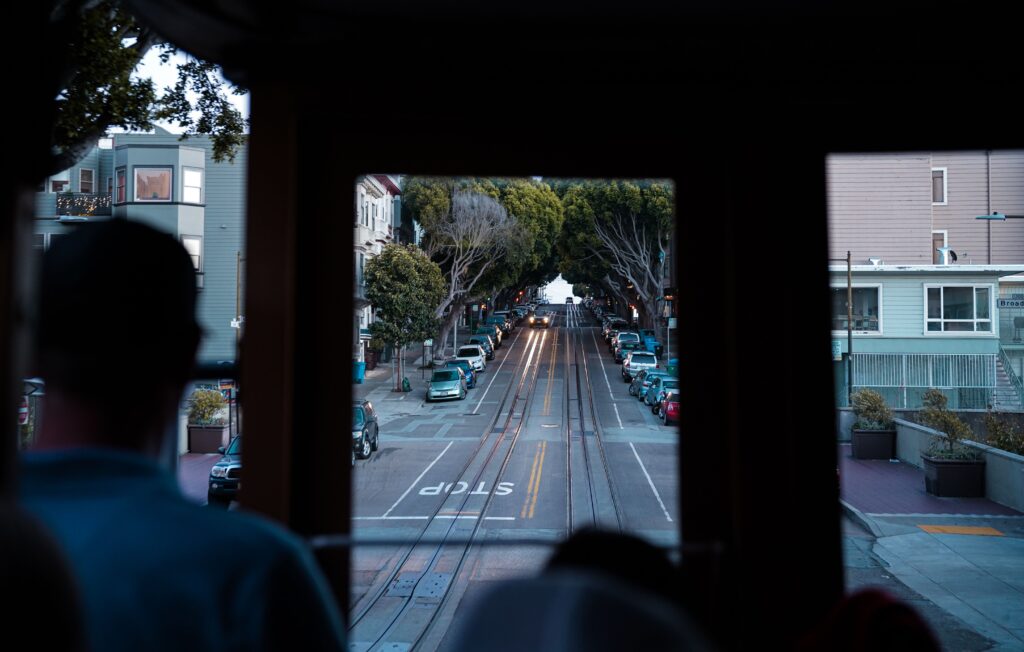
San Francisco’s neighborhoods vary a lot in vibe, price, fog, and commute. Here’s a quick guide by lifestyle fit.
| Neighborhood | Vibe | Best for |
|---|---|---|
| Mission District | Walkable and lively, with great food and deep Latino roots | Young professionals, creatives, nightlife fans |
| Castro / Noe Valley | Close-knit, with LGBTQ+ roots and a family-friendly feel in Noe Valley | Young professionals, couples, families |
| Hayes Valley | Central and walkable, with boutiques and restaurants near Civic Center | Professionals who want density without the downtown grind |
| SoMa / Mission Bay | High-rises and newer buildings near tech offices and Caltrain | Tech workers and anyone with a commute to shorten |
| Inner Sunset / Inner Richmond | Quiet and residential, with good local restaurants and more fog | Families, remote workers, anyone who wants space over scene |
| North Beach / Russian Hill | Classic San Francisco, hilly, walkable to the waterfront | Anyone who wants the postcard view and can pay for it |
| Outer Sunset / Outer Richmond | Easier on the wallet, very foggy, slower pace, close to Ocean Beach | Budget-minded renters, surfers, remote workers |
San Francisco rewards preparation, especially on earthquake risk, commute reality, and the nuances of rent control.
As of 2026, the average payout for a theft claim filed by Lemonade renters in San Francisco is $1,548.01 per claim. (Based on Lemonade internal claims data, 2026)
Moving to San Francisco as a renter means learning a specific set of rules fast: a two-month deposit cap for unfurnished units, a 21-day window to get it back, a 10-day deadline for your driver’s license, rent control that only applies to pre-1979 buildings, PG&E billing that can surprise you in winter, and coverage gaps around earthquakes and floods that a standard renters policy won’t fill. None of it is unmanageable. It just requires knowing what you’re walking into before you walk in.
Ready to get covered before the moving truck pulls up? Lemonade renters insurance takes as little as 90 seconds to set up and works across San Francisco.
Mostly no. SF has Muni buses, Muni Metro, BART, and more bike lanes than most US cities. If you’re staying within the city, a Clipper card will get you almost everywhere. If you’re commuting to the South Bay, Caltrain is your friend, and you still won’t need a car parked in the city.
The state law doesn’t require it, but most landlords in San Francisco do. Beyond the lease requirement, SF renters have real exposure to earthquake damage, wildfire smoke, and water damage, none of which your landlord’s policy will cover for your belongings.
No. Standard renters insurance covers fire, smoke, theft, and water damage from burst pipes, but not earthquakes or floods. Given that SF sits between the San Andreas and Hayward faults, earthquake coverage is worth adding as a separate endorsement.
Ten days. Once you establish residency, meaning you’re renting a place, working, or otherwise planting roots, the clock starts. Vehicle registration has a slightly longer window at 20 days. Head to the DMV sooner rather than later; SF appointments fill up fast.
Yes, significantly. One-bedroom apartments average around $4,413/month, making SF one of the most expensive rental markets in the country. Budget carefully and factor in electric bills, which can surprise renters coming from other states.
A few quick words, because we <3 our lawyers: This post is general in nature, and any statement in it doesn’t alter the terms, conditions, exclusions, or limitations of the policies issued, which differ according to your state of residence. You’re encouraged to discuss your specific circumstances with your own professional advisors. The purpose of this post is merely to provide you with info and insights you can use to make such discussions more productive! Naturally, all comments by, or references to, third parties represent their own views, and Lemonade assumes no responsibility for them. Coverage may not be available in all states. Please note that statements about coverages, policy management, claims processes, Giveback, and customer support apply to policies underwritten by Lemonade Insurance Company or Metromile Insurance Company, a Lemonade company, sold by Lemonade Insurance Agency, LLC. The statements do not apply to policies underwritten by other carriers.
Please note: Lemonade articles and other editorial content are meant for educational purposes only, and should not be relied upon instead of professional legal, insurance or financial advice. The content of these educational articles does not alter the terms, conditions, exclusions, or limitations of policies issued by Lemonade, which differ according to your state of residence. While we regularly review previously published content to ensure it is accurate and up-to-date, there may be instances in which legal conditions or policy details have changed since publication. Any hypothetical examples used in Lemonade editorial content are purely expositional. Hypothetical examples do not alter or bind Lemonade to any application of your insurance policy to the particular facts and circumstances of any actual claim.