Does Homeowners Insurance Cover Sheds?
Everything you need to know about sheds and what's covered under your homeowners insurance.

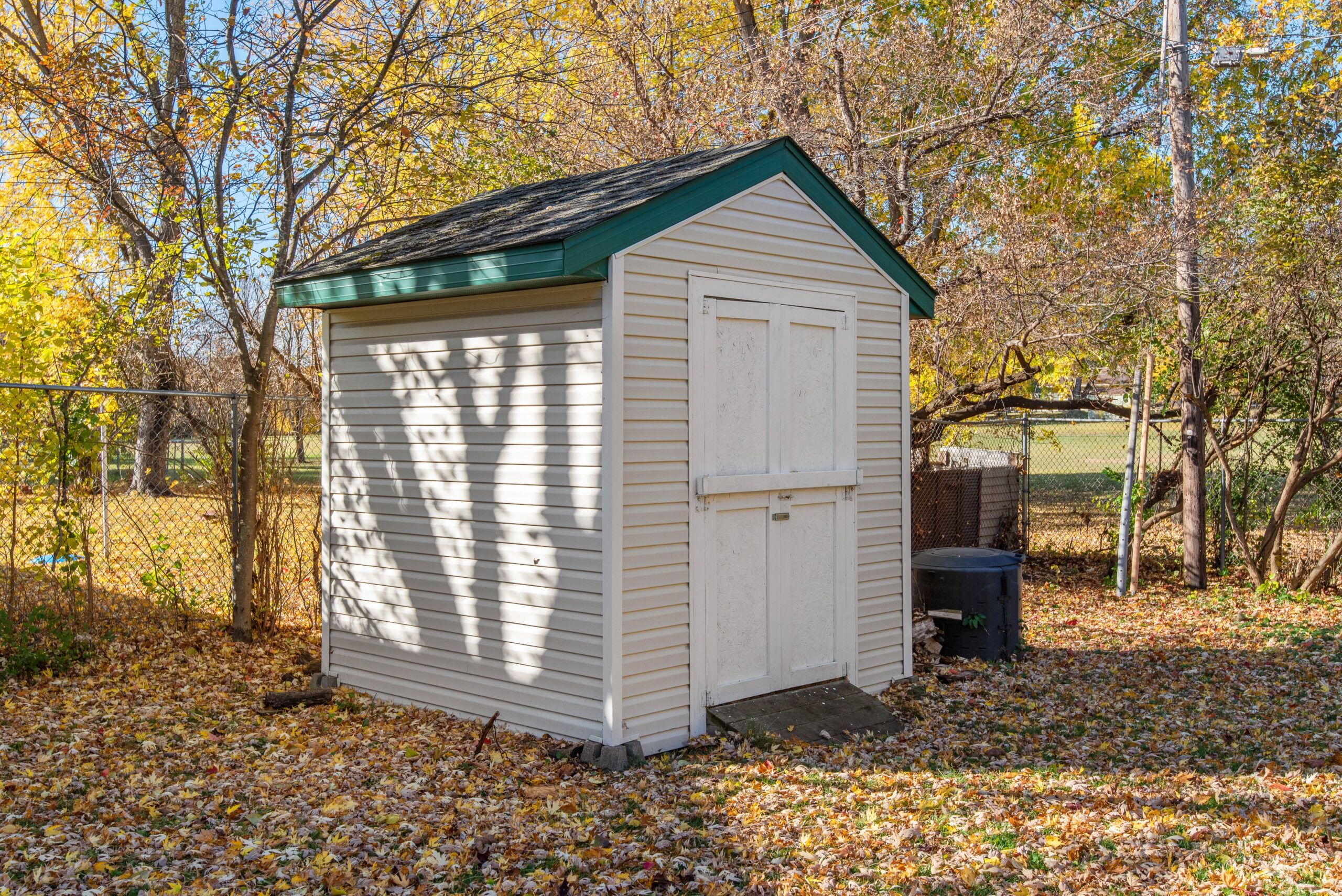
Everything you need to know about sheds and what's covered under your homeowners insurance.
Yes, usually. Homeowners insurance typically protects a shed under other structures coverage when fire, wind, theft, or a falling tree damages it. Your stuff inside usually falls under personal property coverage. Neither typically pays for wear and tear, flood, or business use. Here’s how it works and what to check before you need it.
 TL;DR
Usually, yes. A shed is a detached structure, so it falls under other structures coverage, also called Coverage B. It protects things in your yard not created by Mother Nature, like your driveway, fence, shed, or detached garage.
You get this coverage even if you don’t have a shed. Other structures coverage comes with a limit of 10% of your dwelling coverage limit, even with no other structures on your property.
One quick way to tell the difference: an attached garage falls under dwelling coverage, since other structures only applies to detached structures.
| Shed type | How it’s typically treated | Notes |
|---|---|---|
| Built-in-place or permanent | Usually covered as other structures | The classic case. Shares the limit with your other detached structures. |
| Prefab on a foundation or skids | Usually covered as other structures | Prefab and kit sheds count once they’re set up on your property. |
| Portable or temporary | Sometimes | Can be treated differently from a permanent shed. |
| Greenhouse | Usually covered as other structures | Hail and wind are common culprits. Plants are often treated differently. |
| Workshop | Usually covered as other structures | Hobby use is typically fine. Business use changes things. |
| She-shed or office | Usually covered as other structures | A home office is fine, but business property and business use are different stories. |
| Shed with electricity | Usually covered as other structures | Let your insurer know if you add utilities. |
Think of it this way: your shed is typically protected against the same covered events as your house.
Your shed shares its dollar limit with every other detached structure on your property. A big claim on one can leave less for the rest.
Here’s the not-so-fun part. Insurance is for sudden surprises, not slow decline.
| Covered | Not covered |
|---|---|
| A tree crushes the roof in a storm | Roof wears out after 20 years |
| Fire damages the walls | Rot or mold from a slow leak |
| A burglar breaks in | Pests that chew through the floor |
| Wind rips off the door | Damage from neglect or skipped maintenance |
| Hail dents the siding | Flood or earthquake damage |
| Vandals smash the windows | Damage you cause on purpose |
| Business-related losses |
Keep dated photos of your shed and repair receipts. They show your shed’s condition before a loss, and they make a claim much smoother.
Here’s how common situations usually play out. Every outcome depends on your policy and state, so treat this as a guide, not a guarantee.
| Scenario | Typically covered? | Why | What to do |
|---|---|---|---|
| A tree falls on the shed | Usually | A falling tree is a covered event for detached structures. | Stay clear of the tree, take photos, file a claim. |
| Heavy snow collapses the roof | Usually | Weight of snow or ice is typically a covered event. | Photograph the damage and tarp what you can safely reach. |
| A windstorm blows the shed over | Usually | Wind is a typical covered event. | Document everything and file. Secure what’s left. |
| Fire | Usually | Fire is a standard covered event. | Call 911 first, then file a claim. |
| Theft of tools | Usually | Stolen belongings fall under personal property, and the damage to the shed falls under other structures. | File a police report, then file a claim with an inventory. |
| Vandalism | Usually | Vandalism is typically covered. | File a police report and photograph the damage. |
| A leaky roof causes rot | Usually not | Slow damage from wear and lack of upkeep isn’t covered. | Repair leaks early. Keep receipts. |
| Pest infestation | Usually not | Pests are typically a maintenance issue. | Call pest control and seal entry points. |
| Flood | Usually not | Flood is typically excluded from standard policies. | Ask about flood coverage options. |
| Shed damaged during a move | Sometimes | Depends on who caused it and how. | Check with the mover’s insurance first, then ask us. |
| Business inventory stolen | Usually not | Business property is typically limited or excluded. | Ask about business coverage. |
| A portable or temporary shed damaged | Sometimes | Depends on how the shed is classified. | Share photos and details of how it’s set up. |
Mostly, yes. Stuff inside your shed typically falls under personal property coverage, not other structures. Mostly, yes. Stuff inside your shed typically falls under personal property coverage, not other structures. With us, personal property is protected inside your home, outside it, and anywhere in the world. That includes your shed.
Your personal property limit is the most your policy will pay for your belongings. It’s set as a percentage of your dwelling coverage, which is the amount it would take to rebuild your home. Lemonade’s basic policies start at 40% or 50% of dwelling coverage, depending on your state, and you can usually raise it.
That’s separate from your other structures coverage, so your shed and the stuff inside it don’t share a pool.
Some categories also have sub-limits. These are lower caps on certain items, like business equipment, no matter how high your overall number is.
Replacement cost pays what it takes to buy something new. Actual cash value (ACV) pays what the item was worth after wear and age.
With Lemonade’s homeowners policy (HO3), your personal property is covered at replacement cost up to $500. Past that, it switches to ACV, so your payout reflects the item’s age and condition.
| Item | Typically covered? | Watch out for |
|---|---|---|
| Lawn mower (push) | Usually | Check your deductible against the replacement cost. |
| Hand and power tools | Usually | High-value tools may be worth listing. |
| Bikes | Usually | Keep serial numbers and photos. |
| Generator | Usually | Fire and theft are typical covered events. |
| Patio furniture | Usually | Wind damage may be covered. Fading and wear aren’t. |
| Holiday decor | Usually | Easy to forget in a claim. List it in your inventory. |
| Riding mower or tractor | Sometimes | Motorized equipment may be treated differently. Confirm. |
| ATV or golf cart | Usually not | Motorized vehicles often need their own policy. |
| Boat or trailer | Usually not | Typically needs separate coverage. |
| Business equipment | Usually not | Business property is typically limited. Ask about options. |
Take a quick video of your shed’s contents. List anything worth more than a few hundred dollars. It takes ten minutes and makes a claim much faster.
Your other structures limit is shared across all your detached structures. That includes the shed, a fence, a detached garage, a gazebo, and so on. So the question isn’t “How much is my shed worth?” It’s “What would it cost to replace everything out there?”
If the cost to replace all your other structures exceeds 10% of your dwelling coverage limit, consider increasing your other structures limit. Smaller structures like fences and small sheds can typically be replaced for less than that 10% limit.
| Amount | |
|---|---|
| Dwelling coverage | $300,000 |
| Other structures limit (10%) | $30,000 |
| Shed replacement cost | $10,000 |
| Detached garage replacement cost | $22,000 |
| Fence replacement cost | $6,000 |
| Total cost to replace everything | $38,000 |
| Shortfall | $8,000 |
This is an example, not a quote. Your numbers will differ. The math is simple: 10% of $300,000 in dwelling coverage is $30,000 for other structures.
To close a gap, you can ask about raising your limit, depending on your state.
Often, yes. A shed used for storage is the simplest case. Once it becomes a place where you work, create, or sleep, the rules can change.
| Use | Typical coverage impact | What to do |
|---|---|---|
| Home office or studio | The structure is usually still covered. Business property may be limited. | Ask about coverage for work equipment. |
| Hobby workshop | Usually still covered. Expensive tools may need a closer look. | List high-value tools. |
| She-shed or guest space | Usually covered, but adding utilities and finishing may change the value. | Update your insurer and your limit. |
| Renting it out | Often changes coverage significantly. | Talk to your insurer before listing it. |
| Running a business | Business property and business liability typically aren’t covered by a standard homeowners policy. | Ask about business insurance. |
| Adding electricity or plumbing | A bigger investment means a bigger replacement cost. | Update your coverage. |
Sometimes. A small tool shed usually doesn’t need a phone call. A bigger project might.
Consider updating your insurer when:
Have these details ready:
Yes, in a way. If a guest or a child gets hurt by tools or hazards in your shed, your personal liability coverage may help with legal costs and damages. Liability covers your responsibility to others, not damage to your own stuff.
Keep your shed locked, and store chemicals, sharp tools, and fuel out of reach of kids.
Not always. Small repairs often cost less than your home insurance deductible, so a claim wouldn’t pay anything. Claims can also affect your future premiums.
If you can check all four, filing is probably worth it. If you’re not sure, ask us.
A few simple habits can help you avoid a claim in the first place.
Nearly 40% of Lemonade homeowners claims for wind and snow happen between January and March. March alone is the busiest month, at 17% (Based on internal Lemonade data, 2026).
Your shed is usually covered, and so is most of what’s inside, as long as the damage comes from a sudden event like fire, wind, theft, or a falling tree. The catch is that it splits a single limit with every detached structure on your property, and wear and tear, flood, and business use generally aren’t covered. So take dated photos, record a quick video of what’s inside, and let your insurer know if you add utilities or turn the space into an office.
Not sure where you stand? Ask us before you need to file, because it’s much easier to sort out now than after a storm.
Usually, yes. Prefab, kit, and skid-mounted sheds are typically covered as other structures. Portable or temporary ones can be treated differently, so check your policy. Photos of how your shed is set up can help if you ever file a claim.
Usually, yes. Tools and equipment typically fall under personal property coverage if fire, theft, or another covered event damages them. Sub-limits can apply to some items, and business tools are often limited. List your high-value tools and keep photos so a claim goes faster.
Usually, yes. Stolen tools and belongings typically fall under personal property coverage, and damage to the shed itself, like a broken lock, falls under other structures. File a police report, then add an inventory to your claim. Photos and receipts help.
Usually, not fully. A standard homeowners policy typically limits business property and doesn’t cover business liability. The structure may still be covered, but your use matters. Tell your insurer how you use it and ask about business coverage.
Not always. A small tool shed usually fits within your default other structures limit. A large, finished, or expensive one may need a higher limit, which could change your price. Tell your insurer about any big build, and check your limit still covers it.
Usually, yes. Wind, hail, lightning, a falling tree, and the weight of snow or ice are typical covered events, and your stuff inside usually falls under personal property. Flood isn’t typically covered. Take photos before you clean up, then file a claim.
A few quick words, because we <3 our lawyers: This post is general in nature, and any statement in it doesn’t alter the terms, conditions, exclusions, or limitations of the policies issued, which differ according to your state of residence. You’re encouraged to discuss your specific circumstances with your own professional advisors. The purpose of this post is merely to provide you with info and insights you can use to make such discussions more productive! Naturally, all comments by, or references to, third parties represent their own views, and Lemonade assumes no responsibility for them. Coverage may not be available in all states. Please note that statements about coverages, policy management, claims processes, Giveback, and customer support apply to policies underwritten by Lemonade Insurance Company or Metromile Insurance Company, a Lemonade company, sold by Lemonade Insurance Agency, LLC. The statements do not apply to policies underwritten by other carriers.
Please note: Lemonade articles and other editorial content are meant for educational purposes only, and should not be relied upon instead of professional legal, insurance or financial advice. The content of these educational articles does not alter the terms, conditions, exclusions, or limitations of policies issued by Lemonade, which differ according to your state of residence. While we regularly review previously published content to ensure it is accurate and up-to-date, there may be instances in which legal conditions or policy details have changed since publication. Any hypothetical examples used in Lemonade editorial content are purely expositional. Hypothetical examples do not alter or bind Lemonade to any application of your insurance policy to the particular facts and circumstances of any actual claim.