Does Homeowners Insurance Cover Driveway Damage?
Here's what counts, what doesn't, and when a claim is worth filing for driveway damage.

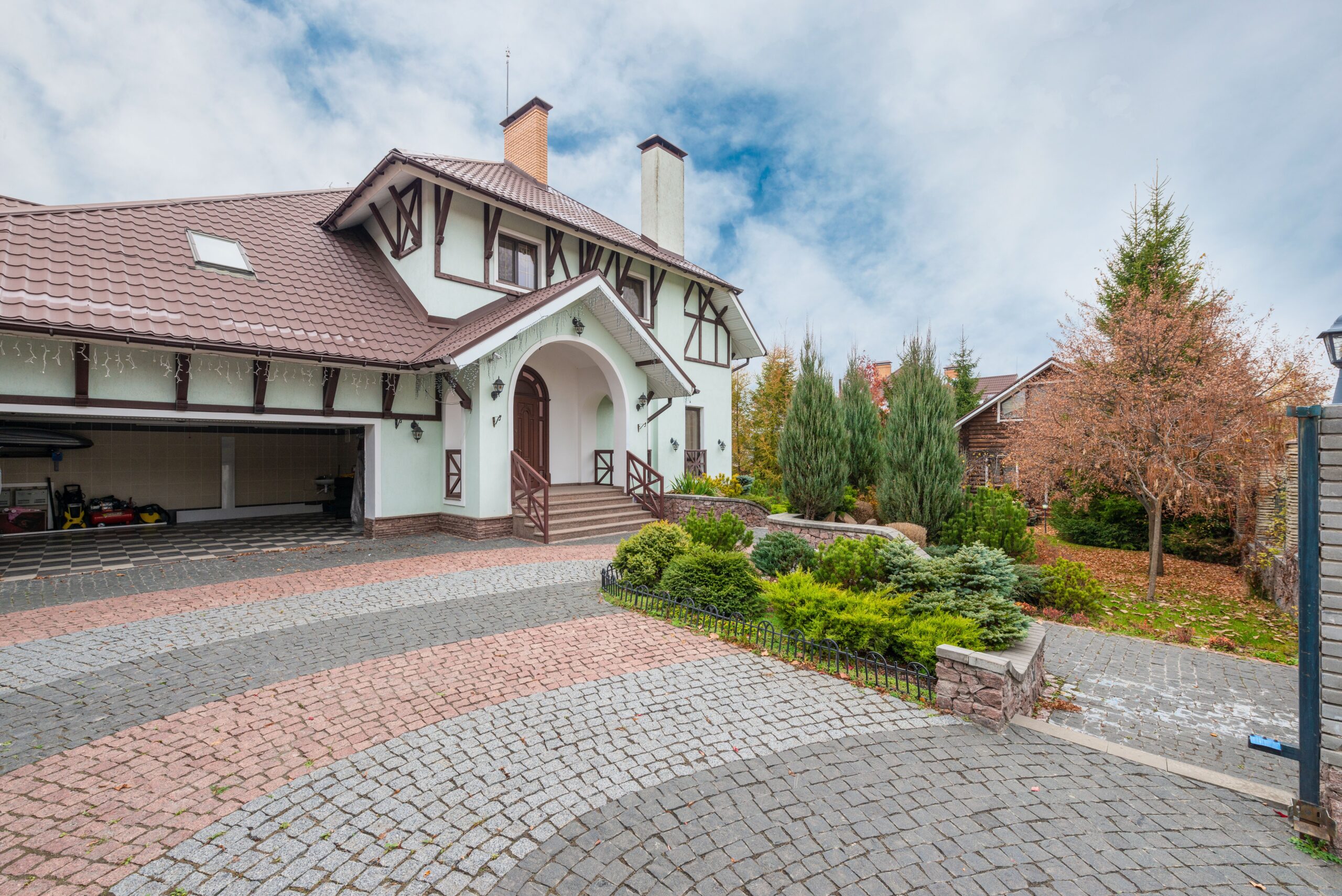
Here's what counts, what doesn't, and when a claim is worth filing for driveway damage.
Sometimes. Homeowners insurance typically covers sudden and accidental driveway damage from a covered event, like a falling tree, fire, vandalism, or a delivery truck backing into it. That falls under other structures coverage. It generally doesn’t cover cracks from wear and tear, freeze-thaw cycles, tree roots, or settling. Those build up slowly, so they count as maintenance, not claims.
 TL;DR
Usually, yes. Your driveway counts as an “other structure” (Coverage B), not part of your home (Coverage A).
Here’s why.
Your limit is 10% of your home’s coverage amount. If your home is insured for $300,000, that would be $30,000. That money is shared across your driveway, fence, shed, and anything else in the yard.
What about the material? It usually doesn’t change anything. Concrete, asphalt, gravel, and pavers are all typically treated as other structures.
Damage is generally covered if it’s sudden, accidental, and caused by something your policy doesn’t specifically exclude.
Here’s what that looks like:
Where do other structures claims come from? Here’s how Lemonade claims for things like driveways, fences, and sheds break down by cause.
| Rank | Cause of loss | Share of claims |
|---|---|---|
| 1 | Weather | 88.2% |
| 2 | Fire | 4.6% |
| 3 | Other or unclassified | 4.4% |
| 4 | Water | 0.8% |
| 5 | Catastrophe | 0.5% |
| 6 | Property liability | 0.3% |
| 7 | Collapse | 0.3% |
| 8 | Vandalism, falling object, accidental damage, theft, crime, and other | 0.2% or less each |
A tree that comes down in a storm counts as weather, so it’s part of the 88.2%, not the falling object row. Weather causes most other structures claims by a wide margin.
Slow damage usually isn’t covered.
“Sudden and accidental” means it happened at a specific moment, from a cause you can name. A tree landing on your driveway counts. A crack that grew a little every winter doesn’t.
Here’s the usual list:
| Covered | Not covered |
|---|---|
| Fallen tree, fire, explosion | Wear and tear, neglect |
| Vandalism | Freeze-thaw, tree roots, settling, a car hitting it |
| Hail, wind | Flood, earthquake, sinkholes, landslides, weight of ice or snow |
Here’s how common situations usually play out.
| Scenario | What to do |
|---|---|
| Tree falls and cracks the driveway | Take photos before the tree is moved, then file |
| Cracks from freeze-thaw cycles | Seal cracks and budget for repairs |
| Tree roots lift a slab | Manage the roots and pay for repairs yourself |
| A delivery truck crushes an edge | Get the driver’s details and photos, then file |
| Your own car causes damage | Budget for the repair, and ask your insurer to confirm |
| Fire damage | File a claim |
| Vandalism | File a police report, then a claim |
| Sinkhole | Check your policy for separate coverage |
| Flood or mudslide | Contact your flood insurer, if you have one |
| Oil stains | Clean spills fast and consider sealing |
| Snowplow or contractor damage | Get their details and ask them to pay first |
| Hail damage | Take photos, and file if repairs cost more than your deductible |
| Settling or sunken slab | Get a contractor to find the cause |
Not really. Coverage follows the cause of damage, not the material. What changes is the repair cost and how your claim gets paid.
| Material | Coverage treatment | Watch out for |
|---|---|---|
| Concrete | Other structures | Cracks from age and freezing aren’t covered |
| Asphalt | Other structures | Older asphalt loses value fast, which can shrink an actual cash value payout |
| Gravel | Other structures | Gradual erosion isn’t covered. Washout from flooding or surface water usually isn’t either. |
| Pavers and decorative | Other structures | Matching a discontinued pattern can raise the cost |
| Heated driveway | Other structures, though the heating system may be treated separately | Ask how the embedded heating is covered |
Replacement cost pays to fix or replace the damage with similar materials. Actual cash value takes off depreciation, which is the value lost as things age. So older driveways get a smaller payout.
Four things decide it:
Example only. This isn’t a quote.
| Replacement cost | Actual cash value | |
|---|---|---|
| Repair cost | $6,000 | $6,000 |
| Depreciation (assumed 30%) | n/a | -$1,800 |
| Deductible | -$1,000 | -$1,000 |
| Payout | $5,000 | $3,200 |
Not always. Run through this checklist first:
Contractors, delivery drivers, neighbors, utility crews, and snowplow operators can all cause damage. In many cases, they’re responsible for paying for it.
Your insurer may also pay your claim, then ask the other party to reimburse them.
Do this right away:
Your deed or shared agreement sets who owns and fixes which part. That can complicate a claim, because you may only be covered for your portion. Check your documents before you file.
Heads up: Damage that was already there can lower your payout. Keep dated photos of how your driveway normally looks.
Filling a small crack costs a fraction of replacing a slab. It also stops water from freezing inside it.
Most driveway damage is slow, which means most of it is preventable.
| Season | To-do |
|---|---|
| Spring | Look for winter cracks, clean and seal, and check drainage |
| Fall | Clear debris, fill cracks before it freezes, and trim overhanging branches |
| Before winter | Use a pavement-safe de-icer and mark the edges for plows |
It depends on the cause. A crack from a sudden event, like a falling tree or a car hitting it, may be covered. Cracks from age, freeze-thaw cycles, tree roots, or settling usually aren’t, because they count as wear and tear. Not sure what caused yours? Take dated photos and ask a local contractor.
Usually, yes. If a tree falls and breaks your driveway during a covered event like a storm, it’s typically covered. Damage from roots slowly growing under the pavement generally isn’t. Take photos before the tree gets moved, and keep any cleanup receipts.
Usually not. Cracks from water freezing and thawing again and again happen slowly, so they’re treated as wear and tear, not a sudden event. The weight of ice or snow on pavement is typically excluded too, even though it can be covered on your roof. Sealing small cracks before winter helps keep water out.
Usually not. Settling and earth movement are typically excluded because they happen gradually, and so are sinkholes and landslides. A local contractor can find the cause and suggest fixes, like lifting the slab. Check your policy before you repair anything.
Sometimes. It depends on who owns the driveway and what your deed or shared agreement says. You’re typically covered for your own portion only. Check your documents, talk to your neighbor, and ask your insurer before you file.
It can. Claims may affect your premium at renewal, depending on your insurer and state. For smaller repairs close to your deductible, paying out of pocket may cost less overall. Compare the repair estimate with your deductible first, then decide.
A few quick words, because we <3 our lawyers: This post is general in nature, and any statement in it doesn’t alter the terms, conditions, exclusions, or limitations of the policies issued, which differ according to your state of residence. You’re encouraged to discuss your specific circumstances with your own professional advisors. The purpose of this post is merely to provide you with info and insights you can use to make such discussions more productive! Naturally, all comments by, or references to, third parties represent their own views, and Lemonade assumes no responsibility for them. Coverage may not be available in all states. Please note that statements about coverages, policy management, claims processes, Giveback, and customer support apply to policies underwritten by Lemonade Insurance Company or Metromile Insurance Company, a Lemonade company, sold by Lemonade Insurance Agency, LLC. The statements do not apply to policies underwritten by other carriers.
Please note: Lemonade articles and other editorial content are meant for educational purposes only, and should not be relied upon instead of professional legal, insurance or financial advice. The content of these educational articles does not alter the terms, conditions, exclusions, or limitations of policies issued by Lemonade, which differ according to your state of residence. While we regularly review previously published content to ensure it is accurate and up-to-date, there may be instances in which legal conditions or policy details have changed since publication. Any hypothetical examples used in Lemonade editorial content are purely expositional. Hypothetical examples do not alter or bind Lemonade to any application of your insurance policy to the particular facts and circumstances of any actual claim.