

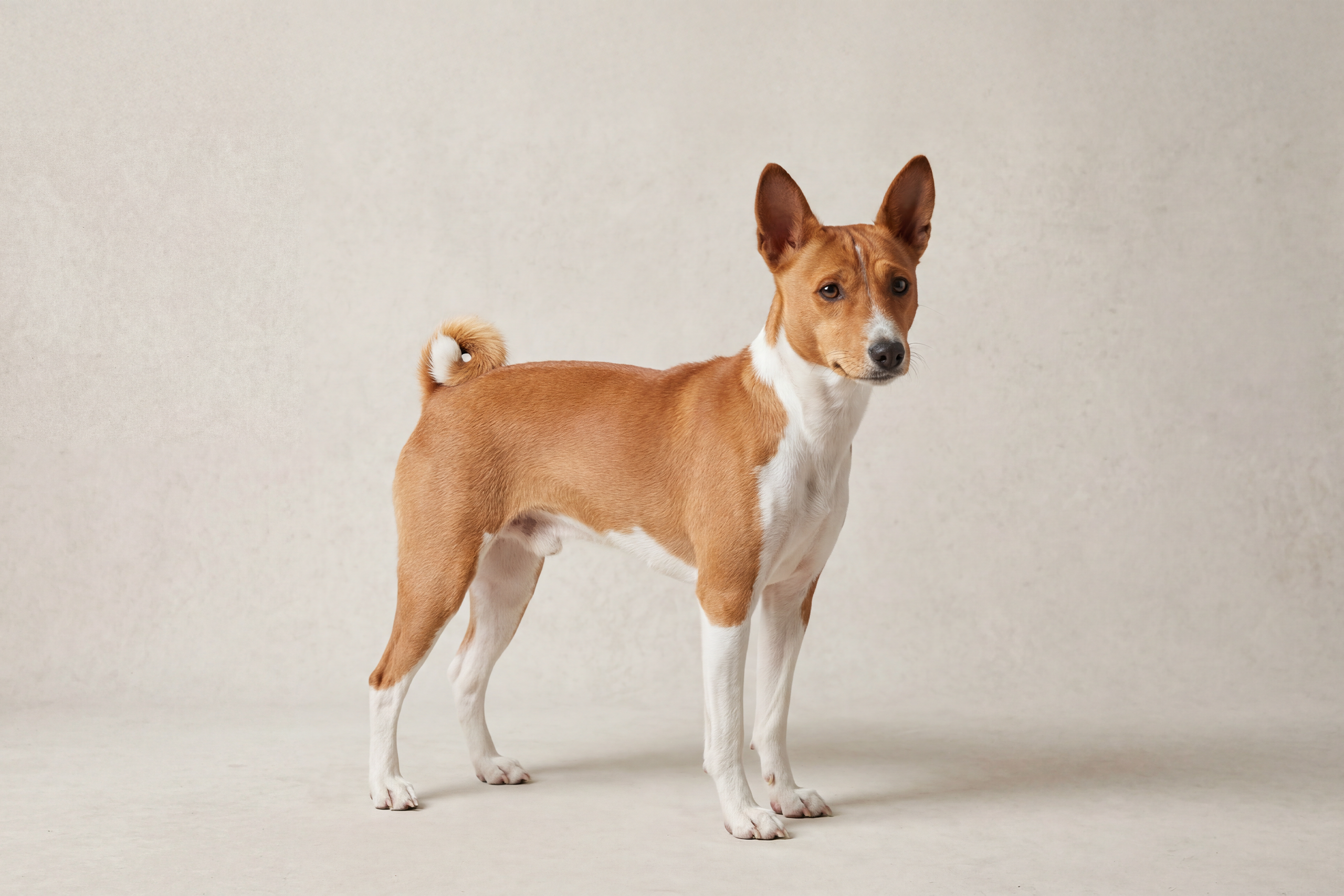



You didn’t land on the Basenji by accident. This is a breed people seek out, and for good reason. The barkless dog, ancient and independent, and more cat than dog in temperament, they’re a natural fit for experienced owners who appreciate a self-sufficient, athletic, and genuinely unusual companion who want a uniquely self-contained, athletic, and ancient companion who doesn't bark and keeps themselves meticulously clean. Let’s dig in.
What are the characteristics of a Basenji?
Think you know what you’re getting into with a Basenji? These scores will either confirm your suspicions or give you something to think about. Either way, good to know now.
Training
| Trait | Score | What does it mean? |
|---|---|---|
| Trainability | 2 out of 5 | Intelligent but fundamentally independent. Basenjis understand what you want and decide whether it aligns with their priorities |
| Obedience | 2 out of 5 | Reliable in controlled environments. Recall outdoors is unreliable. They are sighthound-hound combinations |
| Focus | 1 out of 5 | Distracted by movement and scent. Their environment gets most of their attention |
| Stubbornness | 5 out of 5 | One of the most independent breeds. They operate as genuine partners rather than eager followers |
Friendliness
| Trait | Score | What does it mean? |
|---|---|---|
| Good with family | 4 out of 5 | Devoted to their family. Their bond is real but expressed differently than most breeds |
| Good with children | 2 out of 5 | Better with older children who understand them. Their intolerance for rough handling is genuine |
| Good with strangers | 2 out of 5 | Reserved with strangers. They observe carefully before deciding whether someone is worth acknowledging |
| Good with other dogs | 2 out of 5 | Can be dog-selective. They often prefer their own kind or dogs with compatible temperaments |
Adaptability
| Trait | Score | What does it mean? |
|---|---|---|
| Apartment living | 4 out of 5 | Manages in apartment living with adequate exercise. Their silence is a genuine advantage |
| Cold weather | 3 out of 5 | Their short coat provides limited insulation. They dislike cold and wet weather intensely |
| Hot weather | 3 out of 5 | Tolerates heat well given their African origins |
| Routine flexibility | 2 out of 5 | Needs consistent daily activity to stay settled |
| First time owner | 2 out of 5 | Better for experienced owners familiar with independent, primitive breeds |
Physical needs
| Trait | Score | What does it mean? |
|---|---|---|
| Energy level | 4 out of 5 | High energy and athletic. Built for sustained hunting in the African savanna |
| Endurance | 4 out of 5 | Good endurance for their size |
| Exercise needs | 4 out of 5 | Needs 30 to 60 minutes of vigorous daily exercise in a secured area |
| Mental stimulation | 4 out of 5 | Highly intelligent. They are problem-solvers and curious explorers |
| Grooming needs | 1 out of 5 | Short, fine, smooth coat that requires almost no grooming |
Personality
| Trait | Score | What does it mean? |
|---|---|---|
| Playfulness | 4 out of 5 | Playful and physically engaged in their own terms |
| Affection | 4 out of 5 | Deeply affectionate with chosen people, though on their terms |
| Loyalty | 4 out of 5 | Devoted in their own self-contained way |
| Independence | 5 out of 5 | One of the most independent breeds. Fully self-sufficient |
| Alertness | 4 out of 5 | Extremely alert and perceptive |
Behavior
| Trait | Score | What does it mean? |
|---|---|---|
| Barking tendency | 1 out of 5 | They don't bark. They produce yodels, howls, and chortle sounds but not conventional barking |
| Digging tendency | 3 out of 5 | Some digging tendency |
| Chewing tendency | 3 out of 5 | Moderate chewing. They are explorers by nature |
| Prey drive | 5 out of 5 | Very high prey drive. They are both sight and scent hounds and will pursue without recall |
| Guarding instincts | 2 out of 5 | Too independent to be reliable guard dogs |
What are common health issues of a Basenji?
Like all breeds, Basenjis are prone to certain health conditions. Here’s what to keep on your radar.
Fanconi Syndrome
A kidney condition where the tubules fail to reabsorb key nutrients properly, causing them to be lost in urine. It is common in Basenjis and requires lifelong dietary management.
Read more about Fanconi SyndromeKidney Disease
Basenjis are prone to kidney problems, partly linked to their risk of Fanconi Syndrome. Increased thirst, reduced appetite, and low energy are early signs worth flagging to your vet.
Read more about Kidney DiseaseHypothyroidism
The thyroid gland does not produce enough hormone, slowing the metabolism. In Basenjis, signs include weight gain, low energy, and a dull coat. It is managed with daily medication.
Read more about HypothyroidismInflammatory Bowel Disease
A chronic condition where the digestive tract becomes inflamed, affecting nutrient absorption. In Basenjis, vomiting, diarrhea, and gradual weight loss are the most common signs.
Read more about Inflammatory Bowel DiseaseAutoimmune Disease
Basenjis can be prone to autoimmune conditions where the immune system attacks the body's own tissue. Signs vary widely depending on what is affected, so regular checkups matter.
Read more about Autoimmune DiseaseWhat are the recommended health tests for Basenjis?
Your Basenji can’t tell you when something’s off. That’s what these tests are for. Here’s what vets typically recommend for them.
-
 DNA test for Fanconi syndrome
 -
CAER ophthalmologist eye exam
-
DNA test for pyruvate kinase deficiency (PKD)
-
DNA test for progressive retinal atrophy (PRA)
Do Basenjis need pet insurance?
We’ll let the numbers do the talking, but spoiler: a lot of Basenji owners are really glad they had coverage.
Those numbers aren’t hypotheticals. They’re real claims from real Basenji owners in 2025.
The right pet insurance means you’re making decisions based on what your dog needs, not what you can afford.
With Lemonade, you can build a plan around your Basenji specifically. Start with accident and illness coverage as your base, then add on what makes sense for your dog, things like physical therapy, dental illness, or behavioral treatment, and skip what doesn’t. Coverage applies to conditions that aren’t pre-existing (AKA, a condition that occurs after your policy is active and your waiting periods have passed), and you’ll know exactly what’s included before you commit. No fine print ambushes, no surprises at claim time.
And when you do need to file? You can do it in the app in minutes. No paperwork, no hold music, no waiting around.
Basenjis are worth protecting with proper coverage. Here’s how to do it right.
How much does pet insurance cost?
The cost of your premium is personal. It depends on your Basenjis age, your location, and what you add to your plan. That said, here’s a realistic look at what other Basenji owners pay with Lemonade:
| Age | Average monthly premium |
|---|---|
| 1 year old | $40-$45 |
| 2 years old | $50-$55 |
| 3 years old | $45-$50 |
| 4 years old | $60-$65 |
| 5 years old | $60-$65 |
| 6 years old | $70-$75 |
| 7 years old | $60-$65 |
Not sure if Lemonade is the right fit for your Basenji?
See how we stack up. Compare pet insurance options side by side and find the coverage that fits your Basenji and your budget.
History of the Basenji
The Basenji is one of the oldest dog breeds in the world, with DNA analysis confirming it as among the most ancient domesticated breeds. Basenjis were developed in Central Africa, where they were used by indigenous peoples as hunting dogs capable of flushing game into nets, pointing, and retrieving. Their distinctive non-barking trait is thought to be an adaptation to hunting in dense forest where barking would alert prey. The ancient Egyptians valued Basenji-type dogs, and animals resembling Basenjis appear in Egyptian artwork and artifacts. Western explorers encountered the dogs in the Congo in the late 19th century, and serious import efforts began in the early 20th century. The breed came to England in the 1930s and to the United States shortly after. The AKC recognized the Basenji in 1943. The Basenji Club of America established health testing requirements including the Fanconi syndrome DNA test.
Caring for a Basenji
Training
Training a Basenji takes patience, but it’s worth the effort. They are independent, cat-like, and not motivated by traditional people-pleasing, which means owners need to be creative and patient, finding unique motivators that actually capture this breed's interest. Short, creative sessions with high-value rewards and a handler who understands the breed's independent nature tends to work best, and getting started early makes a real difference.
Whether you’re starting from scratch or leveling up, these are worth the read.
Grooming
Basenjis have a short, smooth coat that requires minimal grooming. They groom themselves like cats, requiring very little intervention, and the occasional wipe-down keeps them looking their best. Regular nail trims and ear checks round out this breed's minimal grooming needs.
From nail trims to professional care, here’s everything you need to keep your Basenji looking (and feeling) their best.
Exercise and mental stimulation
Basenjis have high energy levels and need 60 minutes of exercise each day to stay happy and healthy. Running in a secure area, agility training, and scent games are all great ways to burn through that energy. But physical exercise is only half the picture. Basenjis are highly intelligent dogs, and mental stimulation is just as important as the miles you put in. Without it, they become destructive, escape-prone, and develop mischievous behaviors that are hard to redirect. Puzzle toys, training sessions, and scent work are all solid ways to keep their brain engaged between walks.
Here’s how to build an exercise routine your Basenji will actually love.
Nutrition
Basenjis are small to medium dogs with high energy, so they need a diet to match. Most adults do well on around 600 to 800 calories a day, spread across two meals. Depending on what you’re feeding them, expect to spend around $30 to $50 a month on food. Not the cheapest line item, but not the most expensive either.
What goes in the bowl is your call, and your vet’s. Kibble, raw, fresh, or a combination: there’s no single right answer. Focus on quality ingredients, the right portions for your dog’s age and activity level, and you’re most of the way there.
Get the full picture on feeding a Basenji here.
Basenji costs and adoption
What does it cost to bring home a Basenji?
Before your Basenji even sets a paw in your home, there are some one-time costs worth planning for. Here’s what to expect upfront.
| Category | Cost Range | Details |
|---|---|---|
| Adoption (Reputable breeder) | $800-$2,500 | Health testing, vaccinations, early socialization, pedigree |
| Adoption (Rescue/shelter) | $50-$300 | Basic veterinary care, spay/neuter, temperament evaluation |
| Initial veterinary care | $300-$500 | Exam, vaccinations, spay/neuter if needed, microchip |
| Essential supplies | $100-$300 | Crate, bed, leash, collar, food bowls, toys |
| Training classes | $100-$200 | Basic obedience, puppy socialization |
Unexpected costs have a way of showing up in year one more than any other. A starter emergency fund alongside a solid pet insurance plan is the best way to make sure they don’t catch you off guard.
What does it cost to own a Basenji each year?
Once you’re past year one, ownership costs settle into a more predictable rhythm. Here’s what most Basenji owners spend annually, though keep in mind these numbers can vary quite a bit depending on where you live, your dog’s individual health needs, and the choices you make along the way.
| Category | Annual cost | Details |
|---|---|---|
| Food and treats | $400-$800 | Based on the recommended portion for your Basenji |
| Routine Veterinary Care | $500-$1,000 | Wellness exams, vaccinations, dental care |
| Professional Grooming | $100-$300 | Every Every 8 to 12 weeks, Coat requires almost no professional grooming; dental cleanings and nail trims are the primary recurring needs. |
| Toys and Supplies | $200-$400 | Replacement items, mental stimulation toys |
What are popular Basenji names?
We’ve crunched the numbers, and found the top 10 most popular names for Basenji we see at Lemonade.
More names where those came from. If none of these are clicking, we’ve done the digging for you. Go find the one that sticks.
Basenji puppies
Puppy veterinary needs
The first year matters a lot. What happens between 8 weeks and 12 months shapes who this dog becomes. Here’s what to focus on.
The first few months are the most important window for your puppy’s health. Core vaccines start at 6–8 weeks and continue through 16 weeks. After that, its annual boosters and routine screening as they grow into adults.
It’s a lot to keep track of. That’s why we made it easy.
Puppy socialization
Basenji puppies are self-contained, perceptive, and genuinely unlike almost any other domesticated dog. That a unique silence and cat-like self-sufficiency that makes them extraordinary companions for the right person is part of what makes them a genuinely unusual, intelligent, and independent companion for experienced owners who appreciate primitive breed character, and it’s also why early socialization matters so much.
Between 8 and 16 weeks, get them in front of as much variety as possible. Different people, animals, sounds, surfaces, and locations. Keep every experience positive. Puppy classes are great for this: supervised, controlled, and full of exactly the kind of novelty a Basenji brain needs to learn that the world is mostly fine.
Where are Basenji’s most popular in the United States?
Based on Lemonade’s own policyholder data, Basenjis are most popular in these five states. We’ve also thrown in a few things local pet owners should keep an eye on, so your pup can get out there and explore safely.
1. California
Foxtail grass is one of the sneakiest hazards for California dogs. The barbed seeds can embed in paws, ears, and noses from late spring through early fall, so check your dog after any outdoor time. Wildfire smoke is also a real seasonal concern; when air quality alerts are in effect, it's best to keep walks short and stay indoors as much as possible.
2. New York
In New York City, street hazards are the main thing to watch. Dropped food, discarded gum containing xylitol, and litter are common ingestion risks on sidewalks and in parks. Upstate and in Long Island, the story shifts to ticks: New York is a Lyme disease hotspot, and black-legged ticks are active from early spring through late fall.
3. Texas
Texas heat is intense and sets in early. Hot pavement can burn paws from late spring through early fall, and heatstroke risk is high during midday walks in cities like Houston, Dallas, and San Antonio. Rattlesnakes, scorpions, and fire ants are also common hazards, particularly in suburban and rural areas.
4. Washington
Western Washington's wet, mild climate creates near-perfect conditions for fleas year-round, and slugs in the Pacific Northwest can carry lungworm, a parasite dogs can pick up by sniffing or eating them. Eastern Washington and the Cascades bring different risks, including rattlesnakes and wildlife encounters on trails, so knowing which side of the mountains you're on matters.
5. New Jersey
New Jersey consistently ranks among the top states for Lyme disease cases, so tick prevention is critical for any dog spending time outside, even in suburban backyards. Proximity to the Jersey Shore also means dogs can encounter jellyfish washed ashore, and saltwater ingestion during beach trips can cause stomach issues.
Breed comparison
Already leaning toward a Basenji? These breeds often get compared, here’s a quick snapshot of how they stack up.
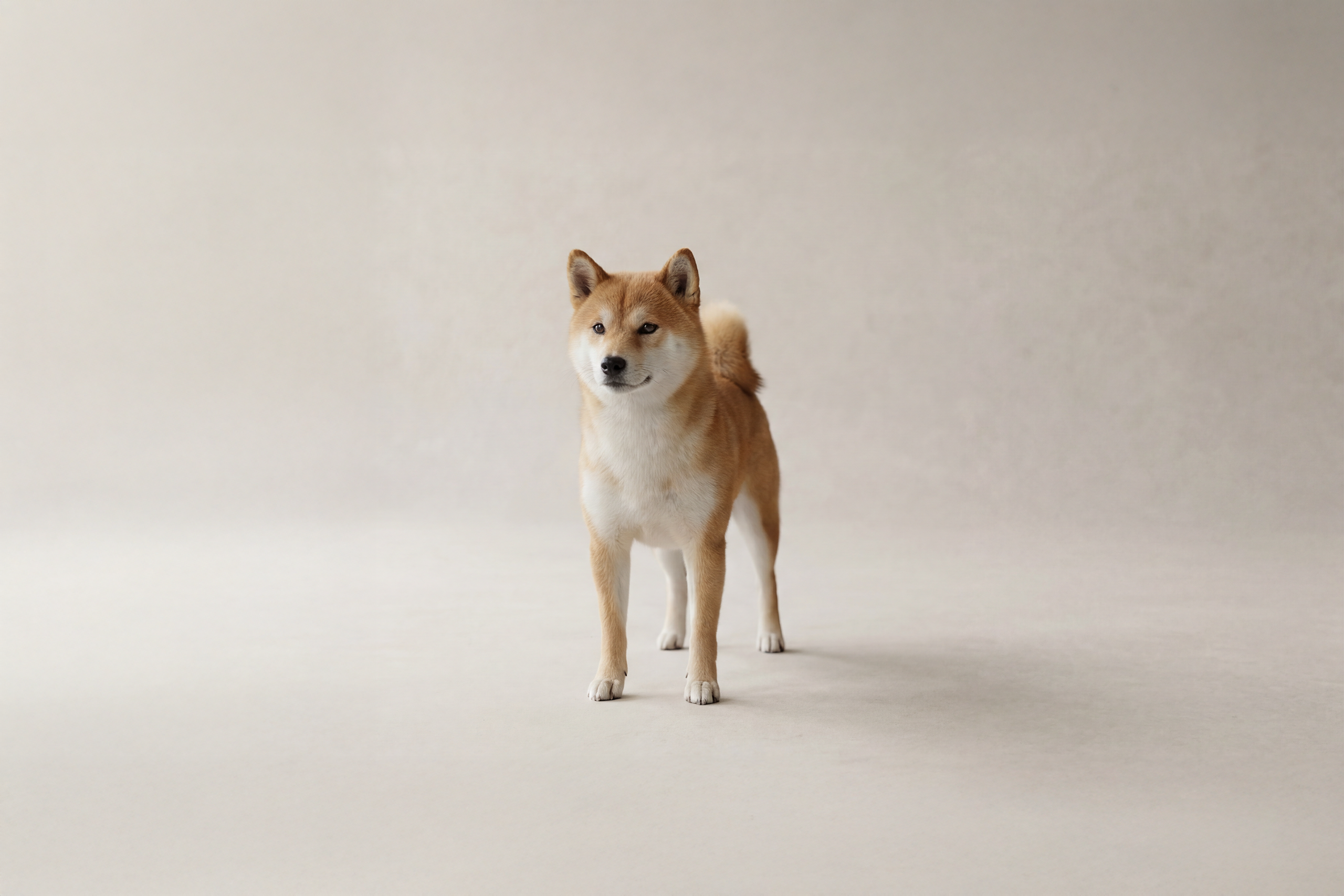
Shiba Inu
Both are independent, cat-like dogs that are hard to train. Shiba Inus are more vocal. Basenjis do not bark and are more athletic, making them better for active experienced owners.
Read more about Shiba Inu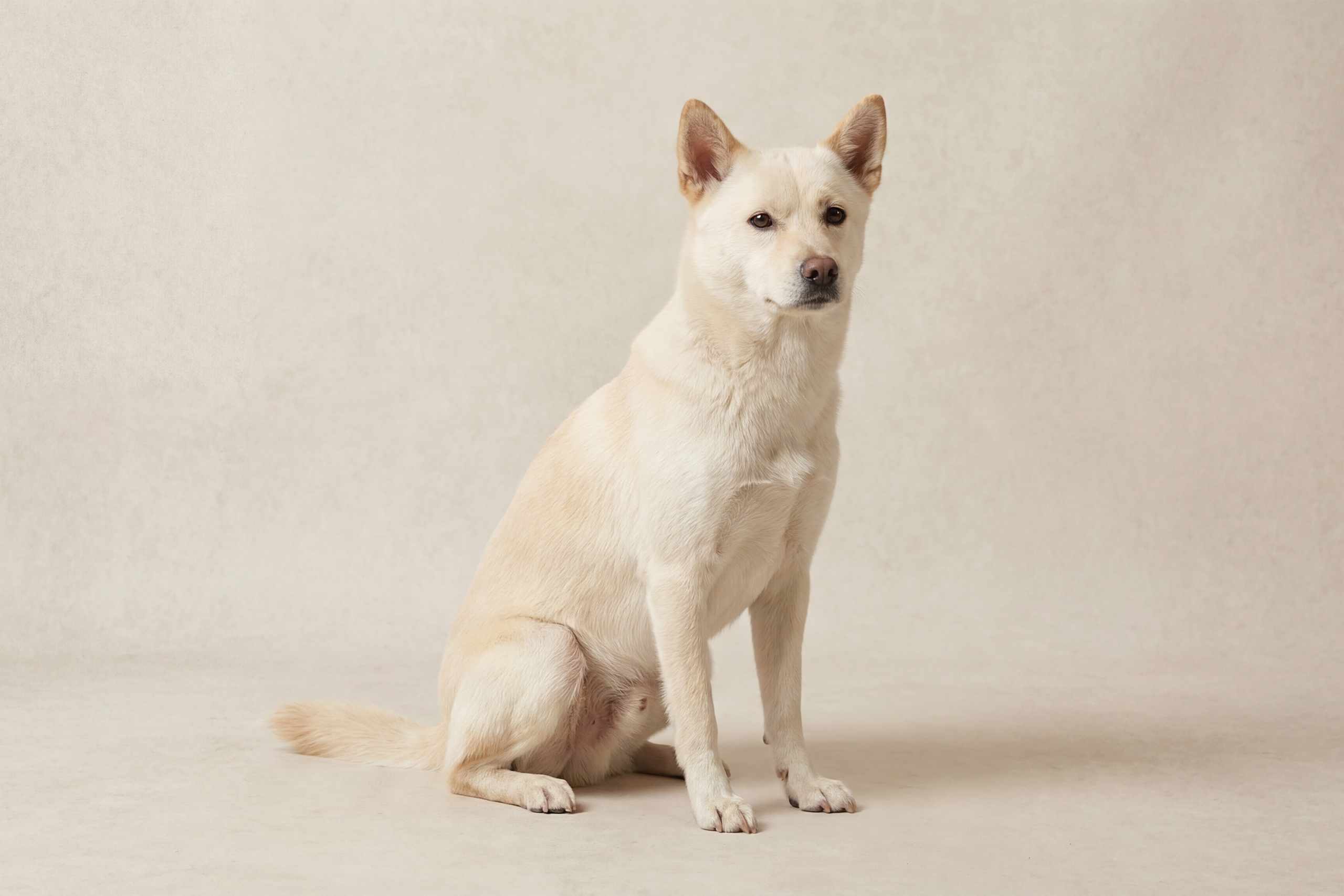
Jindo
Both are independent, loyal, and primitive breeds. Jindos are larger and slightly more trainable. Basenjis are leaner, do not bark, and are better known outside of their home regions.
Read more about Jindo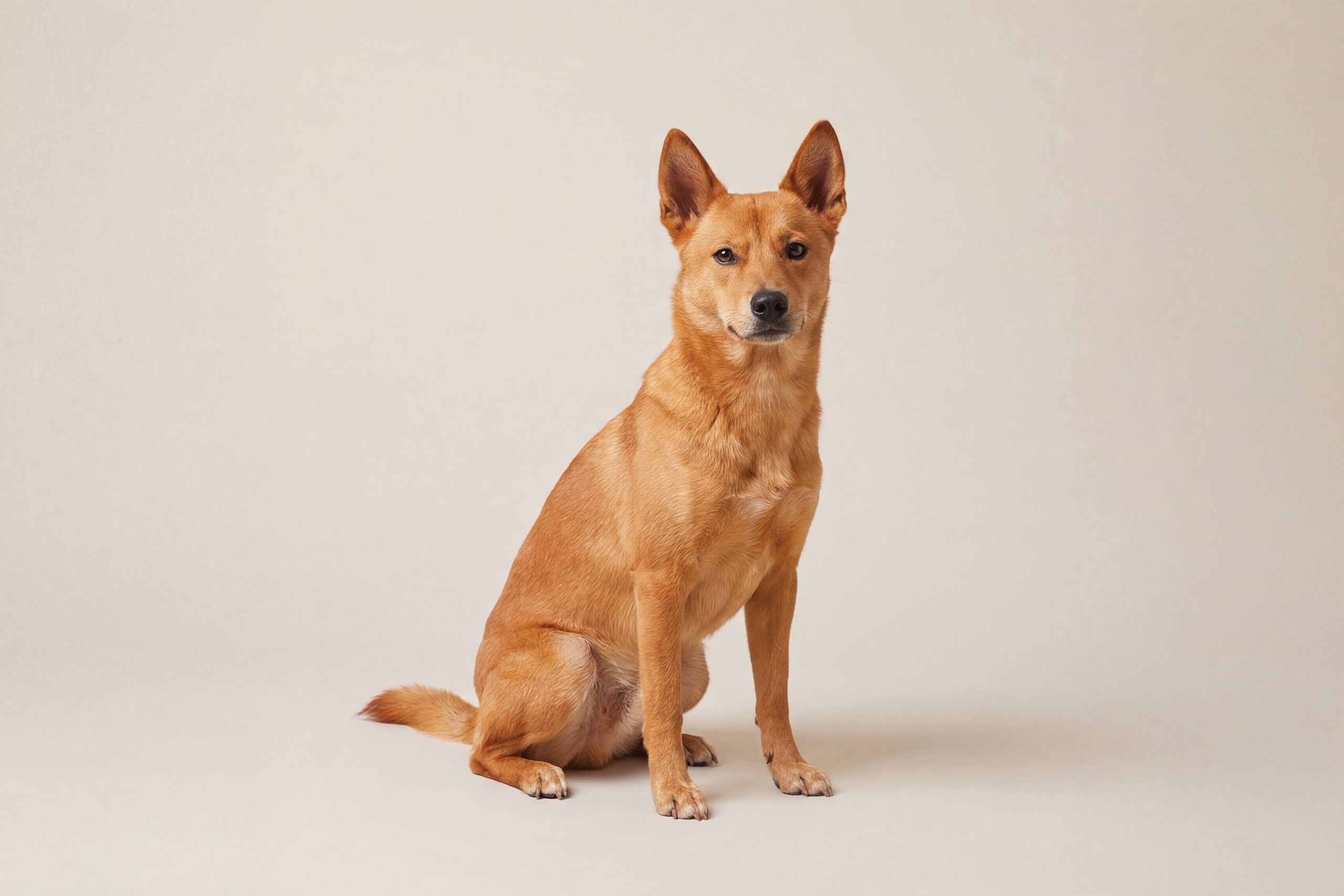
Carolina Dog
Both are primitive, independent breeds with ancient roots. Carolina Dogs are larger and slightly more adaptable. Basenjis are more athletic, do not bark, and are better known overall.
Read more about Carolina Dog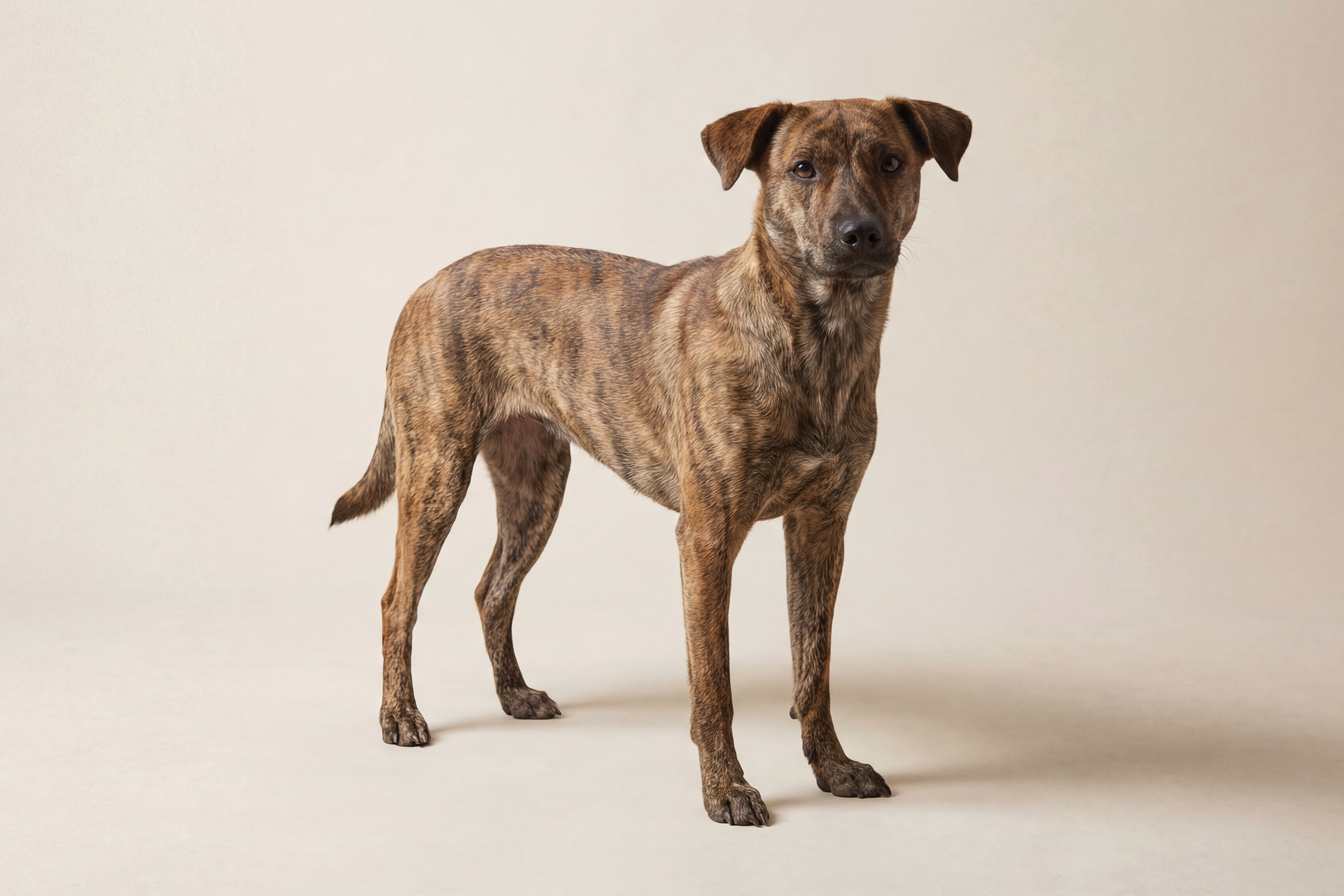
Formosan Taiwanese Mountain Dog
Both are primitive, independent, and athletic breeds. Formosan Mountain Dogs are larger and more protective. Basenjis are leaner, do not bark, and are better known internationally.
Read more about Formosan Taiwanese Mountain Dog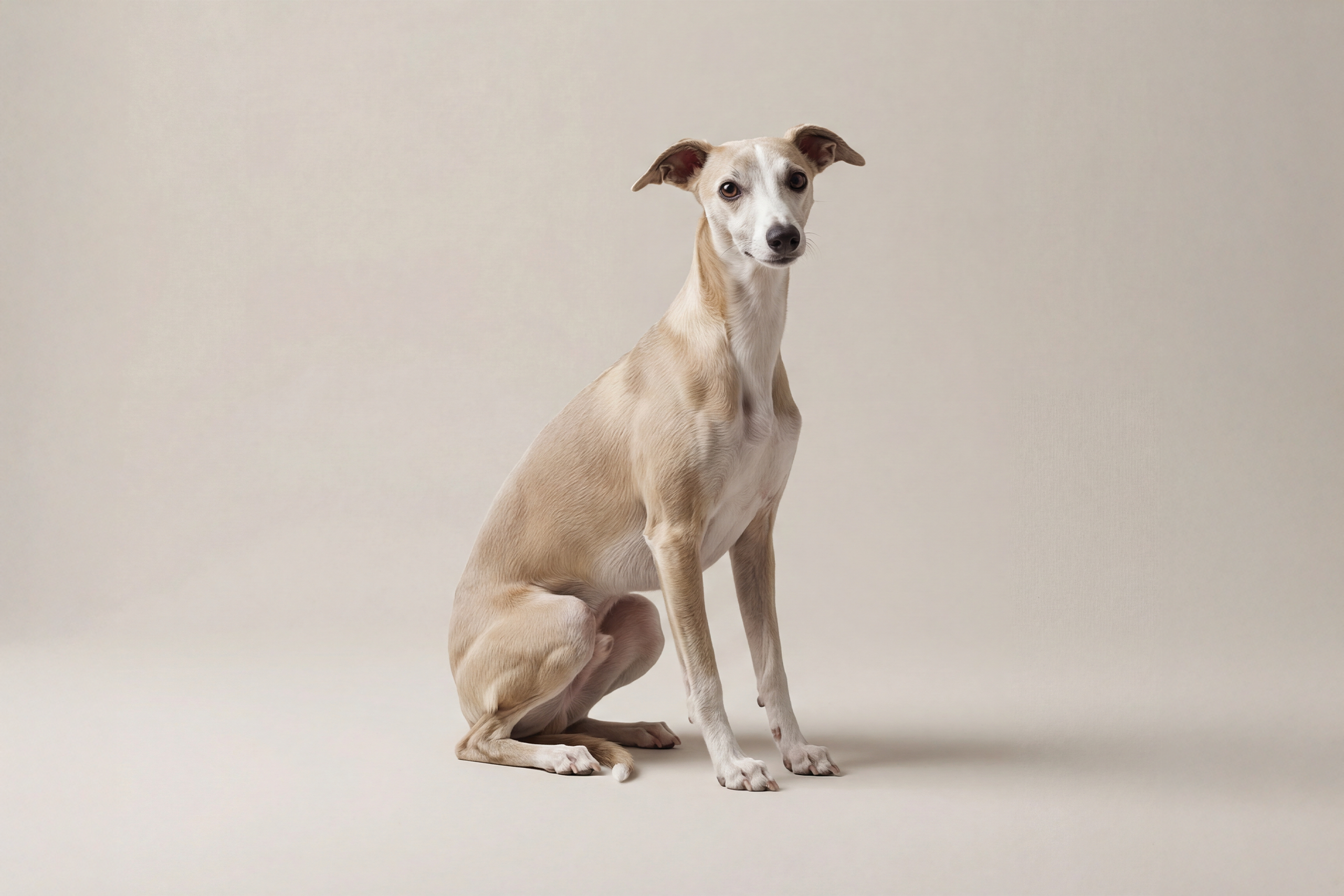
Whippet
Both are athletic, independent, and cat-like in personality. Whippets are larger and more adaptable to family life. Basenjis are more primitive, do not bark, and are harder to train.
Read more about WhippetIs a Basenji right for you?
Basenjis reward the right owner with a unique silence that makes them ideal companions in noise-sensitive living situations and a self-sufficient cat-like quality that makes them genuinely low-maintenance beyond the exercise. They just need fully enclosed outdoor space, experienced ownership, Fanconi syndrome monitoring, and deep respect for their independence in return. If you’re ready for that, you’re ready for a Basenji. Make sure they’re protected from day one.
A few quick words, because we <3 our lawyers: This post is general in nature, and any statement in it doesn’t alter the terms, conditions, exclusions, or limitations of the policies issued, which differ according to your state of residence. You’re encouraged to discuss your specific circumstances with your own professional advisors. The purpose of this post is merely to provide you with info and insights you can use to make such discussions more productive! Naturally, all comments by, or references to, third parties represent their own views, and Lemonade assumes no responsibility for them. Coverage may not be available in all states. Please note that statements about coverages, policy management, claims processes, Giveback, and customer support apply to policies underwritten by Lemonade Insurance Company or Metromile Insurance Company, a Lemonade company, sold by Lemonade Insurance Agency, LLC. The statements do not apply to policies underwritten by other carriers.
Insurance claim data is based on Lemonade pet insurance claims that were settled and paid in 2025.
Average insurance premium data is based on Lemonade’s internal data and reflects the average premium over the last 12 complete months, accurate as of June 2026.
Top pet names are sourced from Lemonade’s database of pet names associated with submitted quotes and purchased policies.
Top states for each breed are based on the number of active Lemonade pet insurance policies for that breed in each state as of June 2026.