

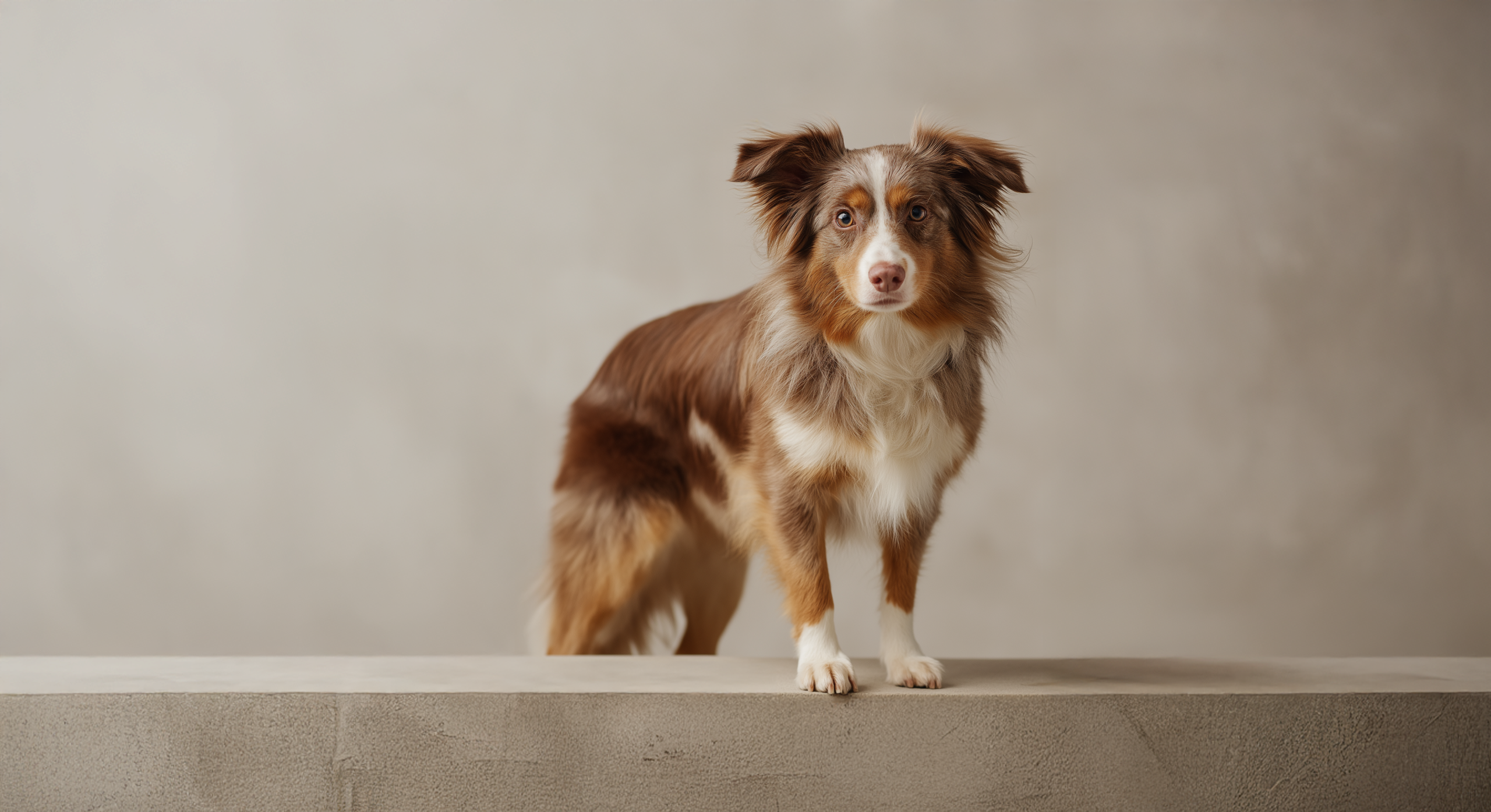

You didn’t land on the Miniature Australian Shepherd by accident. This is a breed people seek out, and for good reason. Highly intelligent and energetic, loyal and deeply bonded to their people, and all the drive of a full-sized Aussie in a more compact package, they’re a natural fit for active families, experienced owners, and anyone who wants a highly trainable, energetic herding dog in a smaller, more manageable size who want a brilliant, devoted companion who thrives when given a job to do and an owner who can match their energy and intelligence. Let’s dig in.
What are the characteristics of a Miniature Australian Shepherd?
Think you know what you’re getting into with a Miniature Australian Shepherd? These scores will either confirm your suspicions or give you something to think about. Either way, good to know now.
Training
| Trait | Score | What does it mean? |
|---|---|---|
| Trainability | 5 out of 5 | Among the most trainable small to medium breeds around. Mini Aussies are sharp, motivated, and pick up new skills at a remarkable pace |
| Obedience | 5 out of 5 | Highly responsive to direction and commands. A well-trained Mini Aussie follows cues reliably and improves quickly with consistent practice |
| Focus | 5 out of 5 | Exceptionally focused and attentive to their handler. Their herding heritage means they are hardwired to stay tuned in to the people they work with |
| Stubbornness | 2 out of 5 | Not a stubborn breed. They are opinionated and energetic, but a Mini Aussie that trusts their handler is a willing and cooperative partner |
Friendliness
| Trait | Score | What does it mean? |
|---|---|---|
| Good with family | 4 out of 5 | Deeply devoted to their family and thrives on being included in daily life. Mini Aussies form intense bonds and want to be wherever you are |
| Good with children | 4 out of 5 | Good with children they are raised with. Their herding instinct may lead to nipping at heels or attempting to herd small children, so early training to redirect this behavior is important |
| Good with strangers | 3 out of 5 | Varies by individual. Some Mini Aussies are warm and sociable with new people, others are reserved or watchful. Early and consistent socialization is essential |
| Good with other dogs | 3 out of 5 | Generally fine with other dogs they are raised alongside, though their herding drive can create friction. Early socialization makes a meaningful difference |
Adaptability
| Trait | Score | What does it mean? |
|---|---|---|
| Apartment living | 3 out of 5 | More adaptable to apartment living than the Standard Aussie, but they still need consistent daily exercise and mental stimulation to stay balanced. A home with outdoor access is ideal |
| Cold weather | 5 out of 5 | Their thick double coat handles cold weather with ease. Mini Aussies are comfortable in cool to cold conditions and enjoy outdoor activity in lower temperatures |
| Hot weather | 2 out of 5 | Their dense double coat can trap heat. Limit intense exercise on very hot days and always provide shade and water |
| Routine flexibility | 3 out of 5 | Adaptable when their physical and mental needs are consistently met, but they thrive with structure, routine, and a clear sense of purpose |
| First time owner | 3 out of 5 | Better suited to owners with some dog experience. Their intelligence, herding instincts, and high energy require confident, consistent handling and a genuine commitment to daily engagement |
Physical needs
| Trait | Score | What does it mean? |
|---|---|---|
| Energy level | 5 out of 5 | High energy for their size. Mini Aussies need substantial daily exercise and will become restless, frustrated, and destructive without it |
| Endurance | 4 out of 5 | Outstanding endurance relative to their size. Built from the same working stock as the Standard Aussie, they can sustain activity for extended periods |
| Exercise needs | 4 out of 5 | Needs at least 60 to 90 minutes of vigorous exercise daily. A walk around the block will not satisfy a Mini Aussie |
| Mental stimulation | 5 out of 5 | One of the most mentally demanding small breeds to own. Without regular challenges and problem-solving, boredom sets in fast and tends to be expressed destructively |
| Grooming needs | 3 out of 5 | Moderate grooming needs. Their medium-length double coat sheds year-round and blows out heavily in spring and fall, requiring consistent brushing to manage |
Personality
| Trait | Score | What does it mean? |
|---|---|---|
| Playfulness | 4 out of 5 | Highly playful and enthusiastic. Mini Aussies love fetch, frisbee, agility, and any game that combines physical activity with mental engagement |
| Affection | 4 out of 5 | Deeply affectionate with their family. Mini Aussies are not aloof dogs and want to be close to the people they love |
| Loyalty | 5 out of 5 | Exceptionally loyal. Mini Aussies form intense bonds and are known to be deeply attuned to their handler's moods and movements |
| Independence | 3 out of 5 | Moderate independence. Confident enough to work on their own but fundamentally people-oriented and prefer to be close to their family |
| Alertness | 4 out of 5 | Highly alert and always scanning their environment. Their natural vigilance makes them excellent watchdogs |
Behavior
| Trait | Score | What does it mean? |
|---|---|---|
| Barking tendency | 3 out of 5 | Not excessive barkers, but will vocalize to communicate, alert, or express frustration when under-stimulated. Boredom increases barking significantly |
| Digging tendency | 3 out of 5 | Moderate digging tendency, particularly when bored or under-exercised. Keeping them active and mentally engaged largely prevents it |
| Chewing tendency | 3 out of 5 | Moderate chewing tendency, especially in adolescence. Providing durable, appropriate outlets and keeping them mentally engaged helps prevent destructive chewing |
| Prey drive | 3 out of 5 | Moderate prey drive rooted in their herding heritage. They may chase small animals, bikes, or joggers. A reliable recall and secure fencing are essential |
| Guarding instincts | 3 out of 5 | Alert and protective of their family and territory without being aggressive. Their watchfulness makes them natural guardians, though they are not bred specifically for protection work |
What are common health issues of a Miniature Australian Shepherd?
Like all breeds, Miniature Australian Shepherds are prone to certain health conditions. Here’s what to keep on your radar.
Hip Dysplasia
A hip joint that develops abnormally, causing pain and arthritis over time. Mini Aussies are an active breed, so stiffness or a changed gait are especially worth catching.
Read more about Hip DysplasiaCollie Eye Anomaly
An inherited eye condition present from birth. It ranges from mild with no vision impact to severe vision loss. A vet can screen for it early in puppies.
Read more about Collie Eye AnomalyEpilepsy
A neurological condition causing recurring seizures. It is relatively common in Mini Aussies and often has a genetic component. Most dogs manage well with long-term medication.
Read more about EpilepsyTorn Cranial Cruciate Ligament
The CCL stabilizes the knee, and active breeds like Mini Aussies are at real risk of tearing it. A sudden rear-leg limp after exercise is the most common first sign.
Read more about Torn Cranial Cruciate LigamentAllergies
Mini Aussies can react to food, pollen, and environmental triggers. Itching, skin irritation, and recurring ear infections are common signs worth discussing with your vet.
Read more about AllergiesWhat are the recommended health tests for Miniature Australian Shepherds?
Your Miniature Australian Shepherd can’t tell you when something’s off. That’s what these tests are for. Here’s what vets typically recommend for them.
-
 Hip dysplasia evaluation (OFA or PennHIP)
 -
ACVO ophthalmologist eye exam (OFA Eye Registry, annually from age 1)
-
MDR1 (Multi-Drug Resistance 1) DNA test via an approved laboratory
-
Hereditary Epilepsy DNA test via an approved laboratory
Do Miniature Australian Shepherds need pet insurance?
We’ll let the numbers do the talking, but spoiler: a lot of Miniature Australian Shepherd owners are really glad they had coverage.
Those numbers aren’t hypotheticals. They’re real claims from real Miniature Australian Shepherd owners in 2025.
The right pet insurance means you’re making decisions based on what your dog needs, not what you can afford.
With Lemonade, you can build a plan around your Mini Aussie specifically. Start with accident and illness coverage as your base, then add on what makes sense for your dog, things like physical therapy, dental illness, or behavioral treatment, and skip what doesn’t. Coverage applies to conditions that aren’t pre-existing (AKA, a condition that occurs after your policy is active and your waiting periods have passed), and you’ll know exactly what’s included before you commit. No fine print ambushes, no surprises at claim time.
And when you do need to file? You can do it in the app in minutes. No paperwork, no hold music, no waiting around.
Miniature Australian Shepherds are worth protecting with proper coverage. Here’s how to do it right.
How much does pet insurance cost?
The cost of your premium is personal. It depends on your Mini Aussies age, your location, and what you add to your plan. That said, here’s a realistic look at what other Miniature Australian Shepherd owners pay with Lemonade:
| Age | Average monthly premium |
|---|---|
| 1 year old | $50-$55 |
| 2 years old | $45-$50 |
| 3 years old | $50-$55 |
| 4 years old | $55-$60 |
| 5 years old | $60-$65 |
| 6 years old | $60-$65 |
| 7 years old | $75-$80 |
Not sure if Lemonade is the right fit for your Mini Aussie?
See how we stack up. Compare pet insurance options side by side and find the coverage that fits your Miniature Australian Shepherd and your budget.
History of the Miniature Australian Shepherd
The Miniature Australian Shepherd is a direct descendant of the Australian Shepherd, developed in the United States in the late 1960s by selectively breeding smaller Standard Australian Shepherds while preserving all of the original breed's working instincts, intelligence, and physical characteristics. The development of the breed is largely credited to Doris Cordova of Norco, California, who began selectively breeding smaller Aussies in 1968 with the goal of producing a compact herding dog that retained the full-sized dog's capabilities but was more practical for owners without large properties or livestock operations. The resulting dogs were initially called Miniature Australian Shepherds, and the breed gained early popularity in the rodeo circuit, where their athleticism, trainability, and striking appearance caught the attention of audiences and competitors across the country. The breed was later renamed the North American Shepherd by some registries in an effort to distinguish it from the Standard Australian Shepherd. In 2011, the AKC began recording the breed in its Foundation Stock Service under the name Miniature American Shepherd, and the breed was fully recognized by the AKC in 2015 under that name. The name Miniature Australian Shepherd is still widely used informally and by some registries, and many breeders and owners continue to use both names interchangeably. The breed shares the same gene pool, working heritage, and temperament as the Standard Australian Shepherd, and the MDR1 gene mutation that makes certain medications toxic to Standard Aussies is equally prevalent in the Miniature. Prospective owners should ensure MDR1 testing is completed before any medication is administered.
Caring for a Miniature Australian Shepherd
Training
Training a Miniature Australian Shepherd is straightforward, but it’s worth the effort. They are intelligent, alert, and driven to work, which means they thrive with structured training that gives their active minds something to focus on. Positive reinforcement paired with task-based training and early socialization tends to work best, and getting started early makes a real difference.
Whether you’re starting from scratch or leveling up, these are worth the read.
Grooming
Miniature Australian Shepherds have a medium-length double coat that requires moderate grooming. Brush 2 to 3 times per week year-round, increasing to daily during heavy spring and fall shedding seasons, and the occasional bath keeps them looking their best. Regular ear checks help prevent ear infections, which this breed can be prone to.
From nail trims to professional care, here’s everything you need to keep your Mini Aussie looking (and feeling) their best.
Exercise and mental stimulation
Miniature Australian Shepherds have high energy levels and need 60 to 90 minutes of exercise each day to stay happy and healthy. Frisbee, agility training, and herding games are all great ways to burn through that energy. But physical exercise is only half the picture. Miniature Australian Shepherds are highly intelligent dogs, and mental stimulation is just as important as the miles you put in. Without it, they become restless, destructive, and may develop obsessive herding behaviors. Puzzle toys, training sessions, and scent work are all solid ways to keep their brain engaged between walks.
Here’s how to build an exercise routine your Miniature Australian Shepherd will actually love.
Nutrition
Miniature Australian Shepherds are small to medium dogs with high energy, so they need a diet to match. Most adults do well on around 700 to 900 calories a day, spread across two meals. Depending on what you’re feeding them, expect to spend around $35 to $55 a month on food. Not the cheapest line item, but not the most expensive either.
What goes in the bowl is your call, and your vet’s. Kibble, raw, fresh, or a combination: there’s no single right answer. Focus on quality ingredients, the right portions for your dog’s age and activity level, and you’re most of the way there.
Get the full picture on feeding a Miniature Australian Shepherd here.
Miniature Australian Shepherd costs and adoption
What does it cost to bring home a Miniature Australian Shepherd?
Before your Miniature Australian Shepherd even sets a paw in your home, there are some one-time costs worth planning for. Here’s what to expect upfront.
| Category | Cost Range | Details |
|---|---|---|
| Adoption (Reputable breeder) | $800-$2,500 | Health testing, vaccinations, early socialization, pedigree |
| Adoption (Rescue/shelter) | $50-$300 | Basic veterinary care, spay/neuter, temperament evaluation |
| Initial veterinary care | $300-$500 | Exam, vaccinations, spay/neuter if needed, microchip |
| Essential supplies | $100-$300 | Crate, bed, leash, collar, food bowls, toys |
| Training classes | $100-$200 | Basic obedience, puppy socialization |
Unexpected costs have a way of showing up in year one more than any other. A starter emergency fund alongside a solid pet insurance plan is the best way to make sure they don’t catch you off guard.
What does it cost to own a Miniature Australian Shepherd each year?
Once you’re past year one, ownership costs settle into a more predictable rhythm. Here’s what most Miniature Australian Shepherd owners spend annually, though keep in mind these numbers can vary quite a bit depending on where you live, your dog’s individual health needs, and the choices you make along the way.
| Category | Annual cost | Details |
|---|---|---|
| Food and treats | $400-$800 | Based on the recommended portion for your Miniature Australian Shepherd |
| Routine Veterinary Care | $500-$1,000 | Wellness exams, vaccinations, dental care |
| Professional Grooming | $200-$400 | Every Every 6 to 8 weeks, Medium-length double coat blows out heavily in spring and fall; daily brushing and a deshedding tool are essential during shedding seasons. |
| Toys and Supplies | $100-$300 | Replacement items, mental stimulation toys |
What are popular Miniature Australian Shepherd names?
We’ve crunched the numbers, and found the top 10 most popular names for Miniature Australian Shepherd we see at Lemonade.
More names where those came from. If none of these are clicking, we’ve done the digging for you. Go find the one that sticks.
Miniature Australian Shepherd puppies
Puppy veterinary needs
The first year matters a lot. What happens between 8 weeks and 12 months shapes who this dog becomes. Here’s what to focus on.
The first few months are the most important window for your puppy’s health. Core vaccines start at 6–8 weeks and continue through 16 weeks. After that, its annual boosters and routine screening as they grow into adults.
It’s a lot to keep track of. That’s why we made it easy.
Puppy socialization
Miniature Australian Shepherd puppies are energetic, intelligent, and deeply attuned to the people they work and live with. That an unmatched work ethic in a compact package and a loyalty that rewards the right owner in ways few breeds can match is part of what makes them an active owner who can provide at least 60 to 90 minutes of vigorous daily exercise, consistent mental challenges, and confident leadership, and it’s also why early socialization matters so much.
Between 8 and 16 weeks, get them in front of as much variety as possible. Different people, animals, sounds, surfaces, and locations. Keep every experience positive. Puppy classes are great for this: supervised, controlled, and full of exactly the kind of novelty a Miniature Australian Shepherd brain needs to learn that the world is mostly fine.
Where are Miniature Australian Shepherd’s most popular in the United States?
Based on Lemonade’s own policyholder data, Miniature Australian Shepherds are most popular in these five states. We’ve also thrown in a few things local pet owners should keep an eye on, so your pup can get out there and explore safely.
1. Texas
Texas heat is intense and sets in early. Hot pavement can burn paws from late spring through early fall, and heatstroke risk is high during midday walks in cities like Houston, Dallas, and San Antonio. Rattlesnakes, scorpions, and fire ants are also common hazards, particularly in suburban and rural areas.
2. California
Foxtail grass is one of the sneakiest hazards for California dogs. The barbed seeds can embed in paws, ears, and noses from late spring through early fall, so check your dog after any outdoor time. Wildfire smoke is also a real seasonal concern; when air quality alerts are in effect, it's best to keep walks short and stay indoors as much as possible.
3. New York
In New York City, street hazards are the main thing to watch. Dropped food, discarded gum containing xylitol, and litter are common ingestion risks on sidewalks and in parks. Upstate and in Long Island, the story shifts to ticks: New York is a Lyme disease hotspot, and black-legged ticks are active from early spring through late fall.
4. Florida
Florida's heat and humidity make heatstroke a real risk, especially in summer. Keep walks to cooler parts of the day and always bring water. Blue-green algae blooms in freshwater lakes and ponds can also be toxic to dogs, so it's best to keep pups out of standing or slow-moving water, particularly from late summer into fall.
5. Washington
Western Washington's wet, mild climate creates near-perfect conditions for fleas year-round, and slugs in the Pacific Northwest can carry lungworm, a parasite dogs can pick up by sniffing or eating them. Eastern Washington and the Cascades bring different risks, including rattlesnakes and wildlife encounters on trails, so knowing which side of the mountains you're on matters.
Breed comparison
Already leaning toward a Miniature Australian Shepherd? These breeds often get compared, here’s a quick snapshot of how they stack up.
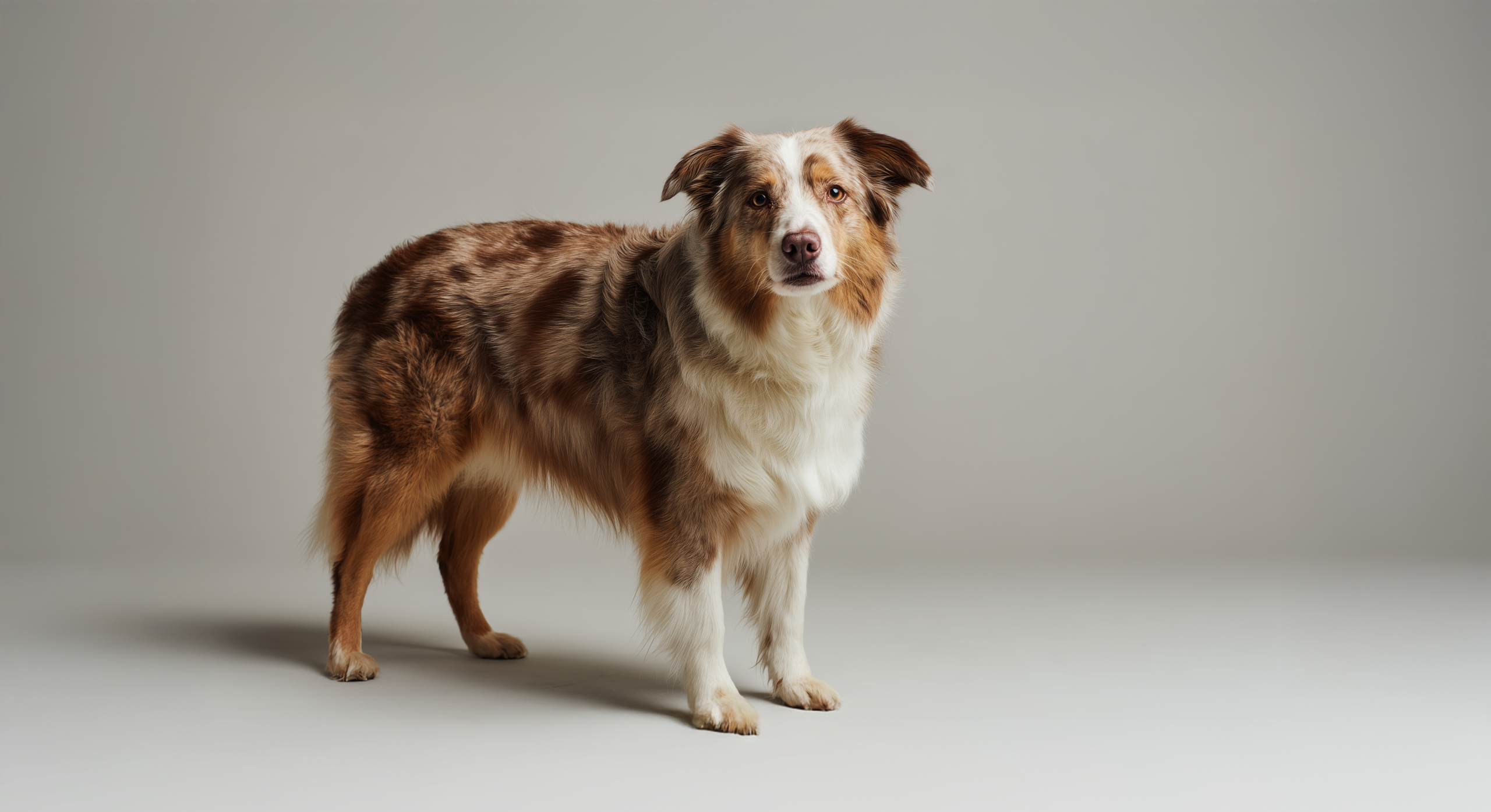
Australian Shepherd
Both share the same temperament and herding instincts. Standard Aussies need more room and are better for active owners. Mini Aussies are better suited to limited space.
Read more about Australian Shepherd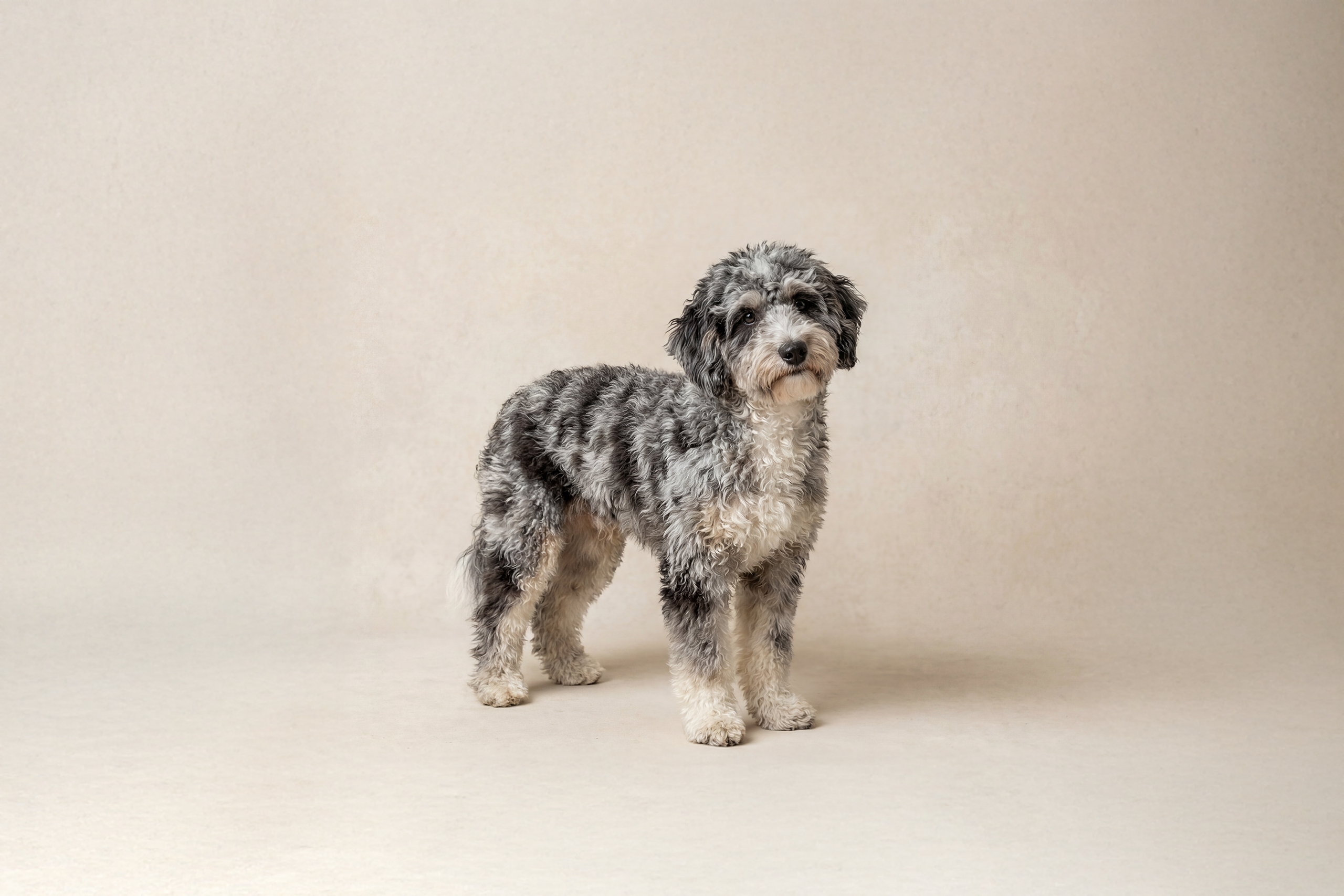
Aussiedoodle
Both are smart and active. Aussiedoodles shed less and may be slightly calmer. Mini Aussies are more consistent in temperament and better for structured activities.
Read more about Aussiedoodle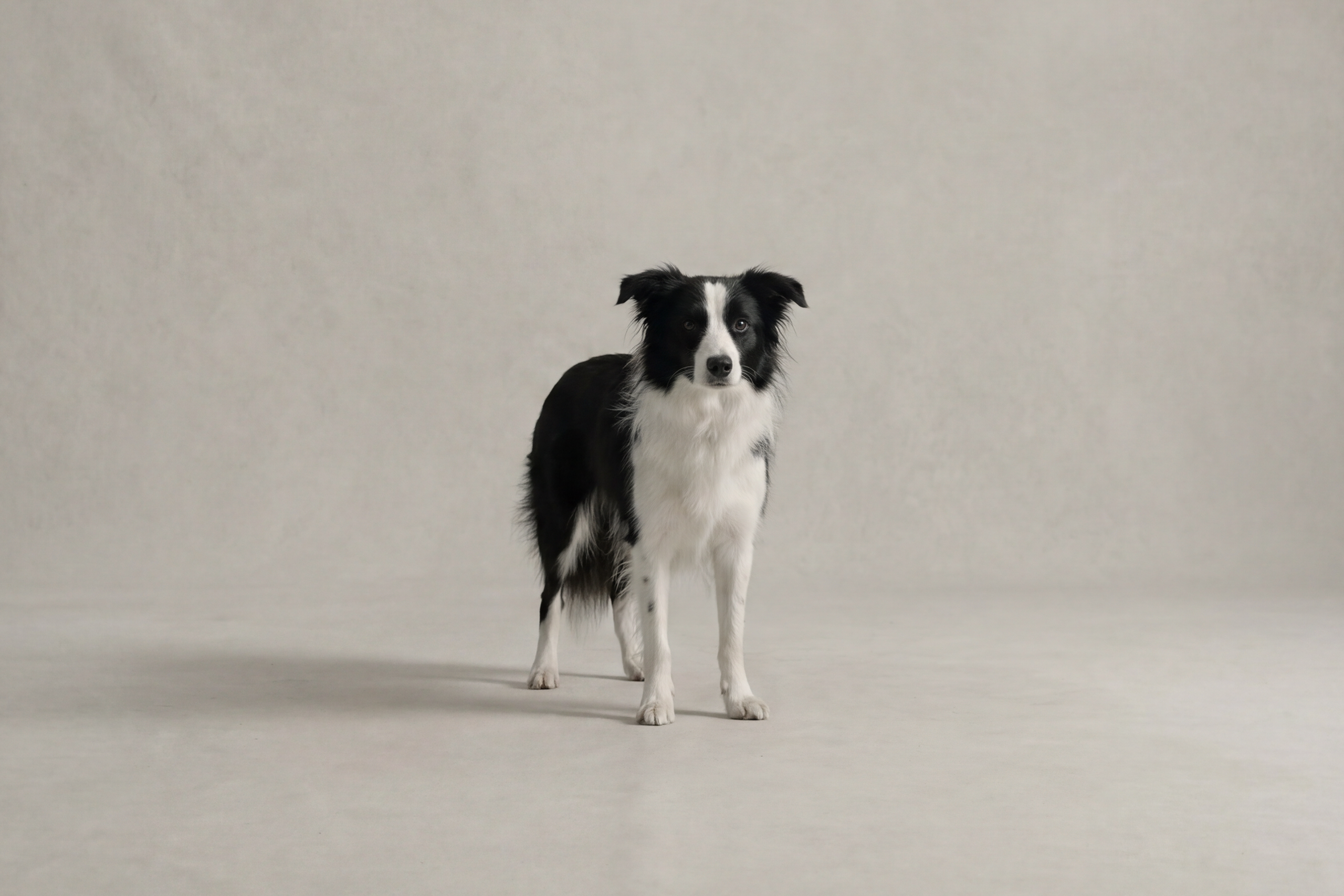
Border Collie
Both are highly intelligent herding breeds. Border Collies are more intense and driven. Mini Aussies are slightly more adaptable and better suited to family life.
Read more about Border Collie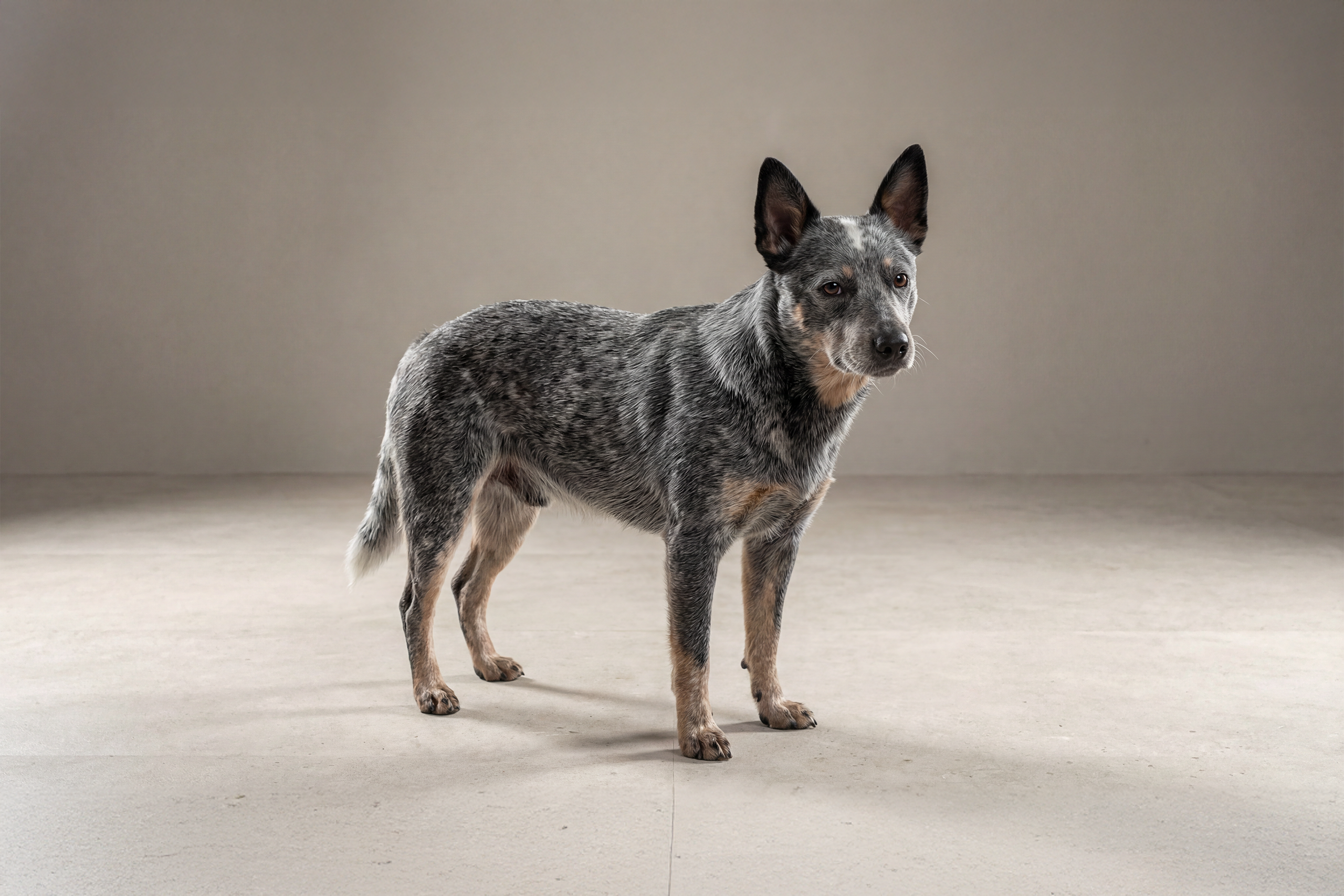
Australian Cattle Dog
Both are energetic, intelligent herding breeds. Cattle Dogs are more independent and stubborn. Mini Aussies are more people-oriented and better suited to family life.
Read more about Australian Cattle Dog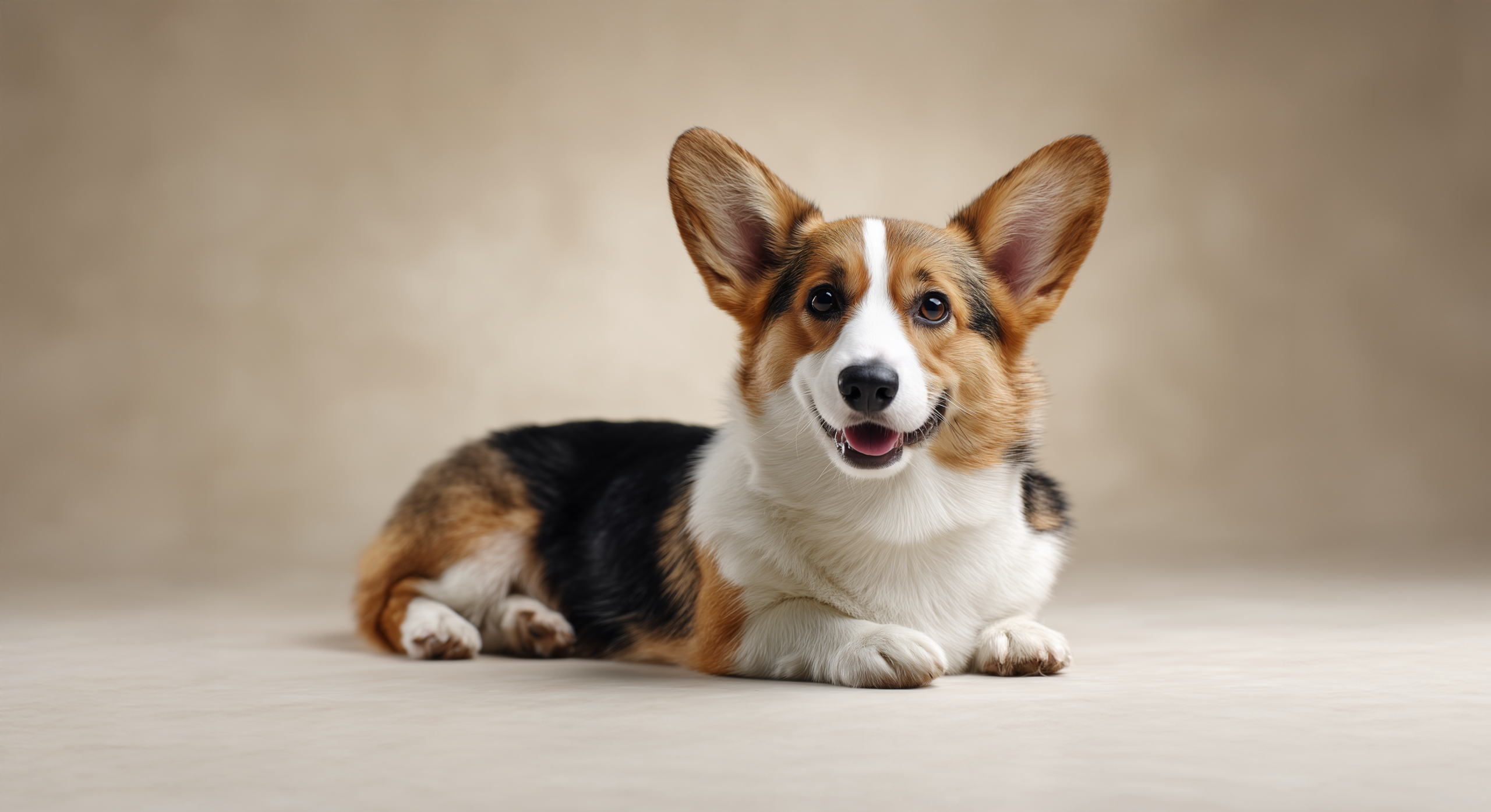
Pembroke Welsh Corgi
Both are compact, intelligent herding breeds. Corgis are more vocal and better known as family companions. Mini Aussies are more athletic and have stronger herding instincts.
Read more about Pembroke Welsh CorgiIs a Miniature Australian Shepherd right for you?
Miniature Australian Shepherds reward the right owner with a deeply loyal, highly capable companion that rewards the right owner with an extraordinary bond and impressive versatility and an intelligence and athleticism that punches well above its weight class. They just need an active, experienced owner who can provide daily vigorous exercise, consistent mental stimulation, and confident leadership from day one in return. If you’re ready for that, you’re ready for a Miniature Australian Shepherd. Make sure they’re protected from day one.
A few quick words, because we <3 our lawyers: This post is general in nature, and any statement in it doesn’t alter the terms, conditions, exclusions, or limitations of the policies issued, which differ according to your state of residence. You’re encouraged to discuss your specific circumstances with your own professional advisors. The purpose of this post is merely to provide you with info and insights you can use to make such discussions more productive! Naturally, all comments by, or references to, third parties represent their own views, and Lemonade assumes no responsibility for them. Coverage may not be available in all states. Please note that statements about coverages, policy management, claims processes, Giveback, and customer support apply to policies underwritten by Lemonade Insurance Company or Metromile Insurance Company, a Lemonade company, sold by Lemonade Insurance Agency, LLC. The statements do not apply to policies underwritten by other carriers.
Insurance claim data is based on Lemonade pet insurance claims that were settled and paid in 2025.
Average insurance premium data is based on Lemonade’s internal data and reflects the average premium over the last 12 complete months, accurate as of June 2026.
Top pet names are sourced from Lemonade’s database of pet names associated with submitted quotes and purchased policies.
Top states for each breed are based on the number of active Lemonade pet insurance policies for that breed in each state as of June 2026.