Does Homeowners Insurance Cover Septic Tanks?
Everything you need to know about septic tanks and what's covered under your homeowners insurance.

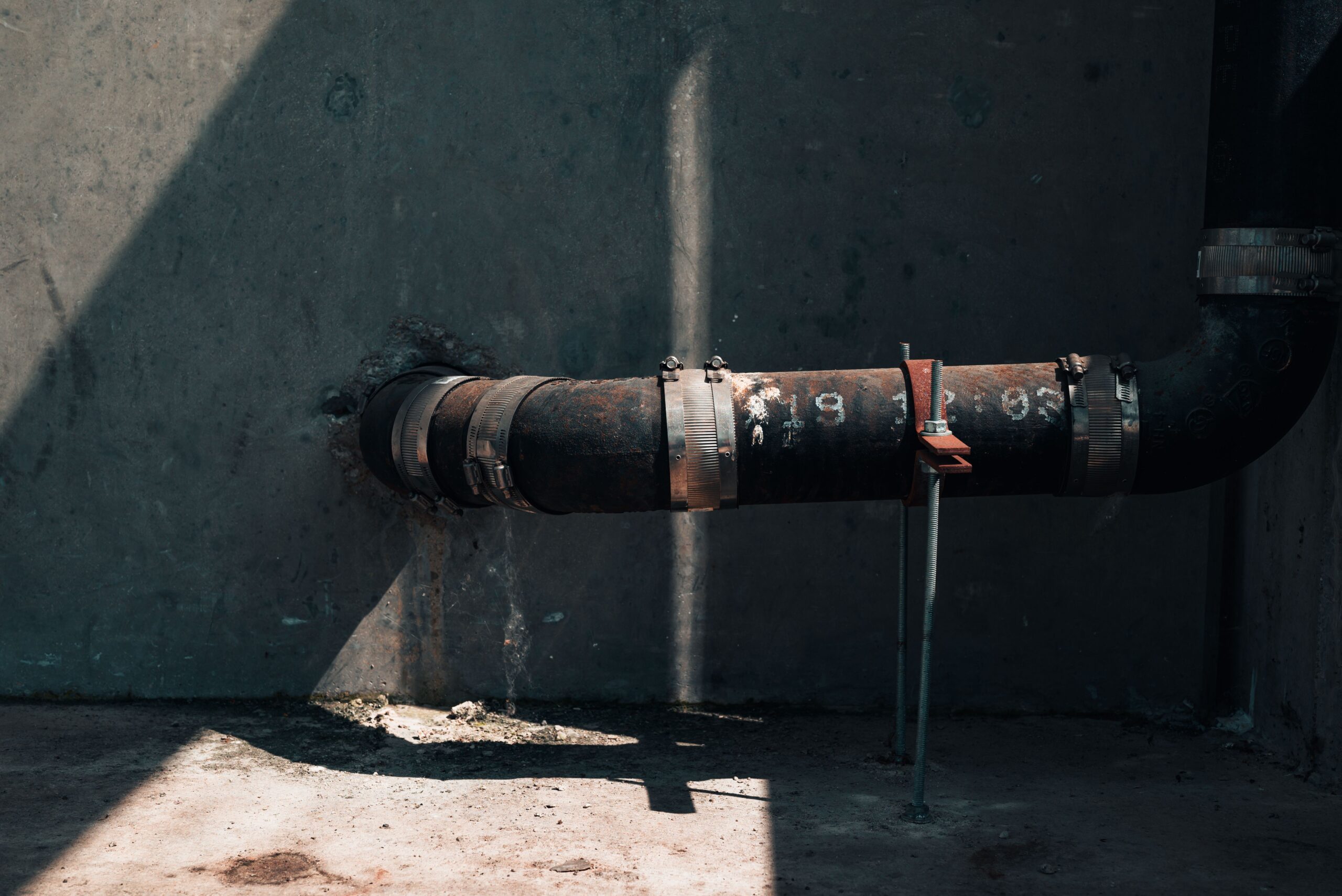
Everything you need to know about septic tanks and what's covered under your homeowners insurance.
Homeowners insurance may cover septic tank damage from a sudden, covered event like fire, lightning, or a fallen tree. It usually won’t cover wear and tear, neglect, tree roots, flooding, or earthquakes. Sewage backing up into your home is a different story, and typically needs a separate water backup add-on.
 TL;DR
Usually, under other structures coverage (Coverage B), but only for sudden, covered events like fire or a fallen tree. Wear and tear, roots, and floods are all excluded, which is why most septic problems don’t turn into paid claims.
Insurers don’t all label septic systems the same way, which is why you’ll see conflicting answers online. Some guides say dwelling coverage. Others say other structures.
The reason is simple. The tank and drain field sit underground, outside your home, and aren’t attached to it. That’s how insurers usually treat detached things like fences, sheds, and pool equipment.
With Lemonade, the Coverage B limit is typically 10% of your dwelling coverage, so $300,000 on your home means $30,000 for everything detached. Your declarations page shows your exact number.
| Component | Typically covered under | Notes |
|---|---|---|
| Septic tank (including lid and risers) | Other structures (Coverage B) | Covered if a sudden, covered event damages it. Cracks from age or roots aren’t. |
| Distribution box | Other structures (Coverage B) | Same rules as the tank. It’s often damaged by roots or settling, which aren’t covered. |
| Drain field | Other structures (Coverage B) | Covered if physically damaged by a covered event. Clogs and failure from overuse aren’t. |
| Underground pipes between house and tank | Other structures (Coverage B), and possibly Buried Utility | Pipes inside the house wall fall under dwelling coverage instead. |
| Pump and alarm | Other structures (Coverage B) | Lightning and power surge damage are common examples. Mechanical wear isn’t covered. |
Coverage depends on the cause. If a sudden, accidental event damages your septic system, it may be covered. Here’s what that can look like:
Almost 9 in 10 Lemonade other structures claims – driven primarily by above-ground structures like sheds, fences, and detached garages – were caused by weather. (Based on internal Lemonade data, 2026.)
Most septic problems come from time, use, and soil, not one dramatic event. Those aren’t covered:
The cause of the damage decides coverage, not the damage itself. A cracked tank can be covered if a tree did it, and not covered if roots did it. Take photos and notes about what happened right away.
Here’s how common situations usually play out. Every policy is different, so treat this as a guide, not a promise.
| Scenario | Typically covered? | Why | What to do |
|---|---|---|---|
| Lightning damages the pump | Usually | Lightning is a sudden, covered event. | Photograph the pump and panel, keep the repair invoice, and file a claim. |
| A tree falls and cracks the tank lid | Usually | A falling tree is a covered event. | Keep people and pets away, photograph the tree and lid, and file a claim. |
| A car drives over and crushes the tank | Sometimes | A car accident can be covered. Repeated driving over the tank is treated as neglect or misuse. | Document what happened, call a septic pro, and file a claim. |
| Roots crack the pipes | Usually not | Root damage is gradual and preventable. | Call a licensed septic pro. Include roots in your yearly inspection. |
| Tank fails from age | Usually not | Wear and tear isn’t covered. | Get a repair quote. A home warranty or savings may help. |
| Drain field fails from clogging | Usually not | Clogs come from use and maintenance, not a sudden event. | Get an inspection, and cut water use until it’s fixed. |
| Flood damages the system | Usually not | Flood is excluded from standard homeowners policies. | Check whether you have separate flood insurance, and ask about its septic limits. |
| Sinkhole collapses the tank | Usually not | Earth movement is excluded, unless you have sinkhole coverage where it’s offered | Keep clear of the area and call a pro and your insurer. |
| Sewage backs up into the home | Sometimes | Standard policies generally exclude it. A water backup add-on may cover it. | Stop using water, call a cleanup pro, and contact us. |
| Fire damages the system | Usually | Fire is a covered event. | Document the damage and file a claim. |
| Vandalism | Usually | Vandalism is a covered event. | File a police report and then a claim. |
Usually not on its own. A standard policy generally excludes damage from sewage or drain backups. A water backup add-on can fill that gap.
When a backup is covered, the add-on may pay for:
It usually won’t pay to fix the septic system that caused it. A clogged or failed tank is a maintenance problem, and that’s not covered.
Yes. It’s called Water Back-Up, and you can add it to your policy in states where it’s available. It’s optional, so check your declarations page to see if you have it. Not sure? We’re happy to help you look.
Backups are one of the few septic problems you can plan for. If your home has a septic system, check your declarations page for Water Back-Up before you need it.
Both move wastewater away from your home, but the coverage questions differ because the ownership does.
A septic system is private. You own it, maintain it, and pay for it. A municipal sewer connects to a public system, where the city usually owns the main line and you own the pipe running from your house to it. Where that ownership line sits varies by city, so check with yours.
| Septic system | Municipal sewer line | |
|---|---|---|
| Who owns it | You own the whole system | You usually own the pipe from your home to the city connection. The city owns the main. |
| Who maintains it | You (pumping, inspections, repairs) | You maintain your section. The city maintains the main. |
| Typical coverage | Sudden, covered events, usually under other structures coverage | Sudden, covered events on your property, usually under other structures coverage |
| Common add-on | Water backup | Water backup, and service line or buried utility coverage |
Where Lemonade’s Buried Utility fits: Available in select states, Buried Utility Coverage is a Lemonade add-on that covers qualifying underground pipes and utility lines on your property. It doesn’t cover the septic tank or drain field itself. Where available, it typically costs $3.25 per month, includes a $500 deductible, and covers up to $10,000 in damage, subject to endorsement terms, conditions, and exclusions.
The national average to repair a septic tank is $1,828, and a brand-new tank runs $3,000 to $9,500. Your number will shift with location, system type, and soil, so here’s the full breakdown before you decide whether to file.
| Repair type | Typical range |
|---|---|
| Septic tank repair | $627 to $3,041, with a national average of $1,828 |
| New septic tank (tank only) | $3,000 to $9,500 |
| Aerobic system replacement | $10,000 to $20,000 |
| Tank and drain field replacement | Most homeowners pay $5,000 to $12,000 |
| Drain field only | Around $7,000 |
| Routine pumping | $300 to $600 every few years |
If you’re facing a bill like this, we know that’s stressful. Here’s how it could work with insurance.
This is a made-up example, not a real claim or a Lemonade promise.
A storm drops a tree on your septic tank, cracking it. A tank-only replacement costs $6,000. Your deductible is $1,000. Your other structures limit is high enough to cover the loss.
$6,000 repair − $1,000 deductible = $5,000 payout
Now say the replacement costs $14,000 and your other structures limit is $10,000. Your payout is capped at that limit, no matter the bill. That’s why it’s worth checking your limit before something happens.
Insurers look at the history. If a problem was there before the event, or neglect made the damage worse, they can deny the claim or reduce the payout.
Regular maintenance helps your case. The EPA says the average household septic system should be inspected at least every three years by a septic service professional. Household septic tanks are typically pumped every three to five years.
Probably not a special policy, but a few things are worth checking.
The best claim is the one you never need to file. Based on EPA guidance, here’s what keeps a system healthy:
| Task | How often |
|---|---|
| Pump the tank | Every three to five years (more often for high use) |
| Professional inspection | At least every three years |
| Inspect systems with pumps or mechanical parts | Yearly (EPA says alternative systems need more frequent checks) |
| Check for wet spots, odors, or slow drains | Monthly |
| Review tree and shrub placement | Yearly |
| Update your records file | After every service |
Mark where your tank and drain field are, and keep a sketch with your records. It saves time with contractors and helps you remember to keep cars and heavy equipment off the area.
A septic system is easy to forget until something goes wrong. Check your other structures limit, keep your pump-out records somewhere safe, and ask about water backup coverage. Questions about your own policy? We’re happy to help.
Only if a sudden, covered event destroyed the tank, like a fire, lightning, or a fallen tree. If it failed from age, roots, or wear and tear, you’ll likely pay yourself. Your other structures limit and deductible also affect how much a policy would pay toward a replacement.
Usually not on its own. Standard policies generally exclude sewage and drain backups. A water backup add-on may cover cleanup and damaged belongings in your home, but it typically won’t pay to repair the septic system that caused the backup.
It depends on why it failed. A collapse from a car accident or a falling tree may be covered. A collapse from age, neglect, or a sinkhole usually isn’t. The cause of the damage decides coverage, so document what happened and call your insurer.
Sometimes. Physical damage from a covered event, like fire or a crushed pipe from a car accident, may be covered. Clogs, overuse, and gradual failure aren’t. The drain field is usually treated like the rest of your septic system under other structures coverage.
Usually not. Roots grow slowly, which makes the damage gradual and preventable, and insurers treat it as maintenance. If a storm knocks a tree onto your tank, that’s different. A falling tree is a sudden event and may be covered.
Not usually. Your homeowners policy generally treats your septic system like other covered property. But you may want a water backup add-on, a higher other structures limit, or flood coverage if you live in a flood zone. Ask your insurer which apply to you.
A few quick words, because we <3 our lawyers: This post is general in nature, and any statement in it doesn’t alter the terms, conditions, exclusions, or limitations of the policies issued, which differ according to your state of residence. You’re encouraged to discuss your specific circumstances with your own professional advisors. The purpose of this post is merely to provide you with info and insights you can use to make such discussions more productive! Naturally, all comments by, or references to, third parties represent their own views, and Lemonade assumes no responsibility for them. Coverage may not be available in all states. Please note that statements about Coverage, endorsements (including Water Back-Up and Buried Utility Coverage), limits, deductibles, and pricing are subject to state availability, underwriting eligibility, and the specific terms, conditions, and exclusions of your policy. Underwritten by Lemonade Insurance Company. The statements do not apply to policies underwritten by other carriers.
Please note: Lemonade articles and other editorial content are meant for educational purposes only, and should not be relied upon instead of professional legal, insurance or financial advice. The content of these educational articles does not alter the terms, conditions, exclusions, or limitations of policies issued by Lemonade, which differ according to your state of residence. While we regularly review previously published content to ensure it is accurate and up-to-date, there may be instances in which legal conditions or policy details have changed since publication. Any hypothetical examples used in Lemonade editorial content are purely expositional. Hypothetical examples do not alter or bind Lemonade to any application of your insurance policy to the particular facts and circumstances of any actual claim.