

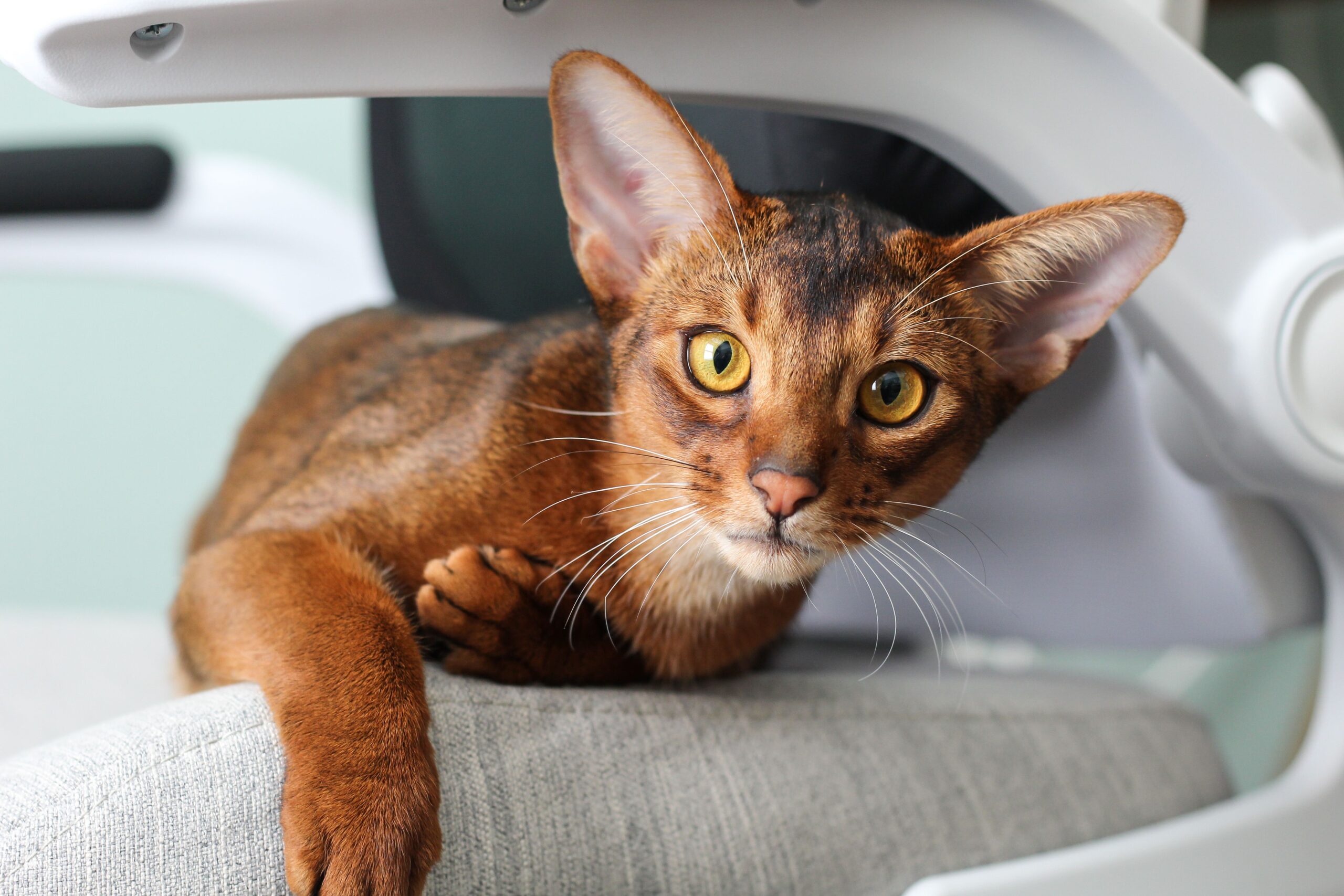



Abyssinians are one of the oldest cat breeds in the world, and they have the energy to prove it. They’re fast, curious, and constantly in motion. They don’t lounge. They investigate. They don’t watch from a distance. They climb to the highest point in the room and survey everything from above. If you’re an energetic owner or a family with older kids who wants a fast-moving, endlessly inquisitive cat that makes every day a little more entertaining, keep reading.
 TL;DR
TL;DR
- Active, athletic, and endlessly curious. This is not a lap cat. It is, however, one of the most entertaining cats you can own.
- One of the lowest-maintenance coats around. A quick weekly brush is genuinely all they need.
- Watch for PRA and PK-Def. Both have a known genetic component in this breed and are worth screening for early.
- Very high energy, exceptional intelligence. Without enough stimulation, they will find their own entertainment. You will not like what they choose.
- For context: Lemonade paid out $57K in Abyssinian claims last year.
What are the characteristics of an Abyssinian?
Abyssinians have a reputation for being the most energetic cat in the room. Every single time. Here’s how that actually breaks down across the traits that matter most for daily life.
What it’s actually like to live with an Abyssinian
Living with an Abyssinian is like sharing your home with a very small, very fast, perpetually curious athlete. They’re not destructive in the way a bored cat can be, but they’re never not doing something. Every drawer is worth investigating. Every high shelf is worth reaching. Every bag you put down is worth climbing into. They’re not doing it to be difficult. They’re just genuinely interested in everything, and they act on that interest immediately.
They’re also more independent than most people expect from an affectionate breed. An Abyssinian likes you, enjoys your company, and will engage enthusiastically during play. But they don’t need to be on your lap to feel connected. They’re more likely to be moving around the room near you than sitting still on top of you. For owners who want a highly interactive cat without the velcro attachment of a more people-dependent breed, that balance is exactly right.
What health issues are common in Abyssinian cats?
Abyssinians are a generally healthy and athletic breed, but a few genetic conditions are worth knowing about before bringing one home. Here’s what every Abyssinian owner should keep on the radar.
Progressive retinal atrophy (PRA)
PRA causes gradual retinal deterioration, leading to vision loss and eventual blindness. Abyssinians carry a known genetic risk and should be screened early with an ophthalmic exam.
Read more about PRAPyruvate kinase deficiency (PK-Def)
PK-Def causes red blood cells to break down prematurely, leading to anemia. Abyssinians carry a known genetic risk, and DNA testing can identify carriers before any symptoms appear.
Read more about PK-DefAmyloidosis
Amyloidosis causes protein deposits to build up in organs, most often the liver. It can progress silently in Abyssinians, making routine bloodwork essential for early detection.
Read more about amyloidosisPatellar luxation
Patellar luxation occurs when the kneecap slips out of place, causing pain and reduced mobility. Abyssinians can be predisposed, and early diagnosis helps manage it effectively.
Read more about patellar luxationGingivitis
Gingivitis is gum inflammation that can progress to periodontal disease if untreated. Abyssinians can be prone, and regular dental checkups and at-home brushing make a real difference.
Read more about gingivitisWhat are the recommended health tests for Abyssinian cats?
Your Abyssinian can’t tell you when something’s off. That’s what annual health tests are for. Most vets will recommend a complete blood count, biochemistry profile, urinalysis, and FIV/FeLV screening at your cat’s yearly check-up. For Abyssinians specifically, it’s worth asking about a DNA test for pyruvate kinase deficiency, which can identify carriers before any symptoms appear. An ophthalmic exam is also worth building into the annual routine early, given the breed’s known predisposition to progressive retinal atrophy. Catching both conditions early makes a meaningful difference in how they’re managed.
Do Abyssinian cats need pet insurance?
We’ll let the numbers do the talking. But spoiler: a lot of Abyssinian owners are really glad they had coverage.
Those numbers aren’t hypotheticals. Behind each one is an Abyssinian owner who filed an accident or illness claim in the last year. Here’s what that can look like in practice.
The eye exam that changed the plan
Zara is a 4-year-old Abyssinian who started occasionally missing jumps she would normally nail without thinking. Her owner noticed it over the course of a few weeks, subtle enough to almost dismiss but persistent enough to mention at a routine vet visit. An ophthalmic referral confirmed early-stage progressive retinal atrophy, a hereditary condition Abyssinians carry a known genetic risk for. A full ophthalmic workup and specialist consultation came to $740.
Assuming the full $740 is eligible, here’s what the payout looks like with a $250 deductible, 80% co-insurance, and a $20,000 annual limit:
- Apply the co-insurance to the total eligible amount: $740 x 80% = $592
- Subtract the deductible: $592 – $250 = $342 reimbursed
- Zara’s owner’s out-of-pocket: $398
And because the deductible is now met for the year, every eligible claim that follows gets the full 80%.
The bloodwork that caught something early
A few months later, Zara’s annual bloodwork flagged abnormalities consistent with early-stage amyloidosis, a condition where protein deposits accumulate in the organs, most often the liver. It’s a condition that can progress silently in Abyssinians, which is exactly why routine bloodwork matters. A diagnostic workup and specialist consultation to confirm and stage the condition came to $580.
With the deductible already met from the PRA claim earlier in the year, we only need to apply the co-insurance to the eligible amount. So, $580 x 80% = $464 reimbursed. Zara’s owner pays $116 out of pocket.
Two claims. One cat. One year. Without coverage, that’s $1,320 out of pocket. With Lemonade, it’s $514. Zara is being monitored closely, and catching it this early gave her owner real options.
Coverage that’s built for your cat
With Lemonade, you can build a plan around your Abyssinian specifically. Start with accident and illness coverage as your base, then add on what makes sense for your cat, things like dental illness, behavioral treatment, or a preventive care package, and skip what doesn’t. Coverage applies to conditions that aren’t pre-existing, meaning a condition that occurs after your policy is active and your waiting periods have passed.
And when you do need to file? You can do it in the app in minutes. No paperwork, no hold music, no waiting around.
Abyssinians are worth protecting. Here’s how to do it right.
How much does pet insurance cost?
The cost of your premium is personal. It depends on your Abyssinian’s age, your location, and what add-ons you select. That said, here’s a realistic look at what other Abyssinian owners pay with Lemonade:
| Age | Average monthly premium |
|---|---|
| 1 year old | $25–$30 |
| 2 years old | $25–$30 |
| 3 years old | $25–$30 |
| 4 years old | $25–$30 |
| 5 years old | $25–$30 |
| 6 years old | $40–$45 |
| 7 years old | $45–$50 |
Not sure if Lemonade is the right fit for your Abyssinian? See how we stack up. Compare pet insurance options side by side and find the coverage that fits your cat and your budget.
History of the Abyssinian
The Abyssinian is one of the oldest cat breeds in the world, and where it actually comes from is more complicated than the name suggests. Despite the Ethiopian reference, genetic studies point to origins along the coast of the Indian Ocean, with ancestors likely brought to Britain by traders and soldiers in the 19th century. One of the earliest documented Abyssinians, a cat named Zula, was brought to England following the Abyssinian War in 1868 and is widely cited as a founding ancestor of the modern breed. The Abyssinian was exhibited at the Crystal Palace cat show in London in 1871 and recognized by the Cat Fanciers Association as a founding member breed in 1906.
What makes the Abyssinian visually distinctive is its ticked coat. Each individual hair carries multiple bands of color, creating a warm, iridescent quality that resembles the coat of wild felids like the African wildcat. No other domestic cat coat quite looks like it. The breed nearly disappeared during World War II, when breeding programs across Europe were devastated. American breeders played a significant role in the Abyssinian’s recovery and continued development. Today, the Abyssinian ranks consistently among the most popular breeds in the United States, recognized as much for its personality as for its striking appearance.
Caring for an Abyssinian
Grooming
Abyssinians are about as easy as it gets on the grooming front. Their short, fine, ticked coat is largely self-maintaining. A soft bristle brush or rubber grooming glove once a week removes loose hair and keeps the coat looking its best, and most Abyssinians genuinely enjoy the attention. Baths are rarely necessary. Abyssinians are fastidious self-groomers and handle most of the work themselves. Regular nail trims and a quick weekly ear check round out the routine. For a breed with this much energy and personality, the grooming demands are almost comically low.
Play and Enrichment
This is the section that matters most for an Abyssinian. They have very high energy and a level of intelligence that demands real engagement. Interactive wand toys and feather teasers work well. A tall, sturdy cat tree with multiple levels gives them somewhere to climb and survey. Agility-style play, puzzle feeders, and anything that challenges their problem-solving instincts all land well. They’ll also find the highest point in whatever room they’re in and make it their own. Make sure your shelves are secure.
The important thing to understand is that the consequence of under-stimulation with an Abyssinian is not a sad, quiet cat. It’s an inventive one. They will find something to do. Two dedicated play sessions a day, a solid rotation of toys they can engage with independently, and as much vertical space as you can give them goes a long way. An Abyssinian that’s genuinely tired at the end of the day is an Abyssinian that’s easy to live with.
Nutrition
Abyssinians are medium-sized cats with very high energy, and they burn more calories than most breeds their size. Real animal protein at the center of every meal is essential. Most adults do well on around 200 to 280 calories a day, adjusted for your cat’s weight and activity level, split across two meals. Expect to spend around $30 to $60 a month on food.
Wet, dry, raw, or a mix all work. Your vet can help you dial in the right approach for your cat’s age and activity level. Unlike lower-energy breeds, weight gain isn’t typically a concern with Abyssinians. The opposite can be true. Active cats that aren’t eating enough for their energy output can lose condition quickly. Keep an eye on body weight at annual vet visits and adjust portions as activity levels change with age. Fresh water should always be available.
Abyssinian costs and adoption
What does it cost to bring home an Abyssinian?
Abyssinians are a well-established breed with a reasonably active breeding community. A reputable breeder will have health-tested their cats and can speak to the genetic screening they perform for PRA and PK-Def specifically. Ask about it.
| Category | Cost Range | Details |
|---|---|---|
| Adoption (Reputable breeder) | $900 to $1,500 | Health testing, vaccinations, early socialization, pedigree |
| Adoption (Rescue/shelter) | $75 to $150 | Basic veterinary care, spay/neuter, temperament evaluation |
| Initial veterinary care | $200 to $400 | Exam, vaccinations, spay/neuter if needed, microchip |
| Essential supplies | $150 to $300 | Litter box, litter, scratching post, bed, food bowls, toys |
What does it cost to own an Abyssinian each year?
Once you’re past year one, costs are manageable. Low grooming needs keep recurring costs down. The main variable is enrichment. Abyssinians need enough toys, structures, and activities to keep them occupied, and those need rotating and replacing regularly.
| Category | Annual Cost | Details |
|---|---|---|
| Food and treats | $400 to $700 | Based on recommended portions for an Abyssinian |
| Routine veterinary care | $300 to $500 | Wellness exams, vaccinations, dental care |
| Professional grooming | $100 to $200 | Every 8 to 12 weeks for routine maintenance |
| Litter | $200 to $400 | Based on average litter usage for an Abyssinian |
| Toys and enrichment | $100 to $200 | Replacement toys, puzzle feeders, scratching posts |
What are popular Abyssinian names?
We looked at every Abyssinian insured with Lemonade to find the most popular names. Abyssinian owners clearly have a taste for names with a little history and energy to them.
Abyssinian Kittens
Abyssinian kittens are born with a darker coat that lightens and develops its characteristic ticked pattern over the first few months of life. They’re also active almost immediately. If you’ve had a lower-energy kitten before, an Abyssinian kitten will genuinely surprise you. They move fast, they get into everything, and they start doing it very early. Kitten-proof your home before they arrive, not after.
Kitten veterinary needs
The first year matters a lot for an Abyssinian kitten. Most kittens begin vaccines around 6 to 8 weeks old, with boosters given every few weeks until about 16 weeks of age. The FVRCP vaccine is a core vaccine, covering feline rhinotracheitis, calicivirus, and panleukopenia, three highly contagious and potentially life-threatening illnesses. Rabies is the other core kitten vaccination, and is required by law in most states regardless of whether your cat lives indoors or out. The feline leukemia virus vaccine is also considered core for all kittens younger than one year of age.
After the first year, it’s annual boosters and routine screening. For Abyssinians specifically, building ophthalmic exams and PK-Def DNA testing into your veterinary routine early is worth doing given the breed’s known genetic predispositions. It’s a lot to keep track of. That’s why we made it easy.
Kitten socialization
Abyssinian kittens are bold and mischievous almost from day one. That playful, extroverted nature is part of what makes them one of the most entertaining and people-focused cats you can bring home, and the foundation for it is laid earlier than most people realize.
The primary socialization window for kittens occurs from 2 to 7 weeks of age, with a secondary window from 9 weeks to 14 to 16 weeks. For Abyssinians, early socialization shapes how that abundant energy and curiosity gets expressed. A well-socialized Abyssinian kitten becomes a confident, adaptable cat that channels its energy productively and engages with people and new environments with enthusiasm rather than anxiety. Choose a breeder who provides varied experiences, handling, and stimulation during those critical early weeks. For a breed this active and intelligent, the quality of that early period matters a lot.
Once they’re home, keep building on it. Abyssinians are naturally bold and receptive, but that doesn’t mean every new experience will land well. Go at your kitten’s pace, keep things positive, and provide plenty of safe outlets for their energy from day one. The goal is a confident, well-adjusted cat that’s a joy to live with, not just a fast one.
Where are Abyssinian cats most popular?
We looked at our own policyholder data to find out where Abyssinian owners are clustered. Spoiler: they’re everywhere, but the five states with the most Abyssinian policyholders are California, New York, New Jersey, Washington, and Florida.
Breed comparison
If you’re researching Abyssinians, chances are a few other breeds have crossed your mind. Here’s a quick side-by-side to help you sort it out.
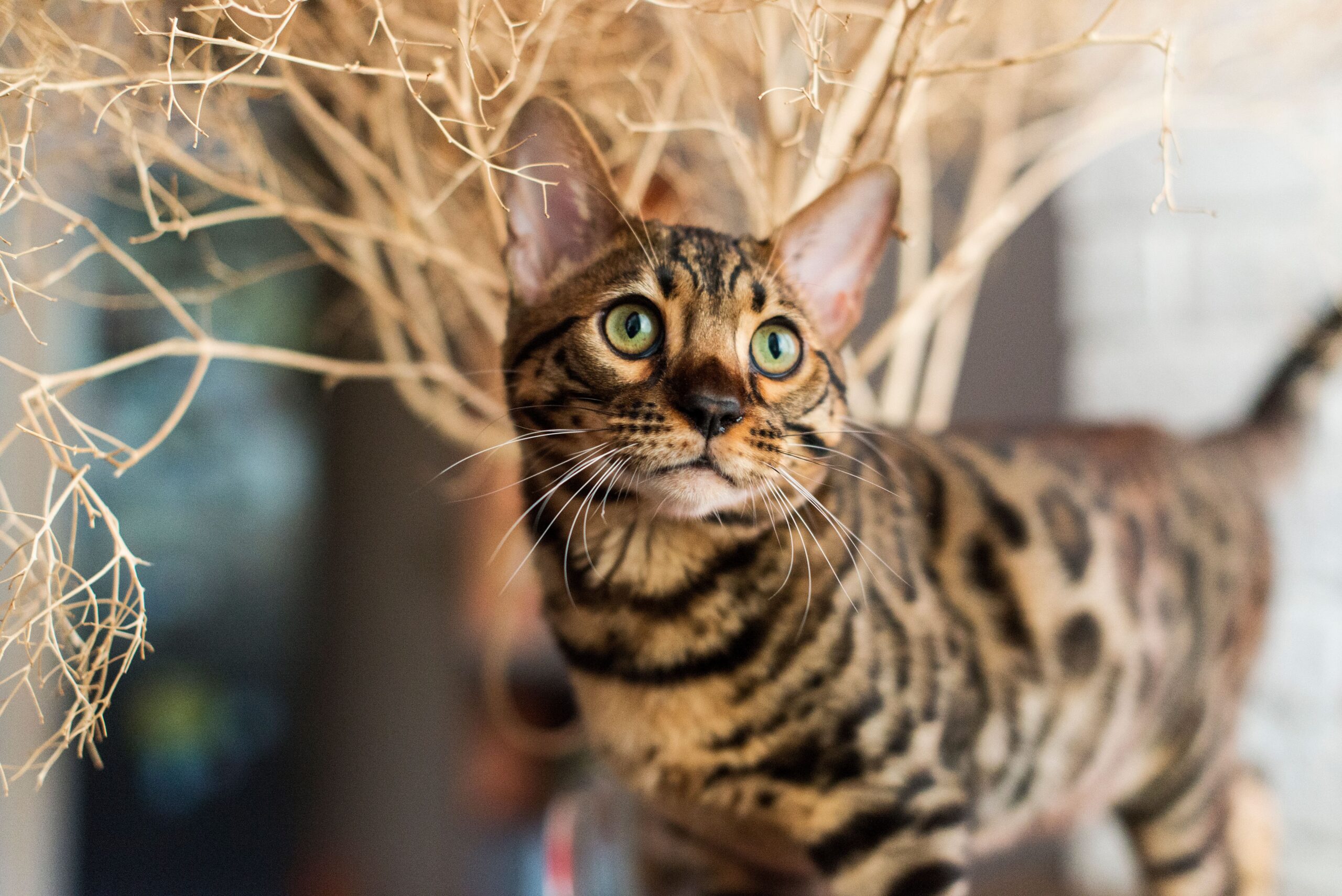
Bengal
Both are athletic, high-energy, and intensely curious. Bengals are larger and wilder-looking, while Abyssinians are more graceful and slightly easier to manage for most owners.
Read more about Bengals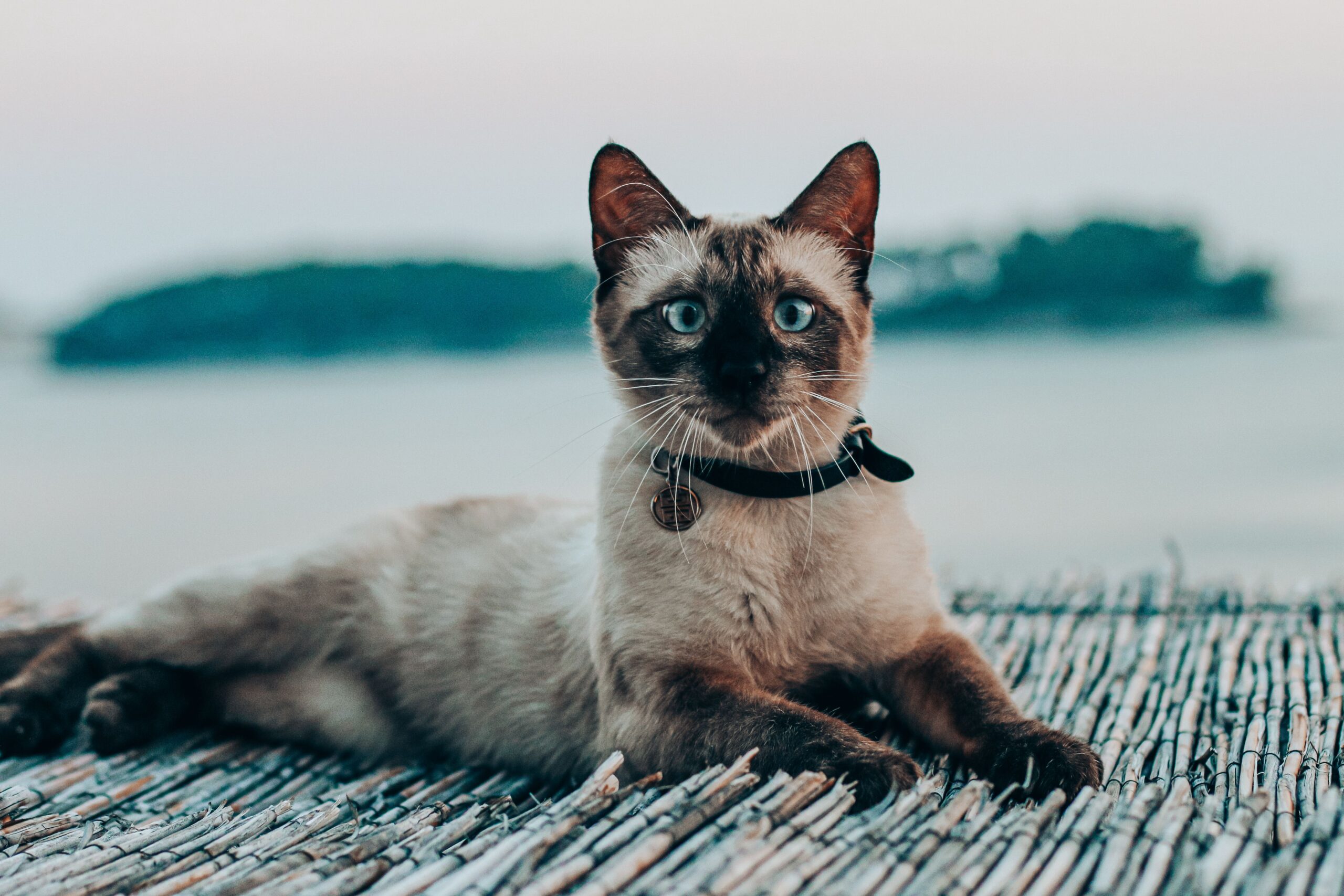
Siamese
Both are highly active, vocal, and intelligent. Siamese cats are more people-dependent and affectionate, while Abyssinians are more independent and driven by curiosity and exploration.
Read more about Siamese cats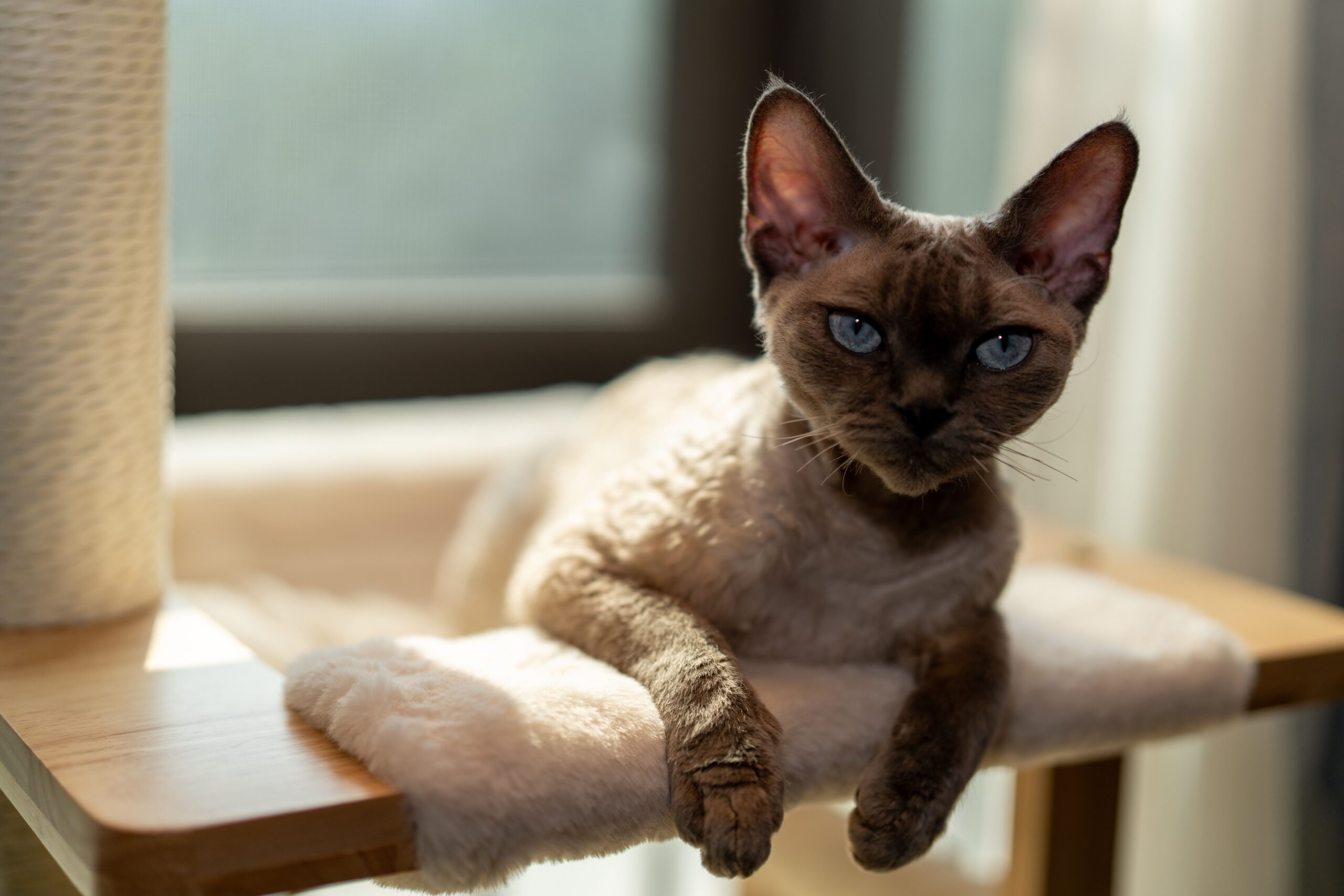
Devon Rex
Both are high-energy, playful, and intelligent. Abyssinians are more independent and athletically driven, while Devon Rex cats are more people-dependent and mischievous in personality.
Read more about Devon Rex catsIs an Abyssinian right for you?
If you’ve made it this far, you already know an Abyssinian isn’t a cat you manage. It’s a cat you keep up with. They’re an endlessly curious, athletic companion and a cat that makes every day a little more entertaining. They just need high levels of daily stimulation, plenty of space to move and explore, and an owner who can match their energy and curiosity in return. Whether you’re picking your kitten up next week or just starting to think about it, pet insurance is the one thing worth sorting out early. Get a quote today, and focus on the adventure, not the bills.
Abyssinian frequently asked questions
Are Abyssinians good for first-time cat owners?
Honestly, it depends on the owner more than their experience level. An Abyssinian is manageable for a first-time owner who’s done their research, has time to invest in enrichment, and genuinely wants an active, engaged cat. For someone expecting a low-maintenance, lap-oriented experience, they’ll be a handful. Know what you’re signing up for and they’re a genuinely rewarding first cat.
Do Abyssinians like to be held?
Not particularly. They’re affectionate and engaged with their people, but they express it through play and presence more than physical closeness. They’ll be in the room with you, they’ll initiate interaction, and they’ll engage enthusiastically during play. They’re just not the cat that sits still long enough to be held for extended periods. If cuddling is a priority, this probably isn’t the breed.
How much exercise does an Abyssinian need?
More than most cats. Two dedicated interactive play sessions a day is a minimum, not a suggestion. Vertical space, puzzle feeders, and a rotation of toys they can engage with independently all help fill the gaps between sessions. A well-exercised Abyssinian is genuinely pleasant to live with. An under-exercised one will find its own ways to stay busy.
How long do Abyssinians live?
Most Abyssinians live between 9 and 15 years. Getting to the higher end of that range comes down to regular vet visits, genetic screening for PRA and PK-Def, a good diet calibrated for their high energy output, and keeping them mentally and physically active throughout their life. They’re a healthy breed overall, and their athletic nature tends to keep them in good condition well into middle age.
Are Abyssinians good with kids?
Generally yes, with older kids. Abyssinians are active, playful, and genuinely enjoy the energy of an engaged child. They’re not as tolerant of rough handling as a more docile breed though, and they move fast enough that small children can find them frustrating to interact with. With older kids who understand how to engage with a cat on its terms, an Abyssinian is a genuinely great match.
Insurance claim data figures reflect approved accident and illness claims filed by Lemonade Pet policyholders over the trailing 12 months as of June 2026. They are averages across Lemonade’s insured population for this breed, not predictions of future claims or reimbursement for any individual pet. Actual payouts depend on your policy’s limit, deductible, co-insurance, waiting periods, and exclusions, and may not reflect the broader breed population or other insurers’ experience. Coverage is not available in every state. Please let me know what you think, thank you! A few quick words, because we <3 our lawyers: This post is general in nature, and any statement in it doesn’t alter the terms, conditions, exclusions, or limitations of the policies issued, which differ according to your state of residence. You’re encouraged to discuss your specific circumstances with your own professional advisors. The purpose of this post is merely to provide you with info and insights you can use to make such discussions more productive! Naturally, all comments by, or references to, third parties represent their own views, and Lemonade assumes no responsibility for them. Coverage may not be available in all states. Please note that statements about coverages, policy management, claims processes, Giveback, and customer support apply to policies underwritten by Lemonade Insurance Company or Metromile Insurance Company, a Lemonade company, sold by Lemonade Insurance Agency, LLC. The statements do not apply to policies underwritten by other carriers. Insurance claim data figures reflect approved accident and illness claims filed by Lemonade Pet policyholders over the trailing 12 months as of June 2026. They are averages across Lemonade’s insured population for this breed, not predictions of future claims or reimbursement for any individual pet. Actual payouts depend on your policy’s limit, deductible, co-insurance, waiting periods, and exclusions, and may not reflect the broader breed population or other insurers’ experience. Average insurance premium data is based on Lemonade’s internal data and reflects the average premium over the last 12 complete months, accurate as of June 2026. Top pet names are sourced from Lemonade’s database of pet names associated with submitted quotes and purchased policies. Top states for each breed are based on the number of active Lemonade pet insurance policies for that breed in each state as of June 2026.