
Does Renters Insurance Cover Electronics?
Good news: Your renters insurance can provide protection for your digital belongings.

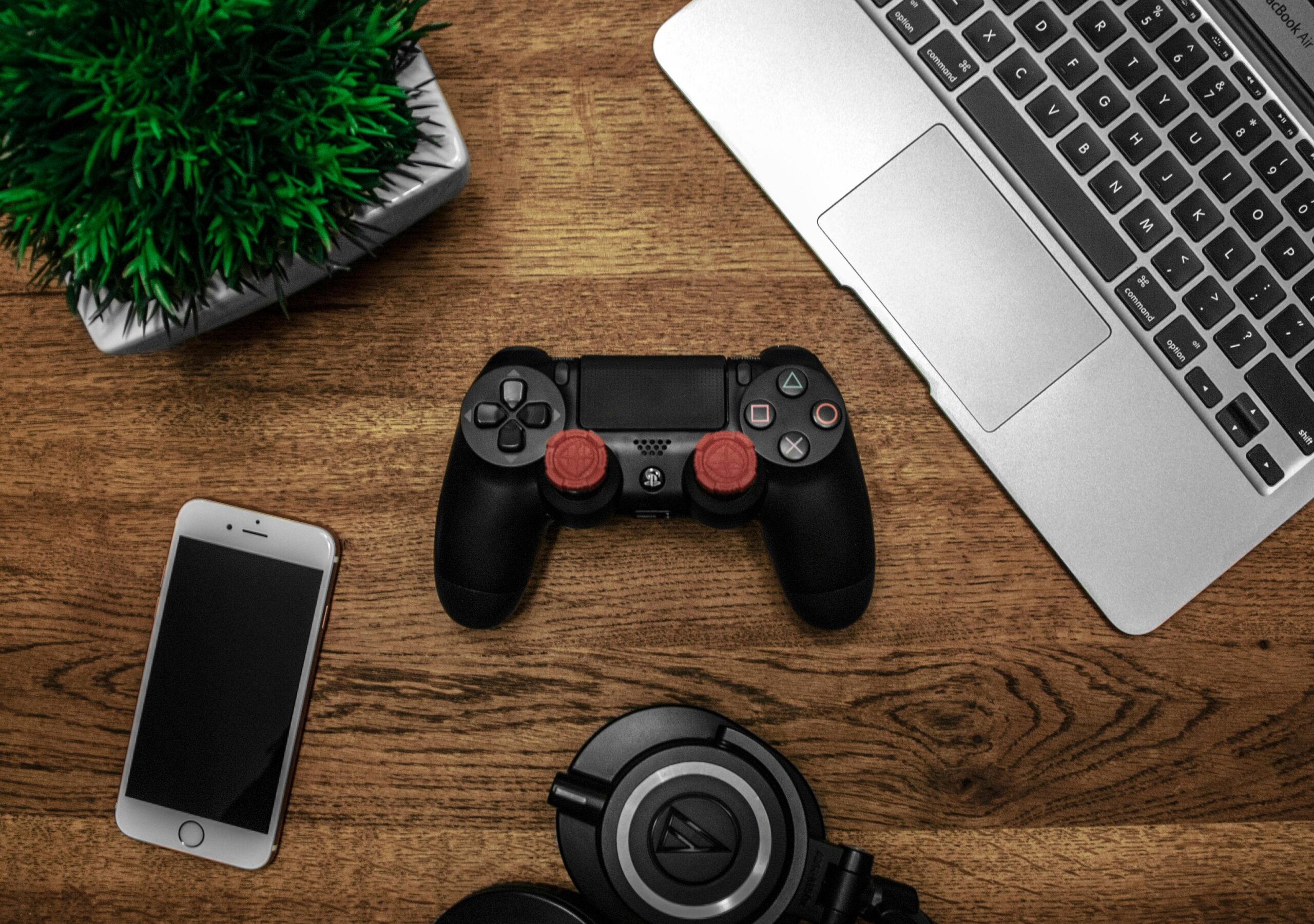
Good news: Your renters insurance can provide protection for your digital belongings.
In the digital age, our lives revolve around electronics, from laptops and smartphones to TVs and cameras. But what happens if these beloved gadgets get damaged or stolen? Renters insurance will typically cover your electronics.
Let’s take a look at the fine print.
 TL;DR
TL;DR
Electronics are typically covered by renters insurance when damage or loss occurs due to a covered peril, aka “named perils”. These risks usually cover all sorts of situations, including but not limited to:
If your personal electronics are stolen from your home, vehicle, or even from your hotel room while traveling, your renters insurance can typically help reimburse you for the theft.
Any intentional damage others cause to your items, aka vandalism, is generally included in your coverage. This means if someone breaks into your home and damages your devices, your renters insurance will generally cover the damage to your personal electronics.
Fire damage to your electronics is a common covered loss. If a fire occurs in your home and damages your devices, your policy can generally help cover the costs of repairing or replacing them with something comparable.
Certain types of water damage, such as burst pipes, may be covered under renters insurance. However, it’s important to note that flood damage from natural disasters requires a separate flood insurance policy, as it is not included in standard renters coverage.
Damage resulting from strong winds, including those from hurricanes or severe storms, is generally covered under most renters insurance policies. In order for storm damage to be covered, the storm must have created an opening in the walls or roof of your rental home, and the wind or rain that damages your electronics must enter through the opening.
If a fire occurs nearby or within your home, and the smoke damages your electronics, your renters insurance can generally help cover the repair or replacement costs.
Understanding these covered risks can help you choose the right renters insurance and make sure your valuable electronics are well protected.
While renters insurance provides a broad range of coverage to protect your valuable electronics, there are certain situations where your personal electronics may not be covered. These exclusions typically include:
Drops, spills, and other accidental damages are common occurrences that can happen to anyone, and it’s important to note that these types of incidents are often not included in standard insurance policies.
To boost your coverage for valuable items, like a new DSLR camera, you can opt for adding Extra Coverage at an additional cost. This option can protect your valuable belongings against accidental damage.
While these things may need appraisals or other proof of purchase-more on all that here-the process is extremely easy using the Lemonade app.
Standard policies usually don’t cover normal wear and tear, which is essentially the gradual decline of items from regular use.
Deliberate damage to your electronics-like impacts such as throwing your PS5 remote at your TV after losing a round of Call of Duty, or misuse like leaving your smartphone locked in a hot car on a 95 degree day-won’t be covered by a renters insurance policy. So, it’s a good idea to handle your devices with care to keep them safe.
Leaving your electronics unattended in vulnerable situations, such as in crowded places or during travel, might mean a loss won’t be covered. It’s important to keep a close eye on your devices to make sure they remain protected.

Renters insurance usually covers most of your personal electronics, but it’s good to know the details of what’s included. Common electronic items generally covered by renters insurance include:
Laptops are usually protected against various unexpected events, such as theft or damage from events like fire or water leaks from burst pipes. If your laptop, computer, or tablet is stolen or damaged due to a covered peril, your policy can help cover the costs of repair or replacement, although it’s wise to verify coverage limits for high-value items like laptops with your insurer.
Cell phones are also commonly covered for theft and certain types of water damage, but accidental damage, like dropping your phone, is typically not covered.
Cameras, including DSLRs and other photography equipment, fall under personal property coverage and are generally protected against named perils such as theft and fire. For those looking for comprehensive protection against accidental damage or loss, purchasing Extra Coverage is a good way to make sure your camera equipment is fully protected.
Televisions can be covered for damage caused by events like storms or vandalism, but damage from accidental incidents or wear and tear is usually never covered by insurance. Additionally, losses caused by electronic or mechanical failure typically isn’t covered unless you have extra endorsements like Equipment Breakdown Coverage.
Whether you’re team X-Box or team PlayStation, your preferred gaming console is generally covered by renters insurance under personal property coverage.
While all of these electronics are generally covered by renters insurance, it’s important to remember that there are a bunch of different policy limits, that can vary by:
Remember to always check the details of your policy to confirm your policy limits for different items, and your deductible.
Sometimes the best way to understand how renters insurance works is to see it in action. Here are a few situations that show when coverage kicks in when you’re insured with Lemonade, and when it doesn’t.
Situation: Sarah’s $3,000 gaming setup (PC, monitor, and peripherals) was stolen during a break-in.
Coverage decision: Covered.
Reasoning: Theft is a named peril under standard renters insurance policies. Because the items were stolen from her home, her personal property coverage applied.
Outcome: Sarah’s setup was relatively new, so depreciation was minimal. After her $250 deductible, she got $2,500 back, instead of having to replace a $3,000 setup entirely out of pocket.
| Without renters insurance | With renters insurance | |
|---|---|---|
| What Sarah pays | $3,000 (full replacement) | $250 (deductible only) |
| What Sarah gets back | $0 | ~$2,500 (after deductible) |
Situation: Mark’s apartment sprinkler system malfunctioned and soaked his Lenovo ThinkPad he uses for work, which he kept in his living room.
Coverage decision: Not covered.
Reasoning: Work equipment used for business purposes is typically excluded from personal property coverage under a standard renters insurance policy, even if the damage itself (a malfunctioning sprinkler) would otherwise be a covered peril.
Outcome: Mark had to replace the laptop out of pocket. That said, other personal belongings in the room that sustained water damage, like his couch or coffee table, could be eligible for coverage under his policy, minus his deductible.
| Without renters insurance | With renters insurance | |
|---|---|---|
| What Mark pays | $1,500 (laptop, out of pocket) | $1,500 (laptop not covered) |
| What Mark gets back | $0 | $0 (laptop) |
| Other damaged items (couch, coffee table) | Full replacement cost | Covered, minus deductible |
Situation: A kitchen fire spread to Emma’s living room, destroying her 55-inch Samsung smart TV.
Coverage decision: Covered.
Reasoning: Fire is one of the most commonly covered perils under renters insurance. Because the damage was caused directly by the fire, Emma’s personal property coverage applied.
Outcome: Emma’s TV was about a year old and had depreciated only slightly from its original $800 price. After her $250 deductible, she got $500 back, rather than absorbing the full cost of replacing it.
| Without renters insurance | With renters insurance | |
|---|---|---|
| What Emma pays | $800 (full replacement) | $250 (deductible only) |
| What Emma gets back | $0 | ~$500 (after deductible) |
Situation: John dropped his Canon DSLR camera, cracking the lens.
Coverage decision: Not covered under standard renters insurance, but covered with Extra Coverage.
Reasoning: Accidental damage from drops typically falls under normal wear and tear exclusions in standard renters insurance policies. It wasn’t a named peril. However, adding Extra Coverage to a policy can protect camera equipment against accidental damage.
Outcome: John paid out of pocket for the lens repair. Had he added Extra Coverage for his camera gear beforehand, the repair would have been covered in full, with no deductible applied.
| Without renters insurance | With renters insurance | With Extra Coverage | |
|---|---|---|---|
| What John pays | $400 (lens repair) | $400 (not covered) | $0 |
| What John gets back | $0 | $0 | Full repair cost |
Think your gadgets aren’t worth much? Think again. Here’s what you’re really protecting when you cover your electronics:
| Device | Average device lifespan (years) | Lifetime cost |
|---|---|---|
| Smartphone | 2.64 | $26,187 |
| Laptop | 5.85 | $13,755 |
| Tablet | 4.72 | $10,566 |
| Smartwatch | 3 | $8,801 |
| Headphones | 2.7 | $5,668 |
| Smart TV | 6.6 | $5,899 |
| Game console | 6 | $4,507 |
| Video doorbell | 3.5 | $3,172 |
| Smart speaker | 5 | $2,504 |
While renters insurance generally covers most personal electronics, there are some exceptions, including:
Renters insurance can be a vital tool in protecting your electronics and other stuff against a bunch of other bad things, called named perils. While renters insurance can protect your stuff, aka personal property coverage, it can also cover some other things, including:
Ready to get started? Click below to get your free quote today, it’s quick, easy, and even a little fun.
No. Renters insurance only covers you and the property you legally own. If your roommate’s laptop gets stolen in a break-in, your policy won’t cover their stuff. The best move? Have them get their own renters insurance policy. (Lemonade makes that pretty easy.)
The more you have, the smoother your claim will go. Useful things to keep on hand: photos of your devices, purchase receipts, serial numbers, and (for high-value items) appraisals. Store copies of this somewhere safe outside your home (like cloud storage), so if a fire or theft happens, you still have access to your records. If you’re filing with Lemonade, you can kick off the whole process right from the app.
It depends on your situation. If you’re married to, or related by blood or adoption to, the person you live with, they’re automatically covered under your Lemonade policy. If you’re not married but living together, you can add them as an additional insured, though there’s usually a small extra cost. Just make sure you update your personal property coverage to account for their gear too.
Probably not. If a device is used for business purposes, like a work laptop your employer owns, it wouldn’t be covered under a standard renters policy. When in doubt, check with your insurer, and consider a separate business property policy if you rely heavily on gear for your livelihood.
Start by adding up what everything’s worth: your laptop, phone, tablet, gaming setup, TV, camera, smartwatch, the works. Then compare that total to your personal property coverage limit. If your gear’s value is bumping up against either of those numbers, it’s time to adjust your coverage. A quick way to do it: open the Lemonade app, review your policy limits, and update them on the spot if needed.
It can, if the damage comes from a covered named peril, like a power surge from a storm or an electrical fire. If your electronics stop working from normal use, age, or a manufacturing defect, that’s not a named peril and typically wouldn’t be covered. The cause of damage is what determines coverage. Document it clearly when you file. Read the full thread on Reddit
A few quick words, because we <3 our lawyers: This post is general in nature, and any statement in it doesn’t alter the terms, conditions, exclusions, or limitations of the policies issued, which differ according to your state of residence. You’re encouraged to discuss your specific circumstances with your own professional advisors. The purpose of this post is merely to provide you with info and insights you can use to make such discussions more productive! Naturally, all comments by, or references to, third parties represent their own views, and Lemonade assumes no responsibility for them. Coverage may not be available in all states. Please note that statements about coverages, policy management, claims processes, Giveback, and customer support apply to policies underwritten by Lemonade Insurance Company or Metromile Insurance Company, a Lemonade company, sold by Lemonade Insurance Agency, LLC. The statements do not apply to policies underwritten by other carriers.
Please note: Lemonade articles and other editorial content are meant for educational purposes only, and should not be relied upon instead of professional legal, insurance or financial advice. The content of these educational articles does not alter the terms, conditions, exclusions, or limitations of policies issued by Lemonade, which differ according to your state of residence. While we regularly review previously published content to ensure it is accurate and up-to-date, there may be instances in which legal conditions or policy details have changed since publication. Any hypothetical examples used in Lemonade editorial content are purely expositional. Hypothetical examples do not alter or bind Lemonade to any application of your insurance policy to the particular facts and circumstances of any actual claim.