Daniel Schreiber
They say startup years are like dog years, by which logic we launched 21 years ago! Now that we’re all grown up we thought we’d take stock, give an update, and maybe get a beer.
Strategy Transparency
We’ve never spelled out our strategy in public before, but 3 years in we finally have enough data to substantiate its component parts, and anyway, what are Transparency Chronicles for?
So here it is: our strategy is to delight consumers.
That’s not a strategy, you say? Well, given how we’ve architected Lemonade, it really is. You see, delighted customers fuel growth, growth spawns predictive data, data powers the machine learning that improves our performance, to the delight of consumers. Wash, rinse, repeat.
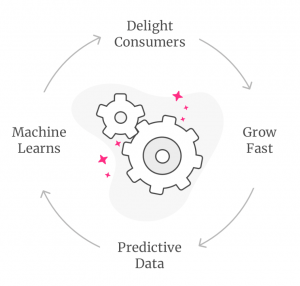
This feedback-loop propels our competitive advantages to become more pronounced and more defensible over time – the very essence of a strategy.
So now that we’ve laid bare our strategy, here’s the data on how we’ve fared along each of the components of this feedback loop.
Delight Consumers
We’ve worked hard to delight consumers from day one – though in the weeks and months after our launch you wouldn’t have known it. Reviewers tended to be negative back then, though many of our most outspoken ‘customers’ sounded suspiciously like anxious rivals:
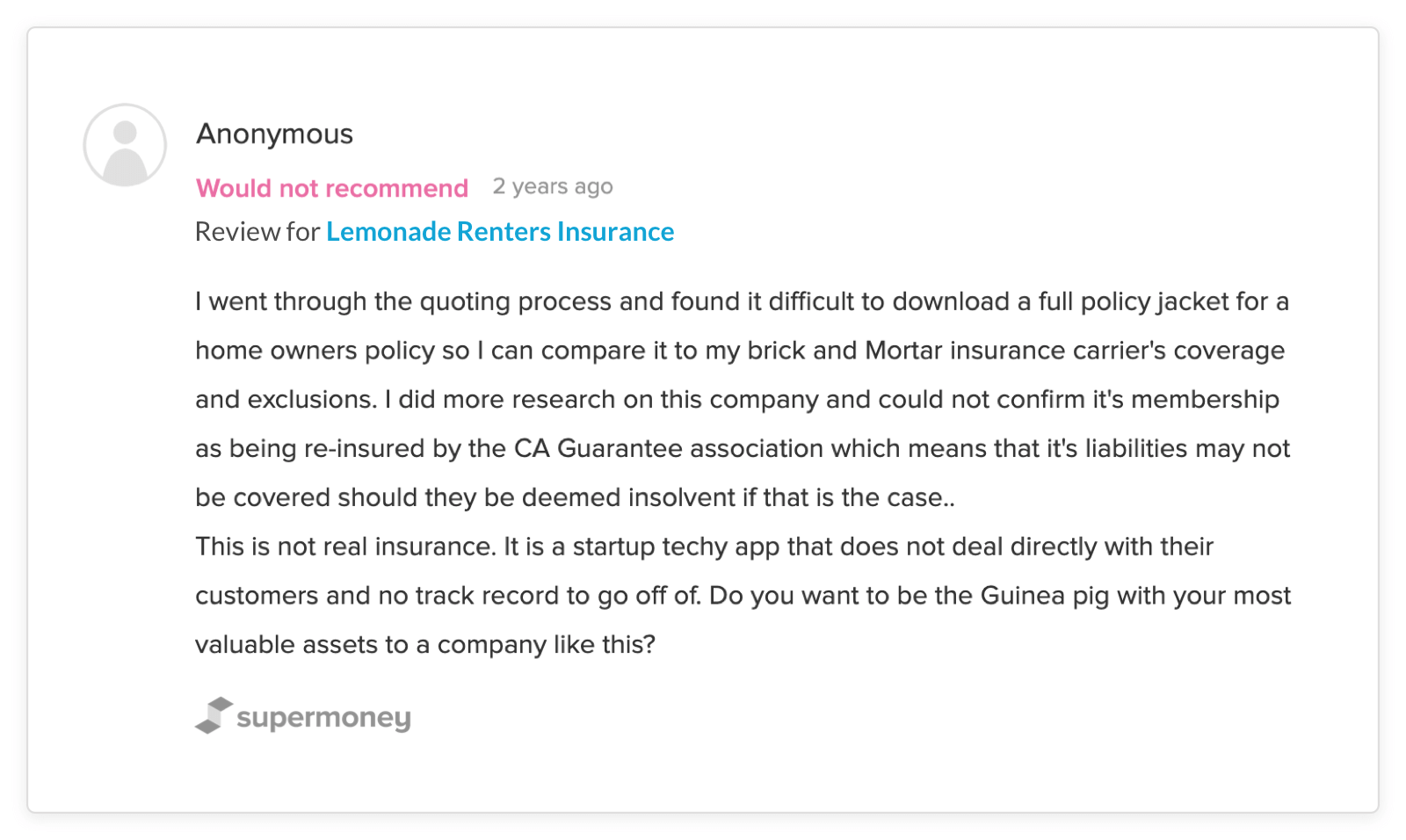
Over time, real customers outnumbered anonymous competitors, and the tide started to turn. We still have our detractors, of course, but with tens of thousands of reviews collected by disinterested 3rd parties, Lemonade has climbed to become the People’s Choice on pretty much all the destinations where insurance companies are evaluated:
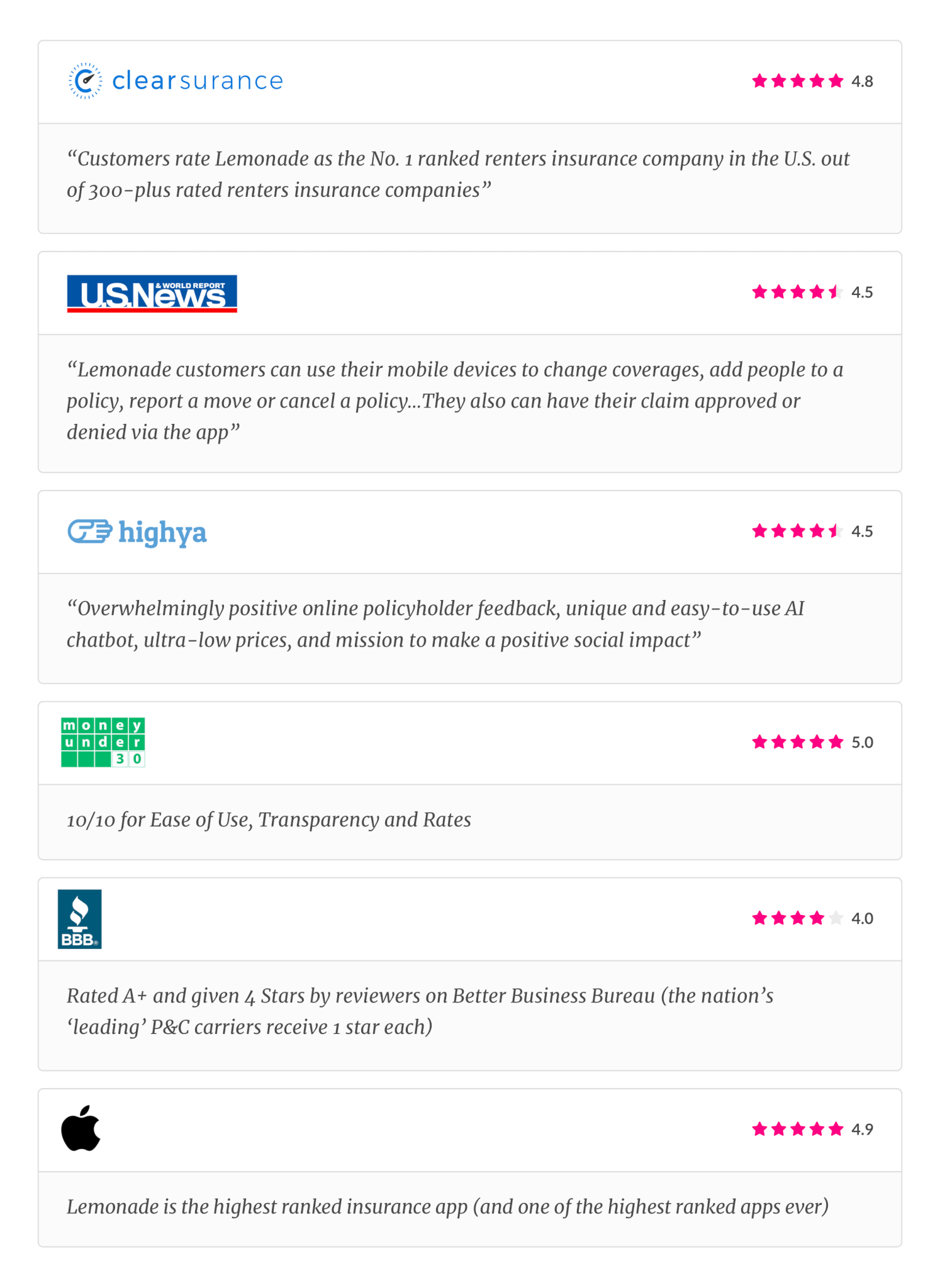
Nothing we’ve achieved is more meaningful to us than seeing customers upvoting Lemonade over these years. Though, as our strategy lays bare, this isn’t just a feel good thing – it’s the foundational plank of our business, and it propelled the rapid growth we’ve experienced since our launch.
Grow Fast
Happy customers spread the word, fueling rapid growth. Very happy customers fuel very rapid growth!
In their 2019 ‘State of the Cloud’ report, Bessemer Ventures shared a benchmark for how many years it takes ‘Good’, ‘Better,’ and ‘Best’ tech companies to grow from $1m in annual recurring revenue – known as ARR – to each of $10m and $100m:
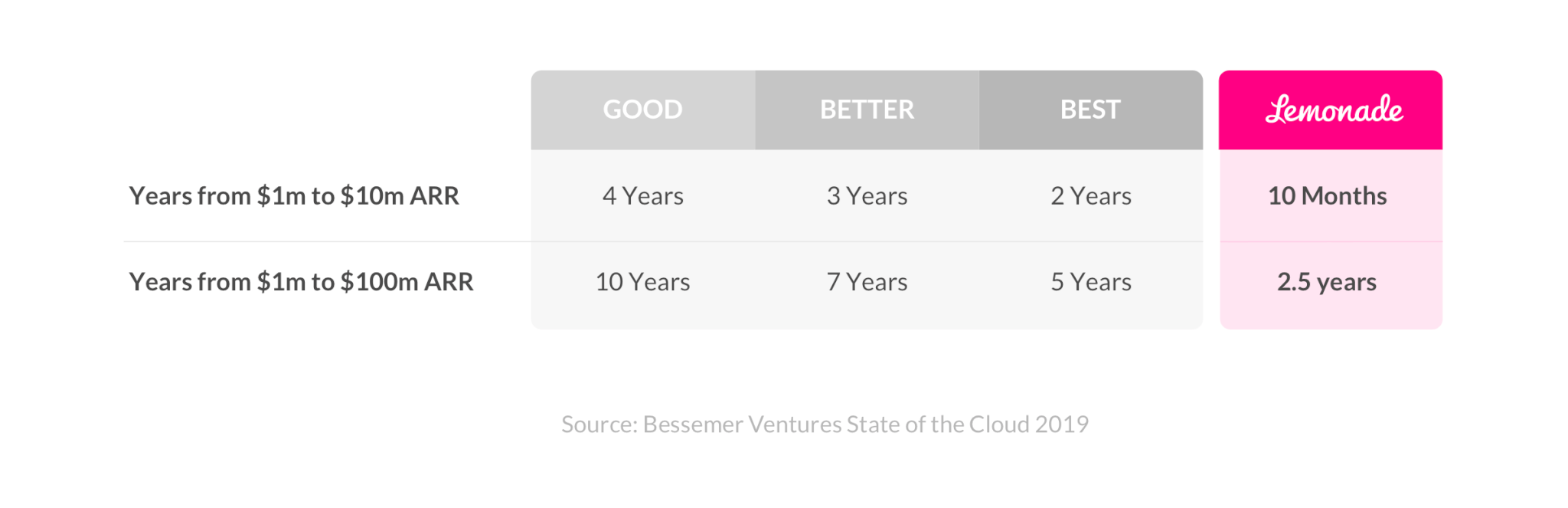
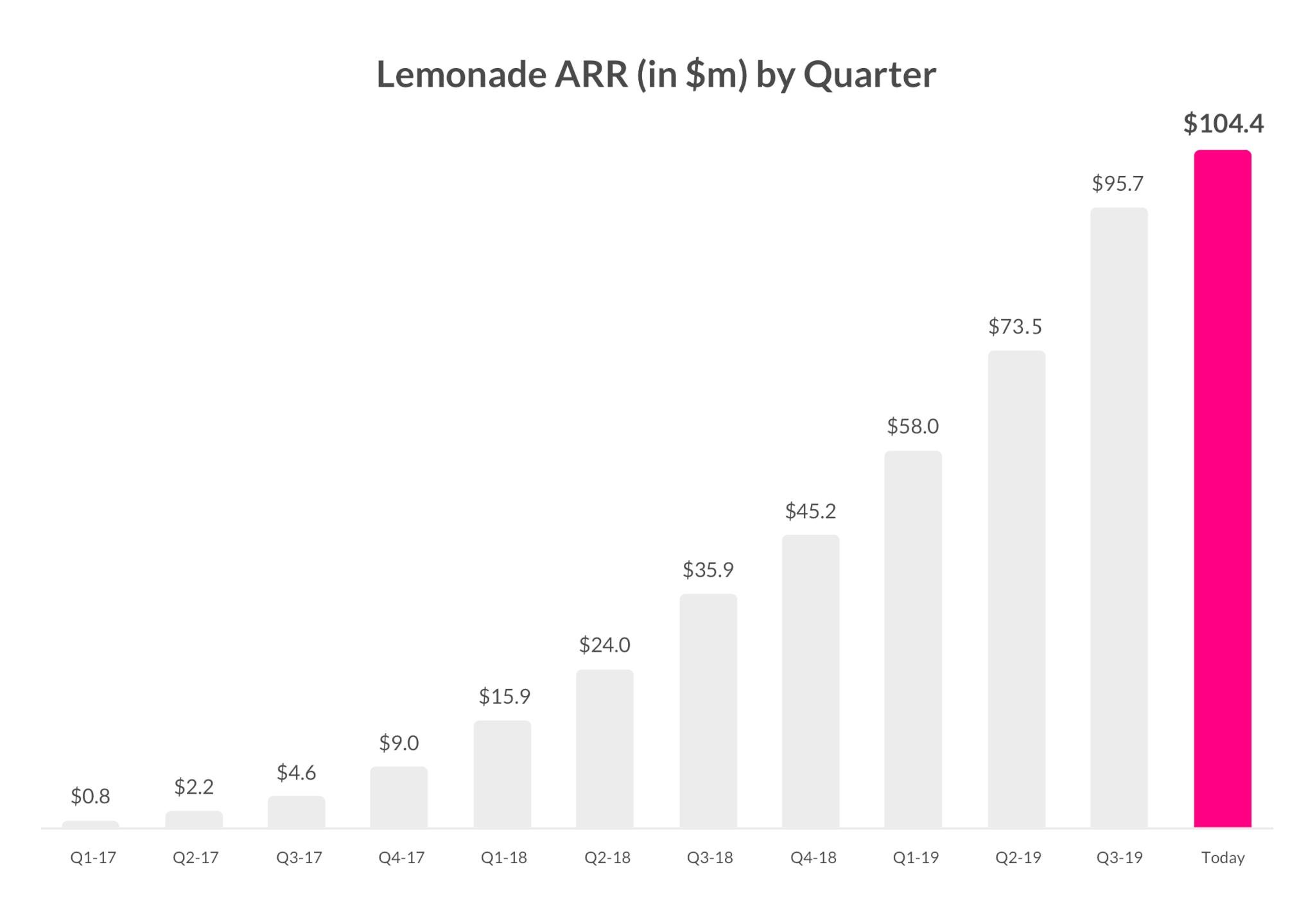
Having reached $1m ARR in Q2 2017, Lemonade’s ARR passed $10m ten months later, and went from $1m to $100m in 2.5 years.
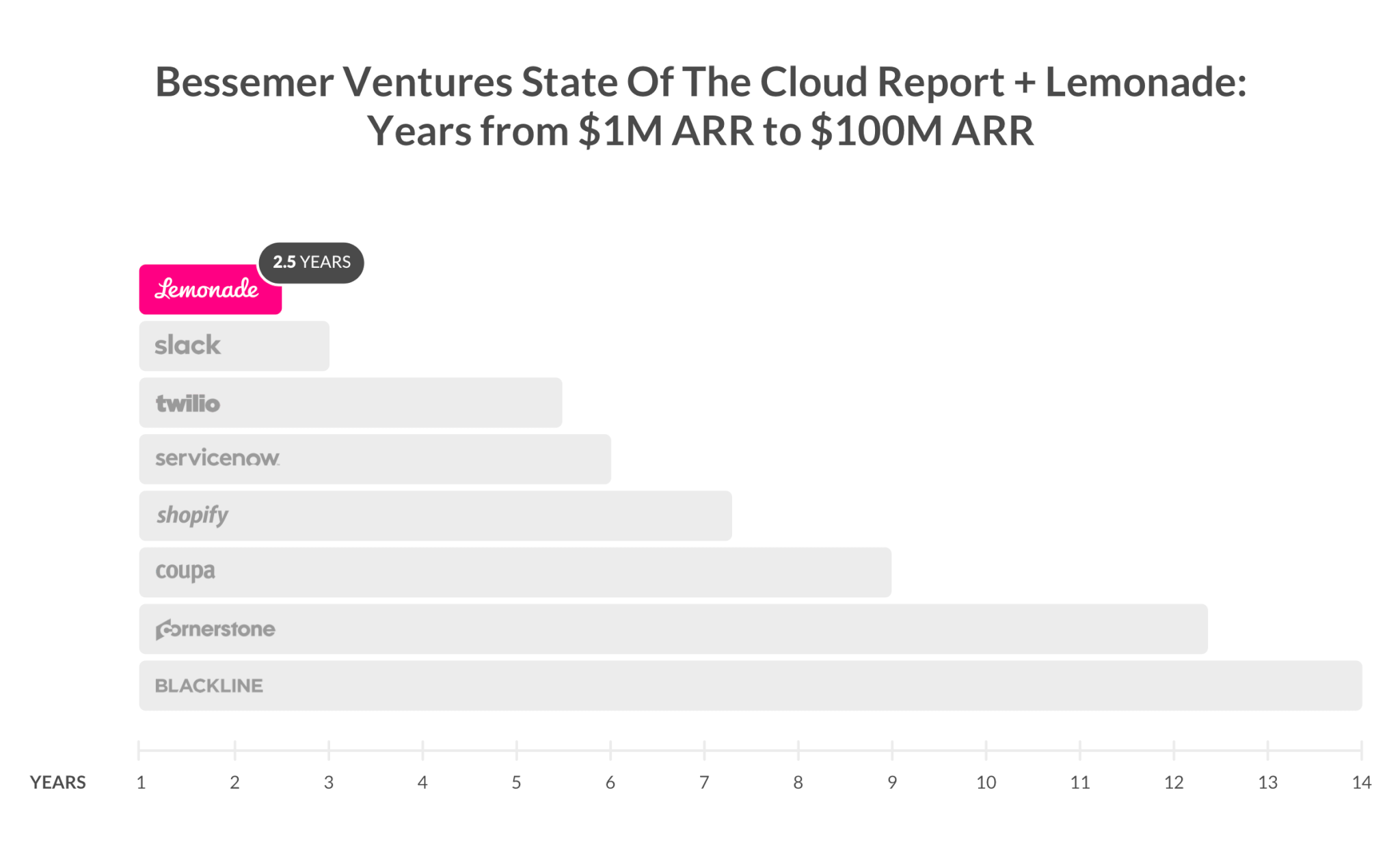
There are a handful of tech companies that have bested that – but not as many as you might think:
It’s commonplace to measure growth in ARR, but there are other indicators we monitor and cherish too.
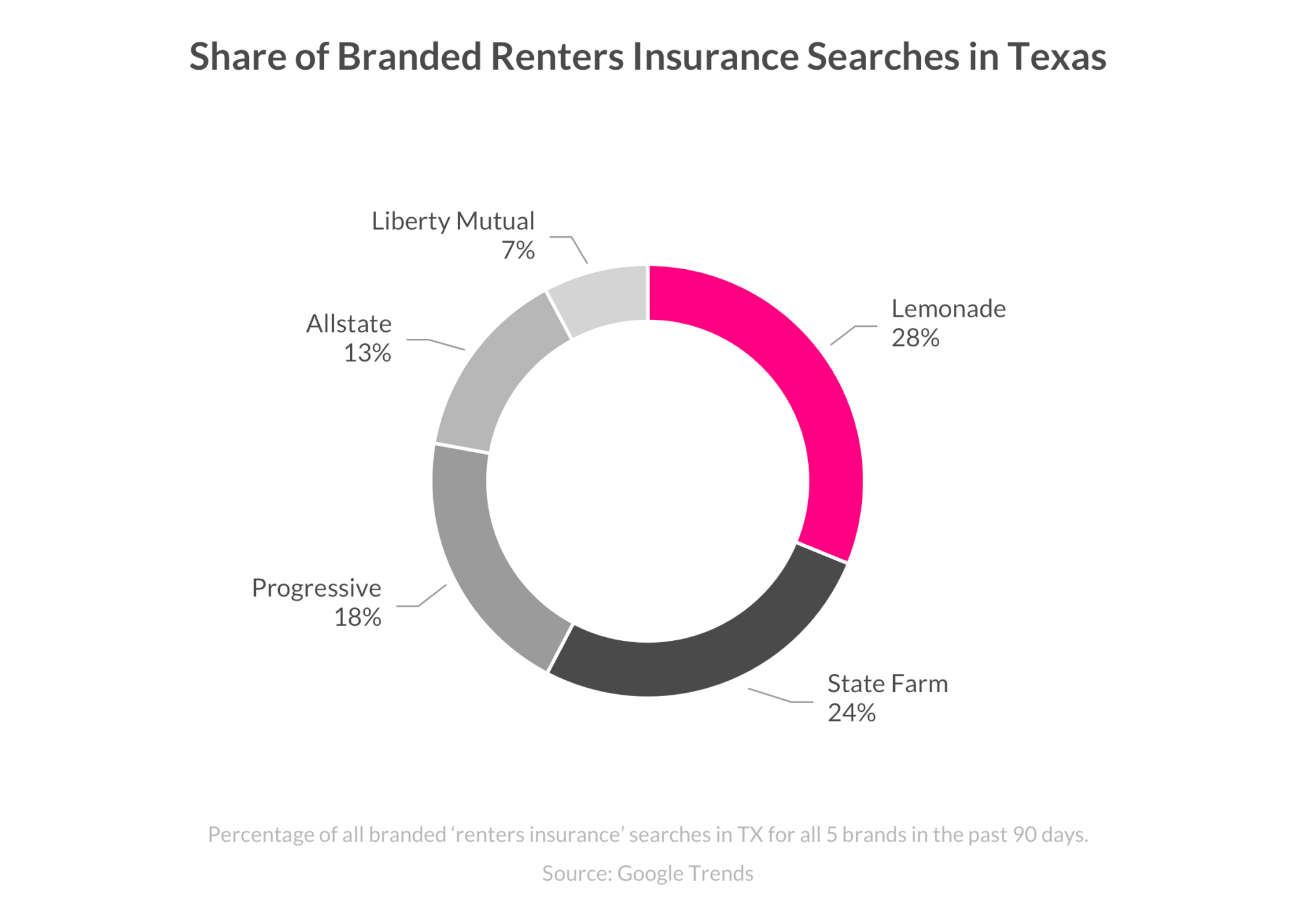
During our journey from zero-to-100, we saw Lemonade advance from a nonexistent brand to one of the most Googled in our category. If you add up the branded “renters insurance” searches among the top insurers in the US, you’ll find that Americans are searching for “Lemonade renters insurance” more than many of the largest and best funded brands in the industry.
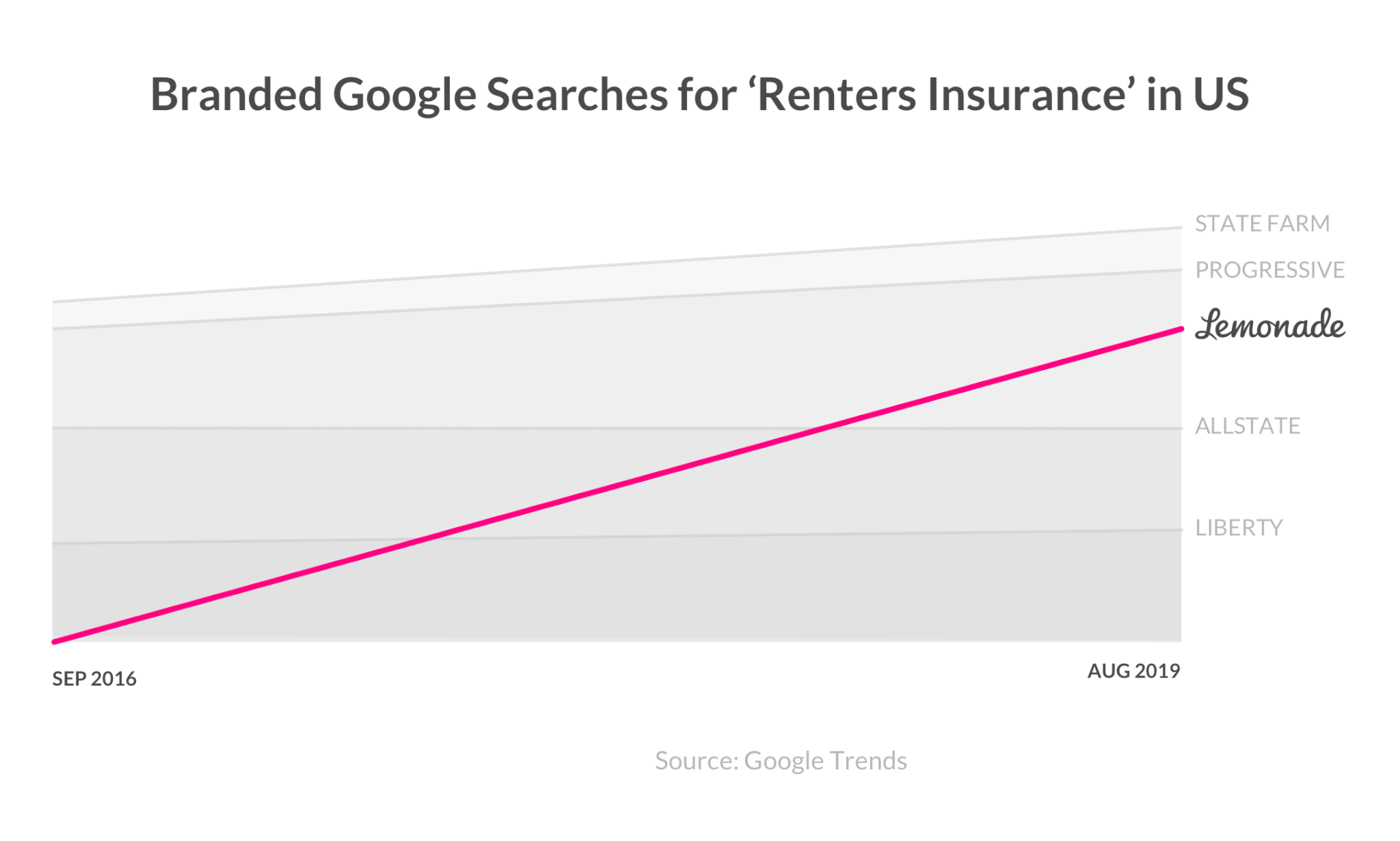
That’s true in aggregate, nationwide, but we have yet to launch in several states – so the graph actually ‘understates’ things. In places we’ve operated in for 2+ years – like NY, California, and Texas – ‘Lemonade’ is still more Googled – often the most Googled – offering a preview of where things may be going.
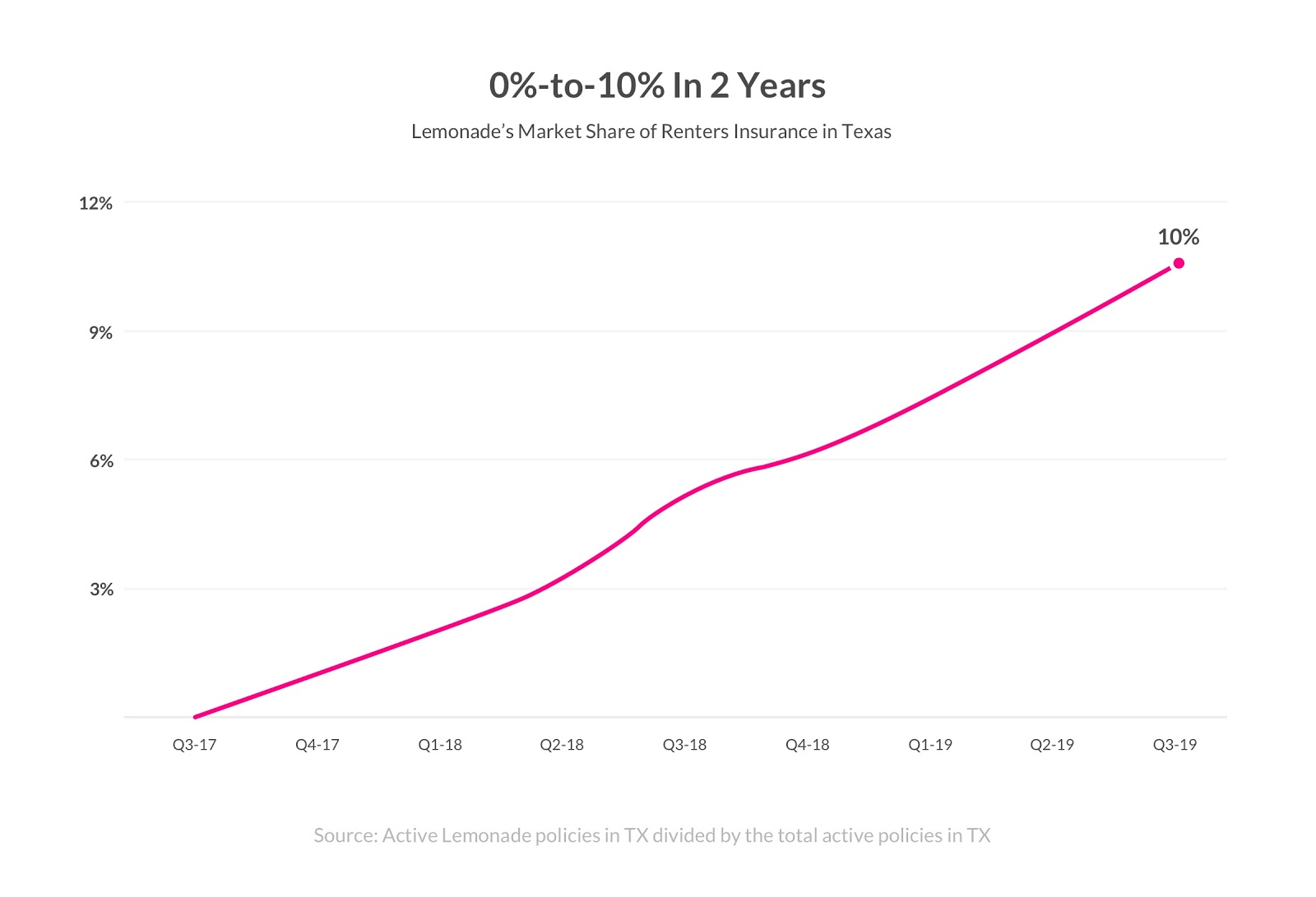
And it isn’t only searches. The NAIC (US Insurance Regulators) published the number of renters policies in effect in each state in the US (as of 2016). Based on these official market-size numbers, Lemonade’s market share is above 10% in many states!
But there’s a twist in this tale: becoming so well known for renters insurance came at the expense of homeowners insurance. We’ve been selling homeowners insurance since we launched, and think of ourselves as a multi-line business, but all too often we are thought of by others only as a ‘renters insurance company.’ Being pigeonholed so narrowly always irked us, but it was a problem of our own making. In truth, it was more than irksome; it was a significant failure on our part, and it threatened our continued growth.
You see, renters insurance is less than 10% of the broader ‘homeowners’ market, and achieving 10% share of renters insurance so early was at once cause for celebration, and a warning of an impending glass ceiling.
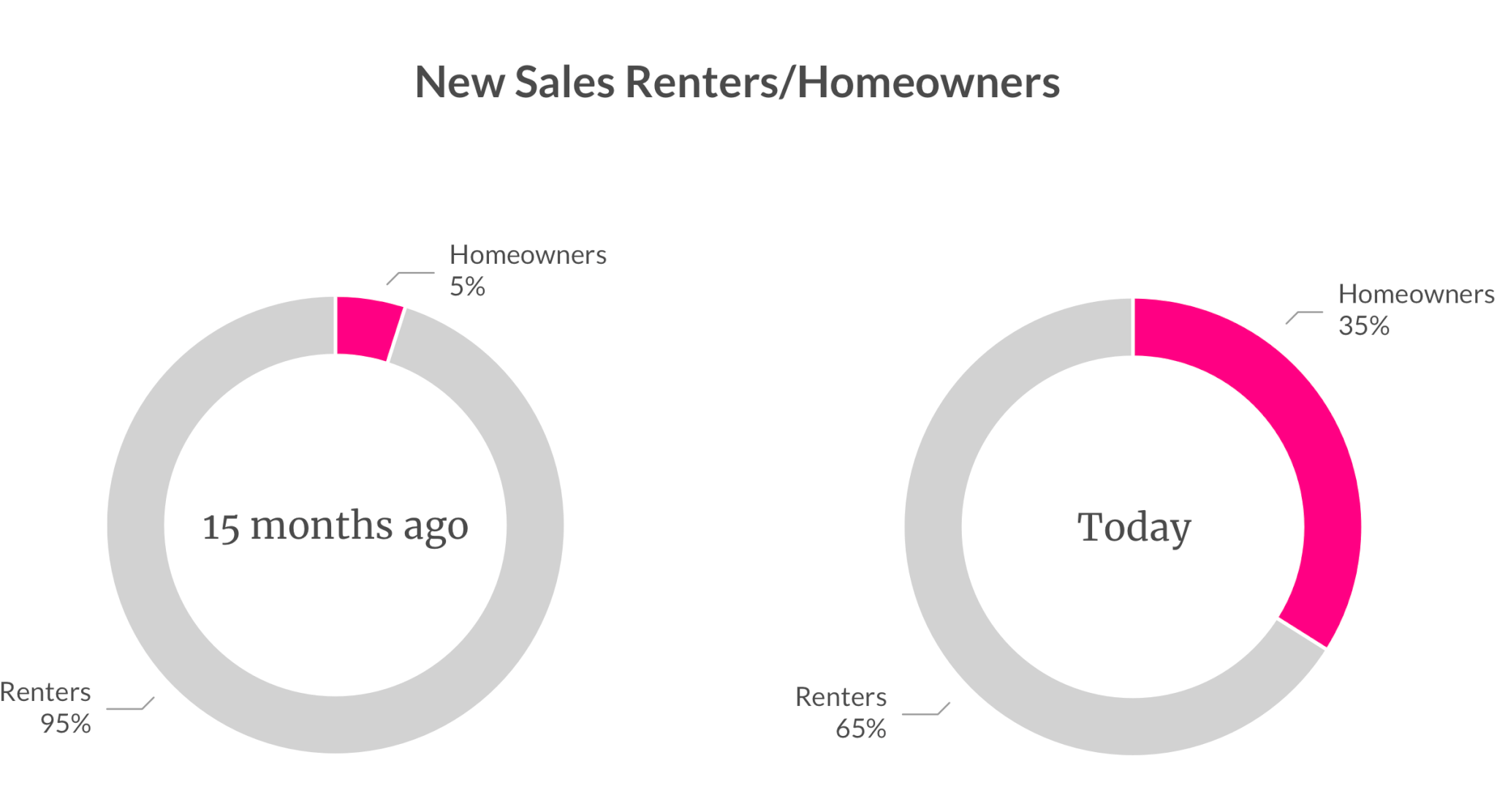
In August of 2018 we decided to right this wrong, and started to give homeowners the love and focus they deserve. It’s been rewarding work: in the past 12 months we’ve seen over 500% year-on-year growth in sales of homeowners policies – even as our cost to acquire them dropped 70%. Back in August 2018, 5% of our sales came from homeowners – now it’s about 35% and growing.
What’s even better is that ever more of this ‘homeowners growth’ is internal – and free. You see, most people join Lemonade while they are renters – but a growing number of them have graduated to become homeowners. It’s wonderful for them – (congratulations on the new home btw, you know who you are!) and wonderful for us: the average premium of a homeowner is 6X that of a renter!
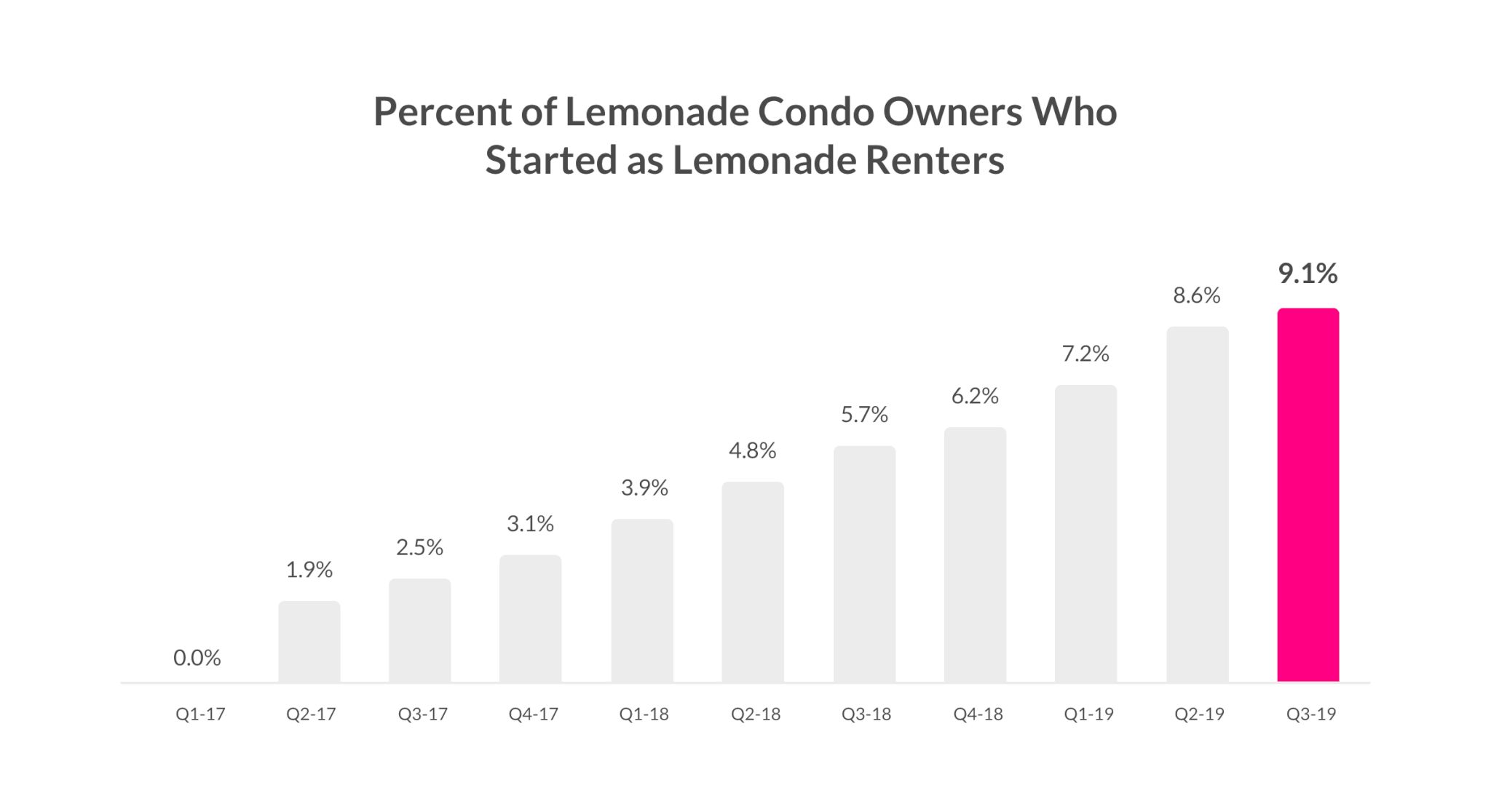
This ‘graduation’ dynamic was something we had always hoped to see, and it was the strategic reason for focusing on renters in the first place.
Another avenue for growth for us has been geographic expansion; most significantly, our entry to Europe in June of this year. It’s early days, but I’m happy to report that so far so good: in our first 5 months since our launch in Germany we’ve grown our customer base slightly faster than we did during the equivalent period in the US:
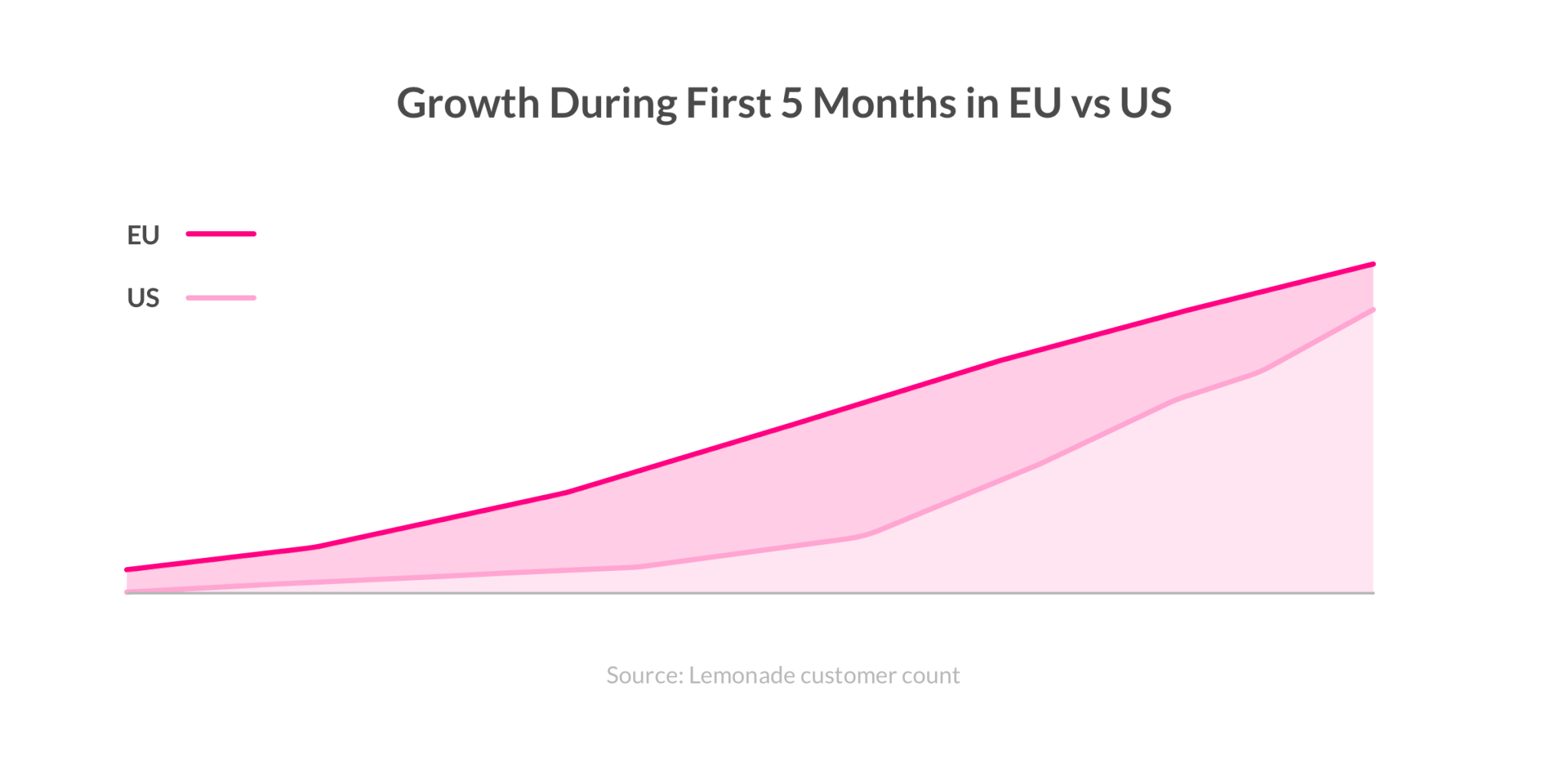
That said, we’re also learning that the German market is quite different from the US, both in ways we expected and in ways that surprised us. A trivial example: AI Maya greets the user by introducing herself and asking their name. This works well in the US, but it turns out that the German consumer often doesn’t feel ready to share their name at the beginning of the interaction – so we’ve shuffled things around some.
To continue our early growth spurt in Europe will require continuous experimentation, successes, and setbacks. We still have a long way to go before we can declare that our European launch is on the same glide path as our US business.
Predictive Data → The Machine Learns
Growing ARR, brand awareness, market share, product mix, and geographical footprint are worthwhile goals in themselves. In a business governed by data and the law of large numbers, however, growth does double duty: it yields the rich data sets needed to refine risk models, transforming the company’s key performance indicators.
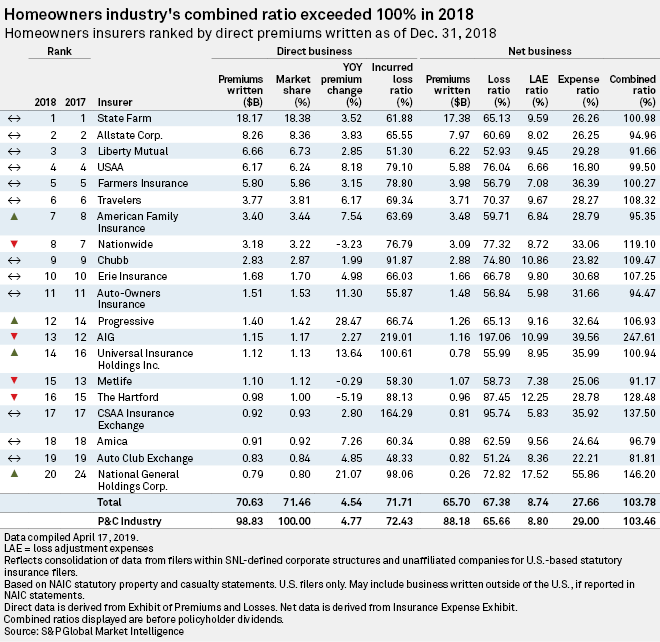
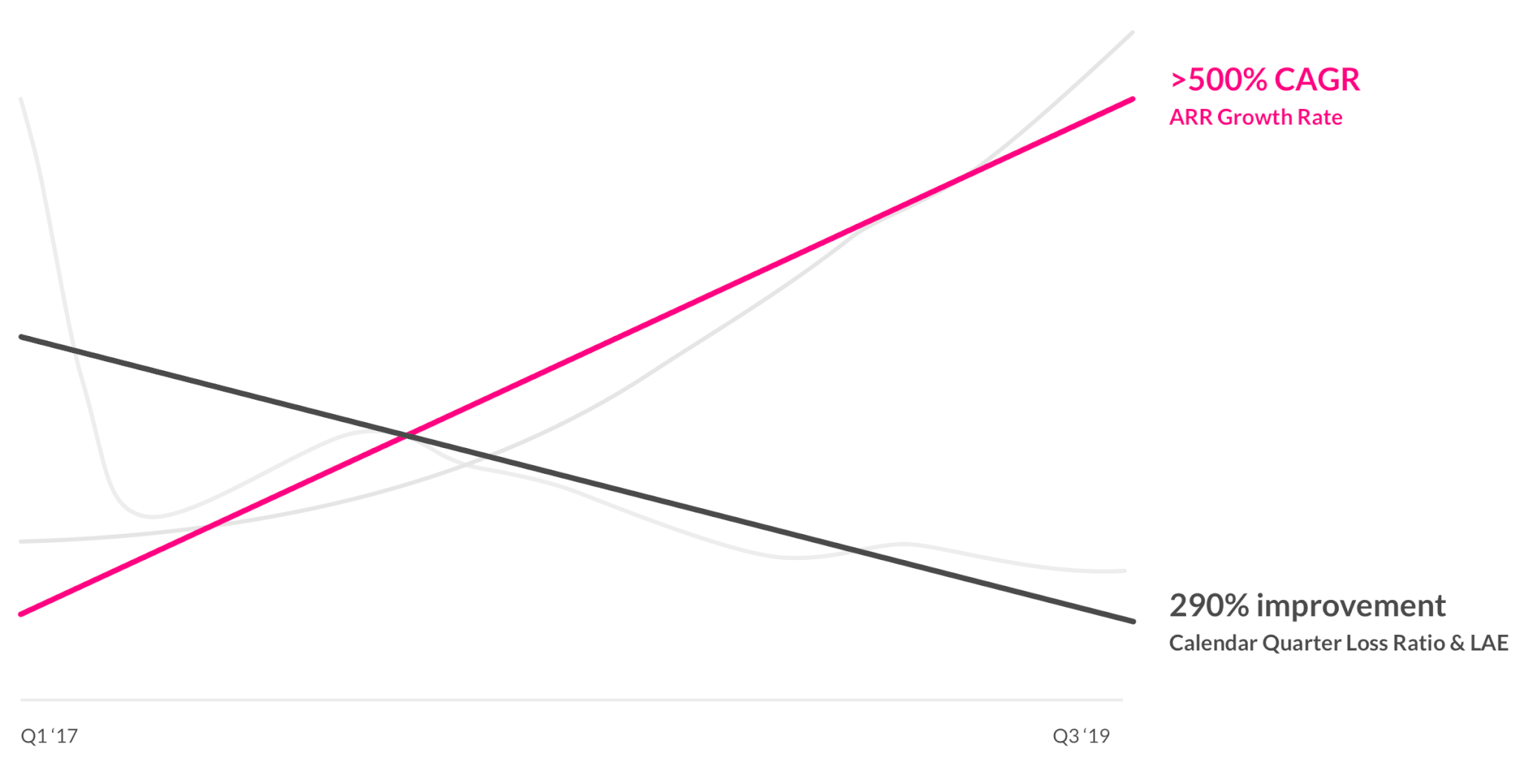
For every dollar we earned in Q1 2017, we paid out $3.68 in claims. The ratio of dollars paid out to dollars earned is called a ‘Loss Ratio’, and at 368% it was called a Friggin Terrible Loss Ratio. Since then, it’s dropped steadily and steeply, and our 2019 third quarter Loss Ratio was 78%, and trending downwards. Notably, the equivalent loss ratio among the top 20 insurers in the US averaged 82.34% last year (source: S&P Global).
Lopping 290% off a loss ratio in 2.5 years – without material price increases – is a neat trick, and not many industry observers believed it could be done:
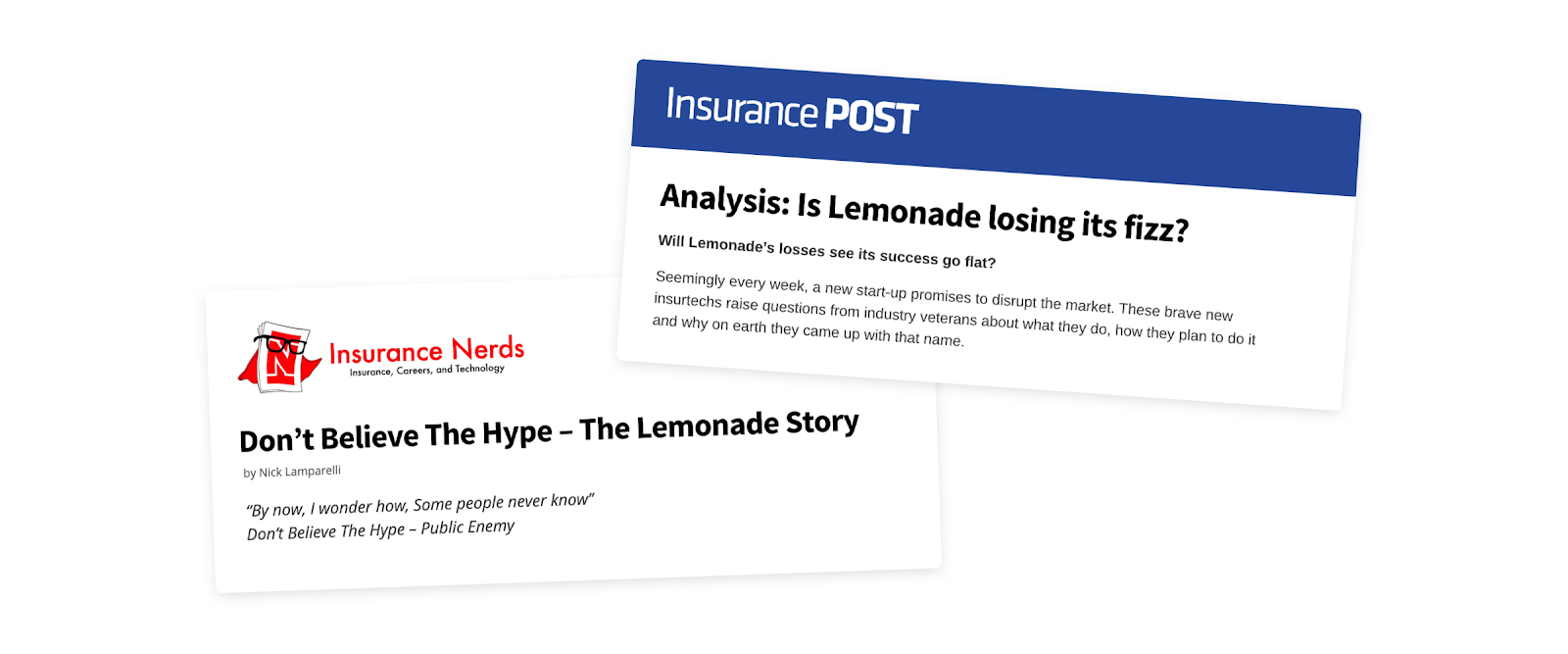
There’s a saying I’ve had thrown in my face: ‘If it grows like a weed, it probably is.’ In insurance circles, rapid growth is associated with a worsening loss ratio. It makes sense: growth often goes hand in hand with being less discerning, which will be reflected in ballooning claims and fraud. Small wonder insurance veterans talk of ‘shrinking to excellence.’
Seeing growth and risk both improving dramatically, as we have, flies in the face of insurance orthodoxy. But in a tech context, it makes sense. Lemonade is built on a digital substrate – bots instead of brokers, machine learning instead of actuaries. While brokers and actuaries can be overwhelmed by big data – bots and machines thrive on it. Torrents of data do not degrade their performance – they boost it:
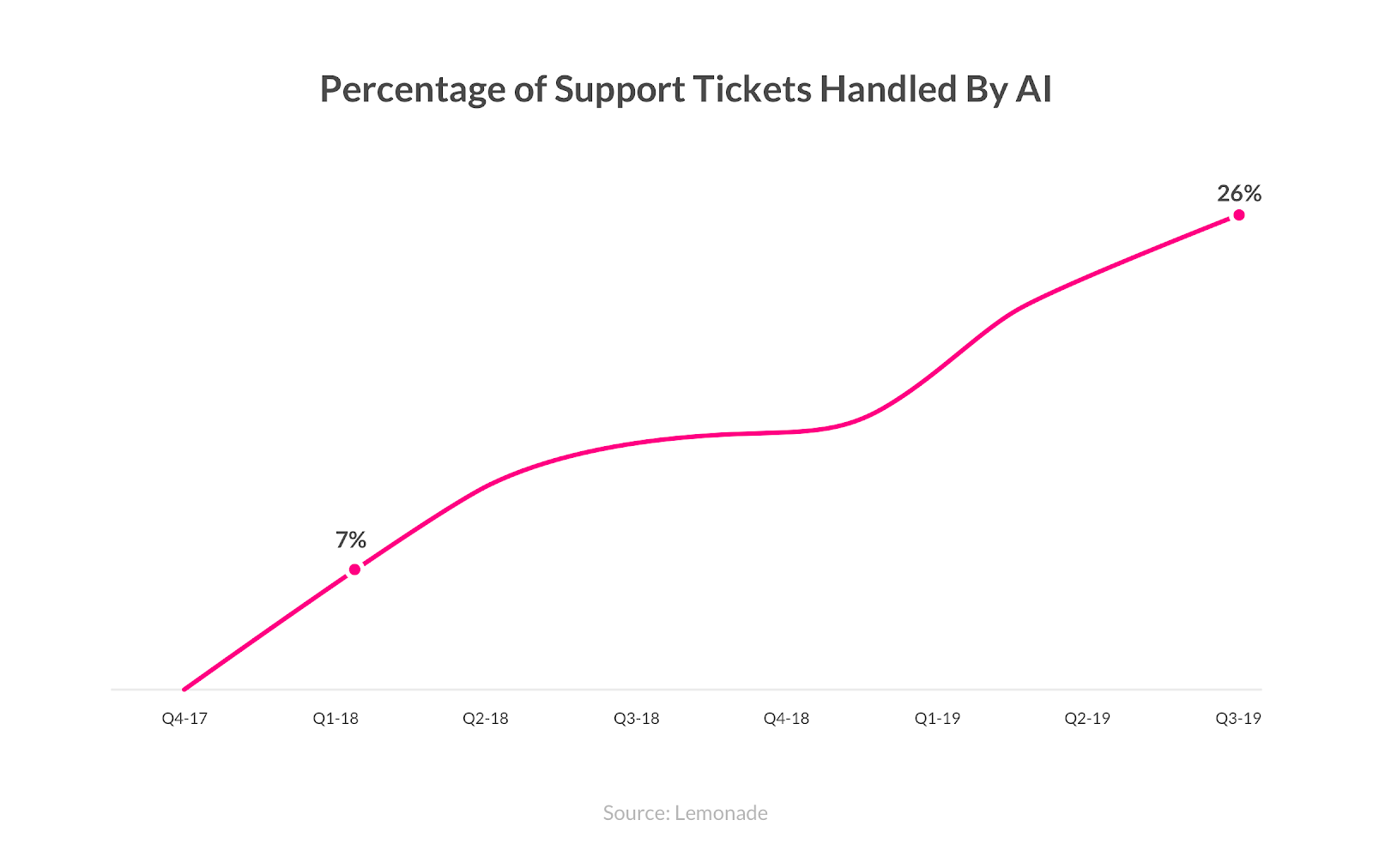
And it isn’t just the Loss Ratio. We see the impact of data feeding the machine across the company. For example, customers write in with an endless stream of questions and requests. In the early days of Lemonade, 100% of these were handled by people. Only in 2018 had the data grown big enough for AI Maya to learn how to answer some of these ‘tickets’, though ‘her’ contribution was still modest. But AI Maya is a quick learner, and today, the AI handles more than a quarter of all customer inquiries, crushing costs while delighting customers – thereby closing the feedback loop on our strategy.
Lemons to Lemonade
It’s been a packed 1,151 days (~800 workdays) since we launched, with unexpected and sometimes downright bizarre incidents. But we tried to make lemonade out of these lemons, such as when the incumbents came out with their own citrus-infused copycats (most have died as quickly as they appeared), or that freakish State Farm attack ad on bots, targeting Lemonade, that backfired.
The latest saga in our David vs. Goliath series may get the Most Ridiculous award. Just a few weeks after we launched in Germany, Deutsche Telekom (T-Mobile’s parent) went to the courts to demand we abandon our use of pink entirely.
It sounded like a joke, but they were serious. A quick Google search revealed that these bully tactics weren’t anything new: for years DT has tried to take a wide range of pinks away from businesses across multiple industries and countries. It’s why TechCrunch labeled them ‘trademark trolls.’
So we decided to fight back, and filed to invalidate DT’s Magenta trademark – calling on anyone who wanted to join us to #FreeThePink. We also bought a bunch of swag from DT and T-Mobile, and Team Lemonade got decked out in “their” pink, emblazoned with their mission statement: “Life Is For Sharing.” Who can argue with that?
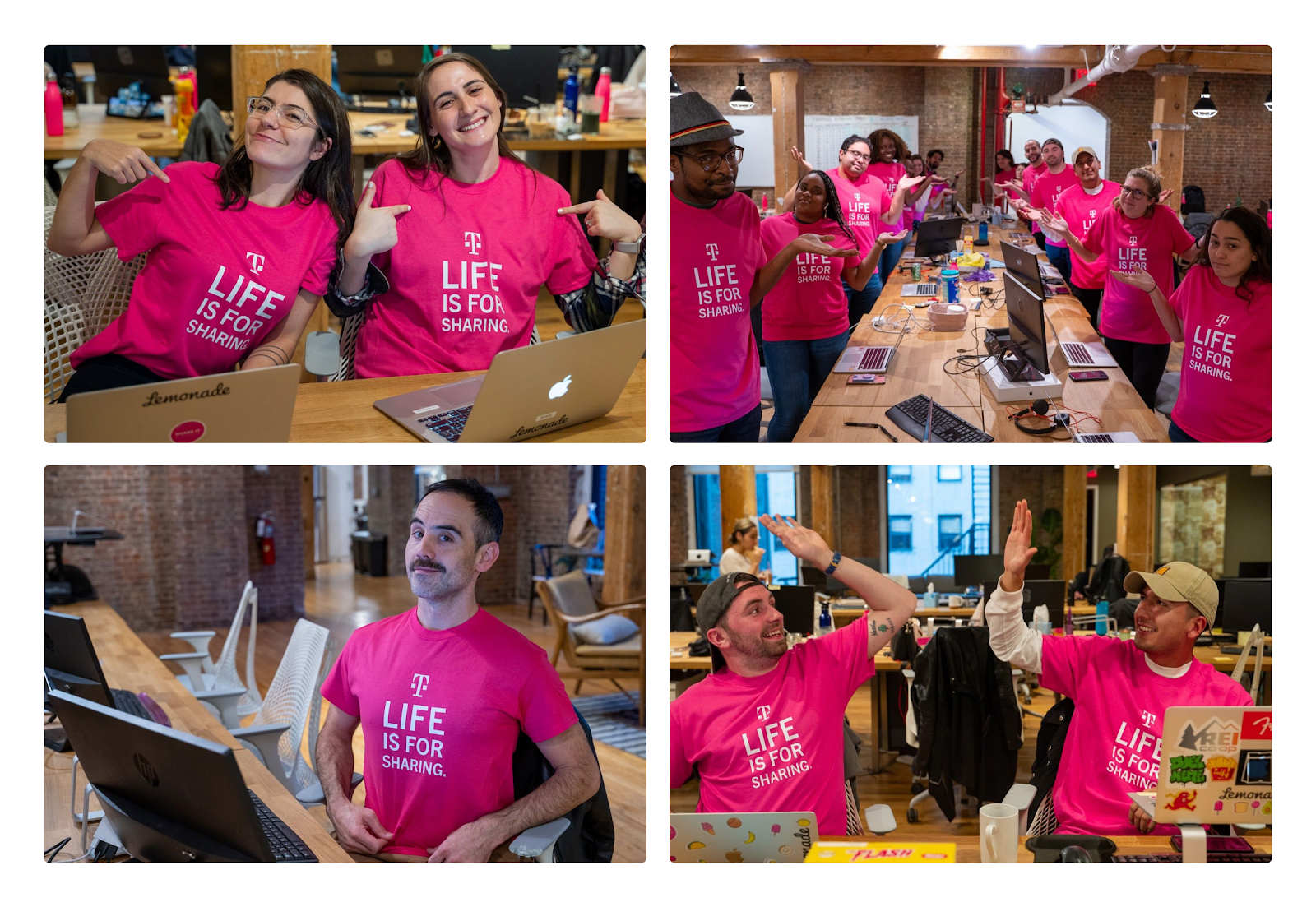
The response has been amazing: the largest publications in Germany covered the story prominently, as did the media across Europe and the US; several CEOs of companies from a bunch of industries and countries wrote to say Deutsche Telekom threatened them too, and encouraging us to stand firm; and people around the world came out in droves calling to #FreeThePink.
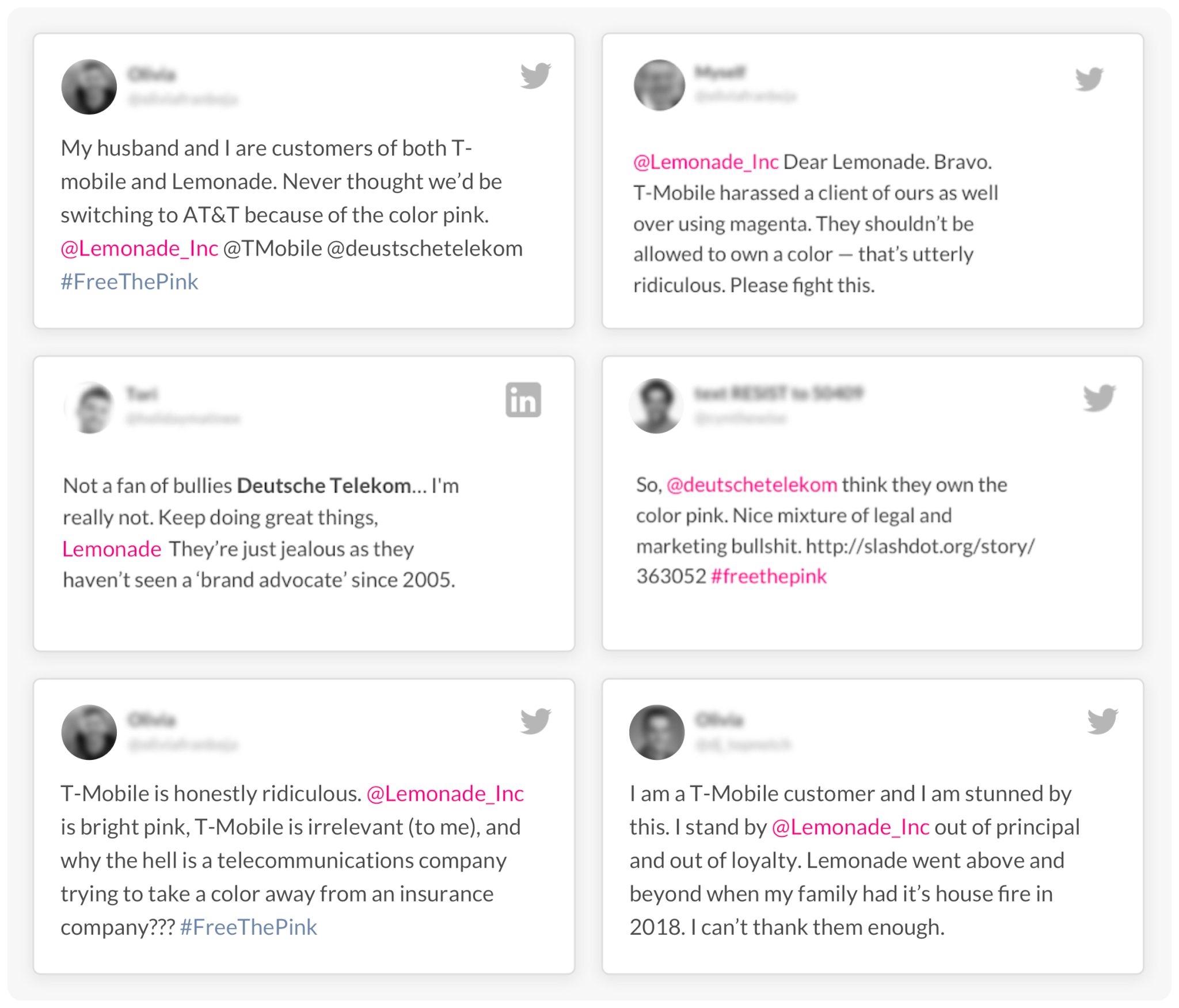
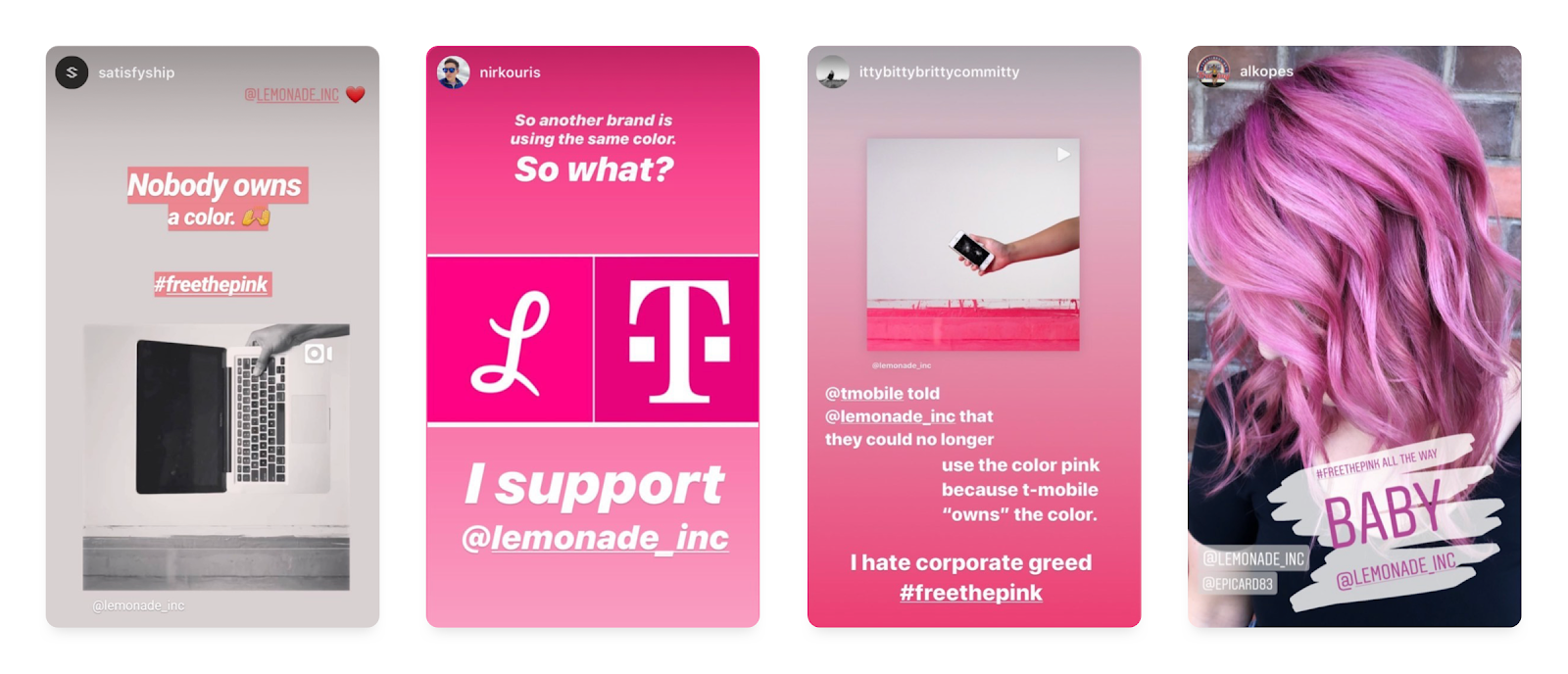
We’ll see how it all plays out in the coming months and years – but I want to thank everyone who joined the chorus to #FreeThePink!
3 Years By The Numbers
And so the flywheel turns, building momentum with every rotation. As seen in the numbers, since our launch Lemonade has:
- Welcomed over 18 million visitors to lemonade.com
- Responded to 907,136 inbound inquiries
- Sold over 1.2 million policies (including renewals) – 100% of them by AI Maya
- Published 152 blog posts (including this one), generating 2.5 million page views (excluding this one)
- Seen 960,628 app downloads
- Launched over 100 growth initiatives that totally failed
- Answered 131,018 customers by phone, and 182,248 entirely via our AI
- Expanded our licenses 40x, from a jurisdiction that is home to 20M people at our launch, to an area that’s home to 800M today
- Handled 29,720 claims. 97% of them with the help of AI Jim
- Partnered with 92 charities, and Gave Back $846,849
- Dipped 276 objects in pink paint, garnering 17,847,437 views on Instagram
- Tested 164,072 digital campaigns, and abandoned 93% of them
- Deployed new versions of our software to production 6,592 times
- Carried out 145,269 manual tests on that software, and over 11 million automated ones
- Signed up 1,206 distribution partners (80% of whom had modest impact)
- Sifted through 34,239 candidates who applied for a job at Lemonade to find the 242 that helped us grow from 19 Lemonaders 3 years ago, to 261 today
The last point is worth delaying on, as it’s the basis for all those that came before. The secret to what we’ve achieved in the past 3 years isn’t our strategy, it’s the people who execute it. On average we reviewed more than 140 applicants for every one person we hired. That’s the secret: building a company with people who are straight shooters, unafraid, uncompromising, and possessed with deep humanity. They’re a rare breed – but they are worth the effort!
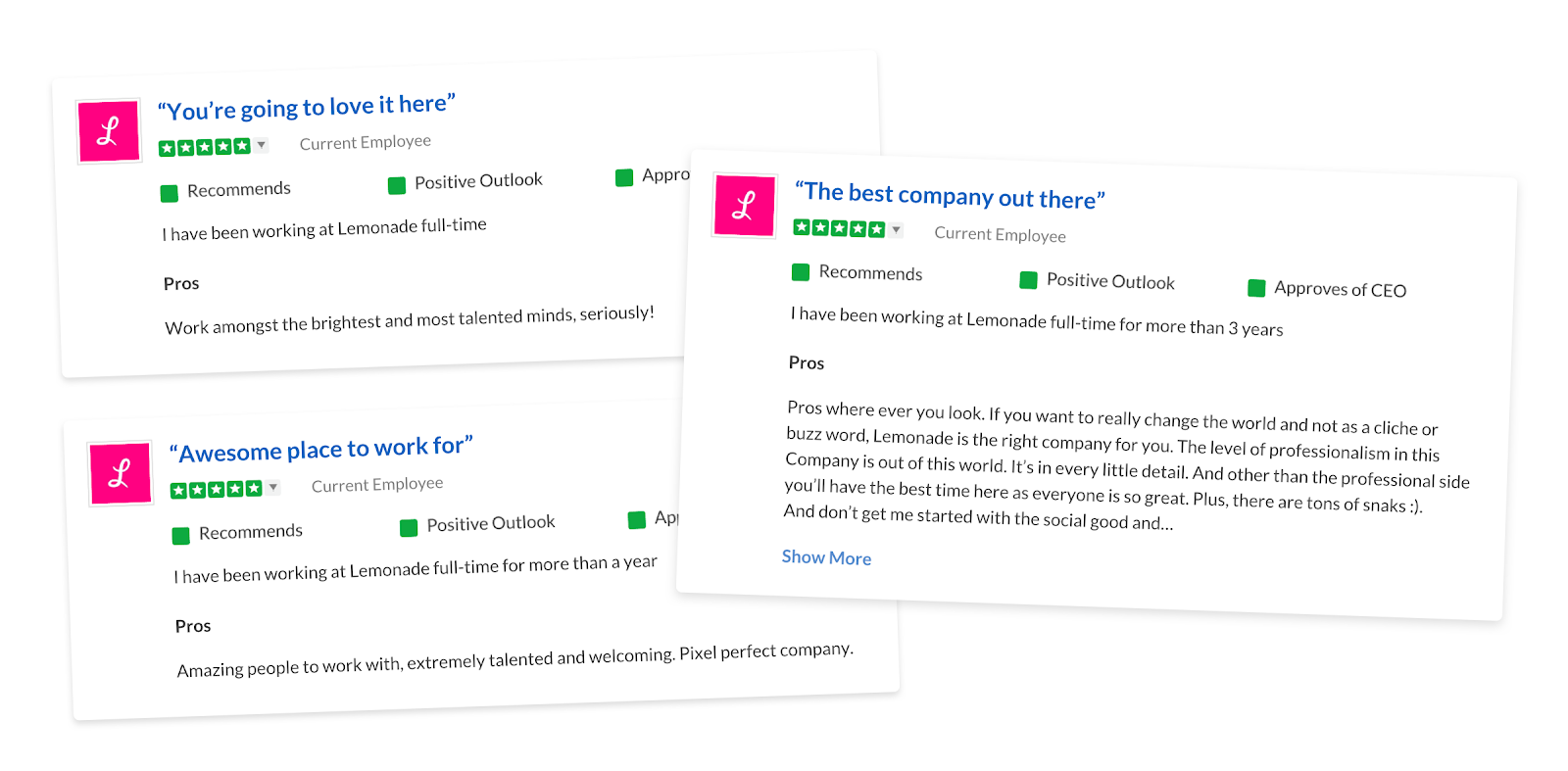
And so, as I wrap this post and go for that festive beer, my first toast is to the incredible team of Lemonaders. Cheers!

 Shai Wininger
 Team Lemonade