

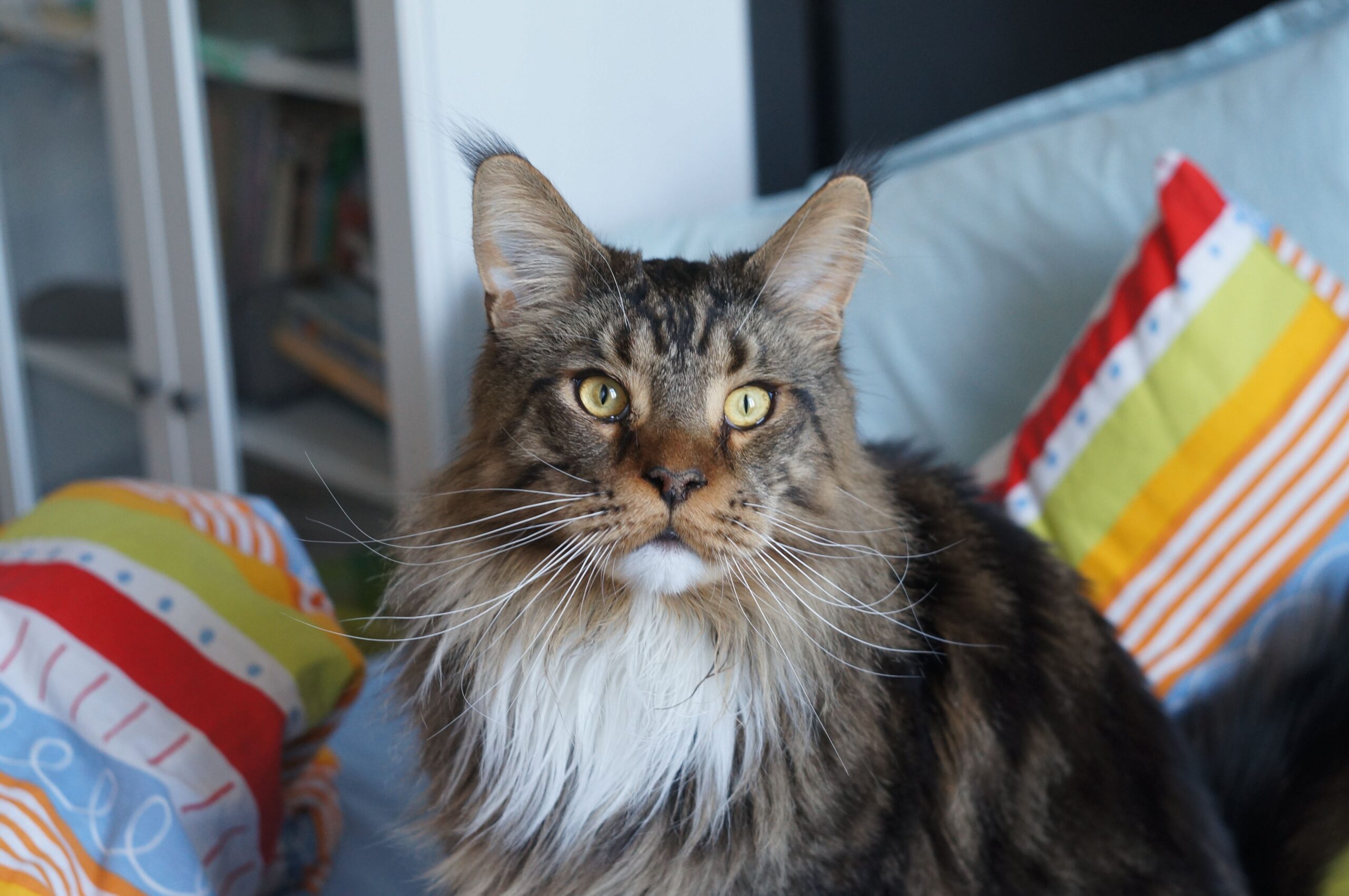



Maine Coons are one of the largest domestic cat breeds in the world, and somehow also one of the friendliest. They’re playful, sociable, and genuinely interested in whatever you’re doing. Not in a clingy way. More like a dog that lives in a cat’s body. If you’re an active family or a social cat lover who wants a big, friendly presence that never really acts like a cat, keep reading.
 TL;DR
TL;DR
- Big, sociable cats with dog-like personalities. They want to be involved, not just nearby.
- Their thick, shaggy coat needs brushing two to three times a week and professional grooming every 6 to 8 weeks.
- Watch for HCM and hip dysplasia. Both have a genetic component in this breed and are worth screening for early.
- High intelligence, moderate to high energy. Without enough stimulation, they’ll find their own entertainment. You won’t always like what they choose.
- For context: Lemonade paid out $1.5M in Maine Coon claims last year.
What are the characteristics of a Maine Coon?
Maine Coons have a reputation for being the gentle giants of the cat world. These scores show you exactly what that looks like in practice.
What it’s actually like to live with a Maine Coon
Maine Coons are often described as dog-like, and that’s not an exaggeration. They follow you around, they want to know what you’re doing, and they’ll insert themselves into just about any activity happening in the house. They’re not lap cats in the traditional sense. They’re more likely to sit next to you than on you. But make no mistake, they want to be in the room. Always.
They’re also vocal in a way that catches people off guard. Not loud or demanding, but chatty. Maine Coons chirp, trill, and vocalize in a way that feels like they’re actually trying to hold a conversation. Once you get used to it, it’s one of their most endearing qualities. Before that, it might just confuse you.
What health issues are common in Maine Coons?
Maine Coons are a hardy breed by nature, but their size and genetics put a few specific conditions on the watchlist. None of them are a guarantee, but all of them are worth knowing about.
Hypertrophic cardiomyopathy (HCM)
HCM thickens the heart muscle, making it harder to pump blood. Maine Coons carry a specific genetic mutation linked to HCM, making annual cardiac screening especially important.
Read more about HCMHip dysplasia
Hip dysplasia occurs when the hip joint doesn't form correctly, leading to arthritis and pain. Maine Coons are predisposed due to their size, so watch for changes in how they move.
Read more about hip dysplasiaPyruvate kinase deficiency (PK-Def)
PK-Def causes red blood cells to break down prematurely, leading to anemia. Maine Coons carry a known genetic risk, and DNA testing can identify carriers before any symptoms appear.
Read more about PK-DefPeriodontal disease
Periodontal disease is a progressive gum and tooth infection. Maine Coons are prone, and without regular dental care it can lead to tooth loss and broader systemic health complications.
Read more about periodontal diseaseChronic kidney disease (CKD)
CKD causes the kidneys to lose their ability to filter waste over time. Maine Coons can be predisposed as they age, and routine bloodwork is the most reliable way to catch it early.
Read more about CKDWhat are the recommended health tests for Maine Coons?
Your Maine Coon can’t tell you when something’s off. That’s what annual health tests are for. Most vets will recommend a complete blood count, biochemistry profile, urinalysis, and FIV/FeLV screening at your cat’s yearly check-up. For Maine Coons specifically, it’s also worth asking about an annual echocardiogram. HCM is a condition this breed carries a known genetic mutation for, and it can develop well before any symptoms appear. Catching it early makes a real difference.
Do Maine Coons need pet insurance?
We’ll let the numbers do the talking. But spoiler: a lot of Maine Coon owners are really glad they had coverage.
Those numbers aren’t hypotheticals. Behind each one is a Maine Coon owner who filed an accident or illness claim in the last year. Here’s what that can look like in practice.
The hip that wasn’t quite right
Luna is a 4-year-old Maine Coon who started jumping differently. Subtle at first. She was still making it onto the couch, but something looked off in how she landed. Her owner took her in, mentioned it almost as an afterthought. The vet noticed a slight gait abnormality, took X-rays, ran full orthopedic imaging, and confirmed mild hip dysplasia in both hips. The visit covered the exam, imaging, and a pain management plan. Total bill: $1,100.
Assuming the full $1,100 is eligible, here’s what the payout looks like with a $250 deductible, 80% co-insurance, and a $20,000 annual limit:
- Apply the co-insurance to the eligible amount: $1,100 x 80% = $880
- Subtract the deductible: $880 – $250 = $630 reimbursed
- Luna’s owner’s out-of-pocket: $470
And because the deductible is now met for the year, every eligible claim that follows gets the full 80%.
Luna is a 4-year-old Maine Coon who started jumping differently. Subtle at first. She was still making it onto the couch, but so
The dental situation nobody saw coming
Luna was mid-play session when her owner noticed her pawing at her mouth. A closer look revealed a cracked tooth, likely from a toy she’d been going at a little too enthusiastically. A trip to the vet confirmed it, and a dental extraction under anesthesia came to $420.
Dental accidents like this are covered under the base accident and illness policy, and with the deductible already met from the hip dysplasia claim earlier in the year, we only need to apply the co-insurance to the eligible amount. So, $420 x 80% = $336 reimbursed. Luna’s owner pays $84 out of pocket.
If you want coverage for dental illness too, things like periodontal disease or tooth resorption, that’s available as a separate add-on. For a breed as prone to dental issues as the Maine Coon, it’s worth considering.
Two claims. One cat. One year. Without coverage, that’s $1,520 paid entirely out of pocket. With Lemonade, it’s $554. Luna is doing great, and her tooth is just a memory.
Coverage that’s built for your cat
With Lemonade, you can build a plan around your Maine Coon specifically. Start with accident and illness coverage as your base, then add on what makes sense for your cat, things like dental illness, behavioral treatment, or a preventive care package, and skip what doesn’t. Coverage applies to conditions that aren’t pre-existing, meaning a condition that occurs after your policy is active and your waiting periods have passed.
And when you do need to file? You can do it in the app in minutes. No paperwork, no hold music, no waiting around.
Maine Coons are worth protecting. Here’s how to do it right.
How much does pet insurance cost?
The cost of your premium is personal. It depends on your Maine Coon’s age, your location, and what add-ons you select. That said, here’s a realistic look at what other Maine Coon owners pay with Lemonade:
| Age | Average monthly premium |
|---|---|
| 1 year old | $20–$25 |
| 2 years old | $25–$30 |
| 3 years old | $20–$25 |
| 4 years old | $25–$30 |
| 5 years old | $30–$35 |
| 6 years old | $35–$40 |
| 7 years old | $40–$45 |
Not sure if Lemonade is the right fit for your Ragdoll?
See how we stack up. Compare pet insurance options side by side and find the coverage that fits your Maine Coon and your budget.
History of the Maine Coon
The Maine Coon is one of the oldest natural breeds in North America, and its origins are genuinely murky in the best possible way. The most widely accepted theory is that the breed developed in New England through the natural interbreeding of domestic shorthaired cats and longhaired cats brought over by sailors, possibly Angora types or early relatives of the Norwegian Forest Cat. Their thick, water-resistant coats, tufted ears, and large, snowshoe-like paws all suggest generations of natural selection for surviving harsh northeastern winters. Genetic testing has also pointed to a relationship with the Norwegian Forest Cat, lending some credibility to the theory that they arrived via early seafarers.
The first documented Maine Coon on record was a cat named Captain Jenks of the Horse Marines, recorded in 1861. By the 1870s and 1880s, Maine Coons were a fixture at agricultural fairs and early cat shows across New England. A tabby Maine Coon named Leo won best cat at the 1895 Madison Square Garden show and continued winning in Boston for years after. The breed’s popularity faded in the early 20th century as imported longhairs took over the show circuit, but dedicated breeders kept it alive. The Cat Fanciers’ Association granted the Maine Coon championship status in 1976, and in 1985 it was named the official state cat of Maine, a title it still holds today.
Caring for a Maine Coon
Grooming
Maine Coons are one of the higher-maintenance breeds when it comes to grooming, and it’s worth being honest about that upfront. Their thick, shaggy, semi-longhaired coat needs brushing two to three times a week to stay tangle-free and manage heavy shedding. Pay close attention to the belly, armpits, and ruff, where mats are most likely to form. A wide-toothed comb or slicker brush works best. Maine Coons are generally tolerant of baths when introduced to them early, which helps manage the coat’s natural oiliness and reduces shedding between brush sessions. It’s a real time commitment, but get into a routine early and it becomes just another part of owning one.
Play and Enrichment
Maine Coons are not low-energy cats. They’re curious, playful, and highly intelligent, which is a combination that keeps life interesting. They need real outlets. Interactive wand toys, puzzle feeders, fetch sessions, and large cat trees that give them room to climb and explore all work well. The fetch thing isn’t a myth. A lot of Maine Coons will bring toys back to you and expect a repeat performance.
They’re also smart enough to get bored, and a bored Maine Coon will find its own entertainment. That usually means getting into things they shouldn’t. Two solid play sessions a day and a good rotation of puzzle feeders goes a long way toward keeping them out of trouble and genuinely tired by the end of the day.
Nutrition
Maine Coons are large, active cats and they need a diet that keeps up with that. Real animal protein should be at the center of every meal. Most adults do well on around 300 to 400 calories a day, split across two meals and adjusted for weight and activity level. Expect to spend around $50 to $80 a month on food. Wet, dry, raw, or a mix all work. Your vet can help you find the right approach for your cat’s age and size. One thing worth watching: Maine Coons have a tendency to gain weight if portions aren’t managed, and extra weight puts additional stress on joints that are already prone to dysplasia. Keep portions controlled, keep fresh water available, and keep your vet in the loop on weight at annual check-ups.
Maine Coon costs and adoption
What does it cost to bring home a Maine Coon?
Maine Coons are one of the more popular pedigreed breeds, and the upfront costs reflect that. A reputable breeder invests heavily in health testing and socialization, and that’s priced into what you pay.
| Category | Cost Range | Details |
|---|---|---|
| Adoption (Reputable breeder) | $1,000 to $2,000 | Health testing, vaccinations, early socialization, pedigree |
| Adoption (Rescue/shelter) | $100 to $400 | Basic veterinary care, spay/neuter, temperament evaluation |
| Initial veterinary care | $200 to $400 | Exam, vaccinations, spay/neuter if needed, microchip |
| Essential supplies | $200 to $400 | Litter box, litter, scratching post, bed, food bowls, toys |
What does it cost to own a Ragdoll each year?
Once you’re past year one, things settle into a rhythm. Maine Coons are a healthy breed overall, but their size and genetic predispositions mean routine screening is worth budgeting for every year.
| Category | Annual Cost | Details |
|---|---|---|
| Food and treats | $600 to $1,000 | Based on recommended portions for a Maine Coon |
| Routine veterinary care | $300 to $600 | Wellness exams, vaccinations, dental care |
| Professional grooming | $200 to $500 | Every 6 to 8 weeks for coat maintenance and mat prevention |
| Litter | $200 to $400 | Based on average litter usage for a Maine Coon |
| Toys and enrichment | $100 to $200 | Replacement toys, puzzle feeders, scratching posts |
What are popular Maine Coon names?
We looked at every Maine Coon insured with Lemonade and found that Luna and Leo are leading the pack, though Loki, Simba, and Willow aren’t far behind.
Maine Coon Kittens
Maine Coon kittens are born looking like regular kittens, but don’t be fooled. They grow slowly and don’t reach their full size until around three to five years old, which means you’re in for a long, entertaining kittenhood. The cat you bring home at 12 weeks and the cat you’ll have at 4 years are two very different sizes, and both are a lot of fun.
Kitten veterinary needs
The first year matters a lot for a Maine Coon kitten. Most kittens begin vaccines around 6 to 8 weeks old, with boosters given every few weeks until about 16 weeks of age. The FVRCP vaccine is a core vaccine, covering feline rhinotracheitis, calicivirus, and panleukopenia, three highly contagious and potentially life-threatening illnesses. Rabies is the other core kitten vaccination, and is required by law in most states regardless of whether your cat lives indoors or out. The feline leukemia virus vaccine is also considered core for all kittens younger than one year of age.
After the first year, it’s annual boosters and routine screening as they grow into adults. For Maine Coons specifically, cardiac screening is worth building into your routine early given this breed’s known predisposition to HCM. It’s a lot to keep track of. That’s why we made it easy.
Kitten socialization
Maine Coon kittens are outgoing and curious almost from day one. That sociable, dog-like personality doesn’t appear out of nowhere though. It’s a product of genetics and early socialization working together, and the foundation gets laid before your kitten ever comes home.
The primary socialization window for kittens occurs from 2 to 7 weeks of age, with a secondary window from 9 weeks to 14 to 16 weeks. For Maine Coons, good early socialization means a kitten that grows into a confident, adaptable cat. One that handles new people well, gets along with other animals, and takes the chaos of an active household in stride. Choose a breeder who actively exposes kittens to a variety of people, sounds, and environments during those early weeks. It matters more than most people realize.
Once they’re home, keep building on it. Maine Coons are naturally receptive to new experiences, but that doesn’t mean you can skip the work. Positive, gradual exposure to different people, surfaces, and environments helps build a cat that’s genuinely unflappable. Go at your kitten’s pace, keep everything positive, and back off if they show signs of stress. The goal is confidence, not just tolerance.
Where are Maine Coons most popular?
We looked at our own policyholder data to find out where Maine Coon owners are clustered. Spoiler: they’re everywhere, but the five states with the most Maine Coon policyholders are California, New York, Washington, Texas, and New Jersey.
Breed comparison
If you’re researching Maine Coons, chances are a few other breeds have crossed your mind. Here’s a quick side-by-side to help you sort it out.
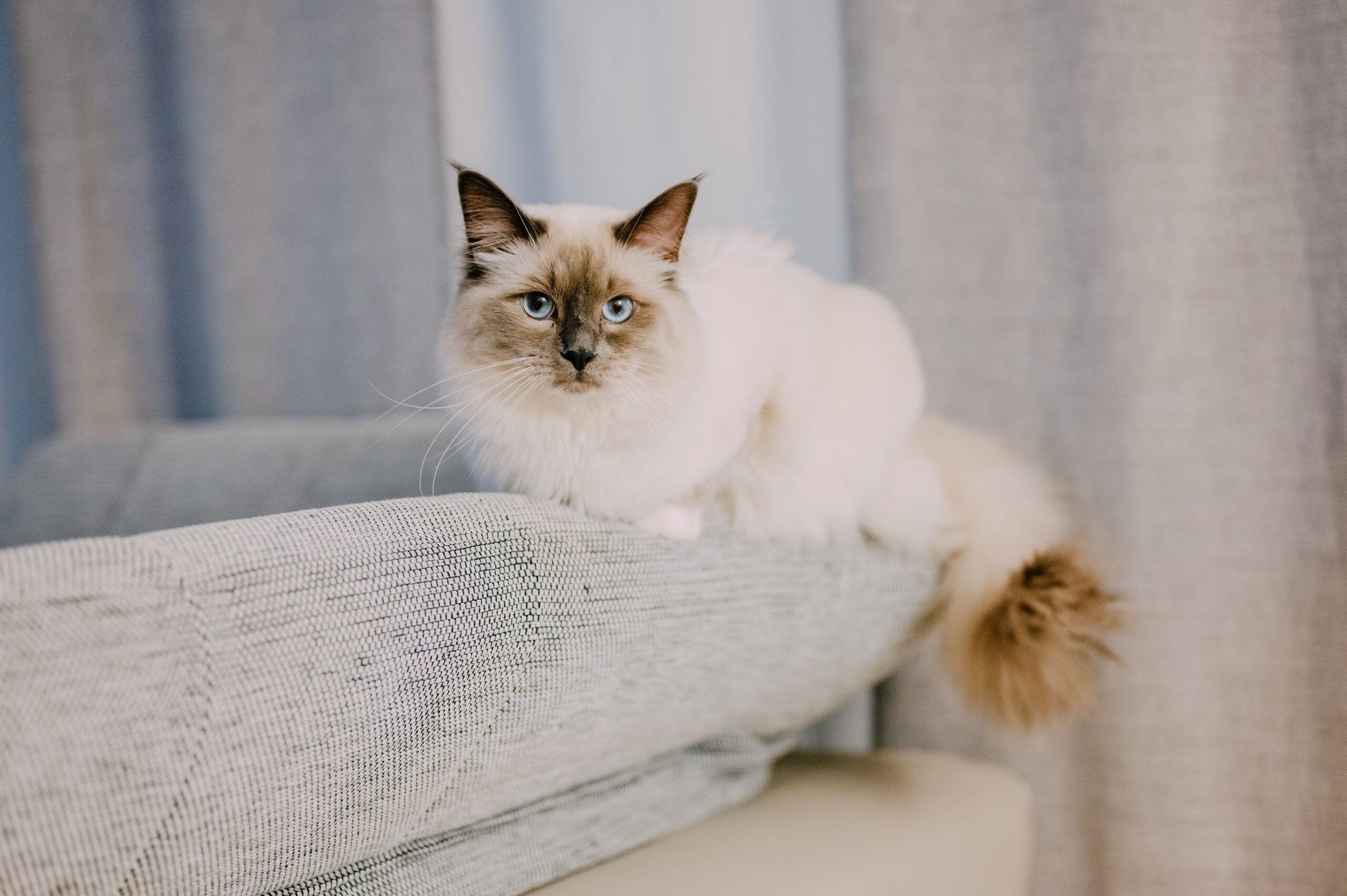
Ragdoll
Both are large, gentle, and great with families. Ragdolls are calmer and more lap-oriented, while Maine Coons are more active and curious, with a more independent streak.
Read more about Ragdolls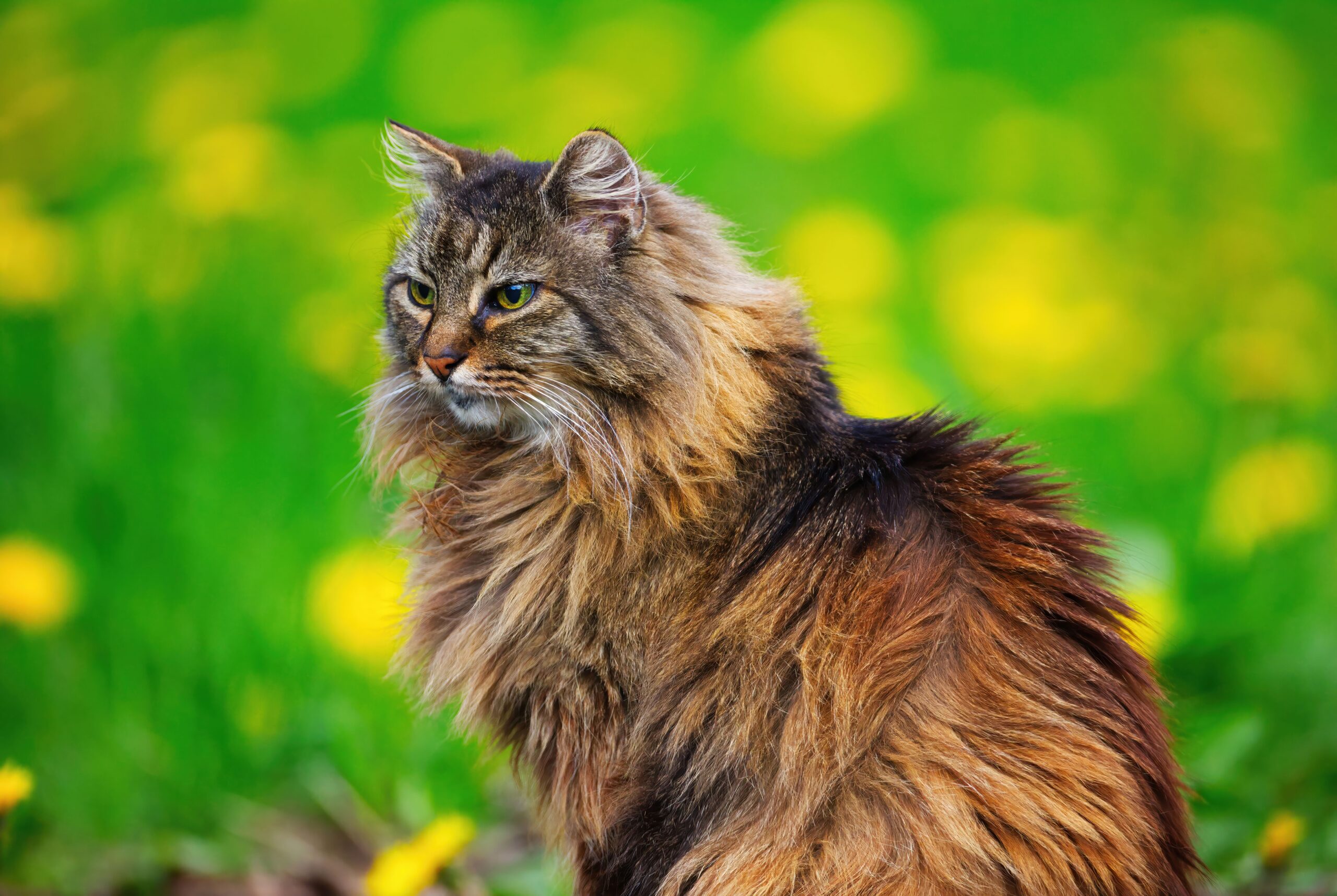
Norwegian Forest Cat
Both are large, longhaired, and built for cold climates. Norwegian Forest Cats are more independent and self-sufficient, while Maine Coons are more outgoing and social.
Read more about Norwegian Forest Cats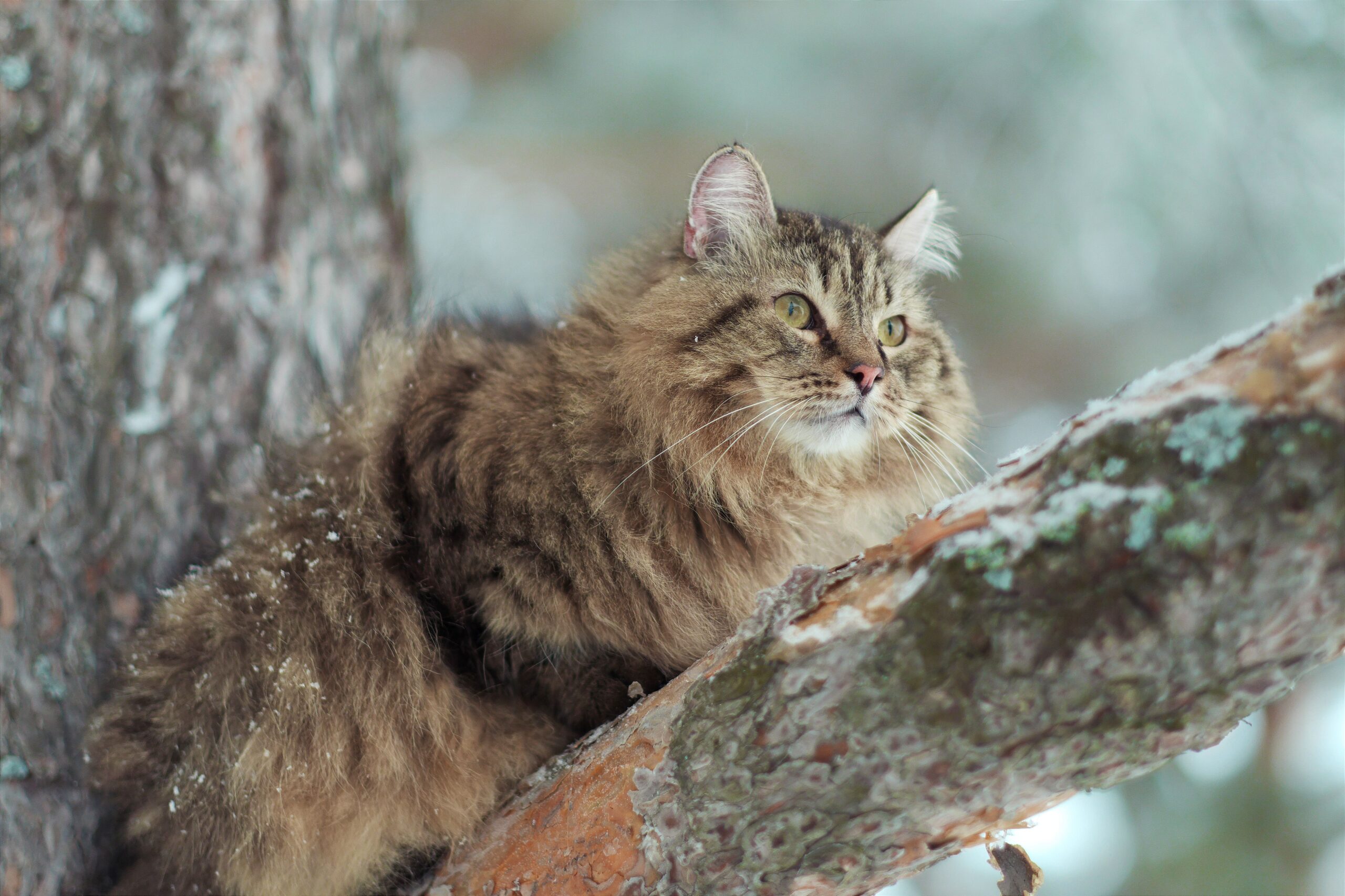
Siberian
Both are large, longhaired, and great with families. Siberians are slightly more independent with a denser triple coat, while Maine Coons are more outgoing and dog-like in personality.
Read more about SiberiansIs a Maine Coon right for you?
If you’ve made it this far, you already know a Maine Coon isn’t your average cat. It’s a playful, larger-than-life companion that brings real energy and warmth to any home. They just need space to move, regular play, and an owner who’s up for a little interaction every day. Whether you’re picking your kitten up next week or still in the research phase, pet insurance is the one thing worth sorting out early. Get a quote today, and focus on the fun, not the bills.
Maine Coon FAQs
Are Maine Coons good family cats?
Yes, they’re one of the best. Maine Coons are patient, adaptable, and genuinely enjoy being around people, including kids. They’re also one of the most dog-friendly cat breeds around, which makes them a good fit for multi-pet households. As long as there’s enough activity and interaction to keep them engaged, they thrive in busy, social homes.
Do Maine Coons need a lot of space?
More than most cats, yes. Maine Coons are big, active, and curious. They need room to move, things to climb, and enough square footage to burn off energy. A tall cat tree, some wall-mounted shelves, and a few dedicated play zones go a long way. A small apartment isn’t a dealbreaker, but you’ll need to be intentional about enrichment.
How long do Maine Coons live?
Most Maine Coons live between 12 and 15 years. Getting to the higher end of that range comes down to regular vet visits, weight management, cardiac screening, and keeping them mentally and physically active. HCM is the condition most likely to impact lifespan in this breed, which is why annual echocardiograms are worth starting early.
Are Maine Coons high maintenance?
Their grooming needs are genuinely high maintenance, yes. That coat needs brushing two to three times a week and professional attention every 6 to 8 weeks. Beyond grooming, they’re also a higher-energy breed that needs regular play and stimulation. If you’re looking for a hands-off cat, this probably isn’t it. But if you’re up for it, they’re one of the most rewarding breeds you can own.
Do Maine Coons get along with dogs?
Usually very well. Maine Coons are one of the few cat breeds that are genuinely dog-friendly, not just tolerant. Their outgoing, confident nature means they’re less likely to be intimidated by a dog and more likely to actually want to interact. A proper introduction still matters, but the odds are in your favor with this breed.
Insurance claim data figures reflect approved accident and illness claims filed by Lemonade Pet policyholders over the trailing 12 months as of June 2026. They are averages across Lemonade’s insured population for this breed, not predictions of future claims or reimbursement for any individual pet. Actual payouts depend on your policy’s limit, deductible, co-insurance, waiting periods, and exclusions, and may not reflect the broader breed population or other insurers’ experience. Coverage is not available in every state. Please let me know what you think, thank you! A few quick words, because we <3 our lawyers: This post is general in nature, and any statement in it doesn’t alter the terms, conditions, exclusions, or limitations of the policies issued, which differ according to your state of residence. You’re encouraged to discuss your specific circumstances with your own professional advisors. The purpose of this post is merely to provide you with info and insights you can use to make such discussions more productive! Naturally, all comments by, or references to, third parties represent their own views, and Lemonade assumes no responsibility for them. Coverage may not be available in all states. Please note that statements about coverages, policy management, claims processes, Giveback, and customer support apply to policies underwritten by Lemonade Insurance Company or Metromile Insurance Company, a Lemonade company, sold by Lemonade Insurance Agency, LLC. The statements do not apply to policies underwritten by other carriers. Insurance claim data figures reflect approved accident and illness claims filed by Lemonade Pet policyholders over the trailing 12 months as of June 2026. They are averages across Lemonade’s insured population for this breed, not predictions of future claims or reimbursement for any individual pet. Actual payouts depend on your policy’s limit, deductible, co-insurance, waiting periods, and exclusions, and may not reflect the broader breed population or other insurers’ experience. Average insurance premium data is based on Lemonade’s internal data and reflects the average premium over the last 12 complete months, accurate as of June 2026. Top pet names are sourced from Lemonade’s database of pet names associated with submitted quotes and purchased policies. Top states for each breed are based on the number of active Lemonade pet insurance policies for that breed in each state as of June 2026.