

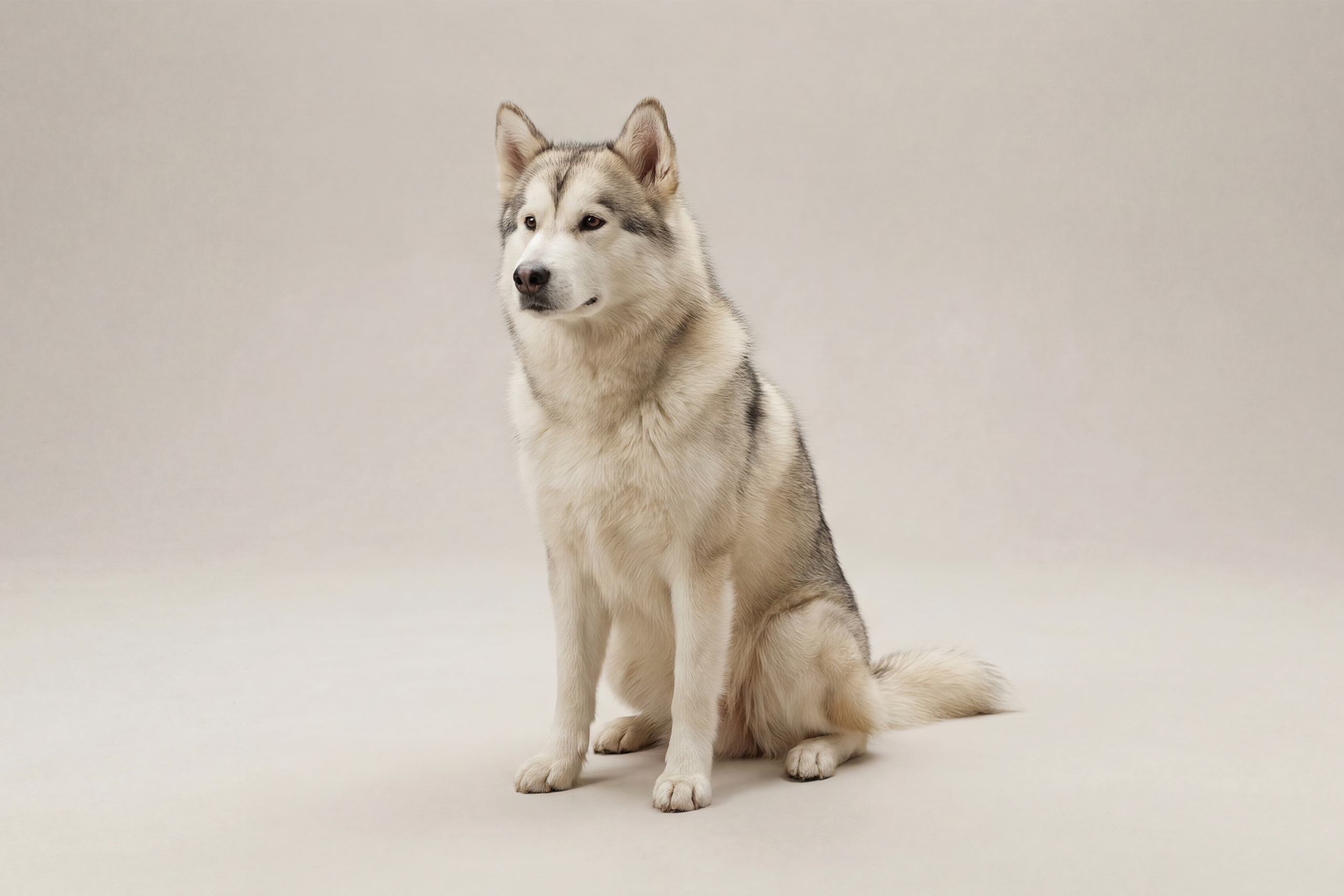



You didn’t land on the Malamute Husky by accident. This is a breed people seek out, and for good reason. The northern power cross, athletic, independent, and double-coated, and Malamute strength meets Husky speed, they’re a natural fit for experienced active owners with space who understand northern breed temperament and can commit to significant exercise who want an athletic, independent, and strikingly beautiful northern dog for owners who can match their endurance. Let’s dig in.
What are the characteristics of a Malamute Husky?
Think you know what you’re getting into with a Malamute Husky? These scores will either confirm your suspicions or give you something to think about. Either way, good to know now.
Training
| Trait | Score | What does it mean? |
|---|---|---|
| Trainability | 2 out of 5 | Intelligent but independently minded. Northern breeds apply their intelligence according to their own agenda |
| Obedience | 2 out of 5 | Reliable in calm environments. Outdoor recall is unreliable |
| Focus | 2 out of 5 | Easily distracted by scents and movement outdoors |
| Stubbornness | 5 out of 5 | Very independent. Both parent breeds were developed to work without close human direction |
Friendliness
| Trait | Score | What does it mean? |
|---|---|---|
| Good with family | 4 out of 5 | Warm and pack-oriented with their family |
| Good with children | 3 out of 5 | Generally good with children they know |
| Good with strangers | 3 out of 5 | Friendly with most people. Variable by individual |
| Good with other dogs | 2 out of 5 | Can be dog-selective. Northern breeds can have dog aggression tendencies |
Adaptability
| Trait | Score | What does it mean? |
|---|---|---|
| Apartment living | 1 out of 5 | Not suited to apartment living |
| Cold weather | 5 out of 5 | Built for Arctic conditions. Their double coat handles extreme cold |
| Hot weather | 1 out of 5 | Their thick double coat makes them poorly suited to heat |
| Routine flexibility | 2 out of 5 | Needs consistent vigorous activity and a cool environment |
| First time owner | 2 out of 5 | Better for experienced northern breed owners |
Physical needs
| Trait | Score | What does it mean? |
|---|---|---|
| Energy level | 5 out of 5 | Very high energy and exceptional endurance from both parent breeds |
| Endurance | 5 out of 5 | Outstanding endurance. Built for sled work across long distances |
| Exercise needs | 5 out of 5 | Needs at least 60 to 90 minutes of vigorous daily exercise |
| Mental stimulation | 3 out of 5 | Intelligent and situationally aware |
| Grooming needs | 5 out of 5 | Thick double coat that sheds heavily year-round with dramatic seasonal blowouts |
Personality
| Trait | Score | What does it mean? |
|---|---|---|
| Playfulness | 4 out of 5 | Playful and enthusiastic |
| Affection | 4 out of 5 | Warm and affectionate with their pack |
| Loyalty | 3 out of 5 | Loyal to their group |
| Independence | 5 out of 5 | Highly independent. Self-directed in all contexts |
| Alertness | 3 out of 5 | Alert and curious |
Behavior
| Trait | Score | What does it mean? |
|---|---|---|
| Barking tendency | 4 out of 5 | Vocal. Howling and talking are defining traits from both parent breeds |
| Digging tendency | 3 out of 5 | Some digging. Both parent breeds dig |
| Chewing tendency | 2 out of 5 | Light chewing in adults |
| Prey drive | 4 out of 5 | High prey drive from both parents |
| Guarding instincts | 2 out of 5 | Too friendly and independent for effective guarding |
What are common health issues of a Malamute Husky?
Like all breeds, Malamute Huskys are prone to certain health conditions. Here’s what to keep on your radar.
Hip Dysplasia
The hip joint develops abnormally, causing pain and arthritis over time. Malamute Huskies are a large working breed, and stiffness or a changed gait are especially worth catching.
Read more about Hip DysplasiaHypothyroidism
The thyroid gland does not produce enough hormone, slowing the metabolism. In Malamute Huskies, signs include weight gain, low energy, coat changes, and skin issues. Medication helps.
Read more about HypothyroidismPolyneuropathy
A condition where multiple nerves malfunction, affecting movement and coordination. It is seen in Malamute Huskies and can cause weakness, balance problems, and exercise intolerance.
Read more about PolyneuropathyCataracts
A clouding of the eye lens that can affect vision. Malamute Huskies are prone to hereditary cataracts that can appear earlier than in most breeds. A vet can monitor and advise.
Read more about CataractsGastric Dilatation-Volvulus
The stomach fills with gas and twists, cutting off blood flow. Malamute Huskies are at elevated risk as a large, deep-chested breed. A swollen belly and retching are urgent signs.
Read more about Gastric Dilatation-VolvulusWhat are the recommended health tests for Malamute Huskys?
Your Malamute Husky can’t tell you when something’s off. That’s what these tests are for. Here’s what vets typically recommend for them.
-
 OFA hip and elbow evaluation
 -
CAER ophthalmologist eye exam
-
DNA test for hereditary polyneuropathy
-
OFA thyroid evaluation
Do Malamute Huskys need pet insurance?
We’ll let the numbers do the talking, but spoiler: a lot of Malamute Husky owners are really glad they had coverage.
Those numbers aren’t hypotheticals. They’re real claims from real Malamute Husky owners in 2025.
The right pet insurance means you’re making decisions based on what your dog needs, not what you can afford.
With Lemonade, you can build a plan around your Malamute Husky specifically. Start with accident and illness coverage as your base, then add on what makes sense for your dog, things like physical therapy, dental illness, or behavioral treatment, and skip what doesn’t. Coverage applies to conditions that aren’t pre-existing (AKA, a condition that occurs after your policy is active and your waiting periods have passed), and you’ll know exactly what’s included before you commit. No fine print ambushes, no surprises at claim time.
And when you do need to file? You can do it in the app in minutes. No paperwork, no hold music, no waiting around.
Malamute Huskys are worth protecting with proper coverage. Here’s how to do it right.
How much does pet insurance cost?
The cost of your premium is personal. It depends on your Malamute Huskys age, your location, and what you add to your plan. That said, here’s a realistic look at what other Malamute Husky owners pay with Lemonade:
| Age | Average monthly premium |
|---|---|
| 1 year old | $60-$65 |
| 2 years old | $50-$55 |
| 3 years old | $55-$60 |
| 4 years old | $55-$60 |
| 5 years old | $45-$50 |
| 6 years old | $70-$75 |
| 7 years old | $75-$80 |
Not sure if Lemonade is the right fit for your Malamute Husky?
See how we stack up. Compare pet insurance options side by side and find the coverage that fits your Malamute Husky and your budget.
History of the Malamute Husky
The Malamute Husky is a cross between the Alaskan Malamute and the Siberian Husky, two of the most iconic northern sled dog breeds. The Alaskan Malamute is one of the oldest Arctic sled dogs, developed by the Mahlemut Inuit people of Alaska for hauling heavy freight over long distances. The Siberian Husky was developed by the Chukchi people of northeastern Siberia for long-distance, high-speed sledding with lighter loads. Both breeds were brought to fame in Alaska during the Nome Gold Rush and the 1925 serum run to Nome, when relay teams of sled dogs, including Balto the Siberian Husky, delivered lifesaving diphtheria antitoxin. The Malamute Husky cross combines the Malamute's strength and the Husky's speed, producing a large, athletic, northern dog. Neither parent breed is particularly obedient, and the cross inherits that independence fully. The resulting dogs are often larger and stronger than pure Siberians but lighter than pure Malamutes.
Caring for a Malamute Husky
Training
Training a Malamute Husky takes patience, but it’s worth the effort. They are independent, powerful, and bred to work without close human direction, which means owners need to establish firm leadership early and maintain consistent expectations throughout. Firm, consistent training with early socialization and a patient, experienced handler tends to work best, and getting started early makes a real difference.
Whether you’re starting from scratch or leveling up, these are worth the read.
Grooming
Malamute Huskys have a thick double coat that requires very high grooming. Brush several times per week, increasing to daily during the heavy spring and fall coat blows, and the occasional deshedding treatment keeps them looking their best. A deshedding tool is essential during seasonal blowouts, which can produce a very large volume of loose hair.
From nail trims to professional care, here’s everything you need to keep your Malamute Husky looking (and feeling) their best.
Exercise and mental stimulation
Malamute Huskys have high energy levels and need 90 minutes of exercise each day to stay happy and healthy. Hiking, pulling sports, and swimming are all great ways to burn through that energy. But physical exercise is only half the picture. Malamute Huskys are moderately intelligent dogs, and mental stimulation is just as important as the miles you put in. Without it, they become destructive, vocal, and prone to digging and escape attempts on a large scale. Puzzle toys, training sessions, and scent work are all solid ways to keep their brain engaged between walks.
Here’s how to build an exercise routine your Malamute Husky will actually love.
Nutrition
Malamute Huskys are large dogs with high energy, so they need a diet to match. Most adults do well on around 1,600 to 2,100 calories a day, spread across two meals. Depending on what you’re feeding them, expect to spend around $70 to $100 a month on food. Not the cheapest line item, but not the most expensive either.
What goes in the bowl is your call, and your vet’s. Kibble, raw, fresh, or a combination: there’s no single right answer. Focus on quality ingredients, the right portions for your dog’s age and activity level, and you’re most of the way there.
Get the full picture on feeding a Malamute Husky here.
Malamute Husky costs and adoption
What does it cost to bring home a Malamute Husky?
Before your Malamute Husky even sets a paw in your home, there are some one-time costs worth planning for. Here’s what to expect upfront.
| Category | Cost Range | Details |
|---|---|---|
| Adoption (Reputable breeder) | $1,000-$3,000 | Health testing, vaccinations, early socialization, pedigree |
| Adoption (Rescue/shelter) | $50-$300 | Basic veterinary care, spay/neuter, temperament evaluation |
| Initial veterinary care | $300-$700 | Exam, vaccinations, spay/neuter if needed, microchip |
| Essential supplies | $200-$500 | Crate, bed, leash, collar, food bowls, toys |
| Training classes | $150-$300 | Basic obedience, puppy socialization |
Unexpected costs have a way of showing up in year one more than any other. A starter emergency fund alongside a solid pet insurance plan is the best way to make sure they don’t catch you off guard.
What does it cost to own a Malamute Husky each year?
Once you’re past year one, ownership costs settle into a more predictable rhythm. Here’s what most Malamute Husky owners spend annually, though keep in mind these numbers can vary quite a bit depending on where you live, your dog’s individual health needs, and the choices you make along the way.
| Category | Annual cost | Details |
|---|---|---|
| Food and treats | $900-$1,600 | Based on the recommended portion for your Malamute Husky |
| Routine Veterinary Care | $500-$1,000 | Wellness exams, vaccinations, dental care |
| Professional Grooming | $200-$400 | Every Every 6 to 8 weeks, Very thick double coat needs significant professional grooming; shedding is heavy year-round. |
| Toys and Supplies | $200-$400 | Replacement items, mental stimulation toys |
What are popular Malamute Husky names?
We’ve crunched the numbers, and found the top 10 most popular names for Malamute Husky we see at Lemonade.
More names where those came from. If none of these are clicking, we’ve done the digging for you. Go find the one that sticks.
Malamute Husky puppies
Puppy veterinary needs
The first year matters a lot. What happens between 8 weeks and 12 months shapes who this dog becomes. Here’s what to focus on.
The first few months are the most important window for your puppy’s health. Core vaccines start at 6–8 weeks and continue through 16 weeks. After that, its annual boosters and routine screening as they grow into adults.
It’s a lot to keep track of. That’s why we made it easy.
Puppy socialization
Malamute Husky puppies are athletic, beautiful, and endlessly independent in the way only northern breeds are. That a striking presence and pack loyalty that makes them deeply rewarding for owners who understand their nature is part of what makes them vigorous daily exercise, a cool living environment, experienced northern breed handling, secure fencing, and significant coat maintenance, and it’s also why early socialization matters so much.
Between 8 and 16 weeks, get them in front of as much variety as possible. Different people, animals, sounds, surfaces, and locations. Keep every experience positive. Puppy classes are great for this: supervised, controlled, and full of exactly the kind of novelty a Malamute Husky brain needs to learn that the world is mostly fine.
Where are Malamute Husky’s most popular in the United States?
Based on Lemonade’s own policyholder data, Malamute Huskys are most popular in these five states. We’ve also thrown in a few things local pet owners should keep an eye on, so your pup can get out there and explore safely.
1. California
Foxtail grass is one of the sneakiest hazards for California dogs. The barbed seeds can embed in paws, ears, and noses from late spring through early fall, so check your dog after any outdoor time. Wildfire smoke is also a real seasonal concern; when air quality alerts are in effect, it's best to keep walks short and stay indoors as much as possible.
2. Washington
Western Washington's wet, mild climate creates near-perfect conditions for fleas year-round, and slugs in the Pacific Northwest can carry lungworm, a parasite dogs can pick up by sniffing or eating them. Eastern Washington and the Cascades bring different risks, including rattlesnakes and wildlife encounters on trails, so knowing which side of the mountains you're on matters.
3. Texas
Texas heat is intense and sets in early. Hot pavement can burn paws from late spring through early fall, and heatstroke risk is high during midday walks in cities like Houston, Dallas, and San Antonio. Rattlesnakes, scorpions, and fire ants are also common hazards, particularly in suburban and rural areas.
4. Colorado
Colorado's trails bring their own set of risks. Ticks are common from spring through early summer, and wildlife like coyotes and mountain lions are active across the Front Range and foothills. The rugged terrain is also hard on joints and paws, so keep an eye out after longer hikes.
5. Arizona
The desert heat is the biggest thing to watch year-round. Pavement in Phoenix can reach dangerous temperatures in summer, so early morning or evening walks are best for your dog's paws. Arizona is also home to rattlesnakes, scorpions, and desert toads, all of which are more active in warmer months, so stay alert on trails and in the yard.
Breed comparison
Already leaning toward a Malamute Husky? These breeds often get compared, here’s a quick snapshot of how they stack up.
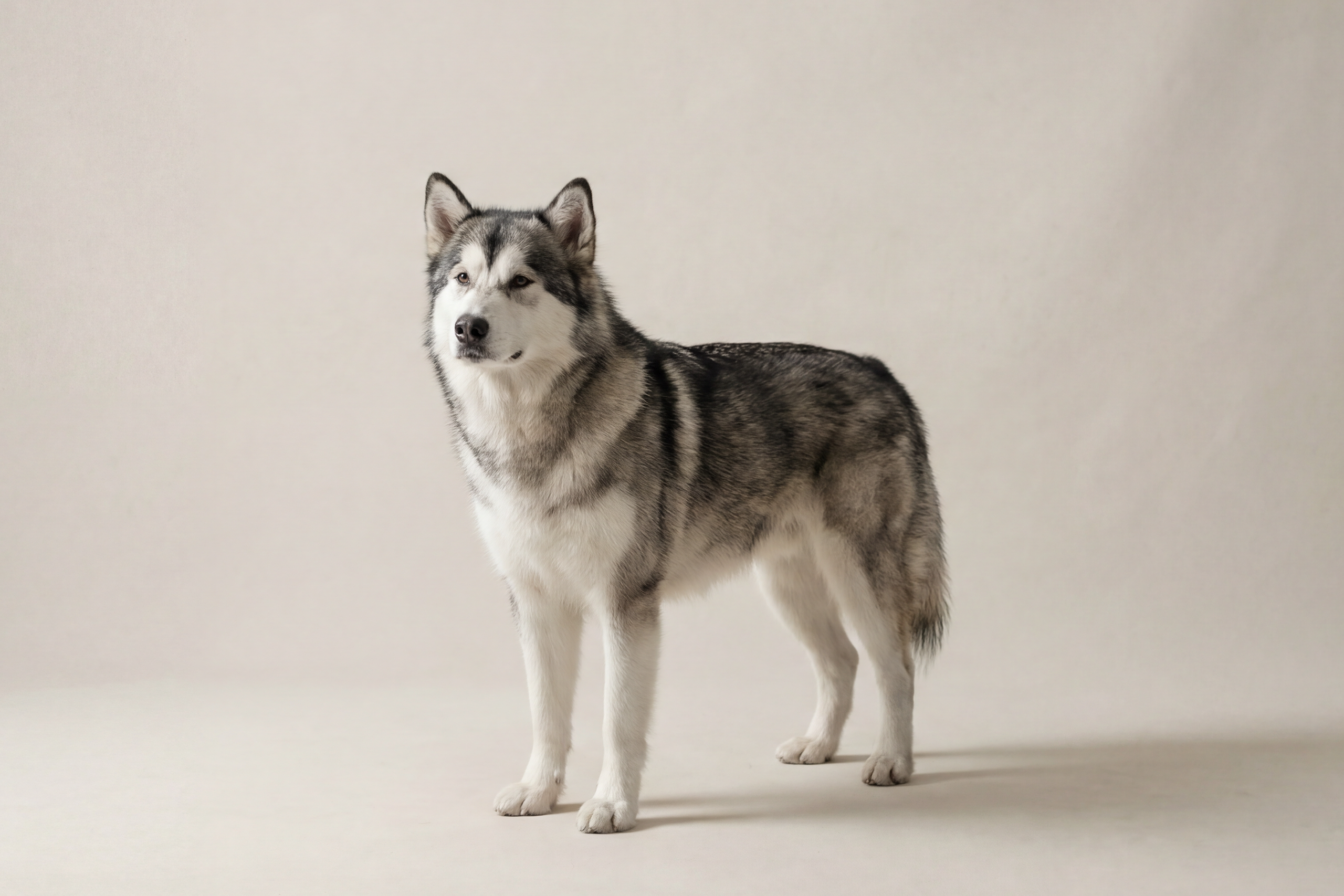
Alaskan Malamute
These names refer to the same breed type. Both are large, powerful, and stubborn Nordic breeds built for cold climates and heavy hauling work. Both need experienced, active owners.
Read more about Alaskan Malamute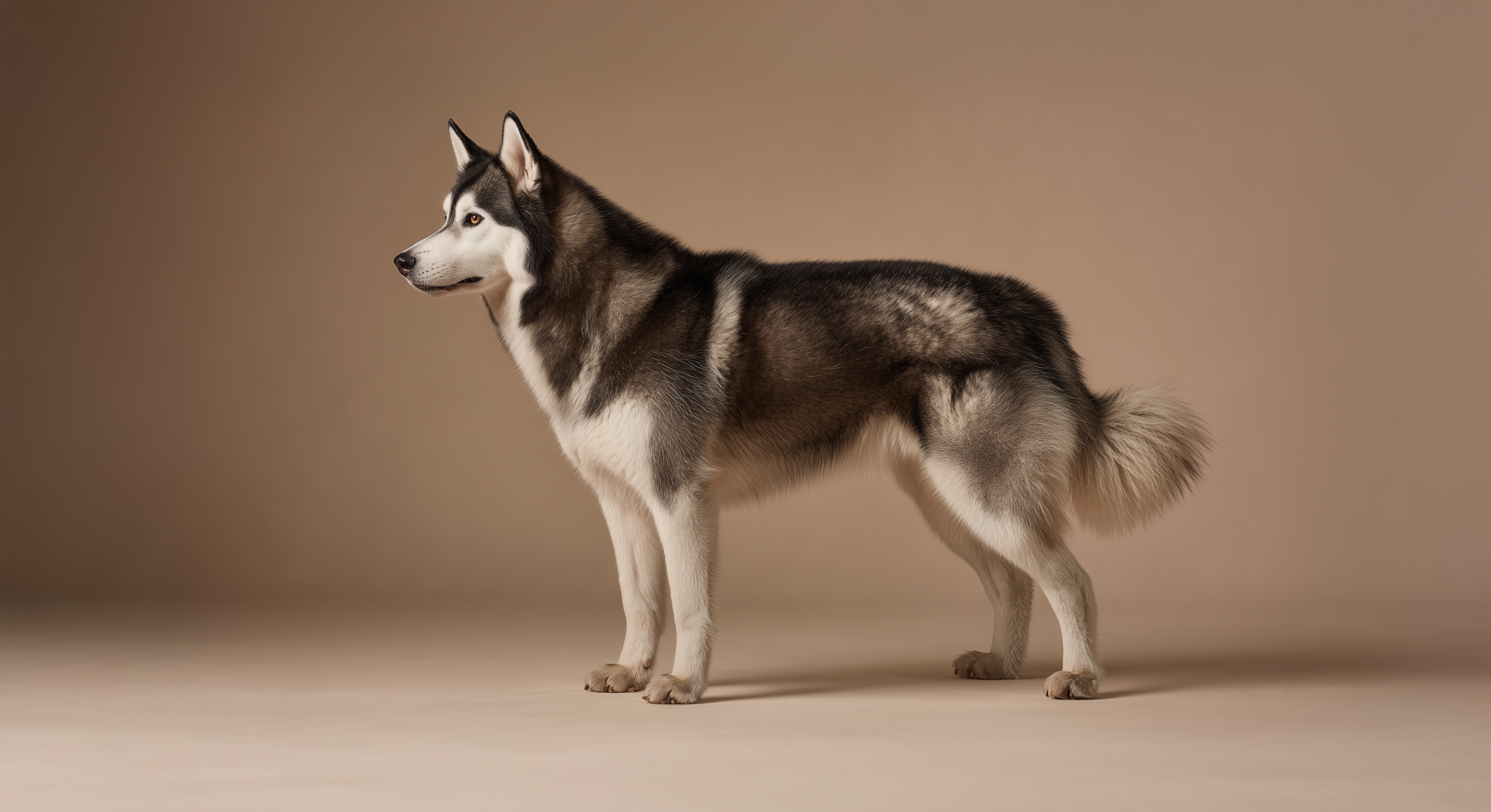
Siberian Husky
Both are powerful Nordic breeds. Siberian Huskies are faster and slightly more adaptable to family life. Malamute Huskies are larger, stronger, and better suited to heavy pulling work.
Read more about Siberian Husky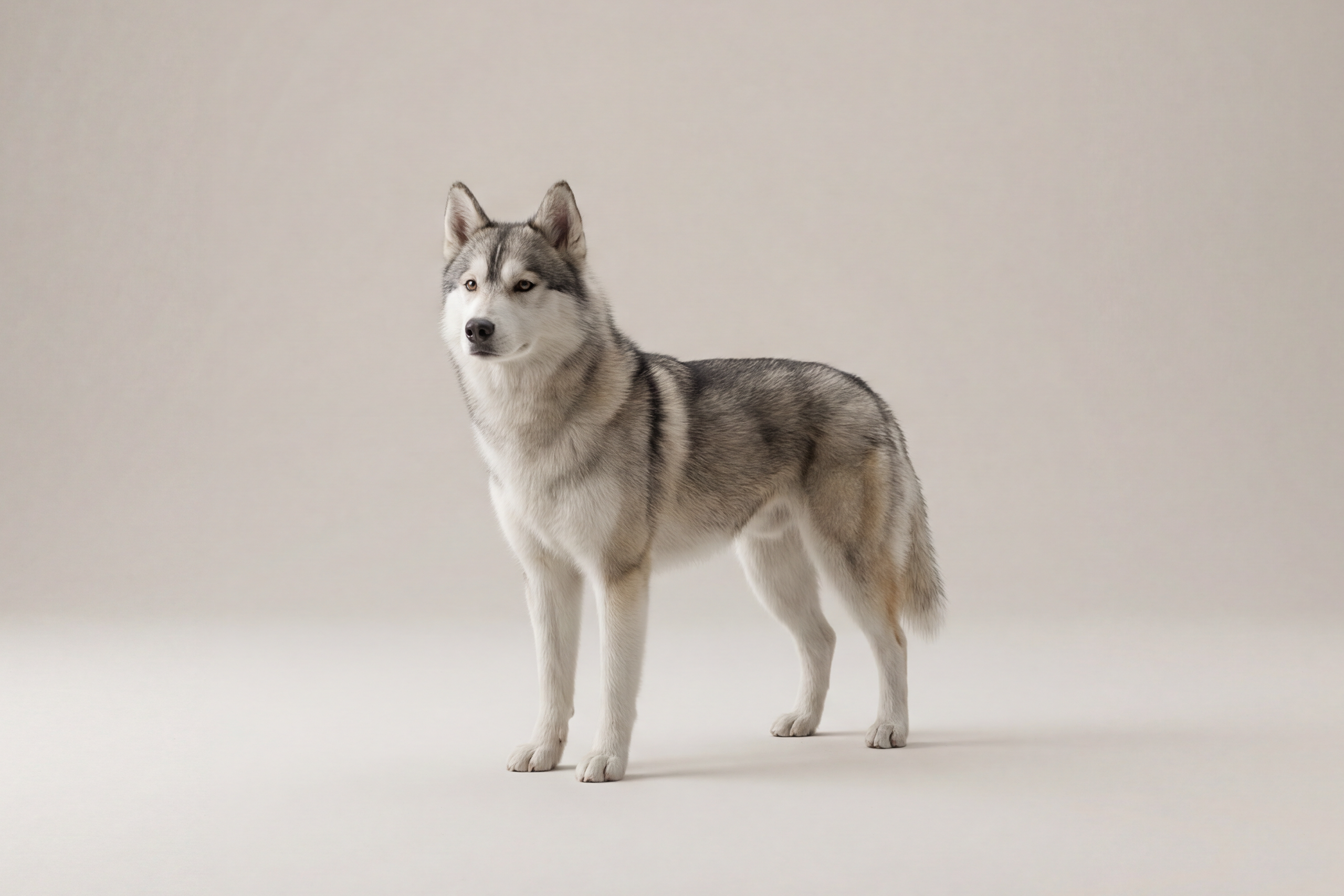
Alaskan Husky
Both are large, athletic Nordic breeds. Alaskan Huskies are leaner and bred purely for racing performance. Malamute Huskies are stronger and better suited to heavy hauling work.
Read more about Alaskan Husky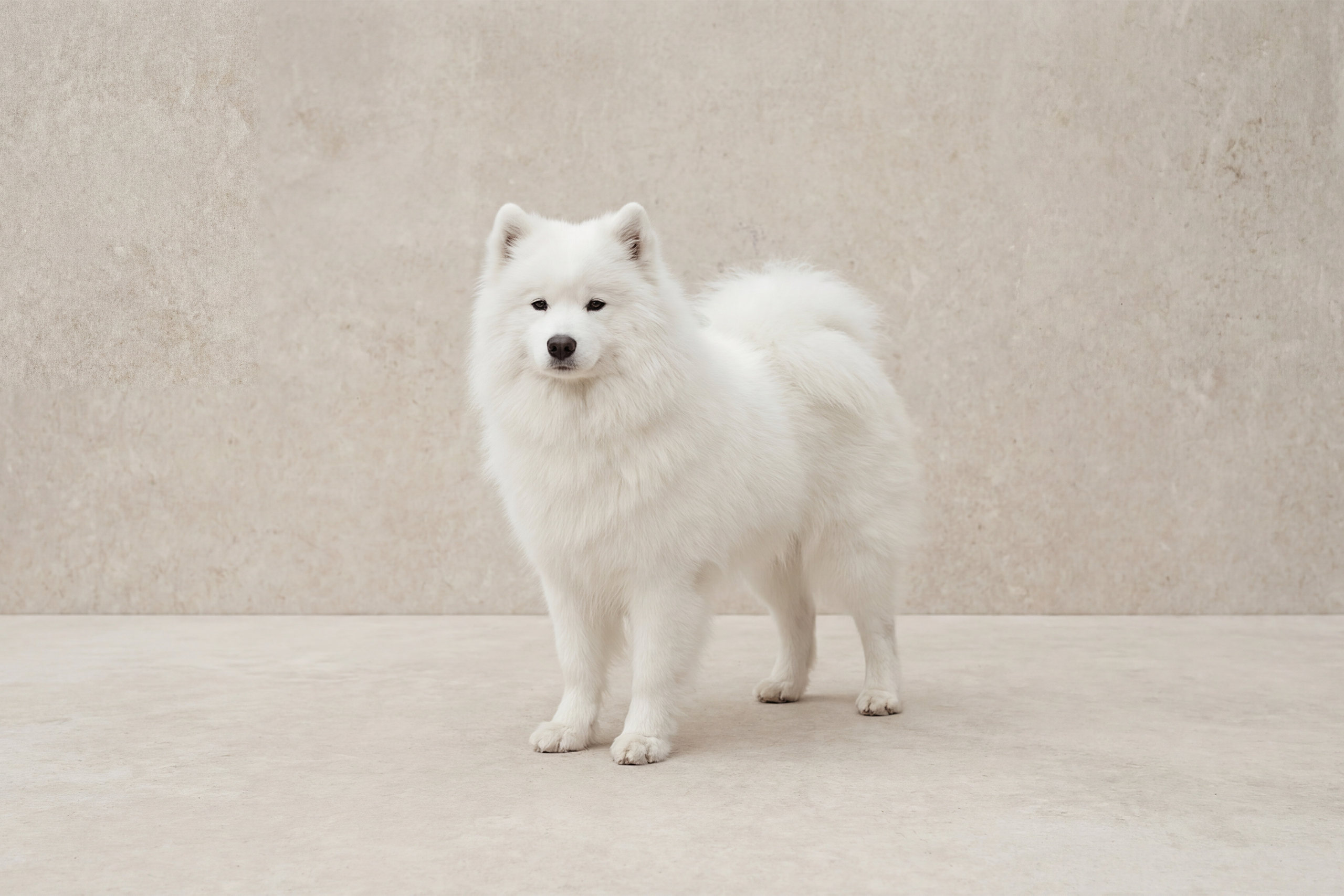
Samoyed
Both are large, fluffy Nordic breeds. Samoyeds are more affectionate and outgoing. Malamute Huskies are stronger, more stubborn, and better suited to serious pulling and working roles.
Read more about Samoyed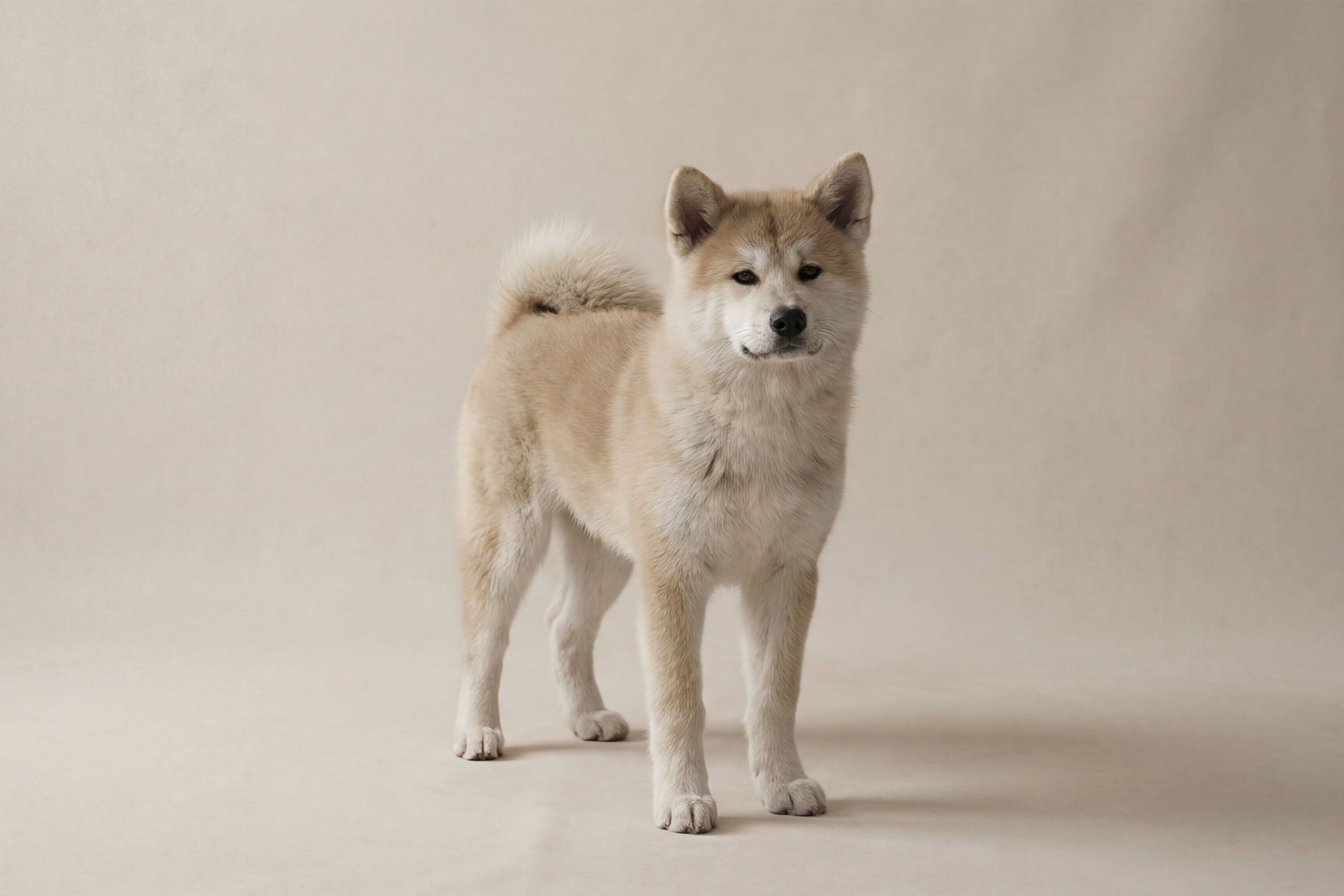
Akita
Both are large, powerful, and independent. Akitas are more protective and aloof with strangers. Malamute Huskies are more friendly and outgoing but equally stubborn and hard to manage.
Read more about AkitaIs a Malamute Husky right for you?
Malamute Huskys reward the right owner with a strength and athletic capability that makes outdoor adventures feel genuinely epic and a striking double-coated appearance and northern character that is unlike almost any other breed. They just need vigorous daily exercise, cool living environment, secure fencing, experienced northern breed handling, and heavy coat management in return. If you’re ready for that, you’re ready for a Malamute Husky. Make sure they’re protected from day one.
A few quick words, because we <3 our lawyers: This post is general in nature, and any statement in it doesn’t alter the terms, conditions, exclusions, or limitations of the policies issued, which differ according to your state of residence. You’re encouraged to discuss your specific circumstances with your own professional advisors. The purpose of this post is merely to provide you with info and insights you can use to make such discussions more productive! Naturally, all comments by, or references to, third parties represent their own views, and Lemonade assumes no responsibility for them. Coverage may not be available in all states. Please note that statements about coverages, policy management, claims processes, Giveback, and customer support apply to policies underwritten by Lemonade Insurance Company or Metromile Insurance Company, a Lemonade company, sold by Lemonade Insurance Agency, LLC. The statements do not apply to policies underwritten by other carriers.
Insurance claim data is based on Lemonade pet insurance claims that were settled and paid in 2025.
Average insurance premium data is based on Lemonade’s internal data and reflects the average premium over the last 12 complete months, accurate as of June 2026.
Top pet names are sourced from Lemonade’s database of pet names associated with submitted quotes and purchased policies.
Top states for each breed are based on the number of active Lemonade pet insurance policies for that breed in each state as of June 2026.