
Does Homeowners Insurance Cover Electronics?
The lowdown on insurance for electronic devices.


The lowdown on insurance for electronic devices.
Homeowners insurance covers your electronics when a named peril causes the damage: think theft, fire,
lightning, or a burst pipe. It won’t cover accidents, wear and tear, or devices that simply stop working over time.
Here’s exactly what’s covered, what’s not, and how to make sure your devices are properly protected.
 TL;DR
TL;DR
What’s more, Lemonade policyholders can even insure their fancier electronics -think big flat screen TVs, Bose stereo systems, and the like -with additional coverage for electrical or mechanical failure. (More on that in a bit.)
We’ve already mentioned that with a homeowners policy, your insurance company covers your devices against named perils. What else does your policy cover? Here’s what’s included in a basic HO3 (homeowners) policy with Lemonade:
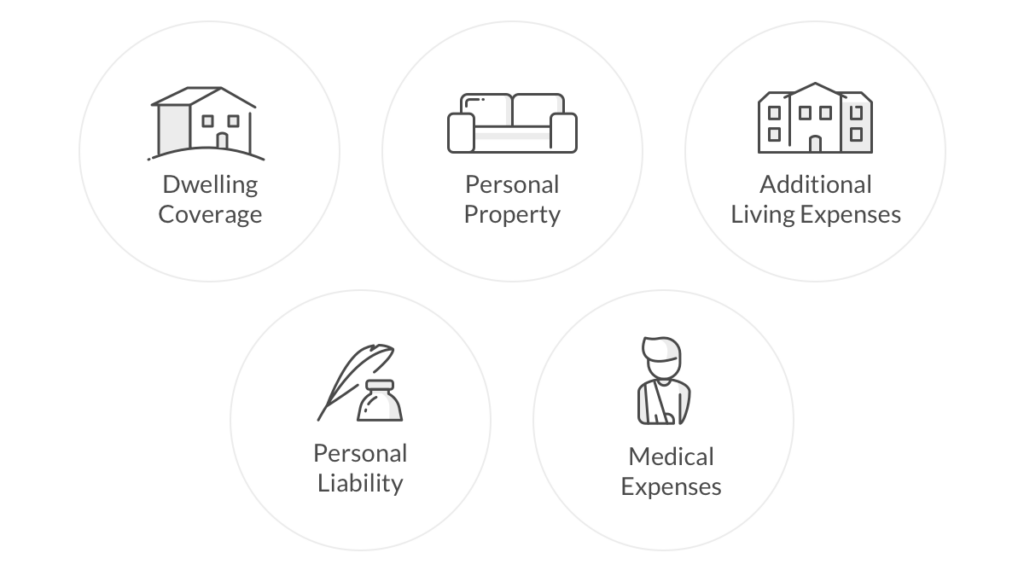
If you live in California, New York, Virginia, or Florida, all of your personal property-including electronics-is covered by your insurance company to a maximum of $250,000.
Every other state separates out portable electronics into their own special category. Lemonade coverage starts at $1,500 but you can increase your coverage to up to $6,000.
With those basics out of the way, let’s take a look at some common scenarios.
Since theft is one of the 16 named perils included in most homeowners insurance policies, you’d be eligible to file a claim-after you’ve filed a police report-on your pickpocketed smartphone.
Again, even if something happened to your property while you were outside the home-vacationing, or visiting a friend, or riding the subway-your insurer will still compensate you for your loss over your deductible.
A wildfire that spread from a nearby forest to your property would clearly be grounds for filing a claim for the damage.
But what if you’re dealing with the aftermath of a fire (or another event, like a burst pipe that drenches your electronics) that started inside your home? Lemonade still has your back.
The only reason Lemonade wouldn’t cover a fire is if it had been set deliberately. Meanwhile, we can help cover damage from that burst pipe through your personal property coverage.
Electronics damaged by flooding, however, wouldn’t be covered-this would fall under the umbrella of a separate flood insurance policy, if you have one.
Your insurer won’t pay up simply because you spilled your latte on your MacBook or ereader. Insurers treat damage from negligence or carelessness (like that cracked screen on your iPhone) very differently from damage triggered by named perils.
While you won’t get compensated for dropping that Venti all over your own laptop, your liability coverage could help you cover the costs if you spill your morning java on a friend’s computer.
An electrical fault in your wiring starts a fire that destroys your home office, including your three-year-old laptop. You have the purchase receipt ($1,200) and photos of the damage.
| Covered? | Yes |
| Why | Fire is a named peril under Coverage C |
| What Lemonade pays | Actual cash value of your laptop, minus your deductible |
| What you need to do | Document all damaged items with photos and receipts, and file your claim promptly |
What’s not covered: pre-existing damage, items already broken before the fire, or normal wear and tear on electronics.
You leave your iPhone on the nightstand while you grab breakfast. When you return, it’s gone. A hotel employee saw someone in your room. You file a police report and contact Lemonade.
| Covered? | Yes |
| Why | Theft is a named peril, Coverage C applies worldwide |
| What Lemonade pays | Actual cash value of your phone, minus your deductible |
| What you need to do | File a police report before submitting your claim |
What’s not covered: leaving your phone in an Uber, misplacing it on the subway, or accidentally leaving it at a coffee shop. Those are loss or negligence (not theft), and they’re not covered.
During a thunderstorm, lightning strikes a nearby power line and sends a surge through your home, burning out the internal components of your smart TV and sound system.
| Covered? | Partially, depends on the damage type |
| Why | Lightning is a named peril, but Coverage C excludes internal circuitry damage from electrical current |
| What Lemonade pays | External damage from the surge may be covered; internal component failure may not be |
| Better option | Equipment Breakdown Coverage (EBC) picks up where Coverage C leaves off for electrical failures |
What’s not covered: internal power surges unrelated to a named peril, wear and tear, or gradual degradation from years of use.
A pipe in your wall bursts suddenly, flooding your home office and soaking your gaming PC, external hard drives, monitor, and printer. You shut off the water, photograph everything, and contact Lemonade.
| Covered? | Yes |
| Why | Accidental discharge from a plumbing system is a named peril under Coverage C |
| What Lemonade pays | Damaged electronics under personal property coverage, minus your deductible |
| What you need to do | Document all items with photos and receipts, and file your claim as soon as possible |
What’s not covered: gradual leaks from poor maintenance, groundwater or flood damage (that needs a separate flood insurance policy), or damage from negligent plumbing upkeep.
Your console abruptly stops powering on. A repair shop diagnoses it as a circuit board failure. You contact Lemonade hoping homeowners insurance will cover the repair.
| Covered? | No |
| Why | This is wear and tear, there’s no named peril event, and gradual deterioration is excluded |
| Does EBC help? | No, EBC covers sudden breakdowns, not gradual component failure from age |
| What to do instead | Check your manufacturer’s warranty, or look into an extended warranty or device protection plan |
What’s not covered: normal aging, gradual deterioration, or component failure from years of regular use – under any homeowners policy.
A large coffee goes straight onto your keyboard. The laptop shuts down, and the keyboard and trackpad stop working. You’re wondering if homeowners insurance will help.
| Covered? | No |
| Why | Accidental spills from the policyholder’s own actions aren’t a named peril |
| Does EBC help? | No, this is physical damage from a spill, not an electrical or mechanical failure |
| Right product for this | A device protection plan like AppleCare+ – it’s built for exactly this scenario |
What’s not covered: damage from negligence, carelessness, accidental spills, intentional damage, or misuse – under Coverage C or EBC.
Not all electronics coverage works the same way. Here’s a quick breakdown of what each option actually covers, and when to use it.
| Coverage C | EBC | Manufacturer’s Warranty | Device Protection Plan | |
|---|---|---|---|---|
| What it covers | Theft, fire, lightning, windstorm, vandalism, and other named perils | Sudden electrical or mechanical failures | Factory defects in new devices | Accidental damage: drops, spills, cracked screens |
| Covers accidents? | No | No | No | Yes |
| Covers theft? | Yes | No | No | Sometimes |
| Covers wear and tear? | No | No | No | No |
| Works outside the home? | Yes, worldwide | Yes | Yes | Yes |
| Cost | Included in your policy | ~$2–3/month | Free with device | Varies by plan |
| Deductible | Your policy deductible | Your policy deductible | None | Per-incident fee |
The short version: Coverage C handles external threats outside your control. EBC handles internal failures that Coverage C misses. Your manufacturer’s warranty is your first call for brand-new defective devices. A device protection plan is the right tool for everyday accidents like spills, drops, and cracks that insurance doesn’t cover.
For most Lemonade policyholders, combining Coverage C with EBC covers the majority of real-world scenarios. Add a protection plan for high-value devices you use daily, and you’re covered from nearly every angle.
Want to enjoy the peace of mind that comes with insurance for electronics? Getting covered with Lemonade is fast and easy! Just answer a few simple questions via the Lemonade app and get insured in less than two minutes.
You can even increase your protection by adding Equipment Breakdown Coverage (EBC) to your policy. This is a Lemonade endorsement that protects your flat-screen TV, computer, security system, and a wide range of other electronics and appliances against damage from electrical or mechanical failures, which most standard insurance policies don’t cover.
Still, it’s important to keep in mind that you won’t be able to file a successful claim for damage resulting from regular wear-and-tear.
EBC comes with a flat deductible of $500, and it’s available to homeowners for just $3 monthly.
Figuring out what’s worth adding to your homeowners insurance policy starts with accounting for and estimating the value of your personal property. Here’s a handy guide for doing just that.
Ready to get started? Click below to insure your home and valuables with Lemonade in seconds.
Yes, if it was stolen. Theft is a named peril under Coverage C, and it applies worldwide – so whether your laptop was taken from your home, a hotel room, or a coffee shop, you’re covered. You’ll need to file a police report before submitting your claim, and Lemonade will reimburse you for the actual cash value of the device, minus your deductible.
Coverage C protects your electronics against sudden external events like theft, fire, and lightning. Equipment Breakdown Coverage (EBC) covers sudden internal failures, like a motherboard dying or a compressor giving out – that Coverage C won’t touch. They’re designed to complement each other, not overlap.
No. Accidental damage from your own actions isn’t a named peril, so Coverage C won’t apply. EBC won’t help here either, since it covers electrical and mechanical failures, not physical damage. A device protection plan like AppleCare+ is the right product for accidental drops, cracks, and spills.
For most people, yes. It costs roughly $2–3 per month and covers the kind of sudden electrical and mechanical failures that are common once devices are a few years old, and that your base policy won’t cover. If you have a home full of electronics, appliances, or smart home equipment, EBC fills a real gap at a low cost.
Sudden electrical damage from power surges or lightning is typically covered. Gradual electrical problems from aging wiring or poor maintenance aren’t. Electrical fires and the resulting damage are covered, but fixing old wiring is not. When filing claims for electrical damage, document what caused it clearly since the difference between a sudden event and gradual deterioration determines whether you’re covered. Read the full thread on Reddit
Not if it just broke from normal wear and age. That’s what home warranties are for. Homeowners insurance covers sudden damage from covered perils. If a power surge from a lightning strike fries your refrigerator, that’s typically covered. If it just stopped working after years of use, that’s not. Equipment breakdown coverage can be added as an endorsement on some policies for mechanical failures. Know which situation you have before filing a claim. Read the full thread on Reddit
A few quick words, because we <3 our lawyers: This post is general in nature, and any statement in it doesn’t alter the terms, conditions, exclusions, or limitations of the policies issued, which differ according to your state of residence. You’re encouraged to discuss your specific circumstances with your own professional advisors. The purpose of this post is merely to provide you with info and insights you can use to make such discussions more productive! Naturally, all comments by, or references to, third parties represent their own views, and Lemonade assumes no responsibility for them. Coverage may not be available in all states. Please note that statements about coverages, policy management, claims processes, Giveback, and customer support apply to policies underwritten by Lemonade Insurance Company or Metromile Insurance Company, a Lemonade company, sold by Lemonade Insurance Agency, LLC. The statements do not apply to policies underwritten by other carriers.
Please note: Lemonade articles and other editorial content are meant for educational purposes only, and should not be relied upon instead of professional legal, insurance or financial advice. The content of these educational articles does not alter the terms, conditions, exclusions, or limitations of policies issued by Lemonade, which differ according to your state of residence. While we regularly review previously published content to ensure it is accurate and up-to-date, there may be instances in which legal conditions or policy details have changed since publication. Any hypothetical examples used in Lemonade editorial content are purely expositional. Hypothetical examples do not alter or bind Lemonade to any application of your insurance policy to the particular facts and circumstances of any actual claim.